Skip to content
Butterflies of Ireland
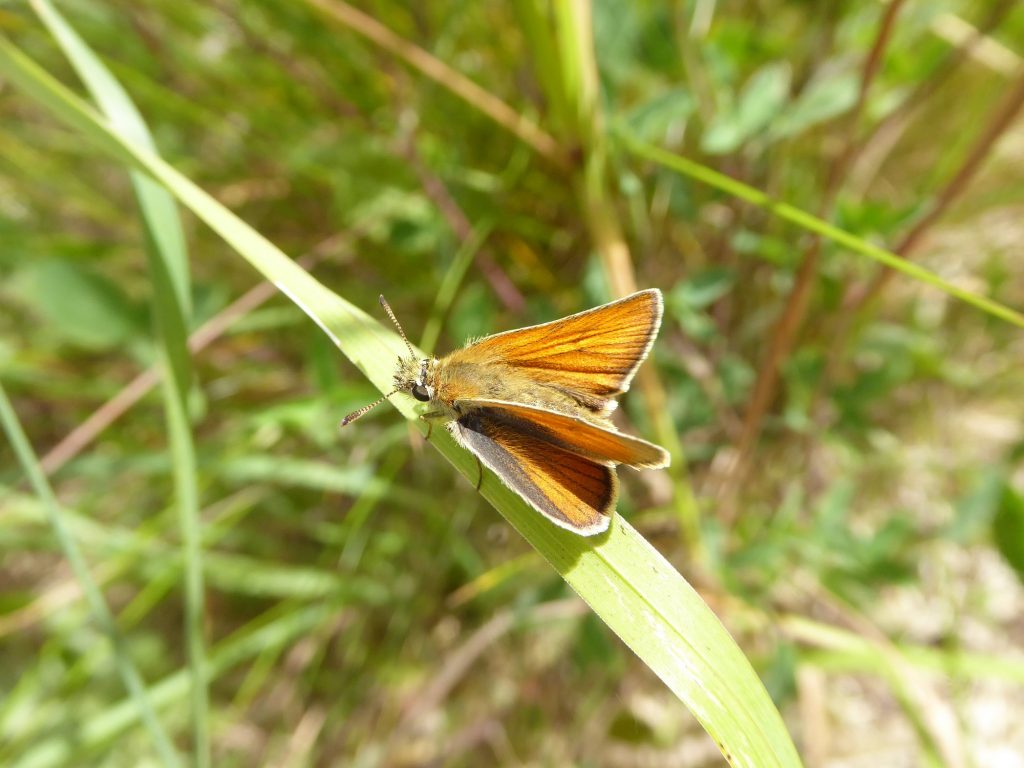 Small Skipper female. The sexes appear very similar; the male has a black diagonal line on his forewing upperside. Only known from two Kildare sites. © J.Harding.
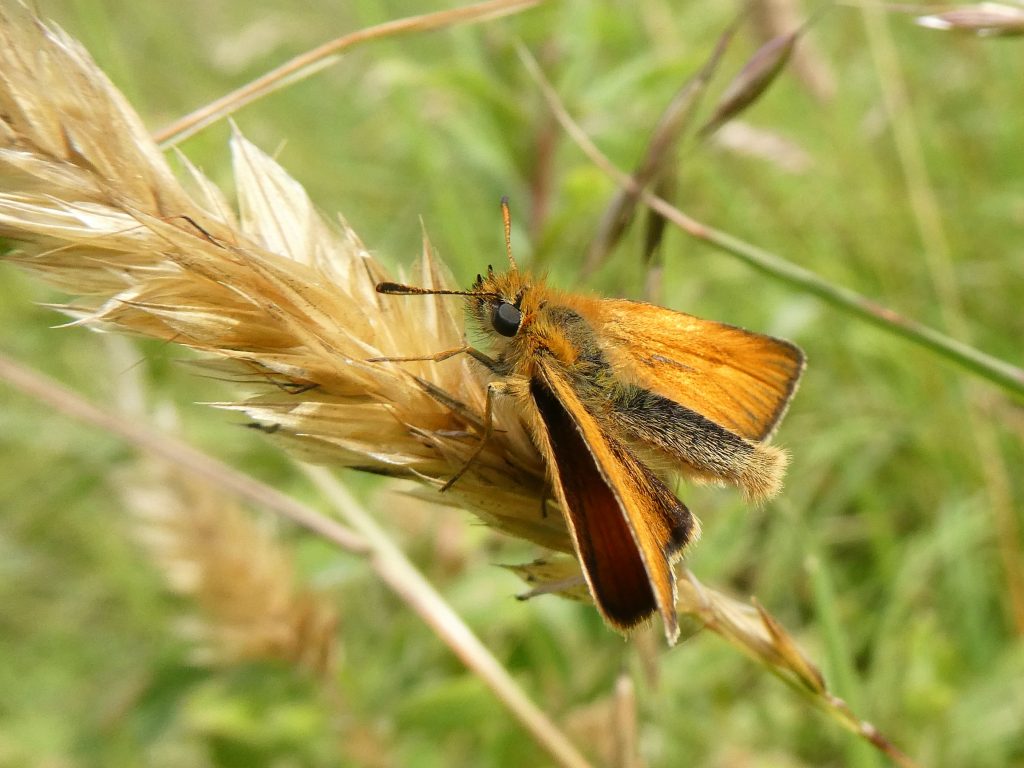 A rarity in Ireland, the Essex Skipper is found in a few lucky, hidden corners of north Kildare and, more generally, in south Wexford. This is a basking male. This species likes tall, dry grassland with a warm microclimate. © J.Harding.
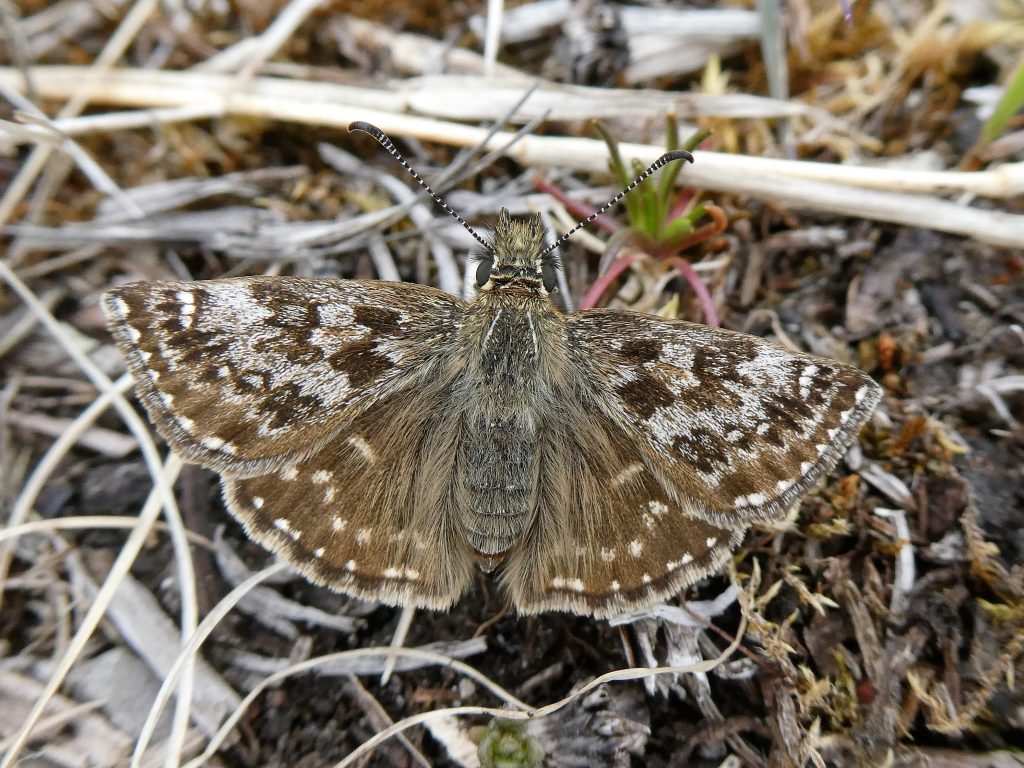 Dingy Skipper female; sexes are alike in appearance. © J.Harding.
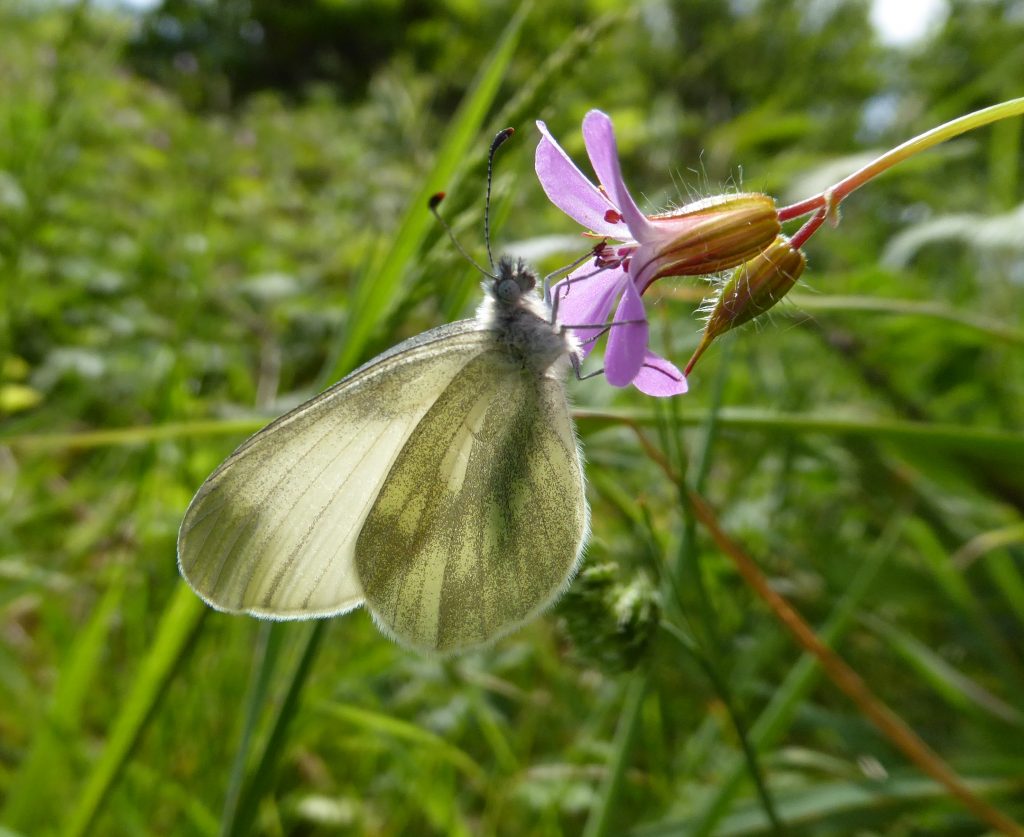 The Wood White requires dry, unfertilised grassland/scrub mosaics for its survival. The sexes are alike. Burren only and similar habitats outside the Burren in Clare and Galway. Settles with closed wings. © J.Harding.
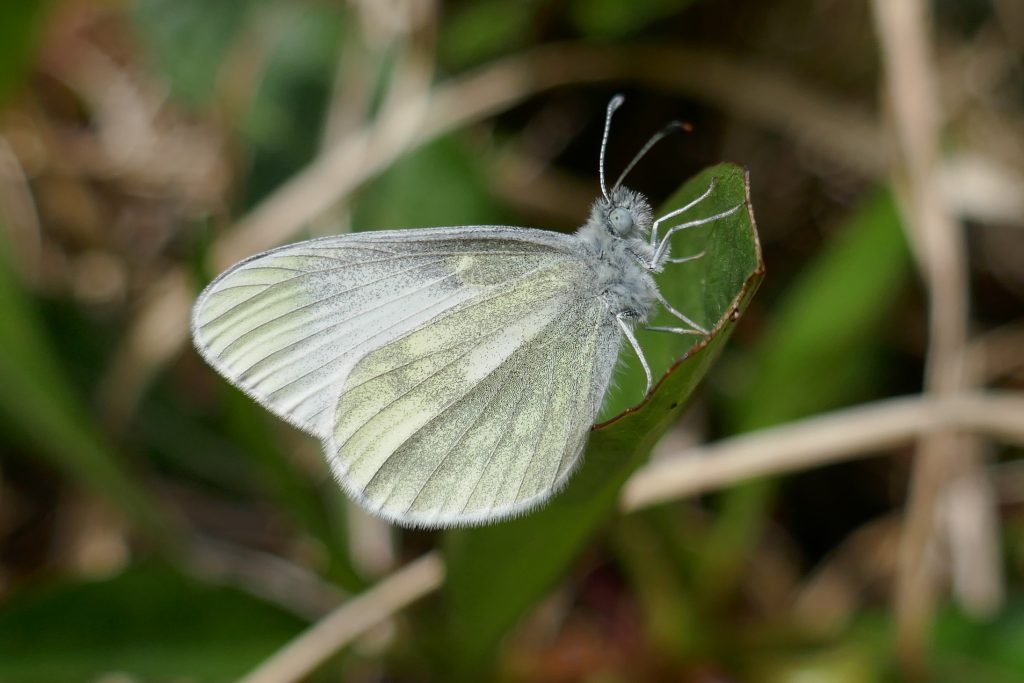 The Cryptic Wood White breeds on more open, grassy sites with scattered scrub outside the areas occupied by the morphologically identical Wood White. Settles with closed wings. © J.Harding.
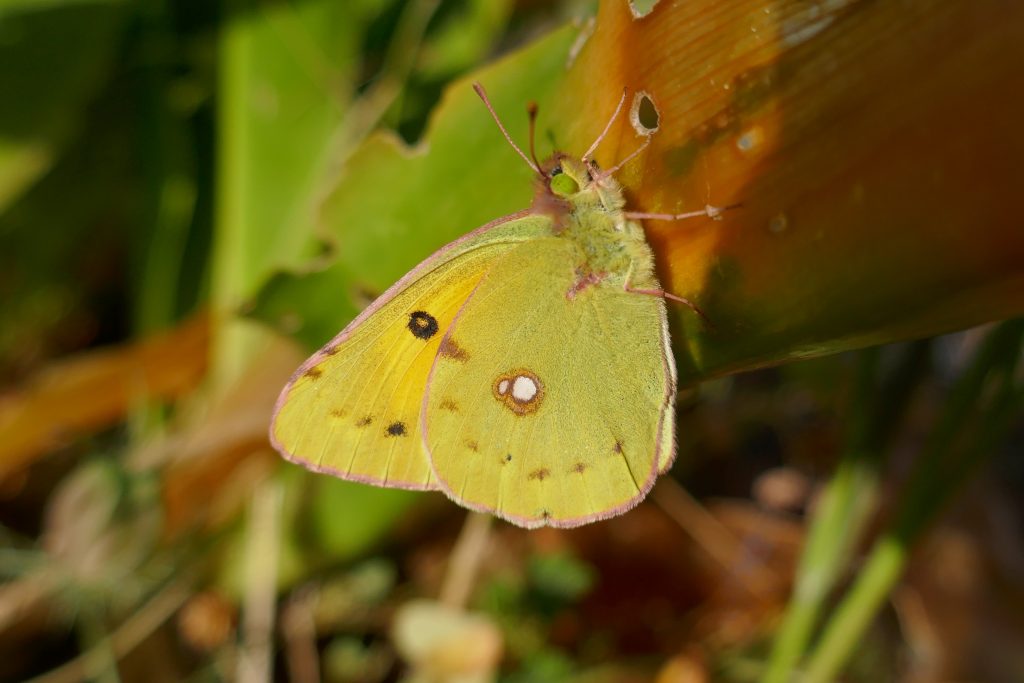 Clouded Yellow, Xlendi, Gozo. This migrant mainly appears in Ireland in small numbers in autumn, but in good years it is more numerous and widespread, appearing from spring into autumn. Settles with closed wings. © J.Harding.
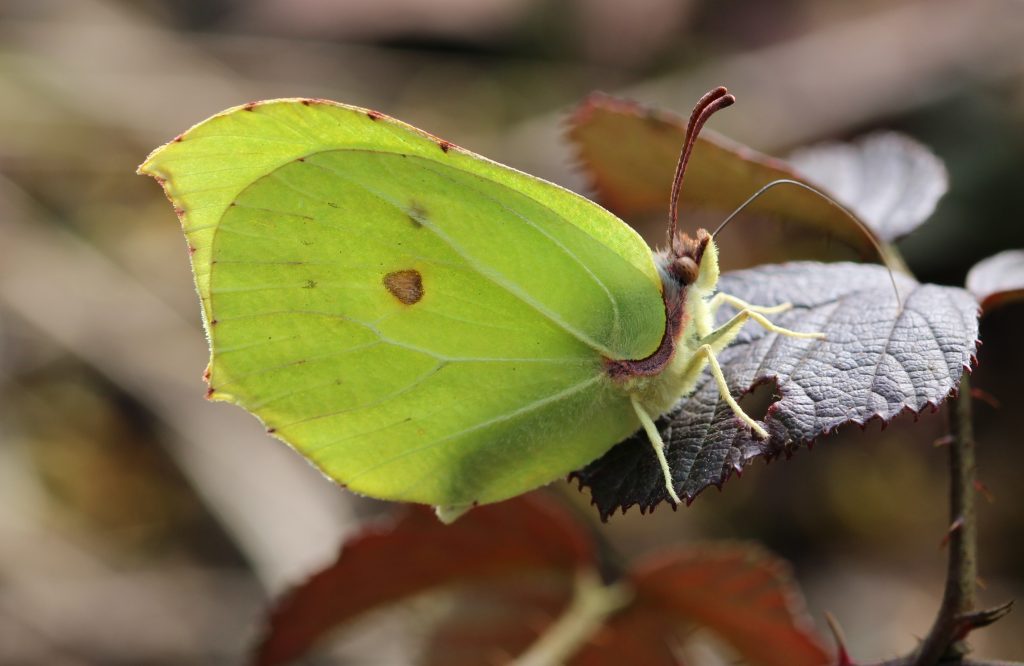 The Brimstone butterfly often emerges from hibernation in March. The male’s lovely daffodil yellow brings a splash of colour to a landscape still draped in its winter hues. It flies from March to June and from July to September. Settles with closed wings. © J.Harding.
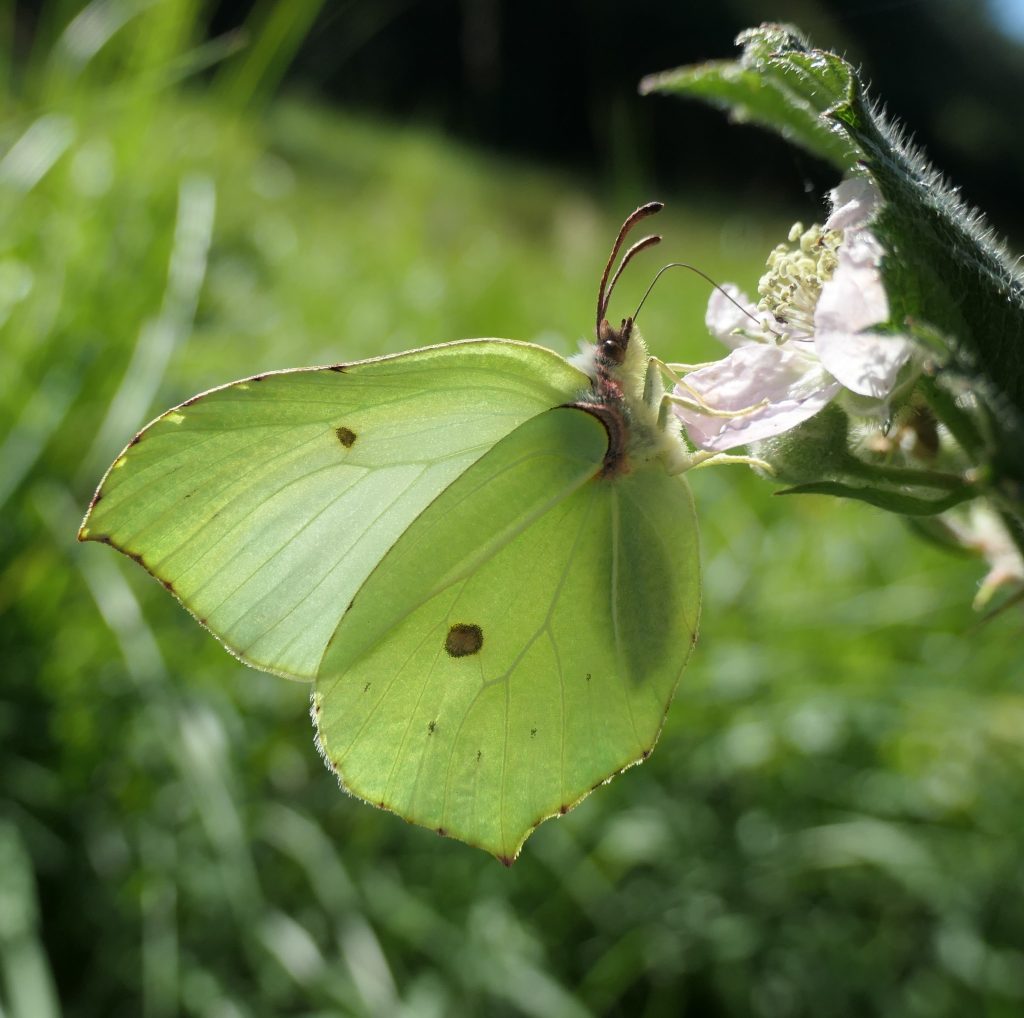 Brimstone female, 11th July 2025. Females are much paler than males and mistaken for the Large White. Unlike all other white and yellow butterflies in Ireland, the Brimstone has no black markings. © J.Harding.
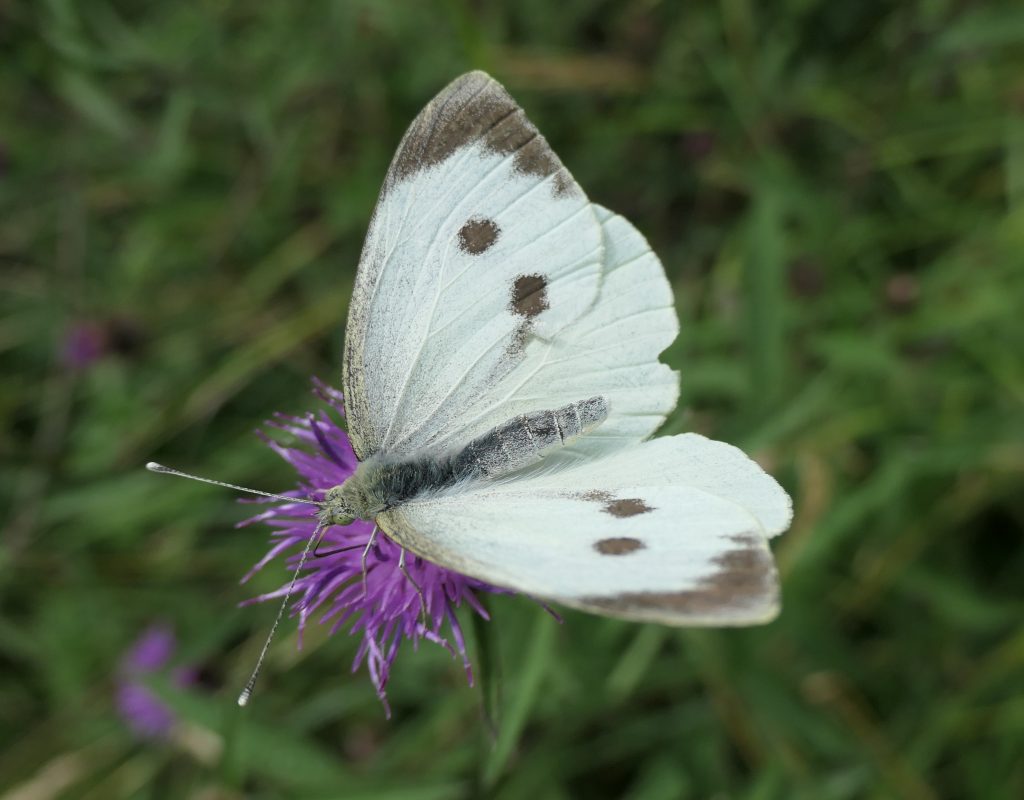 Large White female. The apical patch on the forewing extends an equal distance along the costa and termen, unlike in the Small White.© J.Harding.
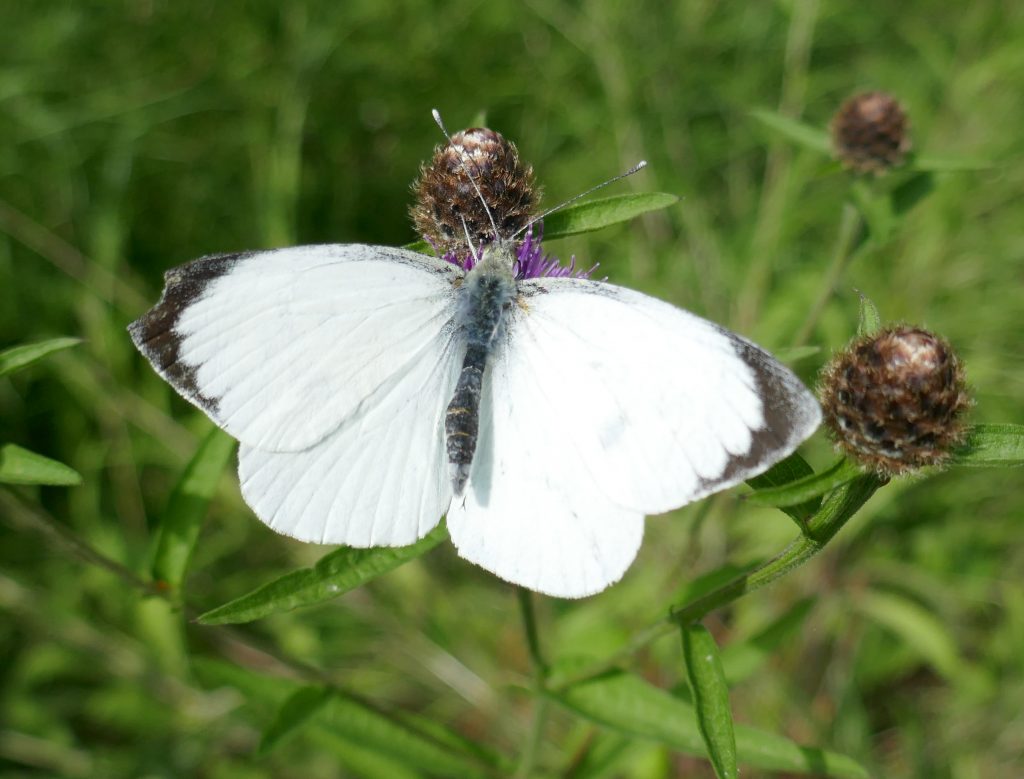 The male Large White has no black spot on its upper sides, but it does have a forewing spot on the underside of the forewing. Its upper sides are clear white with a forewing tip that is more extensive than in its smaller white relatives. © J.Harding.
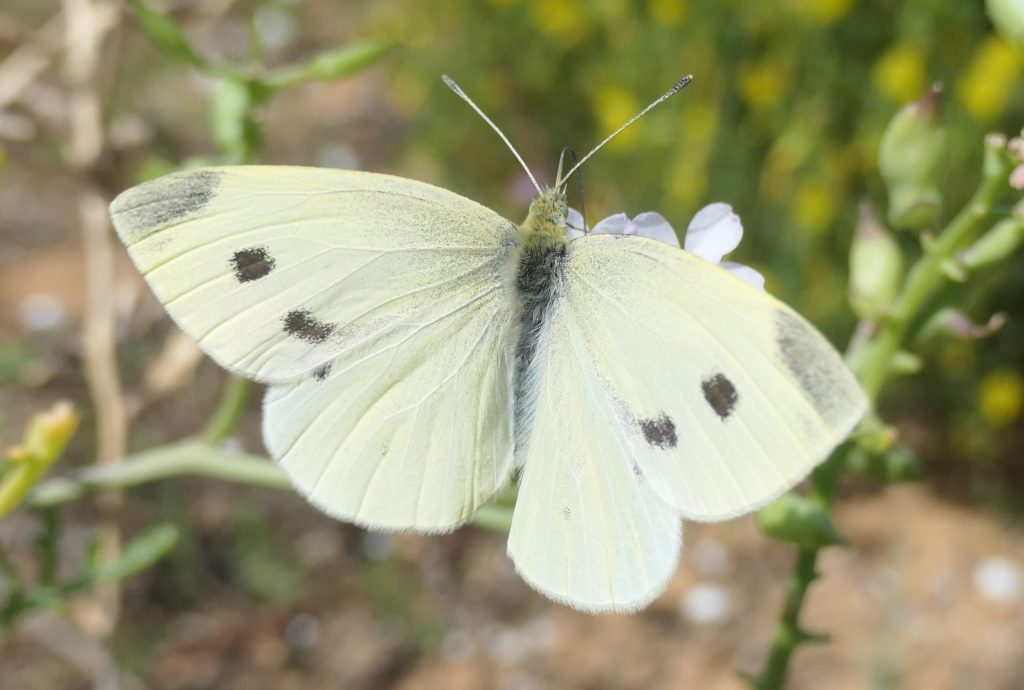 Small White female. Note the yellow tinge; most are milky white on their uppersides. © J.Harding.
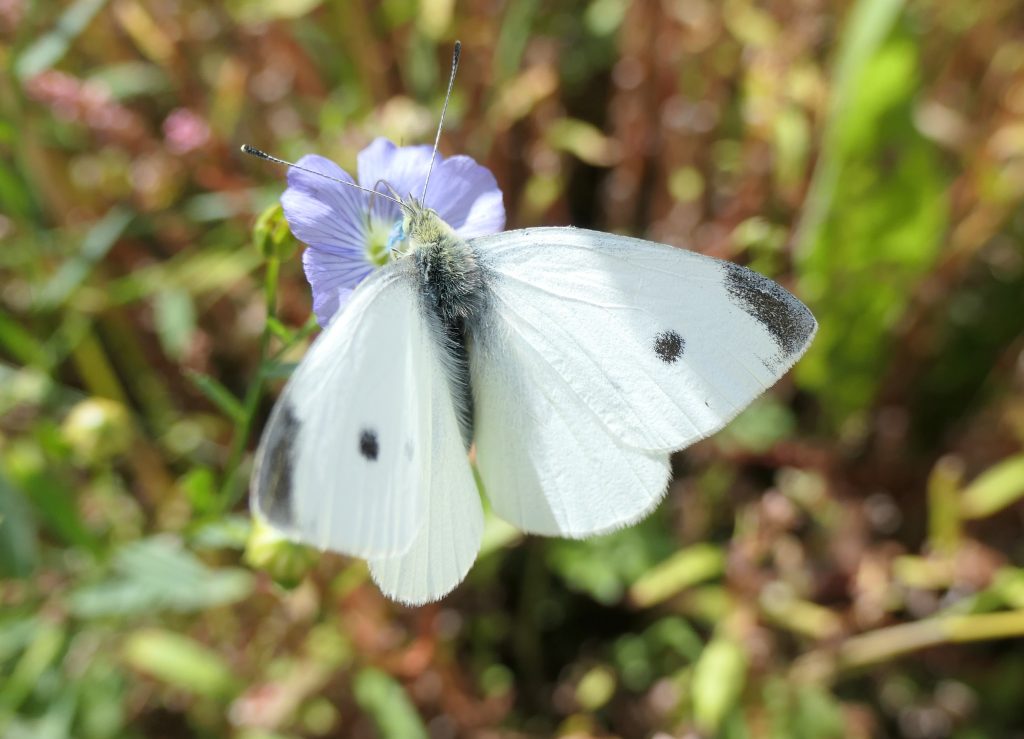 Small White male. Here, the apical patch extends further down the costa (leading edge of the forewing) than along the termen (outer edge). © J.Harding.
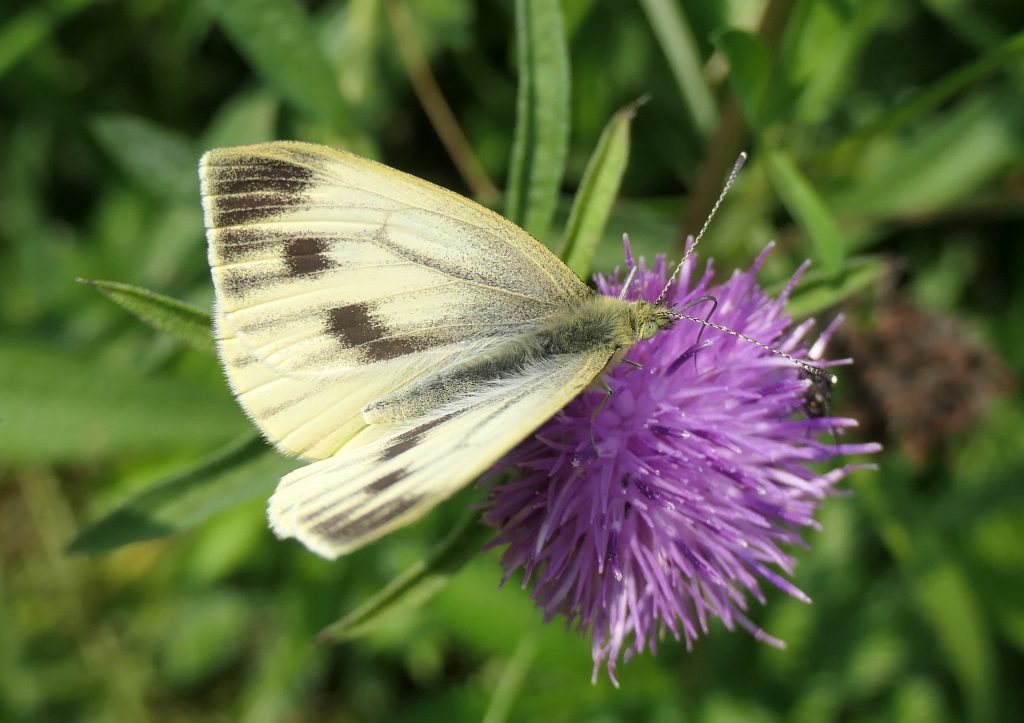 The upperside of the female Green-veined White shows the veins picked out in black. The Large White and Small Whites also show two spots on the forewing upperside but no vein markings. © J.Harding.
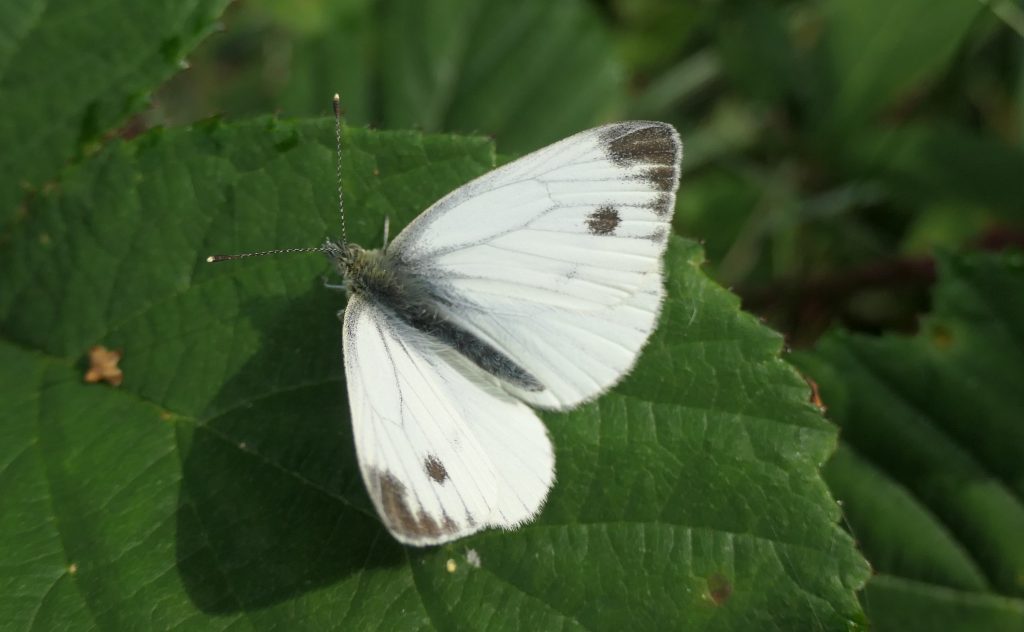 The male Green-veined White has a single spot on his forewing upperside. © J.Harding.
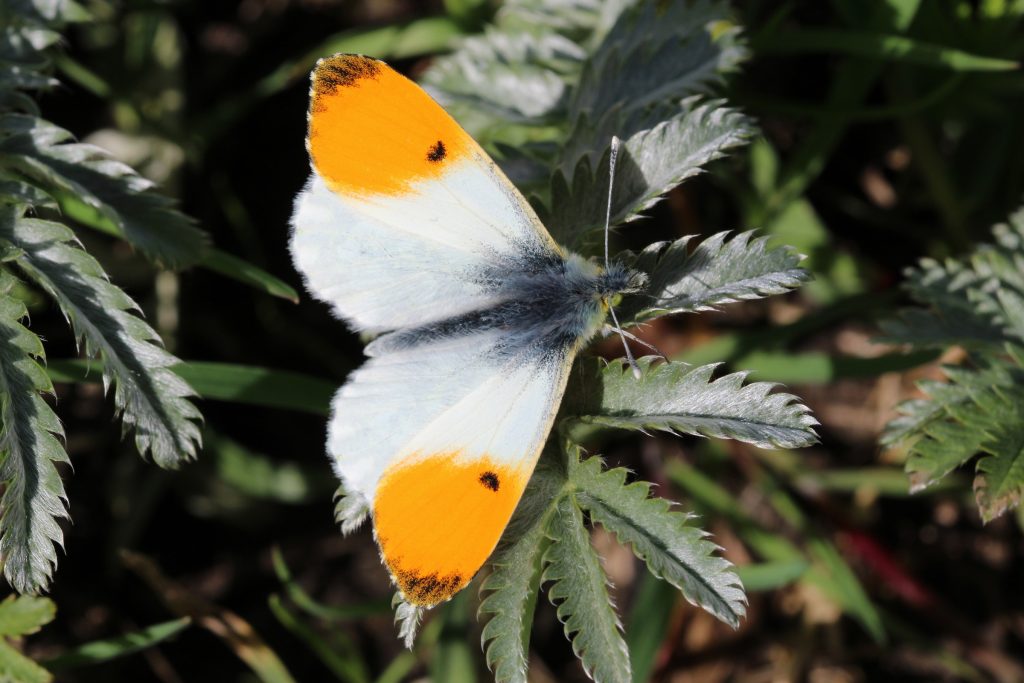 Orange-tip male upperside; the butterfly mainly flies in April and May, in one generation. © J.Harding.
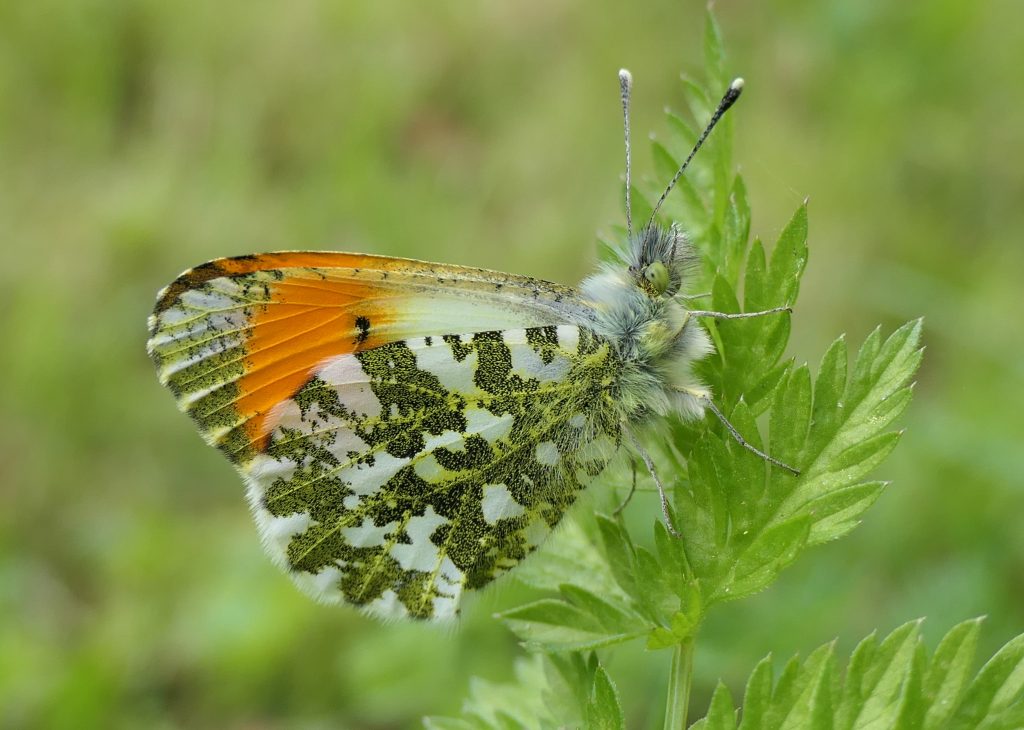 Male Orange-tip underside. © J.Harding.
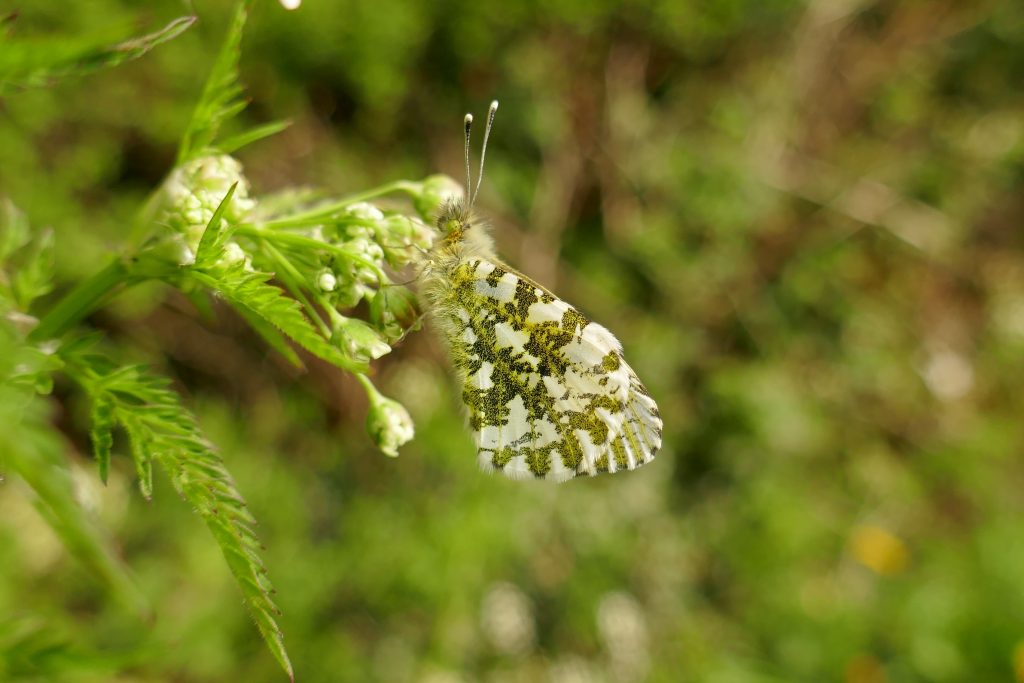 The Orange-tip has mossy undersides in both sexes. The female upperside lacks the orange patch; she is white with a black apical patch. © J.Harding.
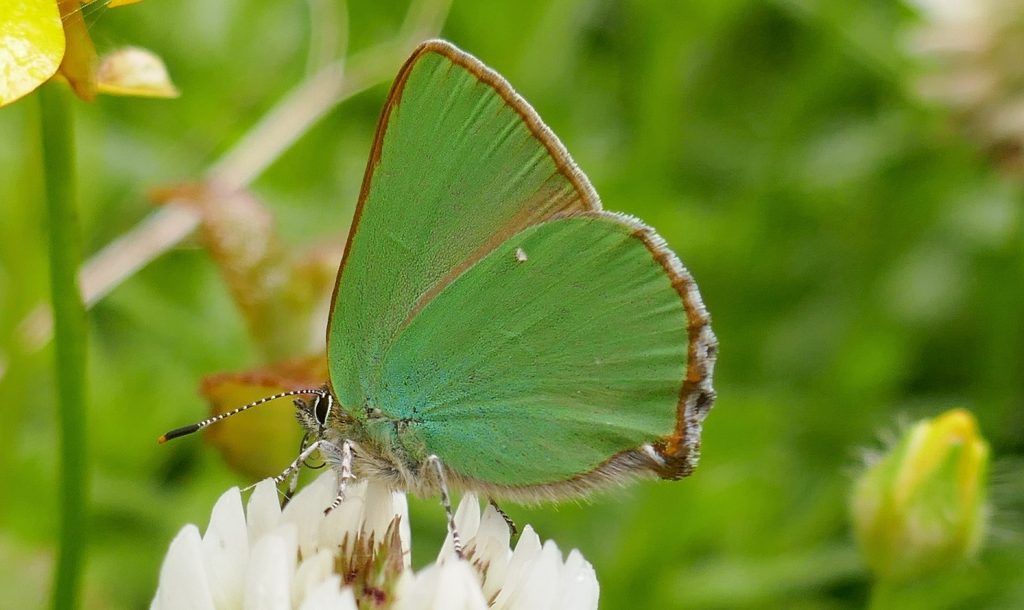 Green Hairstreak; sexes are alike. Settles with closed wings. © J.Harding.
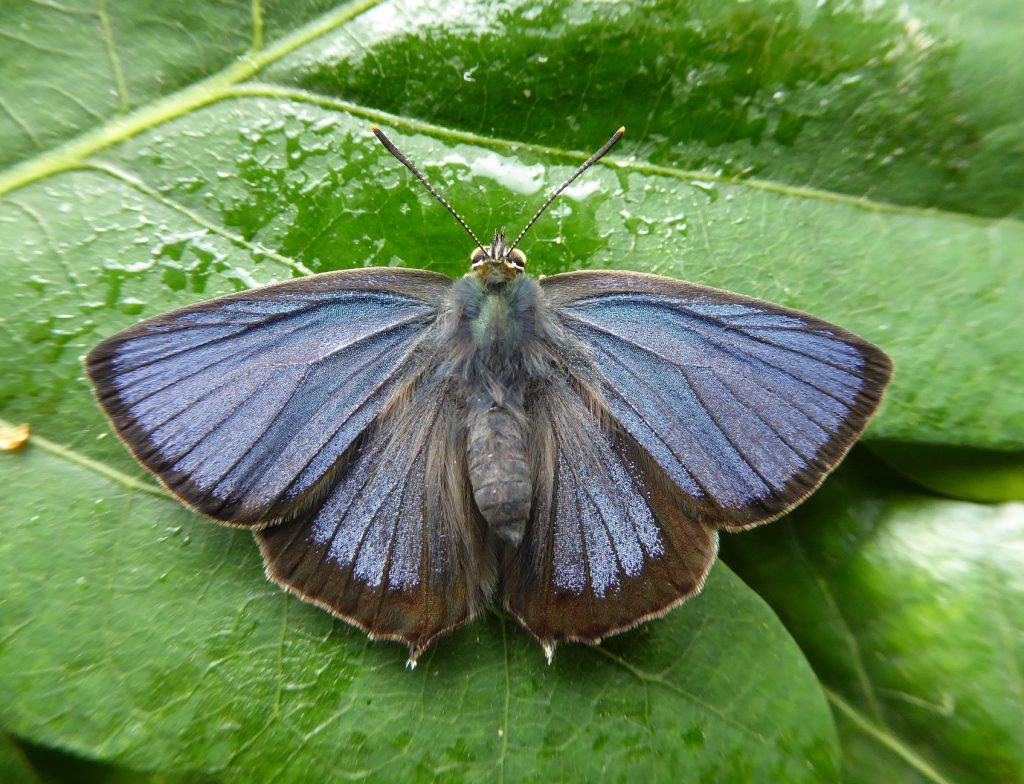 Purple Hairstreak male above and female below. © J.Harding.
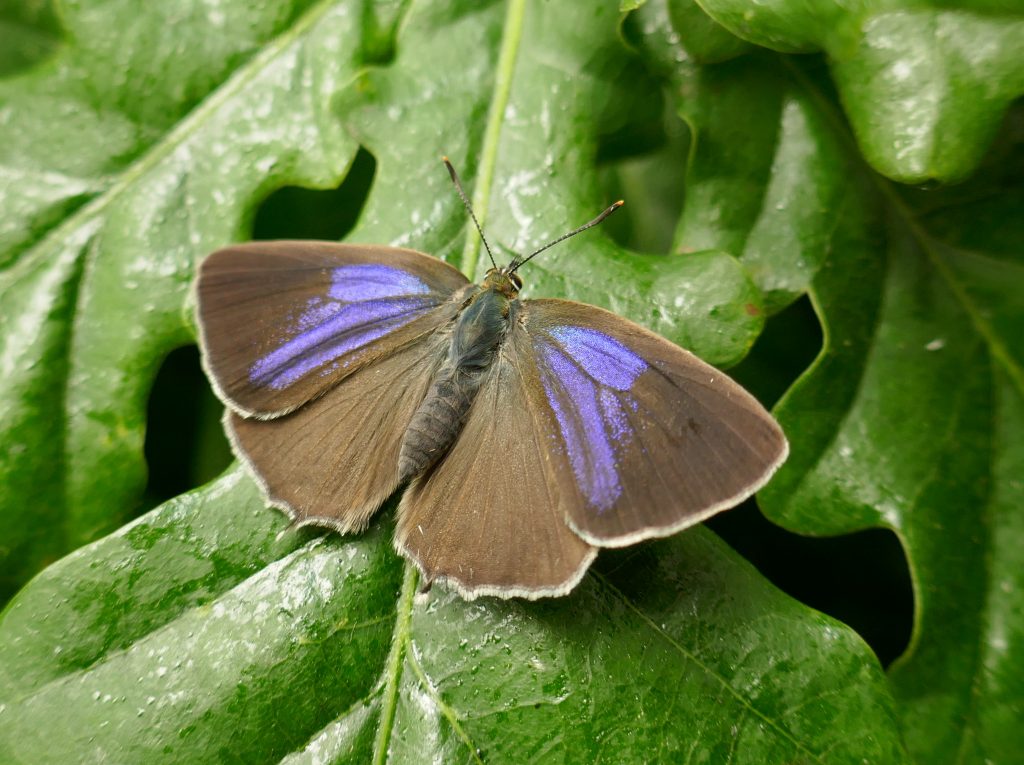 Purple Hairstreak female. © J.Harding.
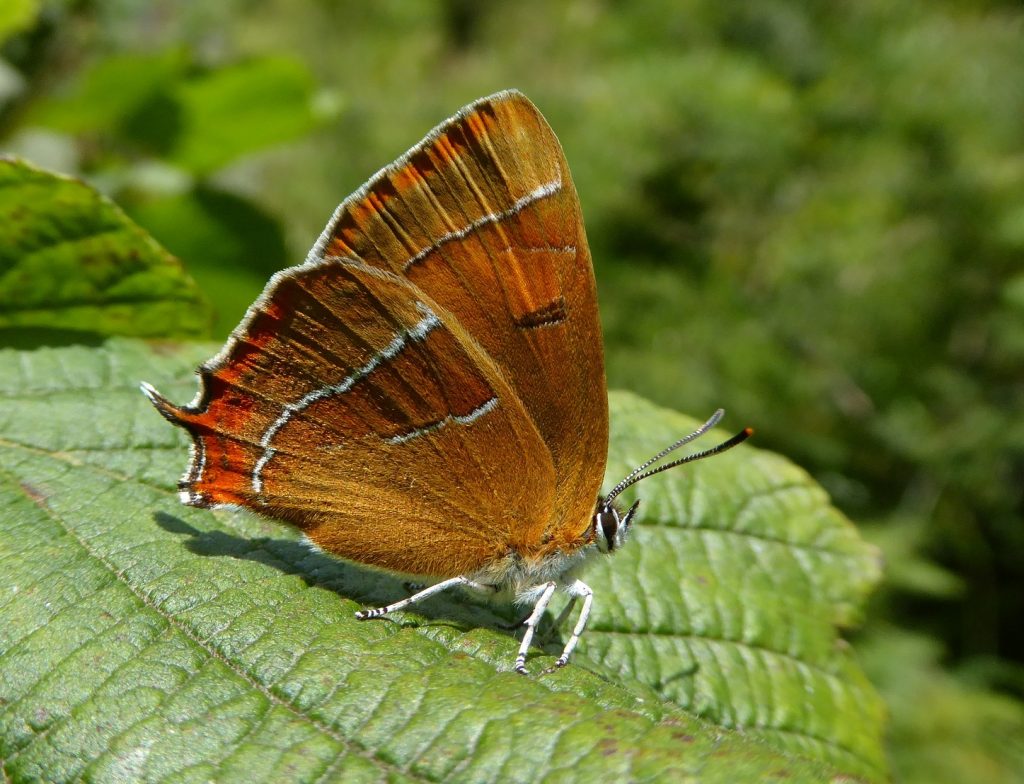 The Brown Hairstreak relies on hedgerows, scrub and adjoining biodiverse grassland in the Burren and outlying areas in Galway and Mayo. Sexes alike on their undersides; both have dark brown uppersides, but the female only has an orange patch on the forewing upperside. © J.Harding.
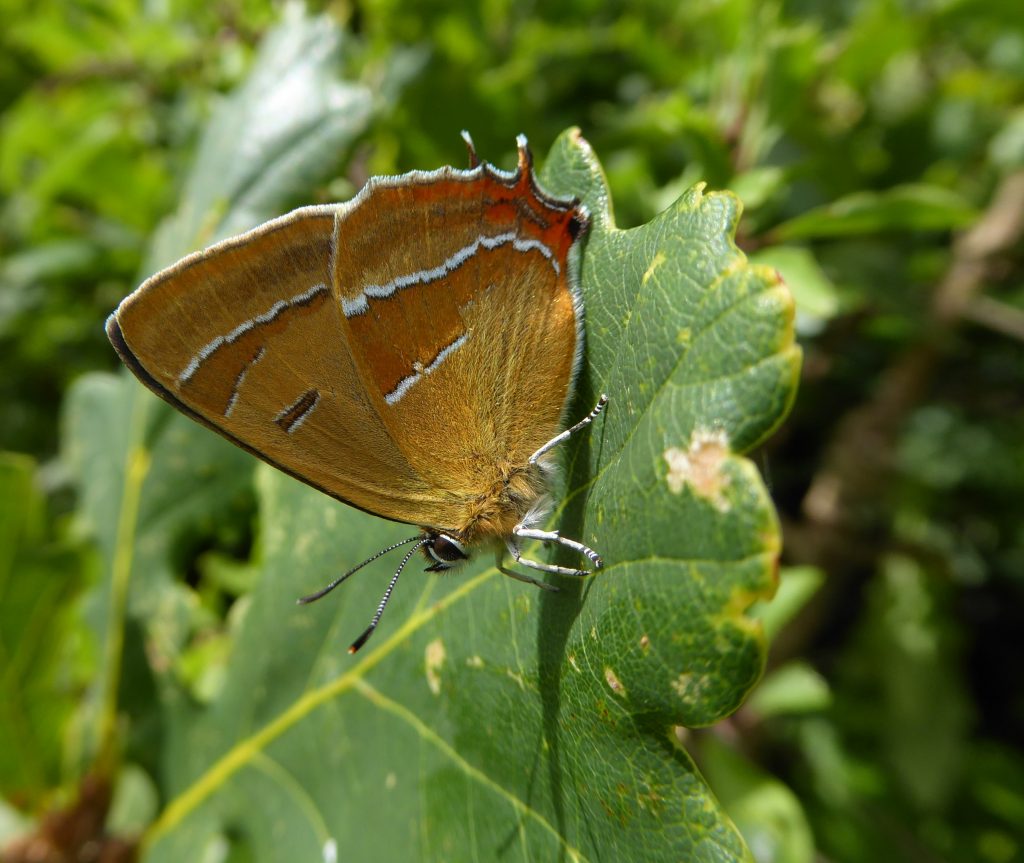 Brown Hairstreak, male, Knockaunroe, Co. Clare. The male’s underside is slightly paler in colour. https://butterflyconservation.ie/wp/gallery/
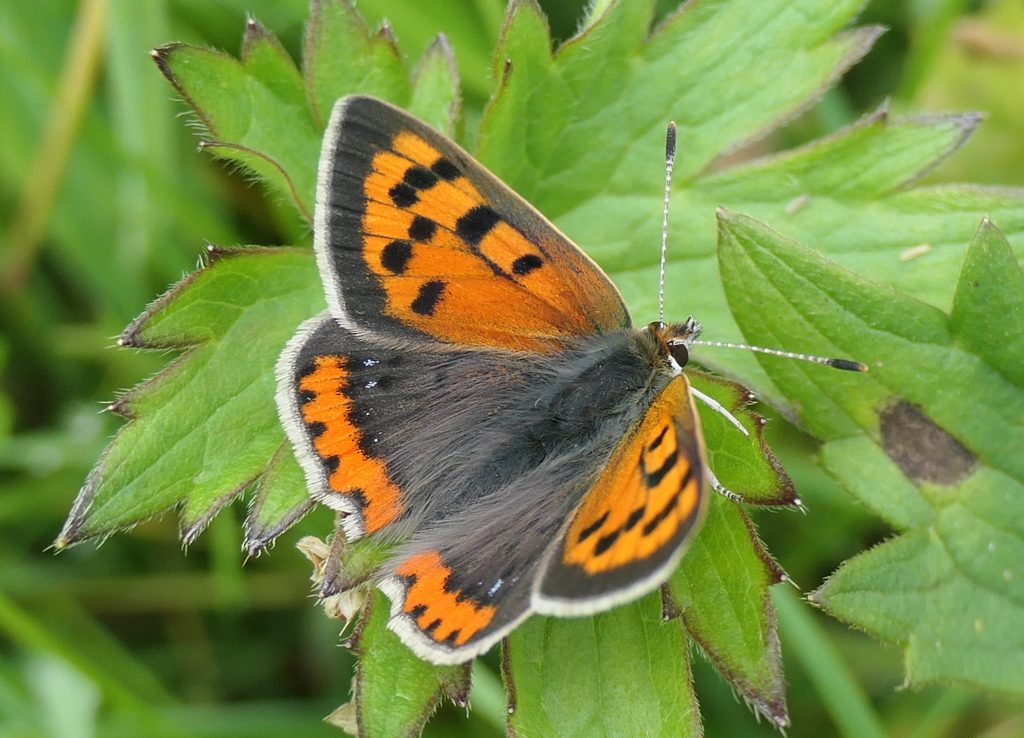 Small Copper butterfly. Sexes alike. © J.Harding.
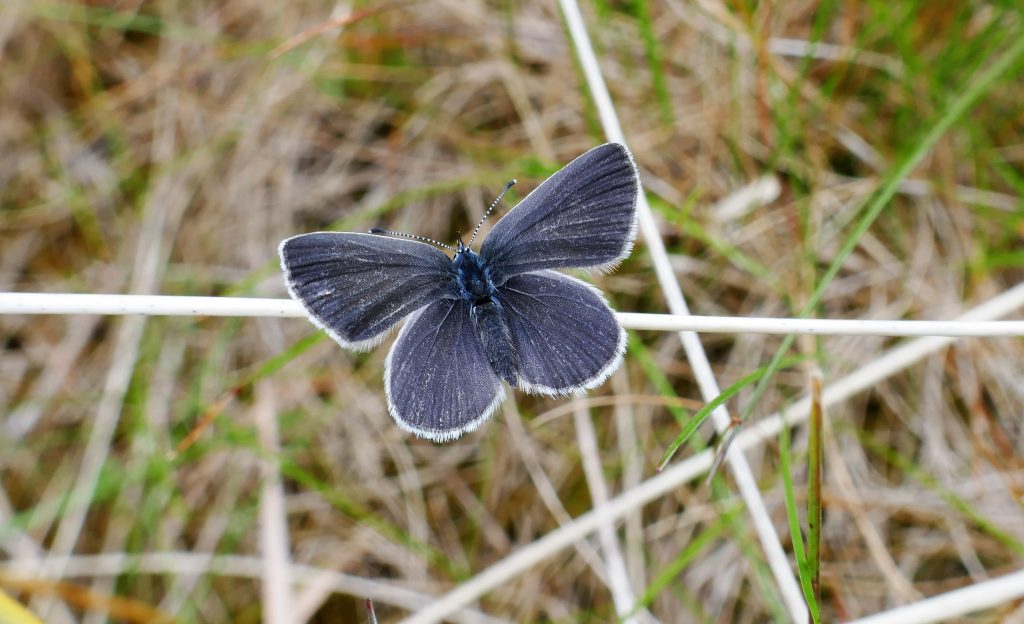 A female Small Blue, lightly worn, basks on a dry grass blade at Mornington, County Meath.
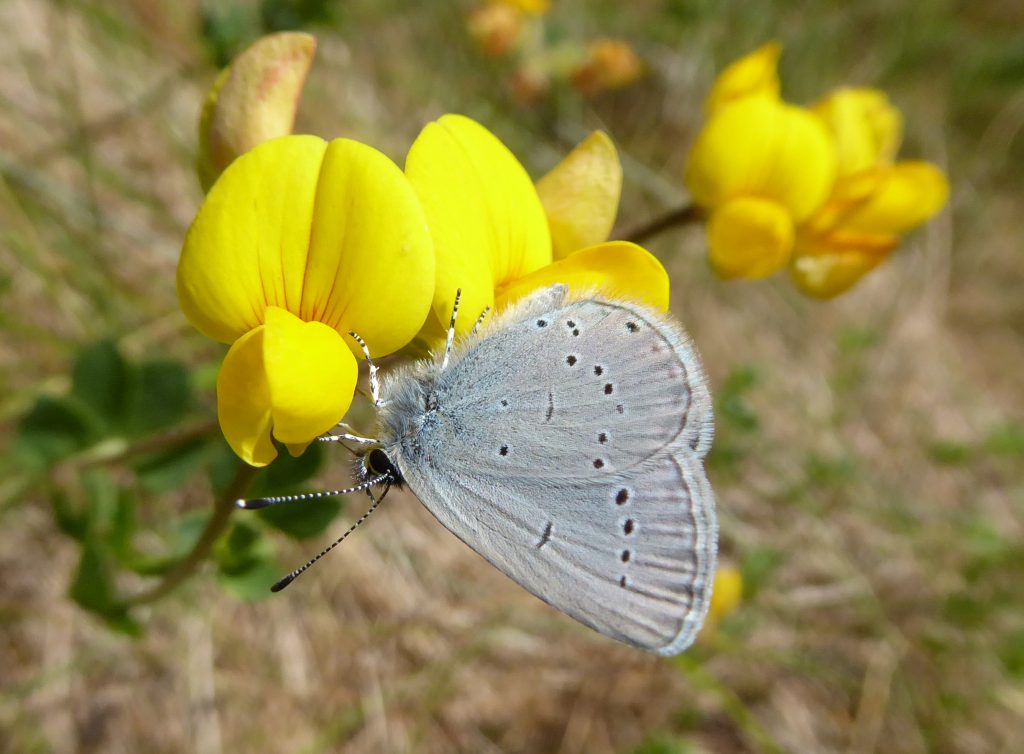 The Small Blue showing its undersides. © J.Harding.
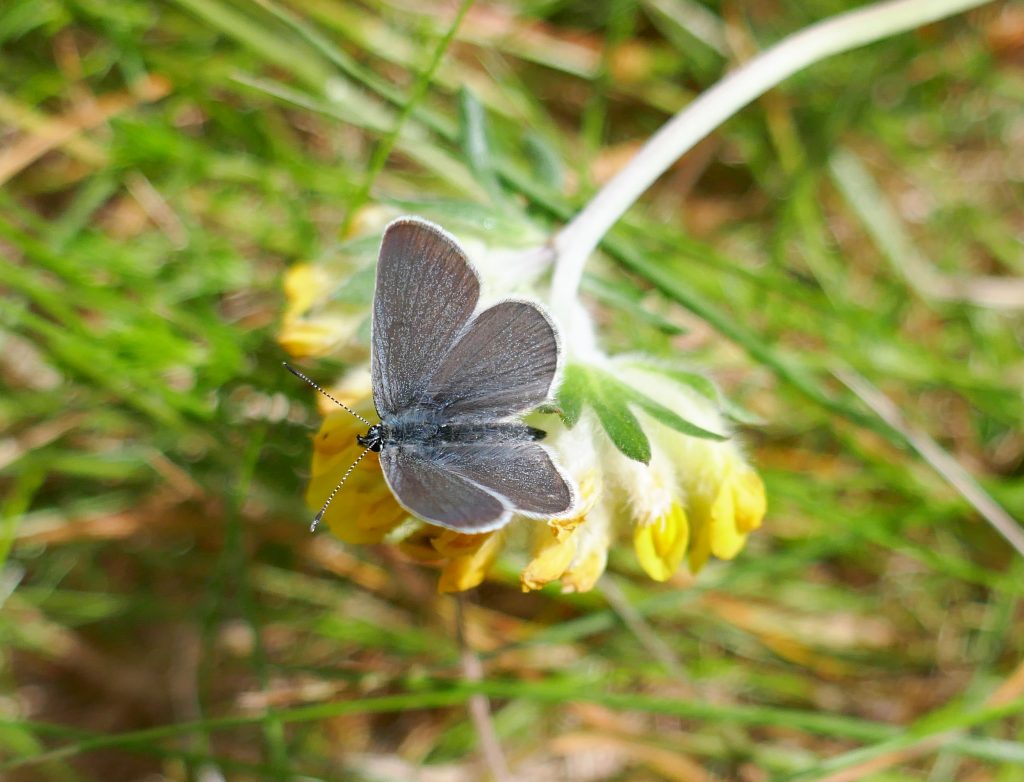 Male Small Blue poses on Kidney Vetch at Mornington. The male only has a dusting of blue scales on his uppersides. His abdomen is also notably thinner. © J.Harding.
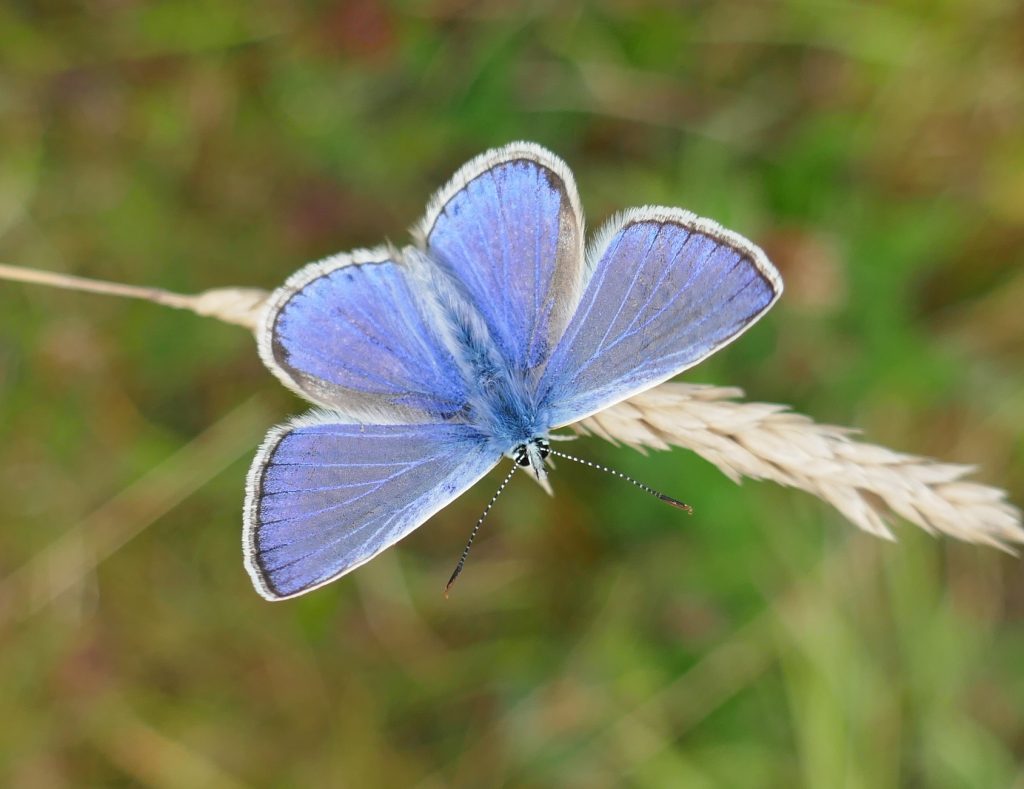 The Common Blue (male pictured) is widespread in Ireland. The species flies in at least two generations annually and responds to summer drought by producing very small individuals in late summer. In some years it flies into early October. © J.Harding.
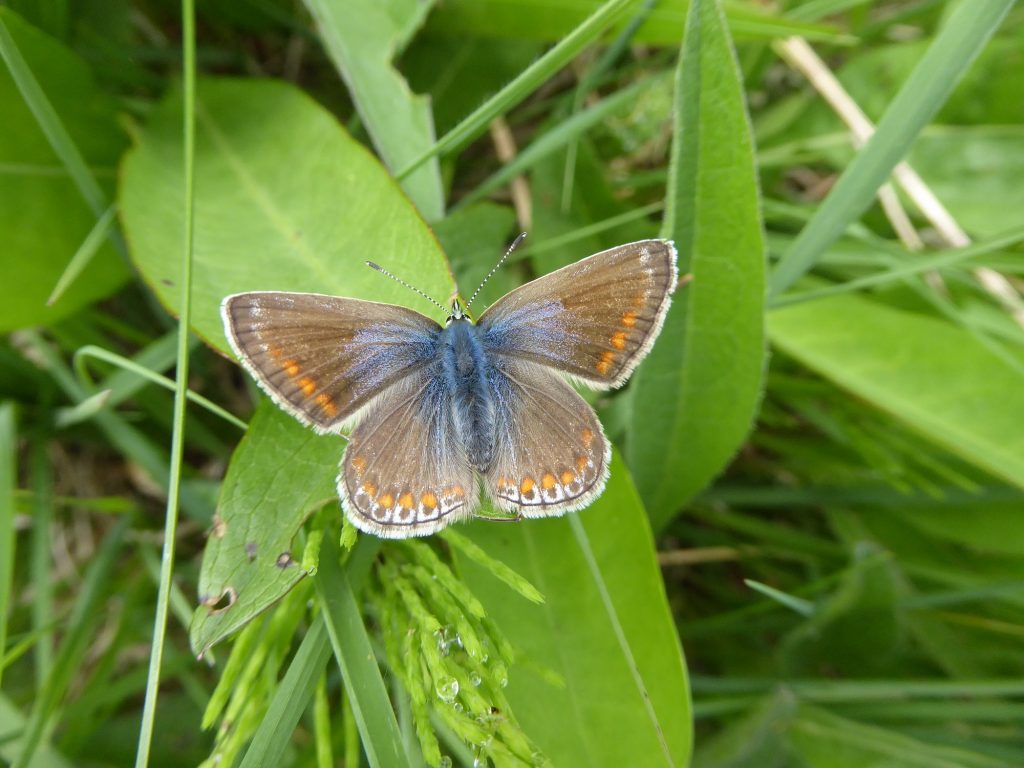 Common Blue female. Some females are mainly brown on their uppersides, while others are mainly blue. Among the blue butterflies found in Ireland, only the Common Blue has orange markings. © J.Harding.
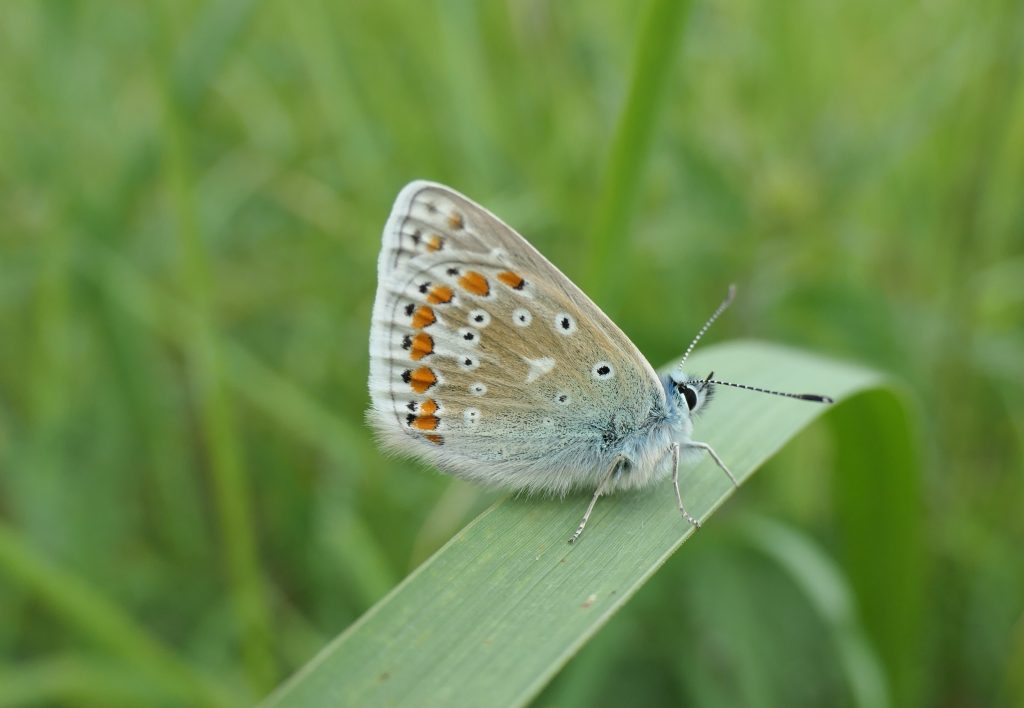 The Common Blue underside. © J.Harding.
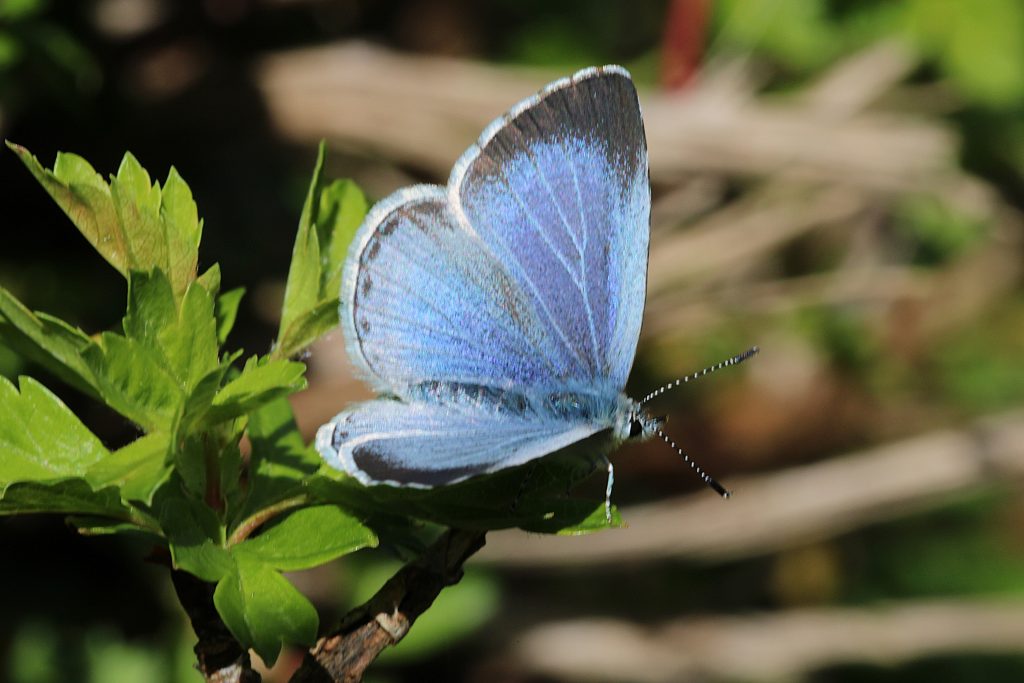 The Holly Blue is the greatest fan of our gardens. It loves gardens even more than wild habitats! This is a female. © J.Harding.
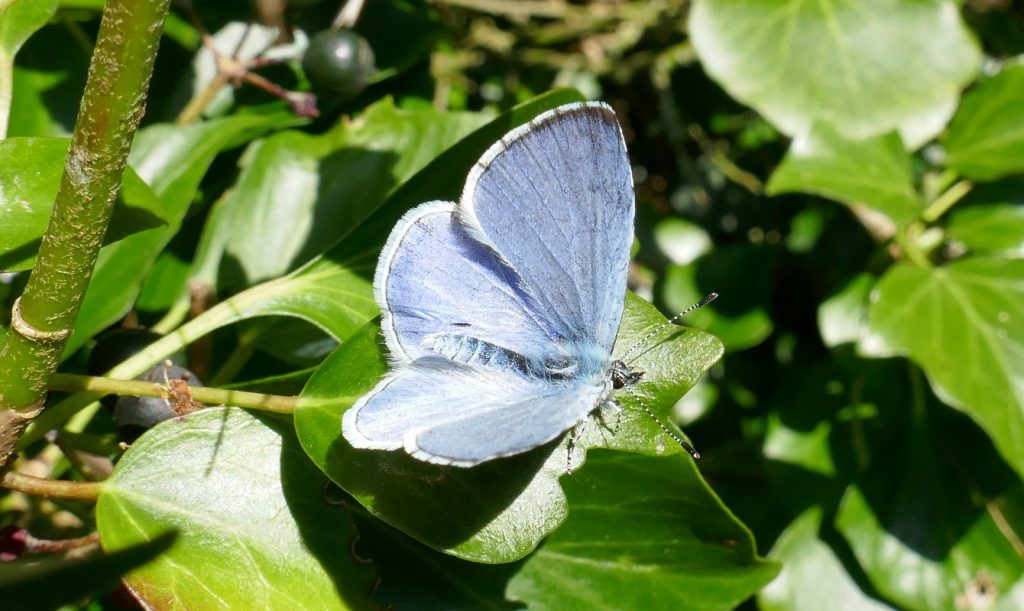 Holly Blue, male, basking on Ivy. © J.Harding.
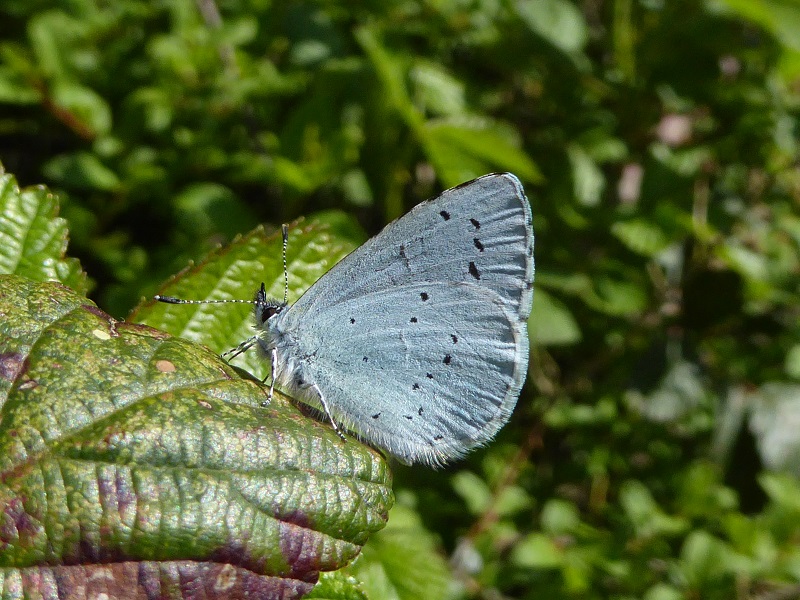 Holly Blue underside; this looks the same in both sexes. © J.Harding.
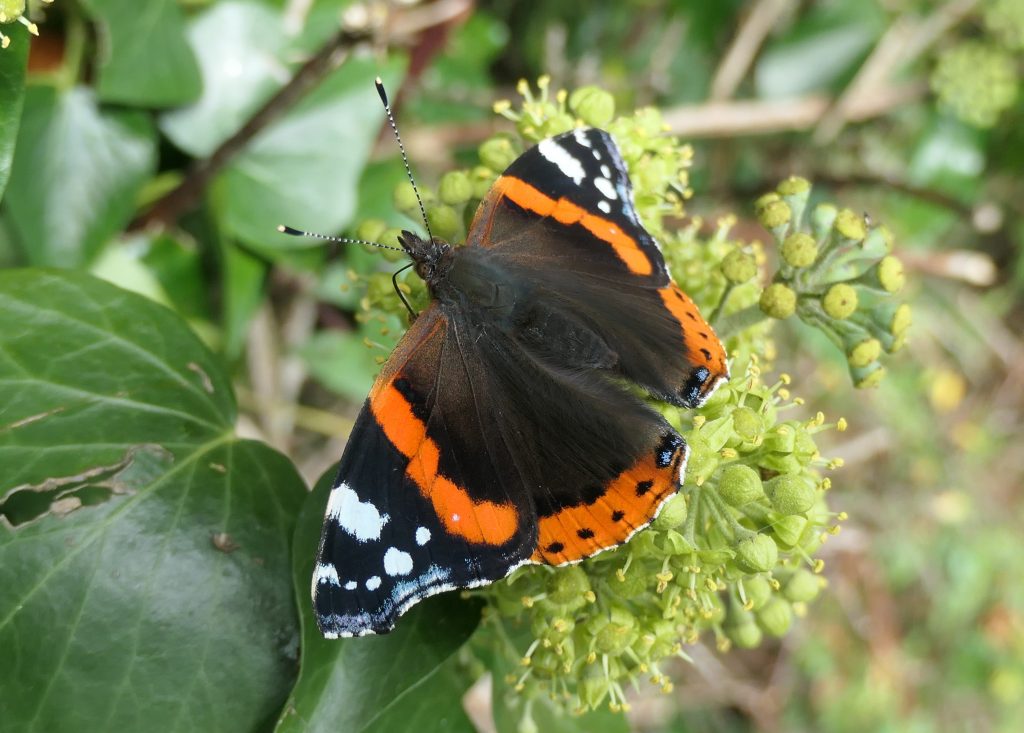 The Red Admiral: sexes appear alike. © J.Harding.
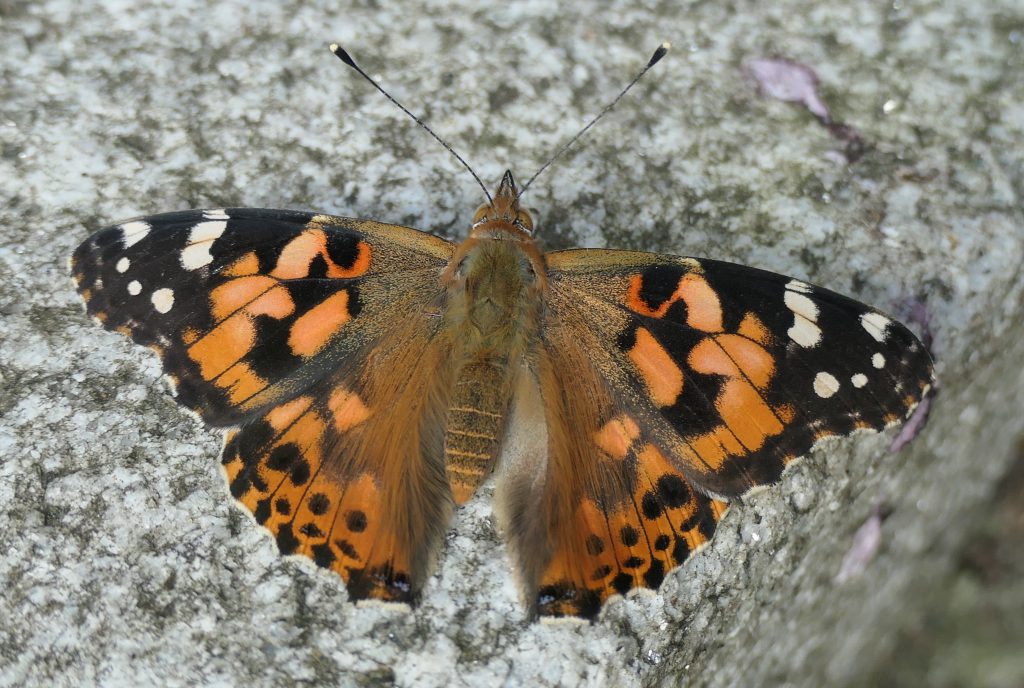 Painted Lady basking in August 2025. Sexes alike. © J.Harding.
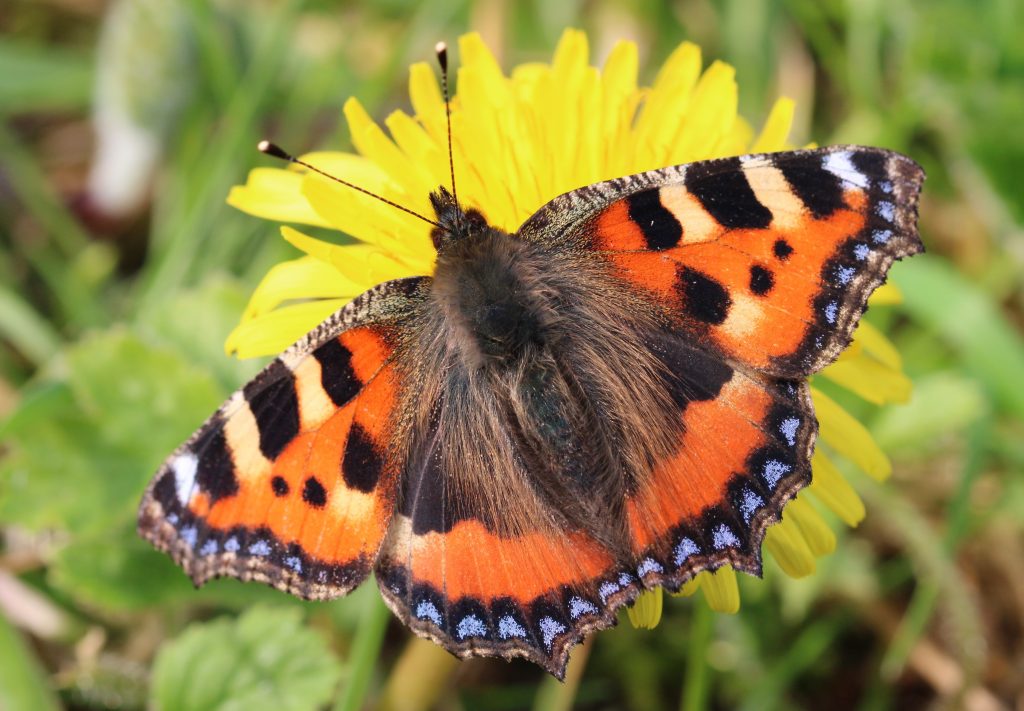 The Small Tortoiseshell is the only Irish butterfly that regularly overwinters in occupied houses. Sexes alike. © J.Harding.
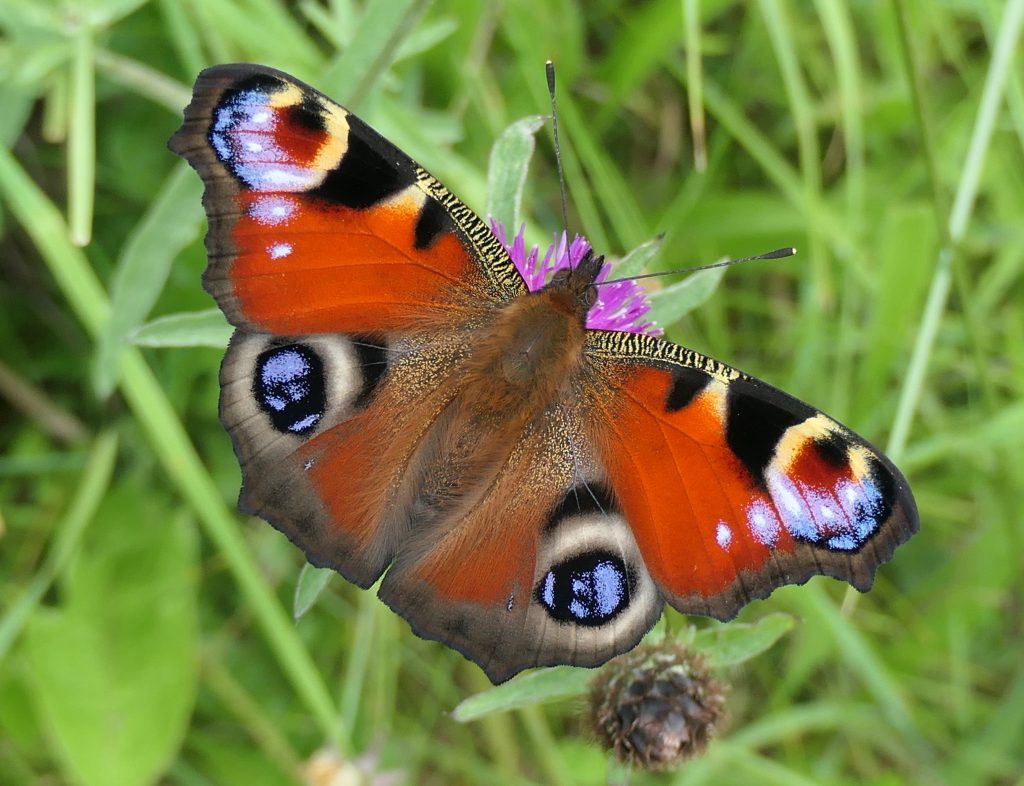 Peacock, 18th July 2025. On current knowledge, the Peacock has a single generation in Ireland. Sexes alike. Undersides black with rusty markings. © J.Harding.
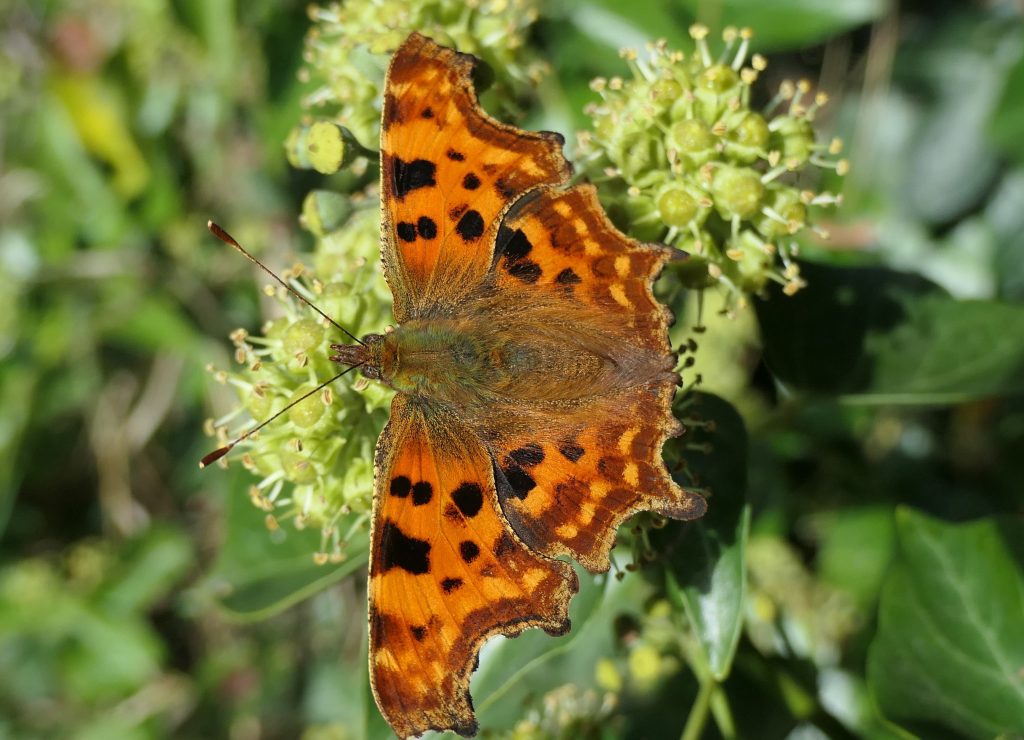 The dark form of the Comma. This is the overwintering form. Sexes look very similar. © J.Harding.
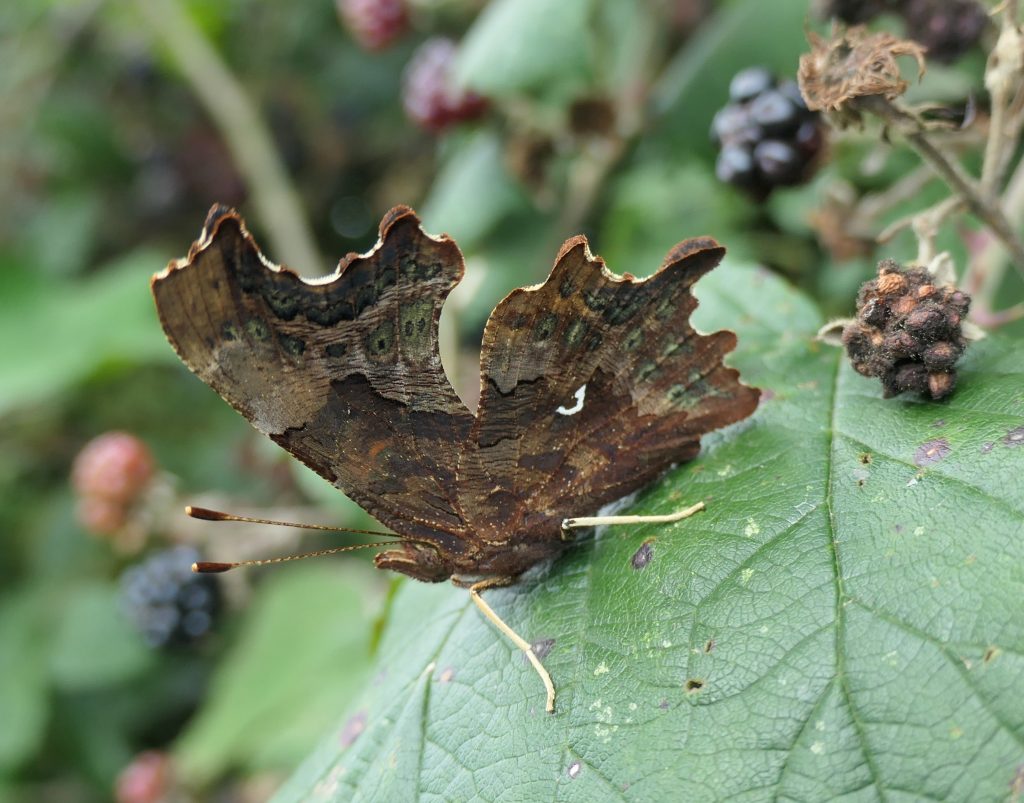 Comma dark form underside. It is designed to overwinter among dead leaves in dense cover, in scrub, woodland and dense, double-sided hedges. © J.Harding.
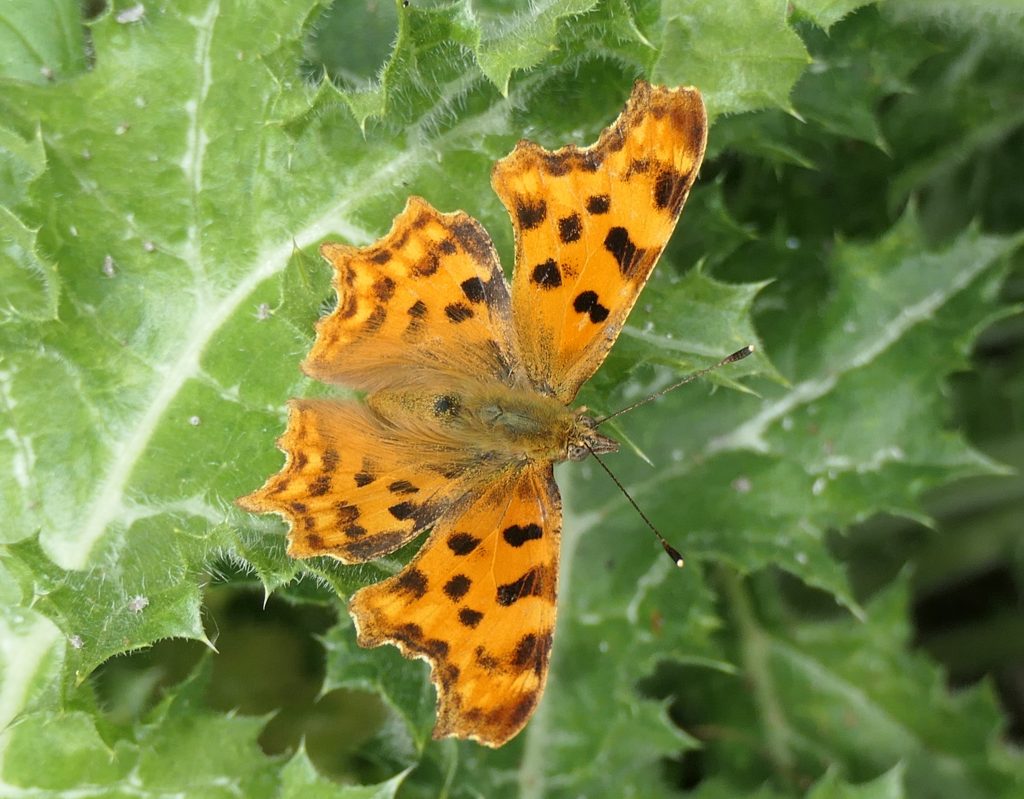 This first-generation Comma (which emerged in Rome early in May) is the pale form of the butterfly, and breeds soon after hatching. In Ireland, this form of the Comma does not usually appear until July. © J.Harding.
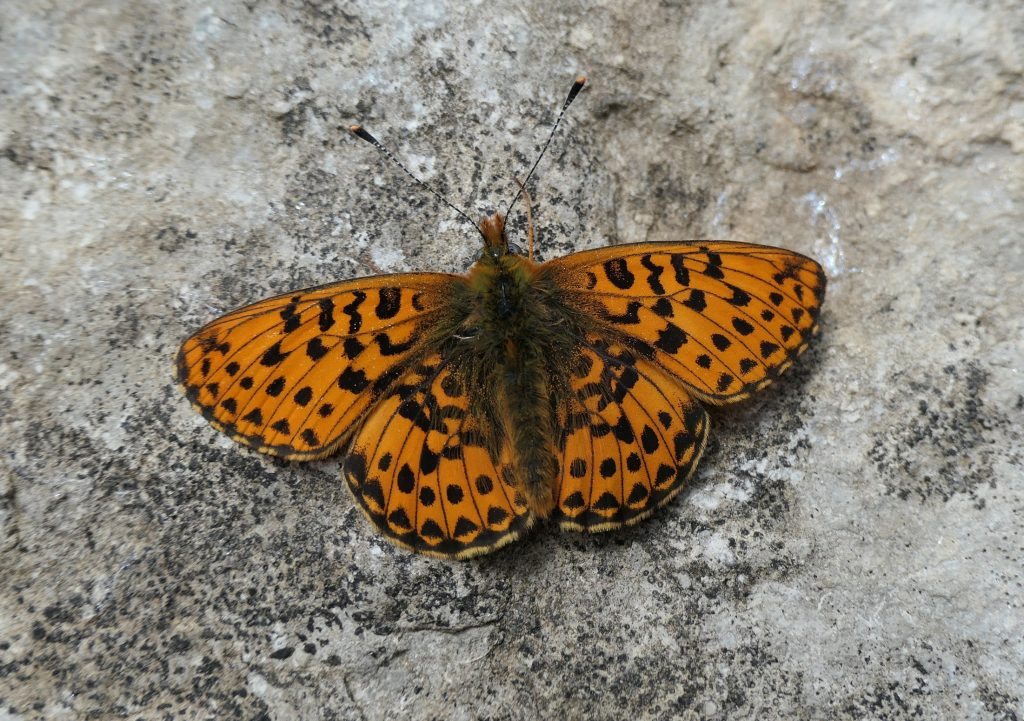 Pearl-bordered Fritillaries, like this male, enjoy basking on limestone. Burren only; flies late April to early or mid-June. Sexes similar. © J.Harding.
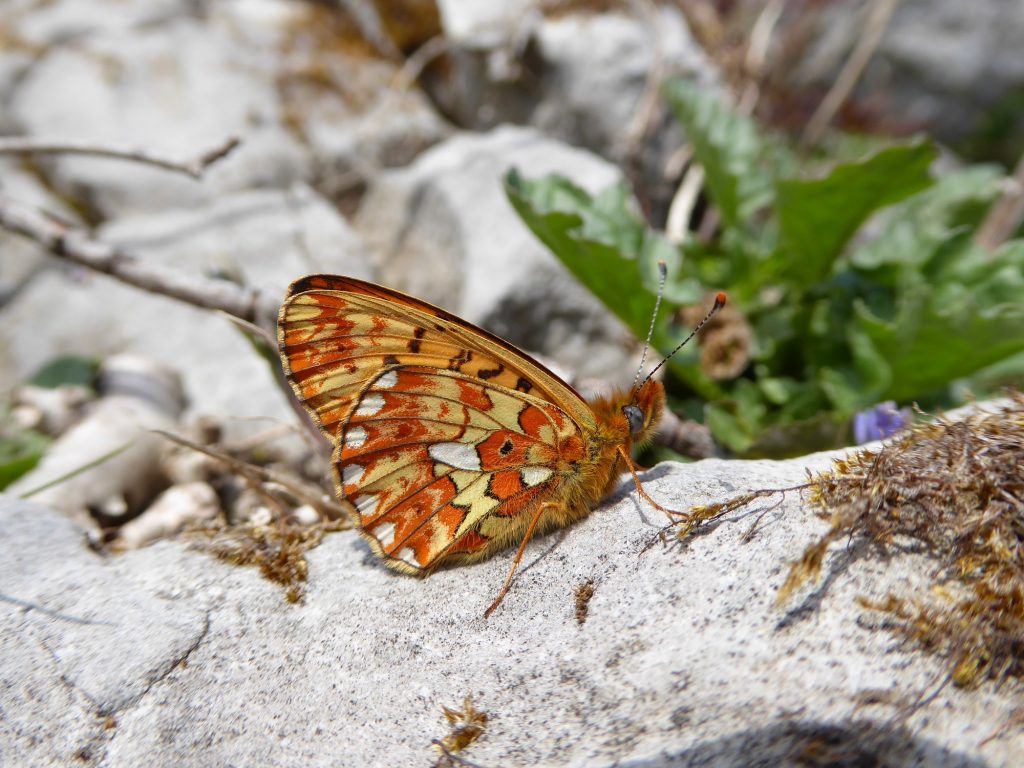 The Pearl-bordered Fritillary is named for the seven pearls bordering the underside of the hindwing. © J.Harding.
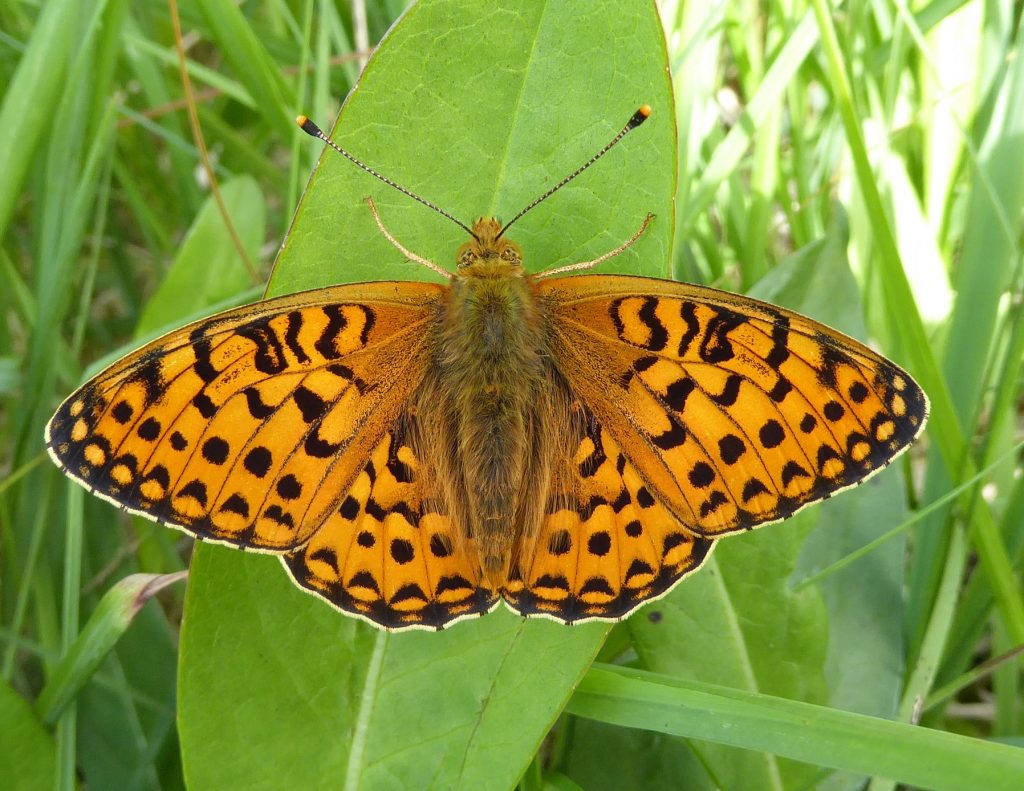 Dark Green Fritillary male. Local; mainly coastal; needs unpolluted grasslands rich in flora and violets. © J.Harding.
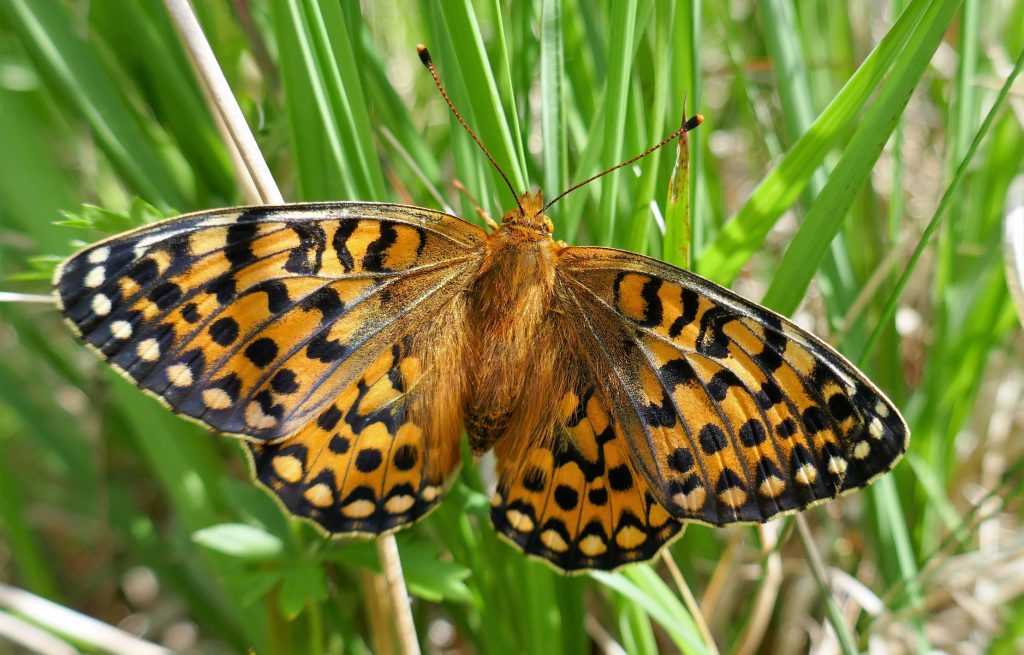 Dark Green Fritillary, female, on Lullybeg Reserve. © J.Harding.
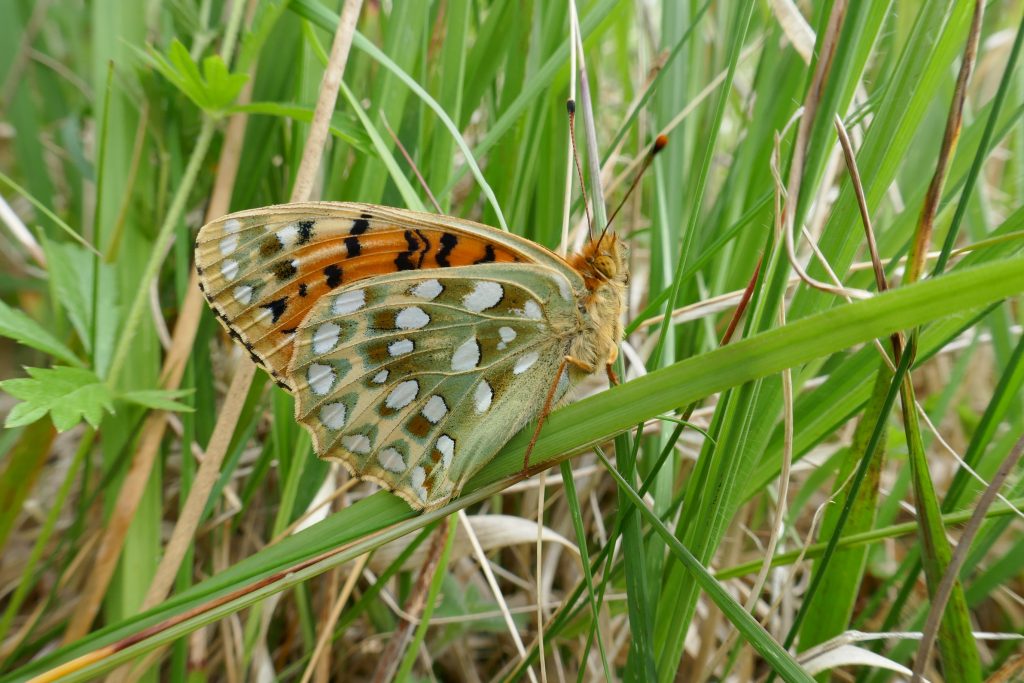 Dark Green Fritillary underside, Lullybeg, County Kildare. Note the silver markings on the greenish hindwing. © J.Harding.
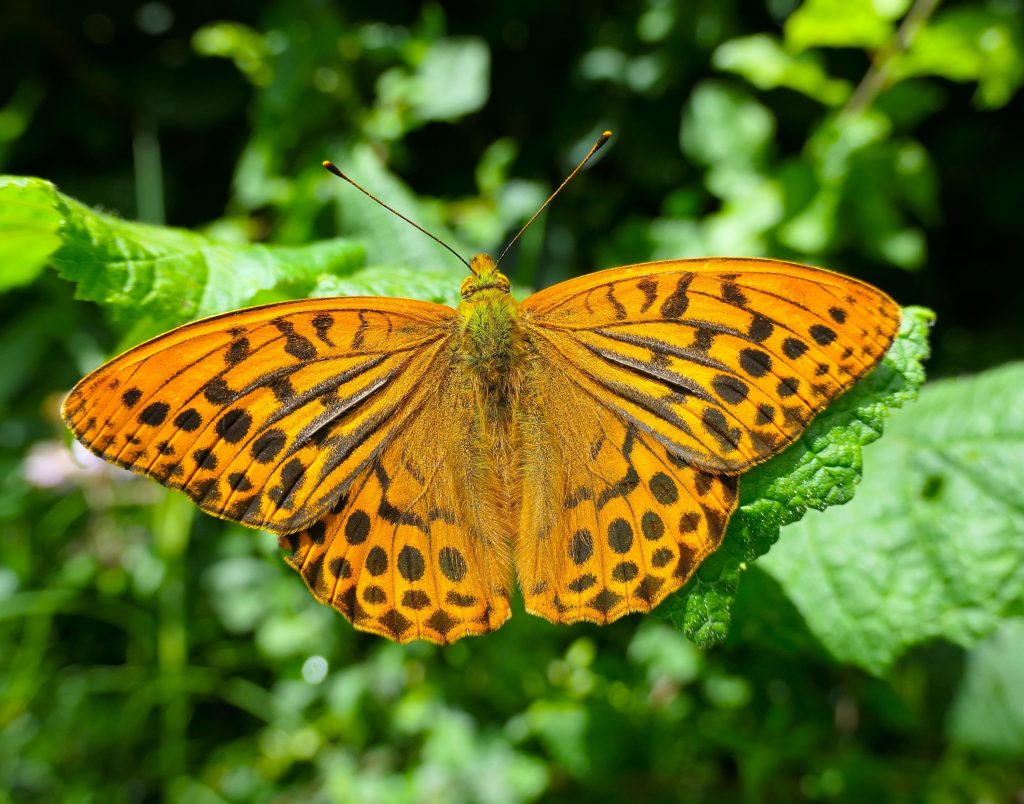 Silver-washed Fritillary male basking in bright sunlight. This species occurs in and along the edges of woodland. © J.Harding.
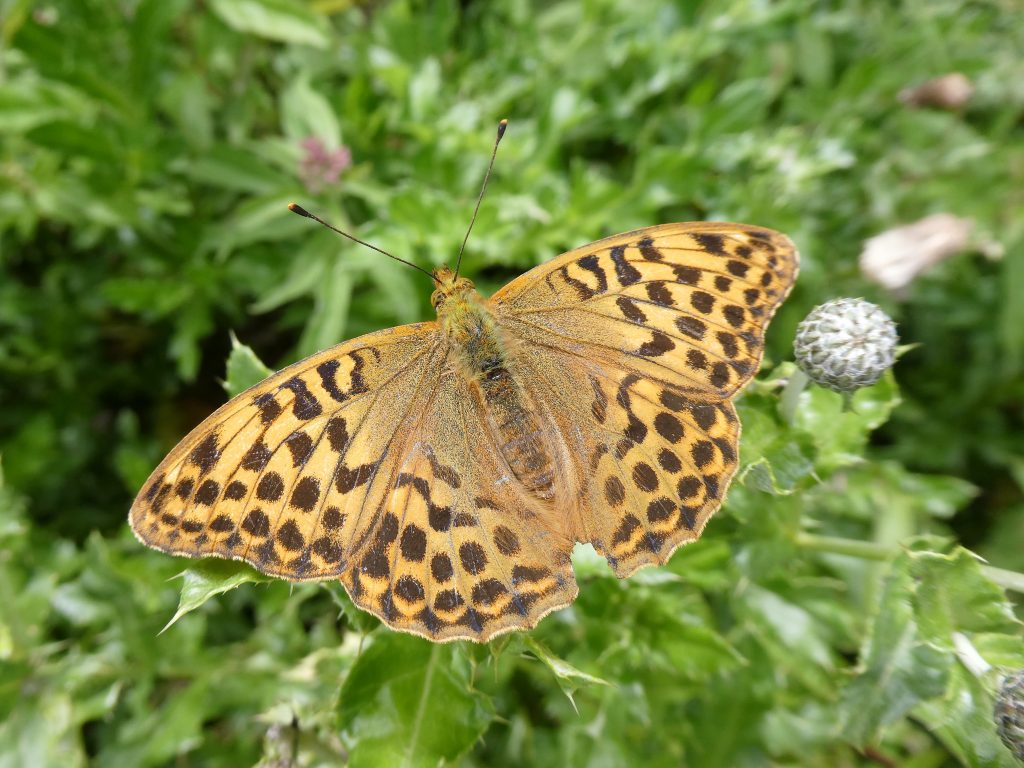 The Silver-washed Fritillary female. © J.Harding.
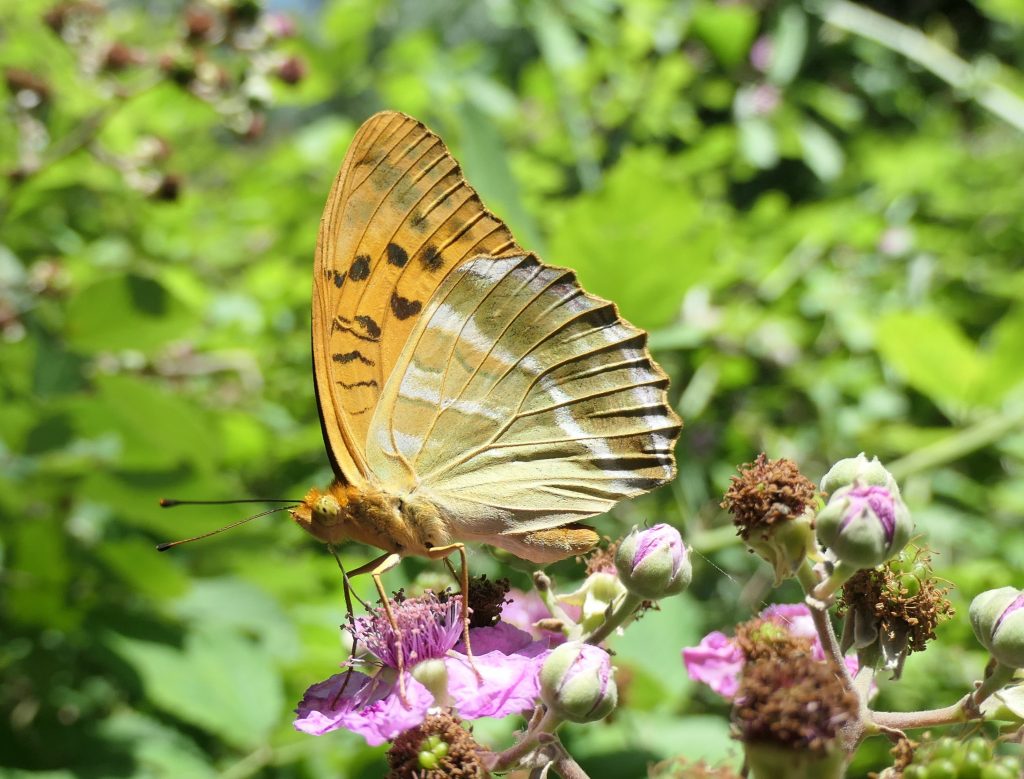 Silver-washed Fritillary underside. © J.Harding.
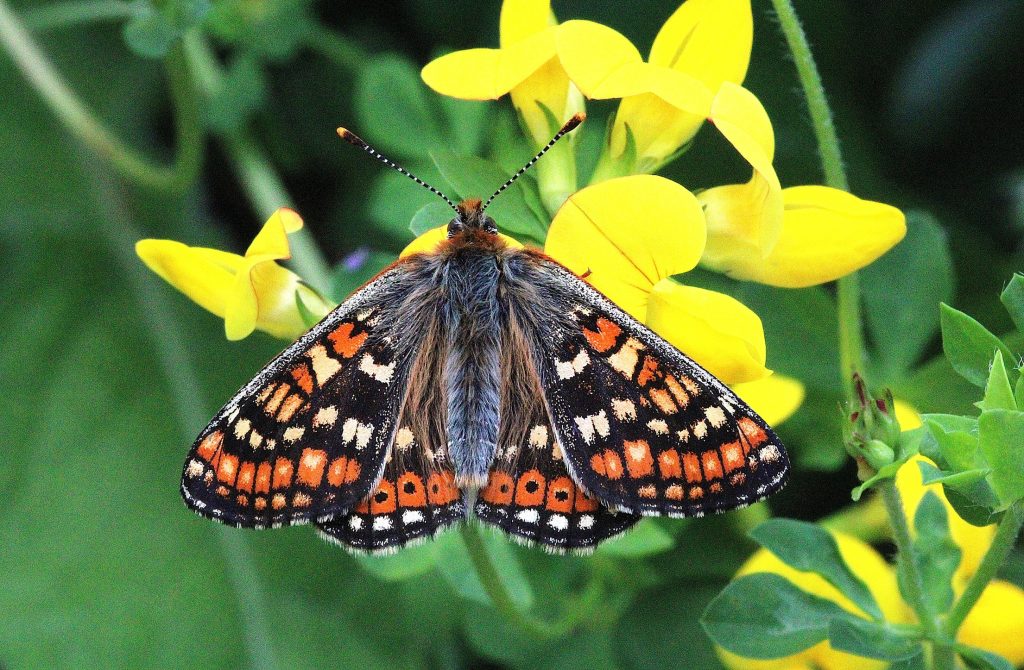 Marsh Fritillary male; sexes similar; female usually larger. Local in Ireland, better distributed in the west and northwest. © J.Harding.
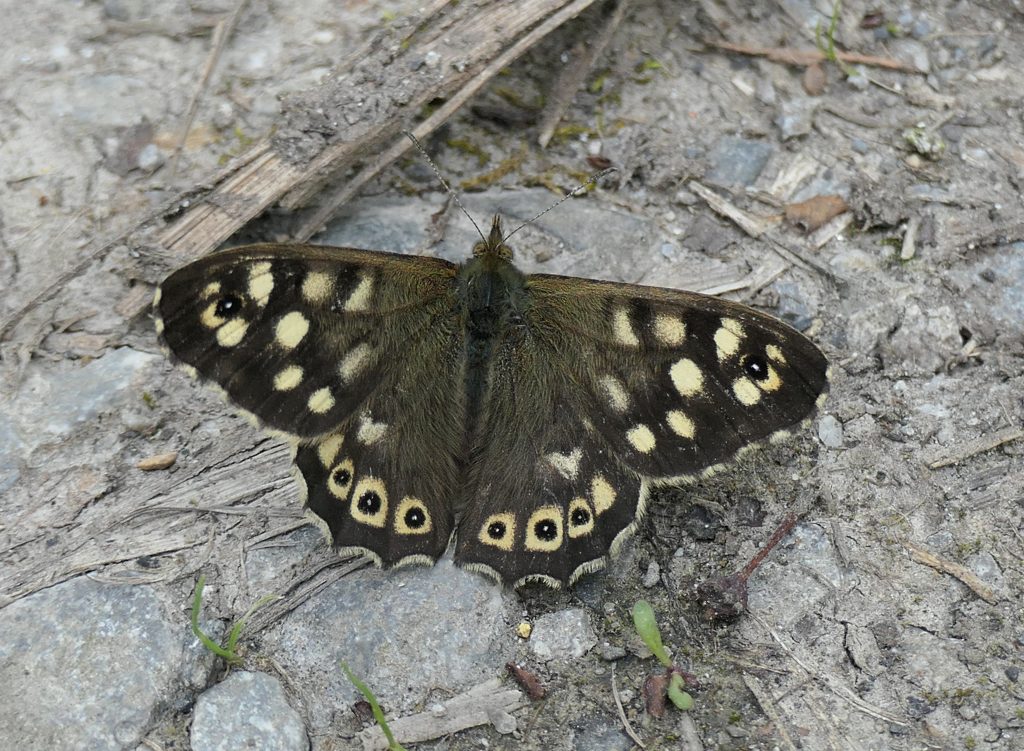 Speckled Wood; sexes similar. Common along the grassy edges of woods, scrub and hedges. © J.Harding.
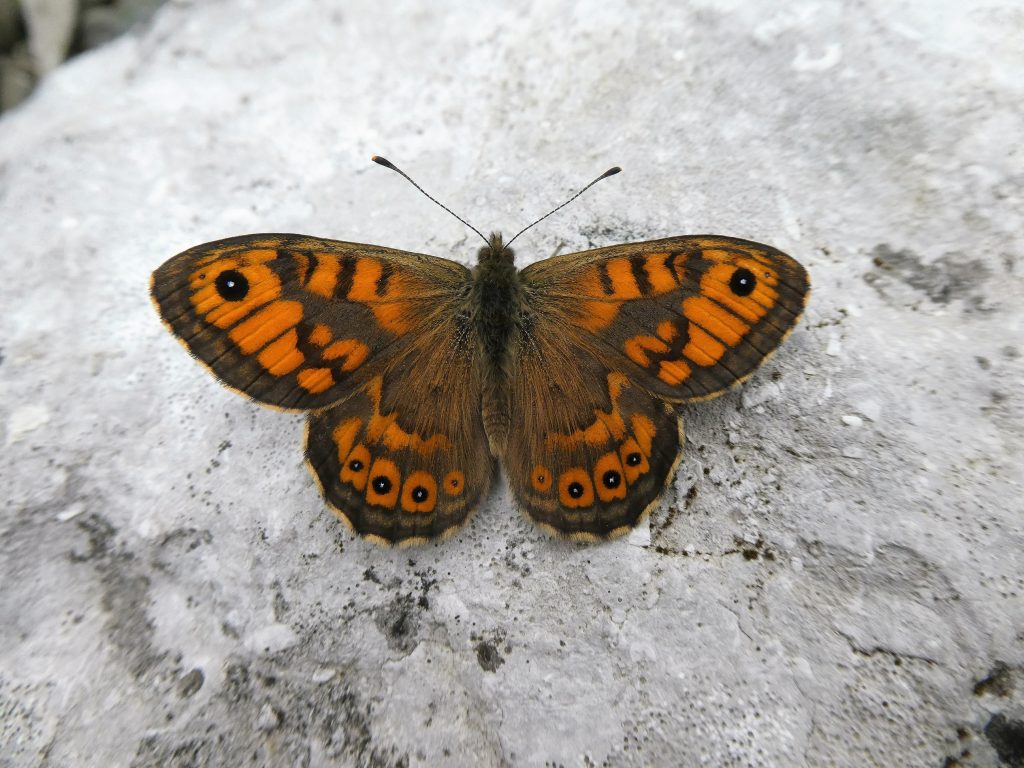 The Wall Brown (male) is in steep decline in Ireland, Britain and in northern Europe and is believed to be suffering the effects of agricultural and climate change. Mainly along rocky coasts. © J.Harding.
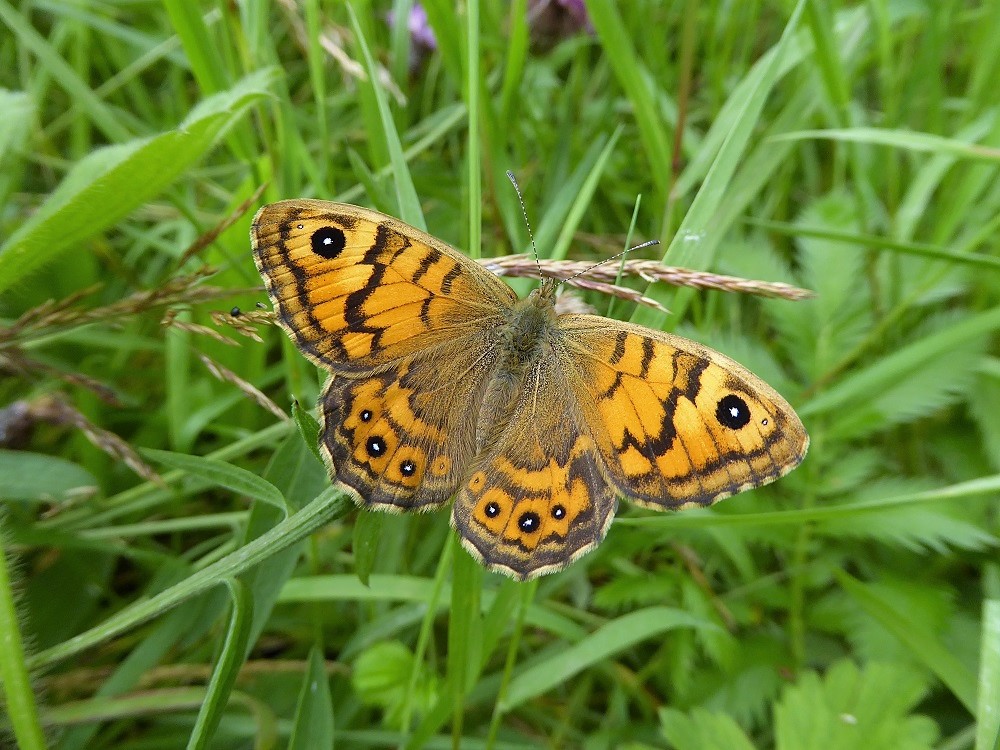 Wall Brown, female. ©J.Harding.
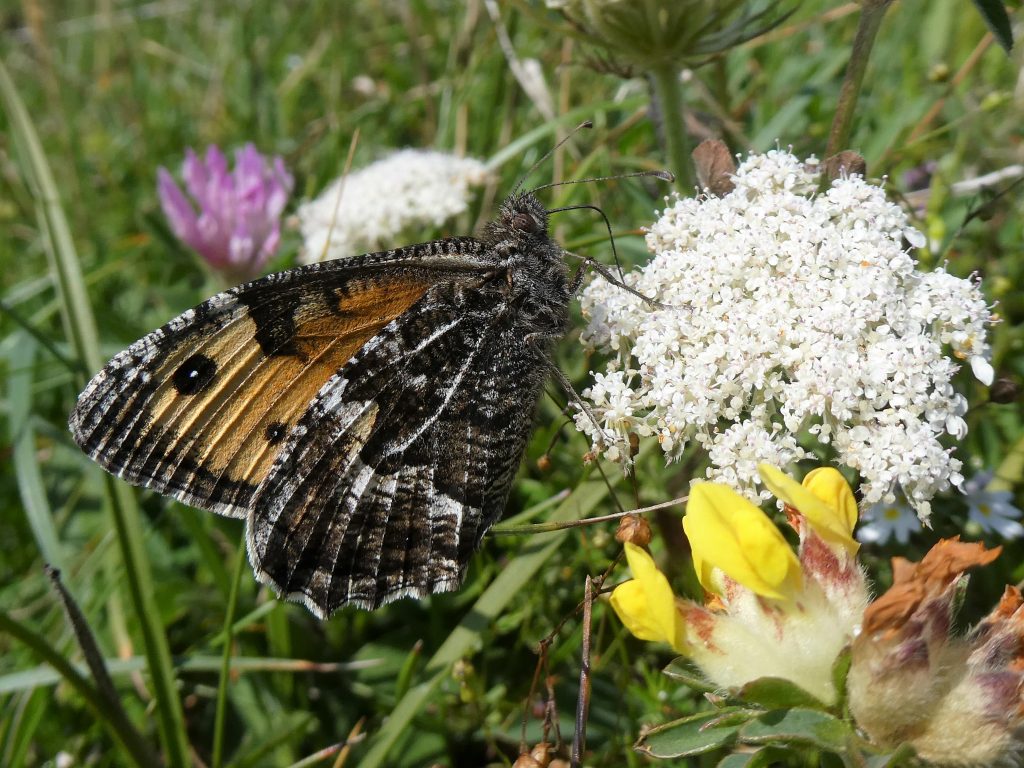 Grayling (female), Sheskinmore, County Donegal. Look for this large butterfly on tall dunes and in rocky outcrops, including outcrops on wet bogs. Sexes similar. Settles with wings closed. © J.Harding.
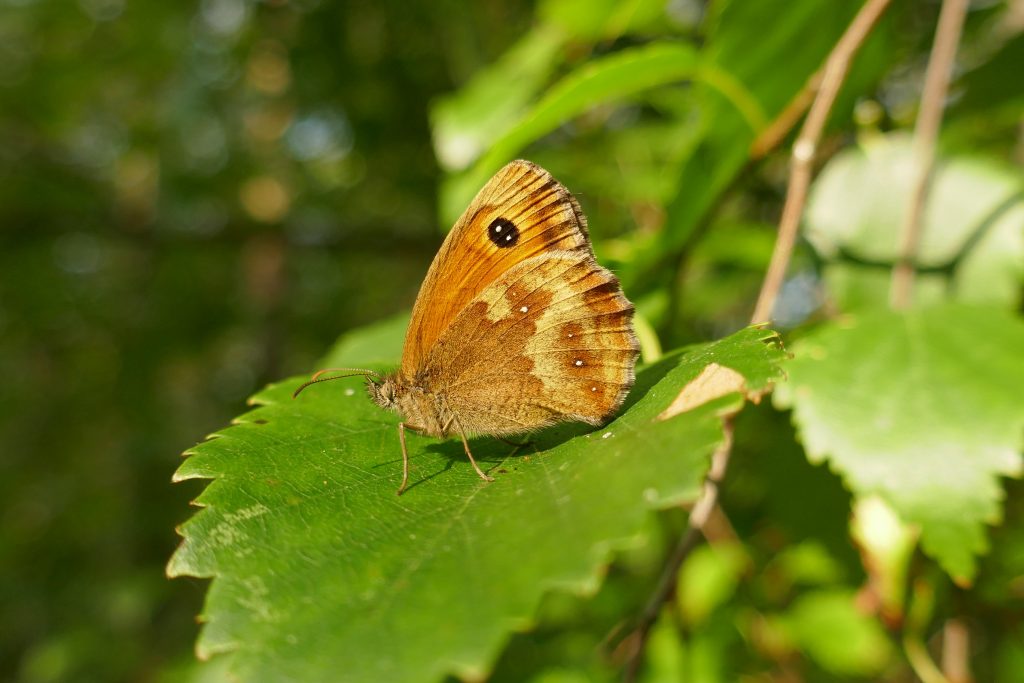 Hedge Brown underside. Only in the south, usually near the sea, in Wexford, Waterford (might be extinct there), Cork and south Kerry. The Hedge Brown is often called the Gatekeeper. © J.Harding.
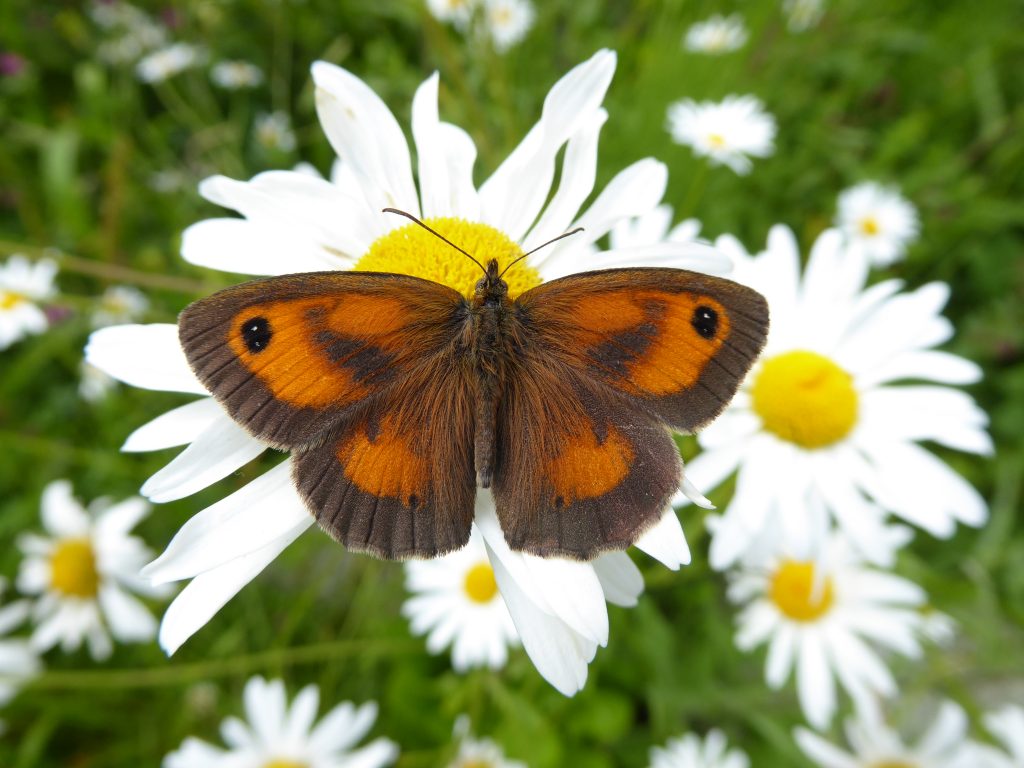 Hedge Brown male. © J.Harding.
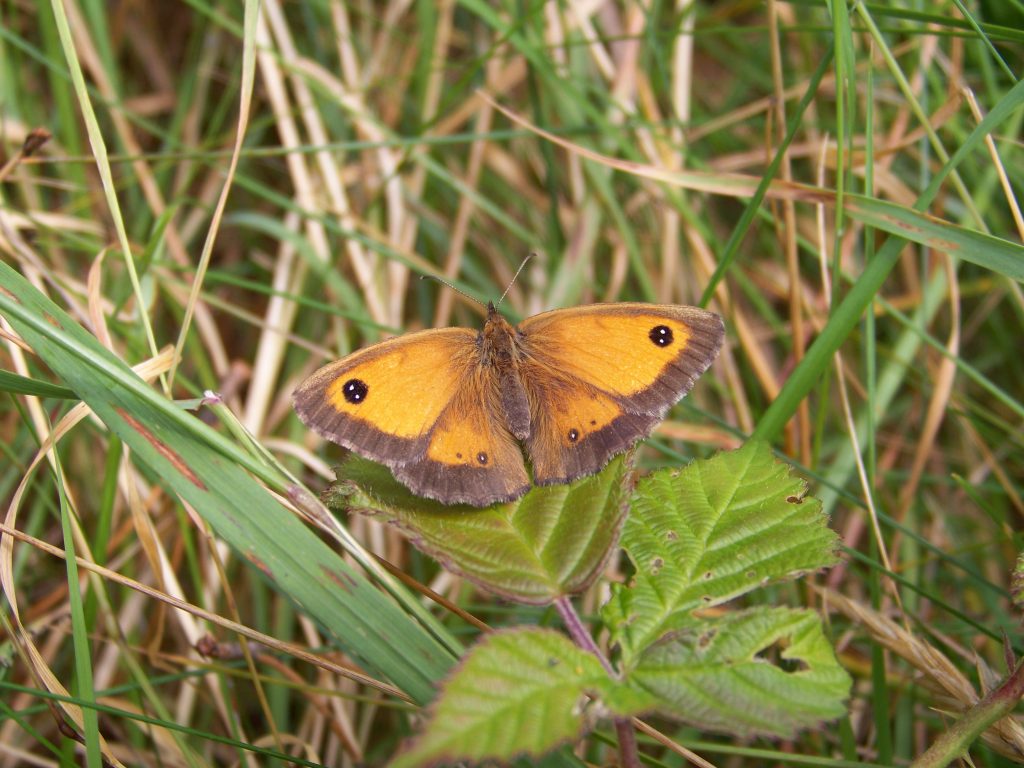 Hedge Brown female. © J.Harding.
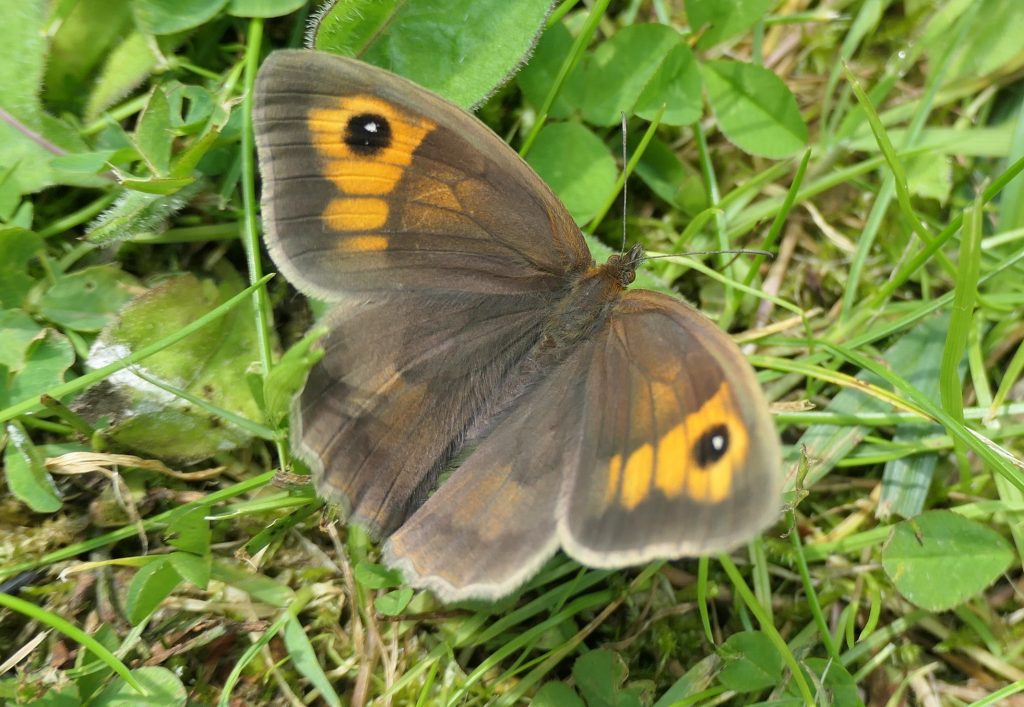 Meadow Brown female. Males have a smaller orange patch on the forewing upperside. The Meadow Brown occurs in grasslands throughout most of the country, although its abundance has declined. © J.Harding.
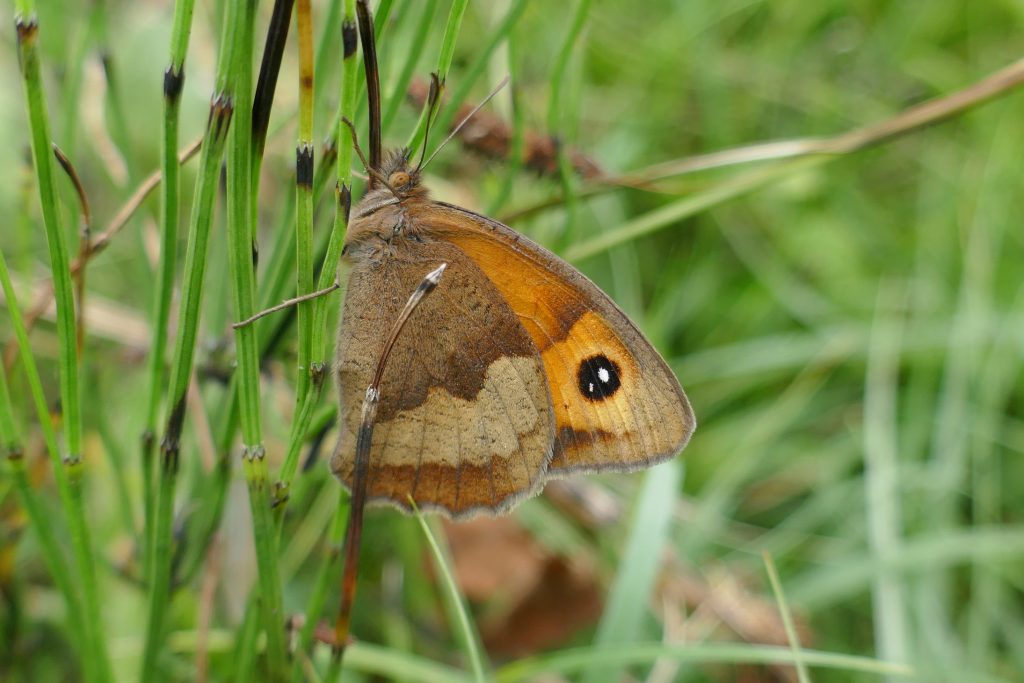 A recently hatched female Meadow Brown showing underside, Lullybeg Reserve. The sexes look similar on their undersides. © J.Harding.
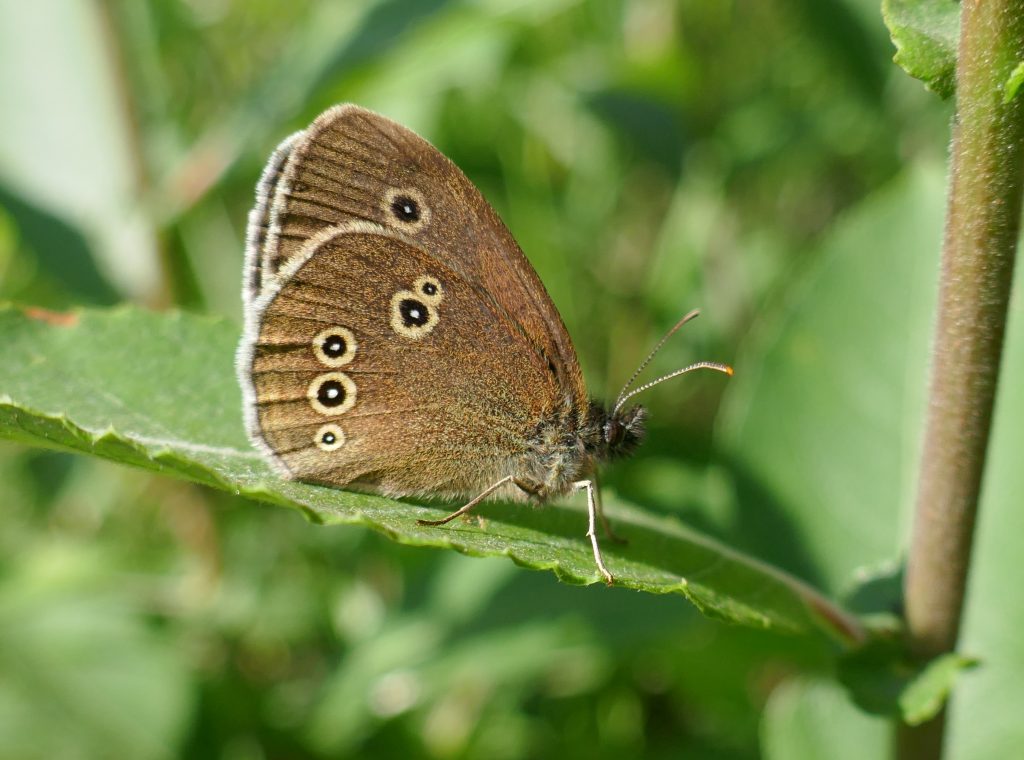 Ringlet underside. Sexes look similar. In damp, humid grasslands containing scrub, in most of Ireland. Has declined in abundance. © J.Harding.
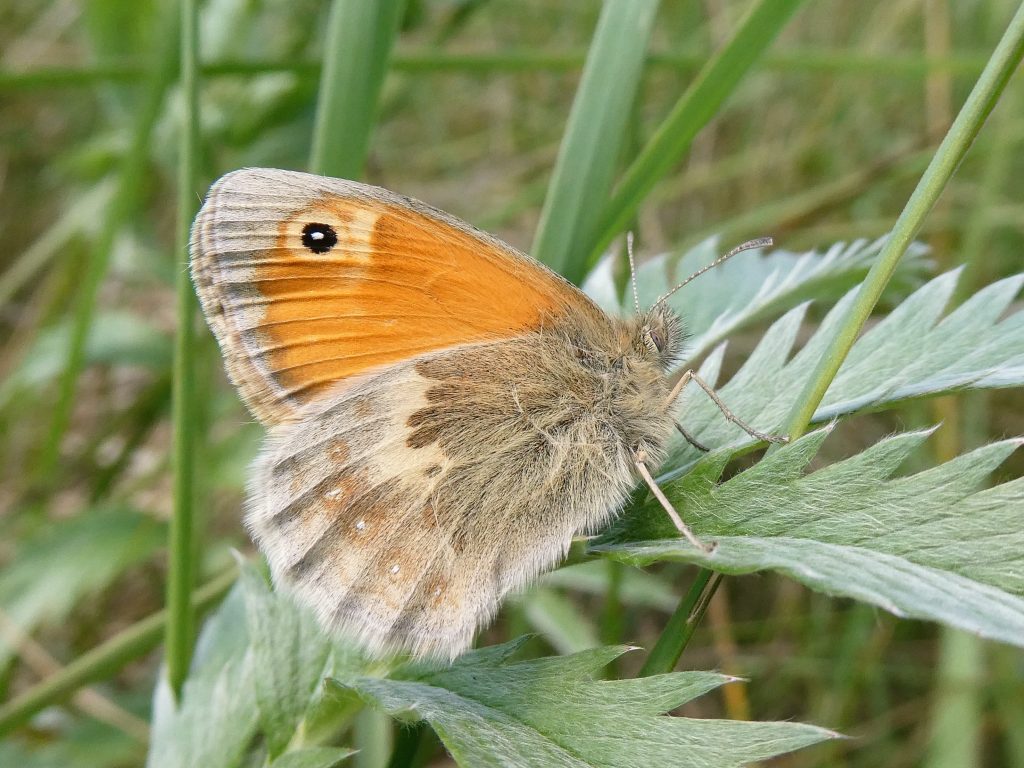 Small Heath butterfly. This rarely sits still for long enough for a photograph to be obtained, but a newly emerged female like this one will perch during an overcast interval. Always settles with wings closed. Sexes are very similar, but females are, on average, larger. In open, unfertilised grassland, mainly in coastal areas. It has suffered serious declines in abundance. © J.Harding.
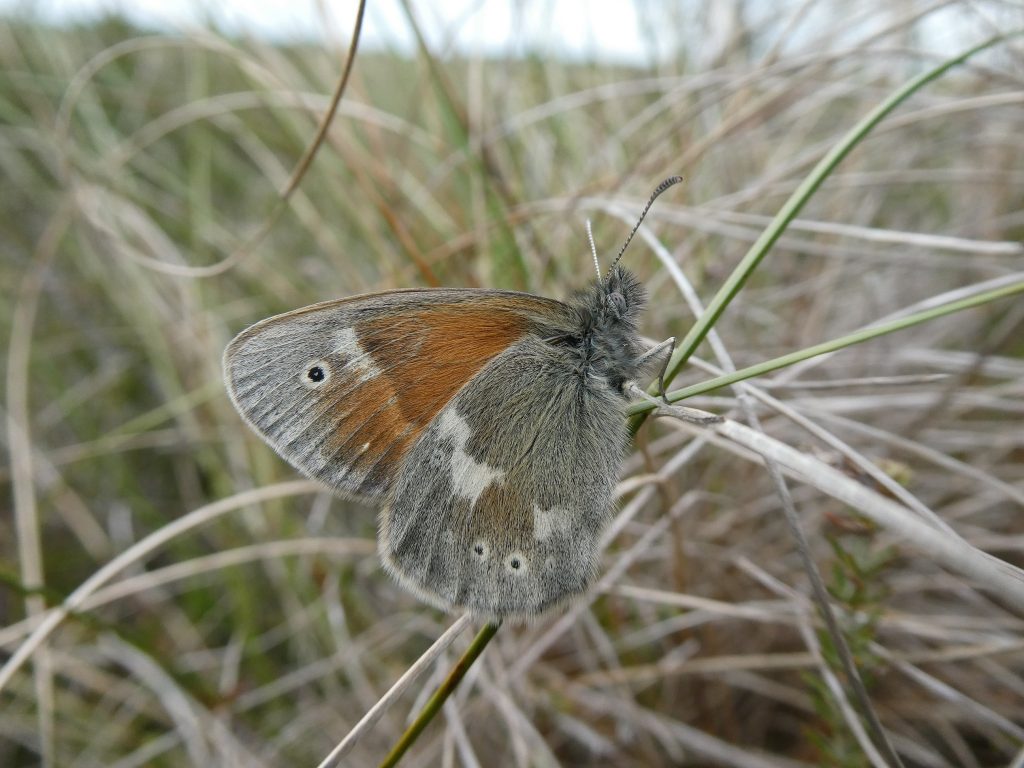 The Large Heath occurs only on wet bogs. It always settles with its wings closed. Sexes similar. © J.Harding.