Look after your Broom

In a classic scene in Only Fools and Horses, the road sweeper, Trigger, proudly displays a medal awarded to him by the council for saving the council money. Trigger, not known for his intellectual prowess, claims to have maintained the same broom for twenty years. The broom had 17 new heads and 14 new handles in its time. So, it wasn’t the same broom. However, Trigger understood the value of caring for his broom. His proud motto is ‘Look after your broom.’ It is a pity we all don’t follow suit when it comes to our soils.

To achieve 6.5 tonnes (t) of spring barley per hectare (ha), Teagasc, the Farm Advisory Service in the Republic of Ireland, advises the application of 135 kg of Nitrogen per hectare (t/ha); for 8.5t/ha, it advises 175kg/N/ha on land classified as soil index 1 for Nitrogen. This classification, the lowest, indicates the soil has low availability of Nitrogen, typically due to overexploitation of the soil. The lowest rate of Nitrogen application advised is for soil index 4: here the advice for spring barley is 40kg, 60kg and 80 kg for 6.5, 7.5 and 8.5t/ha, respectively (https://teagasc.ie/crops/soil–soil-fertility/crop-n-p-k-advice/spring-cereals/spring-barley/).

Spring wheat requires more; 200kg/ha of Nitrogen for soil index 1 to grow 9.5t/ha of spring wheat. These figures do not include the application rates for Phosphorous (P) and Potassium (K) (https://teagasc.ie/crops/soil-soil-fertility/crop-n-p-k-advice/spring-cereals/spring-wheat/).

For spring oats, the figure for index 1 soil is 150kg/N/ha and 52.6kg/P/ha and 155kg/K/ha for 8.5t/ha of spring oats. Enjoy your porridge.

This is just the fertiliser. Fungicide to protect from the crop mildew is recommended at three growth stages of the crop (https://teagasc.ie/crops/crops/cereal-crops/spring-cereals/disease/).

To deal with weeds, Teagasc recommends more than 14 herbicides. ‘Weeds’ are typically plants that colonise tilled soil, such as Corn Marigold, chickweed, Common Poppy and Red Deadnettle. Several doses are advised depending on conditions. In cool weather, leaves develop a wax coating. This means that more herbicide is needed to kill the weed. If weeds show resistance, Teagasc recommends using acetolactate synthase (ALS) herbicides, which are more potent and work to reduce or prevent the production of amino acids and therefore plant growth (https://teagasc.ie/crops/crops/cereal-crops/spring-cereals/weeds/). Weeds can become locally resistant to ALS herbicides, so crop rotation is advised. Enjoy your bread.
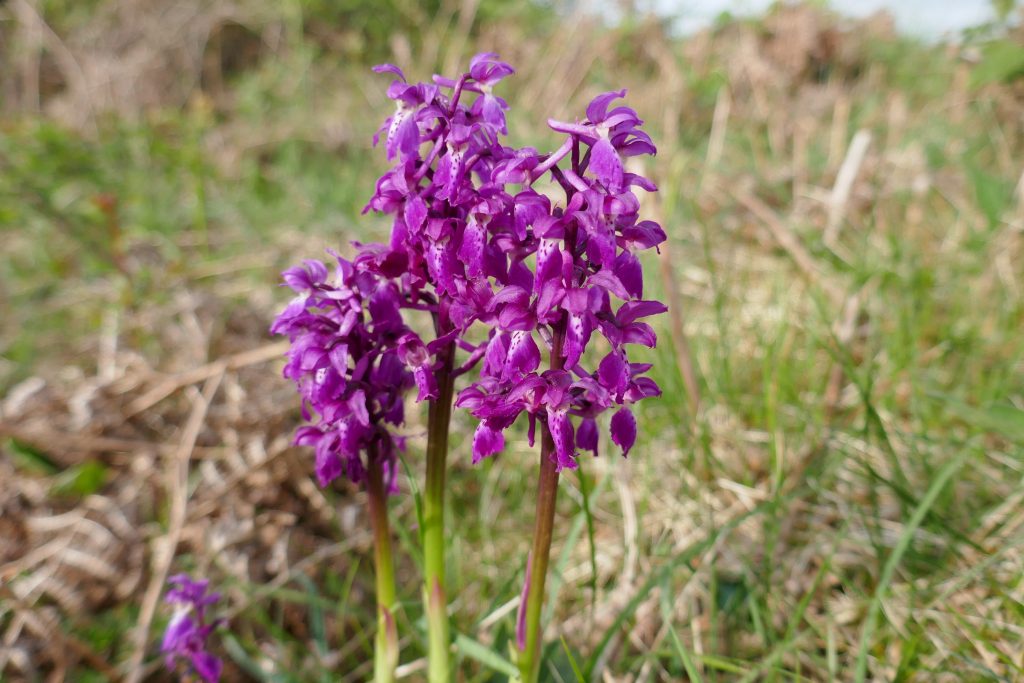
Early Purple Orchid. Orchids are very sensitive to synthetic fertilisers. J. Harding

Crops, like most plants, attract herbivorous invertebrates such as aphids, slugs and leatherjackets (cranefly larvae). To kill aphids, Teagasc advises using chemicals such as Pirimicarb, a carbamate insecticide used to control aphids on various crops by inhibiting the enzyme acetylcholinesterase (to impair brain function). It is a selective insecticide, though some studies show it can negatively affect beneficial insects such as ladybirds, at sublethal doses.

Metaldehyde and Ferric Phosphate products are recommended to kill slugs (https://teagasc.ie/crops/crops/cereal-crops/spring-cereals/pests/). Metaldehyde is a white, crystalline powder that is also flammable and highly toxic if ingested, causing symptoms like seizures, coma, and liver/kidney damage in both animals and humans. Ferric Phosphate, while much safer, can harm pets and damage water quality. Enjoy your Weetabix.

The growth of grain crops in intensive systems uses huge and expensive and polluting fertiliser inputs, herbicides, fungicides and pesticides, usually in successive doses. Enjoy your cornflakes.

The information above only looks at some arable land. If we look at land managed for grazing, which is the majority of Ireland’s land surface, the advice about chemical inputs shows massive amounts of polluting synthetic fertiliser use. Just to take a single pollution example: some Nitrogen applied to soil escapes as a gas, Nitrous Oxide.

This is 265 times more warming than CO2. When deposited back onto the land, nitrogen damages sphagnum moss, causing bogs to emit CO2 rather than store it. Non-target soils are fertilised when Nitrogen is deposited from the atmosphere, removing plants intolerant of high nitrogen environments, and poisoning caterpillars feeding on plants that take up increased nitrogen. Even if some larvae can withstand increased nitrogen levels, plant communities are altered, creating greener vegetation that depresses temperatures, reducing or destroying the ability of caterpillars to digest their food, resulting in longer development times or death.
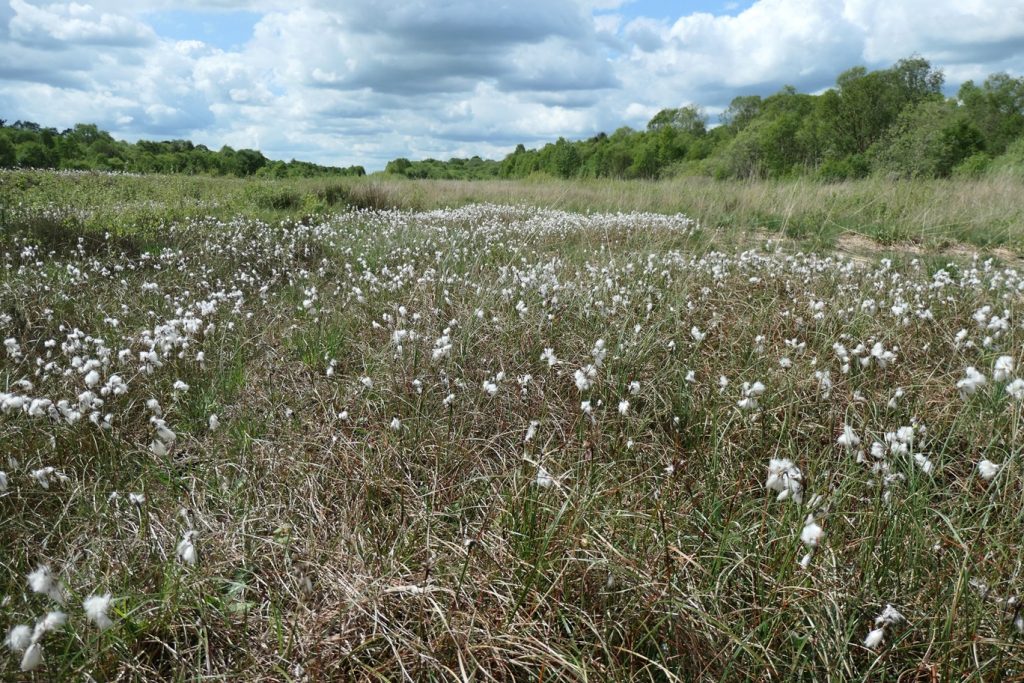
Fen and woodland, Lullybeg, County Kildare. Nitrous Oxide damages these habitats.

This is a toxic, polluting, climate-warming mass production environment. Our farmed land has had more alterations than Trigger’s Broom (https://www.youtube.com/watch?v=LAh8HryVaeY). A fatal zone for wild plants, insects and animals. No wonder our butterfly and moth populations are crashing. No native butterfly is increasing. Enjoy your cereal.

Does it have to be this way?

No. Organic farming offers a better solution. It is less intensive, involves no artificial fertilisers, no herbicides, pesticides or fungicides. In the words of one organic farmer,

Your main cost is seed and paying a contractor to spread some cattle slurry or composted FYM (farmyard manure).

After that you close the gate. Straight organic cereal for animal feed is currently trading for about €400 per tonne, and the combination crops (mixture of legume and grain) are selling for higher.

You don’t need to be a maths genius to work out that if what you’re selling is double the price of conventional and that your yields are half that of conventional, well then the higher profitability comes from the significantly reduced input costs (synthetic fertiliser, herbicide, application costs, etc). A 10-year-old could do that calculation!

(https://teagasc.ie/news–events/daily/converting-to-organic-tillage/).

According to the European Nitrogen Assessment published in 2011, the increased use of reactive nitrogen (N-r) as fertiliser supports a growing world population but has considerable adverse effects on the environment and human health. Five key societal threats of N r are identified: to water quality, air quality, greenhouse balance, ecosystems and biodiversity, and soil quality. Cost–benefit analysis shows how the overall environmental costs of all N-r losses in Europe (estimated at €70–€320 billion per year at current rates) outweigh the direct economic benefits of N-r in agriculture. The highest societal costs are associated with loss of air quality and water quality, linked to impacts on ecosystems and especially on human health (https://www.nine-esf.org/files/ena_doc/ENA_pdfs/ENA_policy%20summary.pdf.).

Synthetic fertiliser does not improve the nutritional quality of food.[i] It increases yields. With typical additional inputs from biological nitrogen fixation (BNF), a hectare of good agricultural land in Europe can produce about 4–6 tonnes of cereal per ha, and with the addition of chemical fertiliser, about 8–10 tonnes per ha.

A great problem with these fertilisers is that most of the Nitrogen applied is not absorbed by the crops and livestock. The European Nitrogen Assessment puts it starkly:

The Nitrogen recovery (kg N taken up by a crop per kg of applied N) provides a measure of environmental N-loss in crop production. For cereals, it varies 30%–60% across Europe, indicating that 40%–70% of the fertiliser N-r applied is lost to the atmosphere or the hydrosphere (the planet’s water). The nitrogen recovery in animal farming is inherently lower than in crops, with only 10–50% of N r in feed being retained in liveweight and 5%–40% in edible weight.

Taking just one example of the damage to human health caused by excess N-r: high nitrate concentrations in drinking water are considered dangerous for human health, as they might cause cancers (colon) and (albeit rarely) infant methaemoglobinaemia. N-r level must be reduced.

This point was not mentioned in the report, but agricultural production levels are excessive, given that we throw away so much food. We are using unnecessarily high N-r in farming.

In the EU, over 58 million tonnes of food waste (130 kg/inhabitant) are generated annually (Eurostat, 2025), with an associated market value estimated at 132 billion euros (SWD (2023)).

At the same time, over 42 million people cannot afford a quality meal every other day (Eurostat, 2023).

Globally, approximately a third of all food produced for human consumption is lost or wasted (FAO, 2011). FAO’s Food Loss Index (FLI) estimates that globally, around  14% of all food produced  is lost from the post-harvest stage up to, but excluding, the retail stage (FAO, 2019).

Households generate more than half of the total food waste (53%) in the EU (accounting for 69 kg per inhabitant) (Eurostat, 2025). The remaining 47% was waste generated upwards in the food supply chain: 19% by the manufacture of food products and beverages (24 kg per inhabitant), 11% by restaurants and food services (14 kg per inhabitant), and 8% in the retail and other distribution of food (10 kg per inhabitant).

Given that households generate most food waste, there is a huge scope for individual action to tackle this problem. We don’t simply waste food by throwing it away; we waste it by overconsumption. Many of us are overweight. EU statistics published in 2024 show that over half of Ireland’s population aged 16 and over is overweight. 50.6% of people aged 16 years or over in the EU were recorded as being overweight in 2022. The most overweight country in the EU is Malta (62% of the population), and the least is Italy (41.3%). Being overweight is bad for human health and bad for nature.
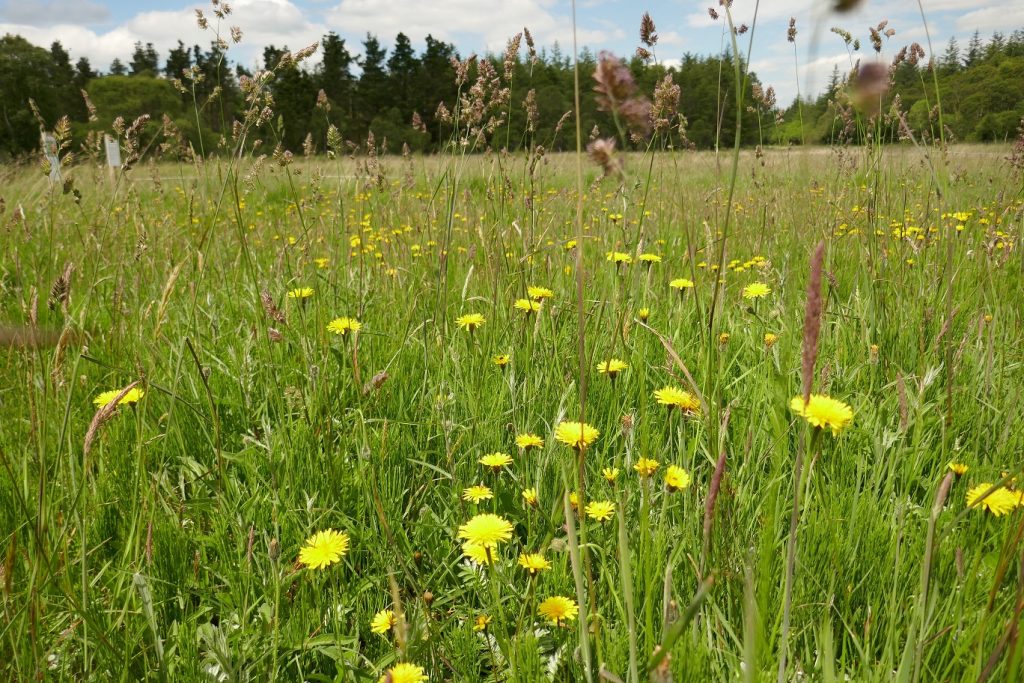
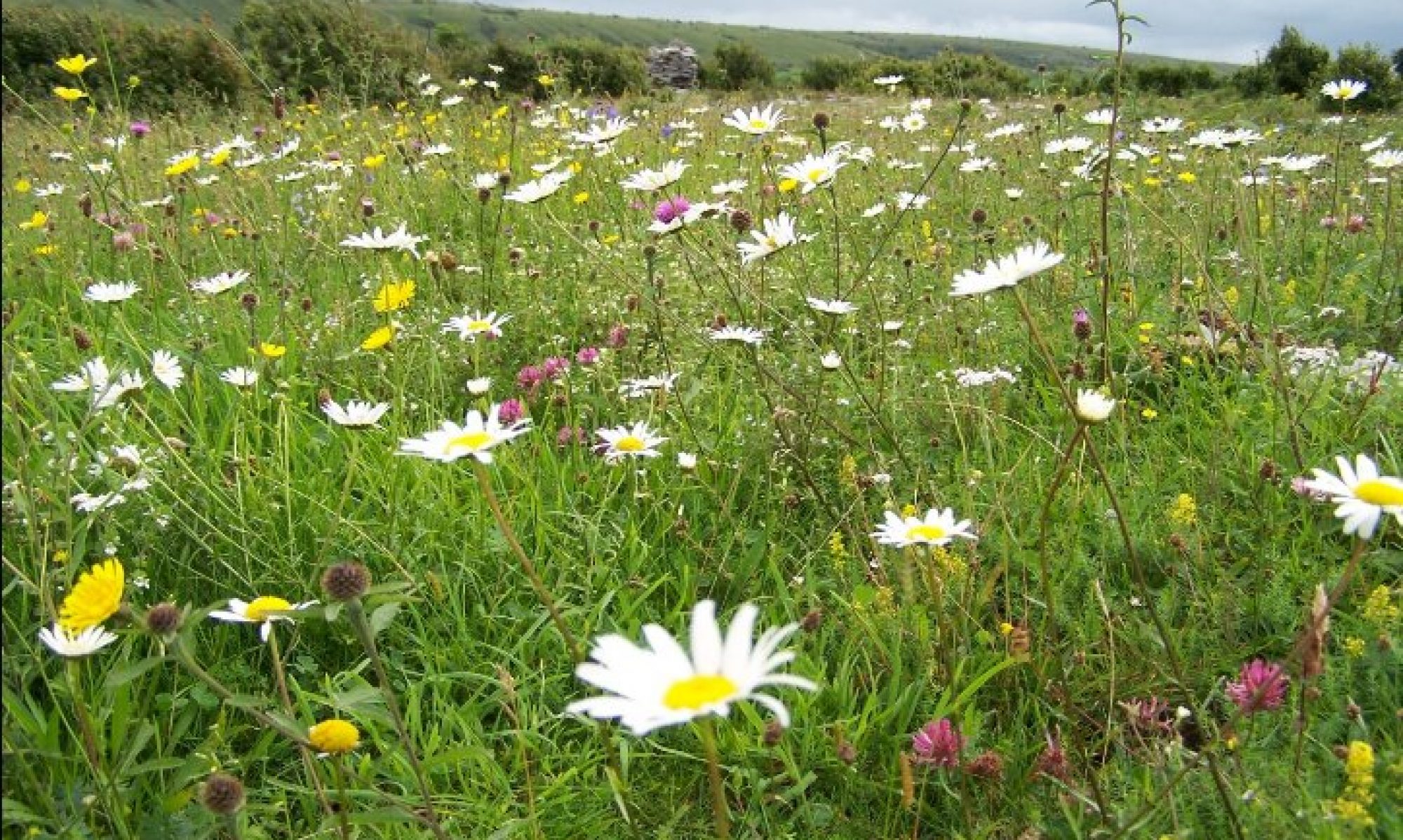
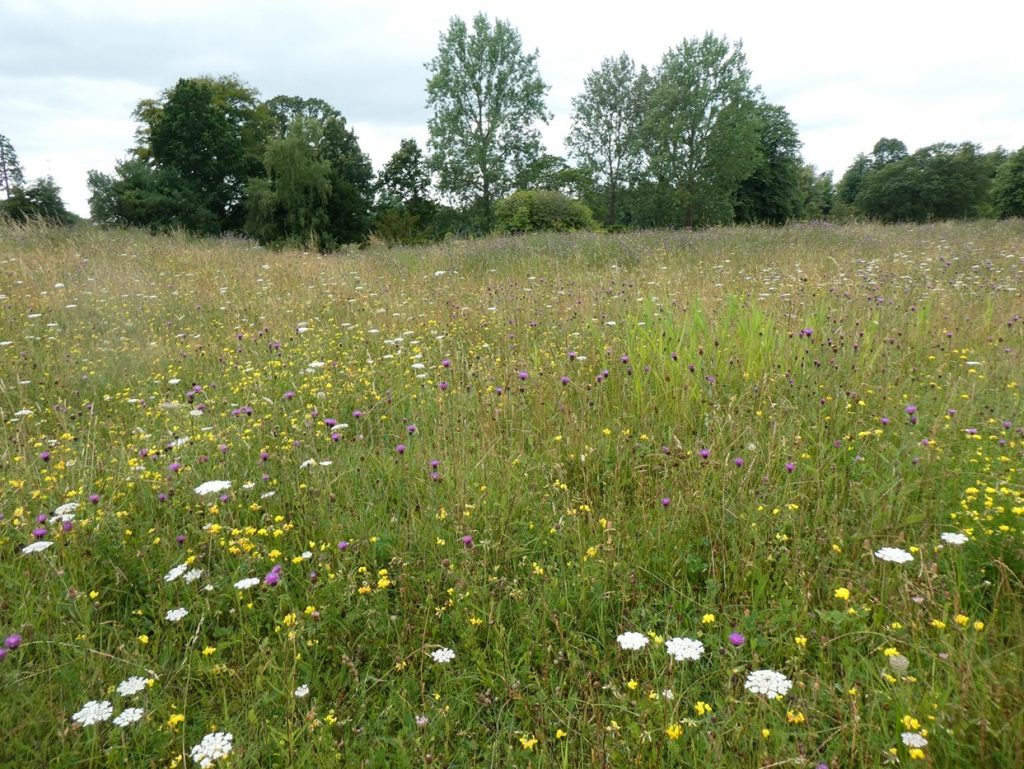
Flower-rich grassland on Lullybeg Reserve.

We are talking about individual choices. Don’t over-buy, don’t waste food, buy organic, be healthy, farm without synthetic chemicals. Then we will have clean water, clean air, flourishing biodiversity, a healthy climate and healthy soil, all helping to produce good food.

Look after your broom.

Key Reference

Trees, I. (2018). Wilding, Picador, London.


[i] Evidence exists that intensive farming strips soil of micro-organisms that make micro-nutrients available for uptake by plants. The Department of Chemistry and Biochemistry at the University of Texas analysed US Department of Agriculture nutritional data from 1950 and 1999 for 43 vegetables and fruits and found declines in protein, calcium, phosphorus, iron, riboflavin and vitamin C over the period. A similar UK study found declines: during the period from 1940-1991, potatoes lost 47% of their copper, 45% of their iron and 35% of their calcium (Trees, 2018).
 

Good News

The grounds attached to Castletown House, Celbridge, County Kildare, are set to almost double in area after the state agreed to purchase 235 acres in addition to the 237 acres already in State ownership. The cost of the land deal was €11.25 million and had been approved by the Department of Public Expenditure and Reform because of the strategic importance of the land to the State.

The land was needed to reopen access to the Castletown Estate after the access from the M4 motorway was closed in September 2023. Since then, a group calling themselves the ‘gatekeepers’ maintained a presence at the access from Celbridge to underline their objection to access from Celbridge.

The grounds of Castletown are mainly managed for biodiversity. A wonderful hay meadow habitat has been developed, which is a great draw for invertebrates, the most notable being the increasing butterfly populations in the area.

Butterfly Conservation Ireland congratulates the Minister of State for the Office of Public Works, Kevin ‘Boxer’ Moran, for this important acquisition for the state and urges the extension of the hay meadow habitat onto the additional lands. Hay meadows are protected under the Habitats Directive 1992 (Lowland hay meadows (Alopecurus pratensis, Sanguisorba officinalis) [6510]). These are dry grasslands that are mown rather than grazed with little or no fertiliser application. These are increasingly rare in Ireland, becoming especially scarce during the 1980s when hay-making was replaced with silage alongside its intensive chemical inputs.

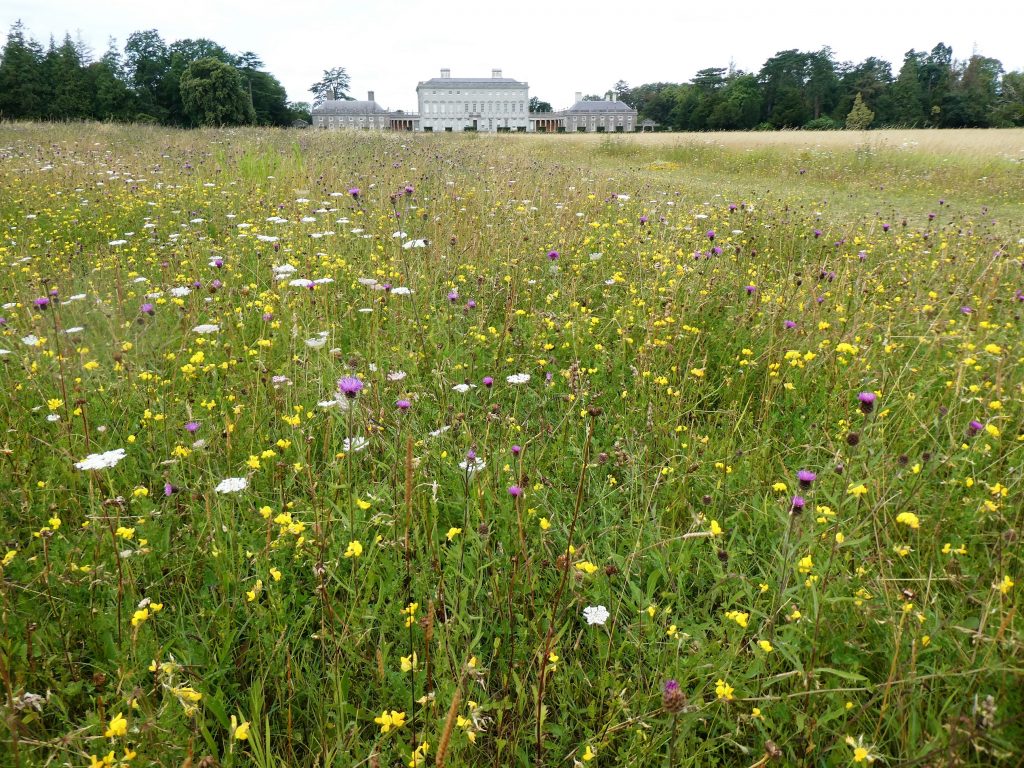
We need more scenes like these in our landscapes.

Flowery grassland at Castletown House, Kildare, home to the Small Copper, Common Blue, Painted Lady, Peacock and more. © J. Harding.
Wonderful hay meadow at Castletown, County Kildare. © J. Harding.


Event Report: Scrub clearing at Crabtree/Lullybeg Reserve, County Kildare.

The weather on Saturday, 8 November, was a rarity in November 2025: a dry, calm day. We met on the reserve and spent our time uprooting birch saplings from flower-rich wet grassland to ensure that it remains a flower-rich grassland.

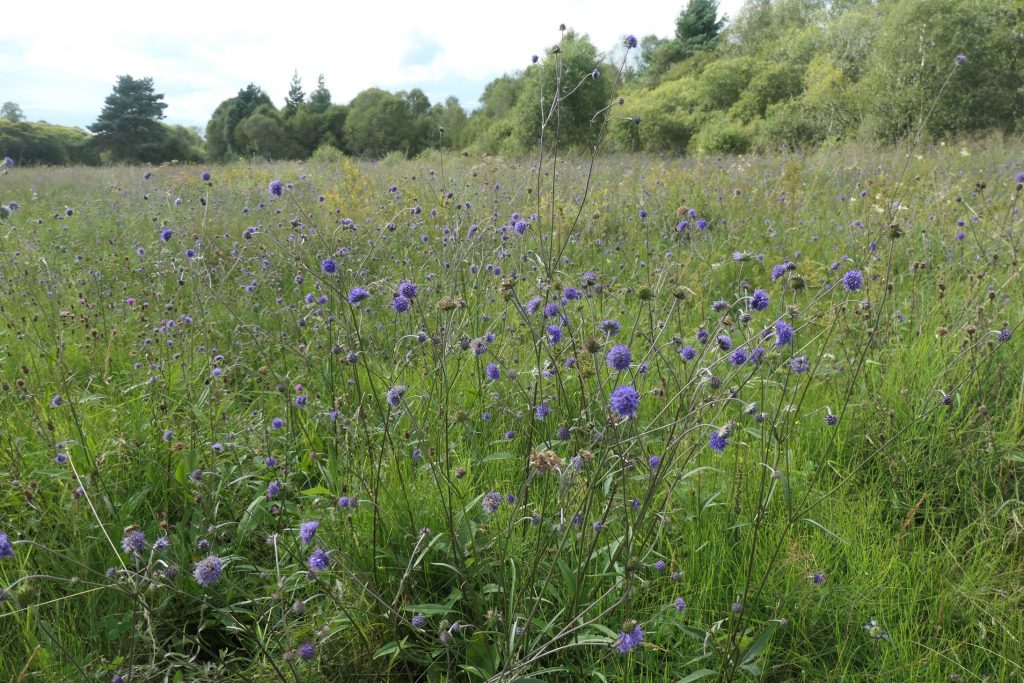
Devil’s-bit Scabious in bloom in Lullybeg, August 2025.

A major challenge for grassland butterflies and moths is land abandonment. This occurs when activities that produce favourable habitat, such as scrub control and light cattle grazing, cease. Habitats that occur in the reserve used by the Marsh Fritillary butterfly include the following EU priority habitats: wet heath, Molinia meadows and the following Fossitt habitats: wet grassland, cutover bog, wet heath and poor fen and flush.

The habitats are vulnerable to decline due to the encroachment of scrub and dense grassland growth.

We addressed dense grassland growth by introducing cattle to the reserve in September and October. The animals performed the functions we needed with height reduction and varying the sward heights, poaching and breaking up clumping vegetation.

The Marsh Fritillary needs a helping hand.

The uprooting of young birch and willow provides the chance for flora to develop, and the act of removing the saplings disturbs the soil, allowing seed to grow.

We chatted while we worked, making the day a happy, friendly time for us. Conservation work is toil, but it can and should be enjoyable, and this was a lovely time for all of us.

Added to which, we know that we have given nature a boost. Conservation management is sadly lacking in most of the Marsh Fritillary butterfly’s habitats.

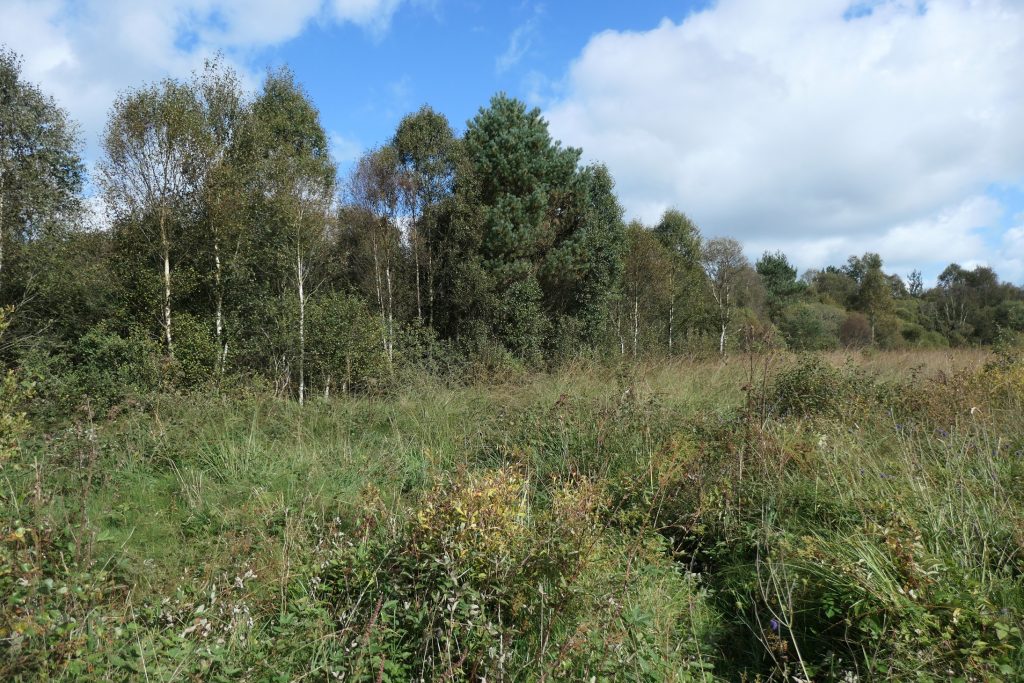
Lullybeg Reserve showing semi-natural woodland containing Scots Pine, Downy Birch and Grey Willow. Scub is very important for many species, but it requires control. If allowed to develop, it can remove valuable grassland habitat.

The significant pressures affecting Marsh Fritillary in Ireland are related to habitat quality and extent, and there is no reason to expect these pressures to decrease in the foreseeable future. As the impact on the species is not direct and immediate, it may be some time before there is an observable reduction in distribution. The majority of the habitats that the Marsh Fritillary is associated with are declining and in poor conservation status.

Thanks to our members and volunteers, that is not the case in Lullybeg.

A big thanks to all who helped on Saturday and to all our excellent members.


Rainfall and Butterflies

Any time we hear and see rain in Ireland, we rarely, if ever, register a neutral response. We might be happy to see rain after a period of drought, and delight in the upsurge in growth following a soaking of the earth. Many complain about summer heat, finding it oppressive, relieved when it ends in a deluge. We don’t want rain to persist for days on end, but many feel relieved to see it return. Its return offers a reassurance of continuity. Our relationship with our environment embraces regular rainfall. Precipitation is expected, reassuring. However, others are irked when, after three dry, sunny weeks, Uisce Eireann urges water conservation and issues warnings about ‘unnecessary water use’ such as watering plants or car washing. After months of wet weather, why, after three nice sunny weeks, are we hearing about water shortages?

A flooded cutover bog in Kildare. It rains in Ireland about 20% of the time.

Other countries feel and react differently about rain. Heavy rain is considered dangerous in some parts of southern Europe. They don’t have drainage systems like those in Ireland, Britain and northern Europe, and inundation and flooding can occur quickly. Rainfall like that regularly seen here is most unwelcome. Outdoor public events are cancelled and warnings to remain indoors are issued. In the Mediterranean region, outside the winter months, dry conditions are the norm. Rainfall in a Mediterranean summer is a shock.

The steep, dramatic reduction in light during autumn and winter in our corner of NW Europe, coupled with dark, leaden skies shedding sheets of rain rarely lift spirits. Prolonged darkness might appeal to some, but most of us dislike it. Rain and darkness collude to deepen our mood of despair. Christmas offers a brief respite, but January hangs long, dark and moody. Daylight is increasing, but it doesn’t feel as though optimism has enough to light its way.

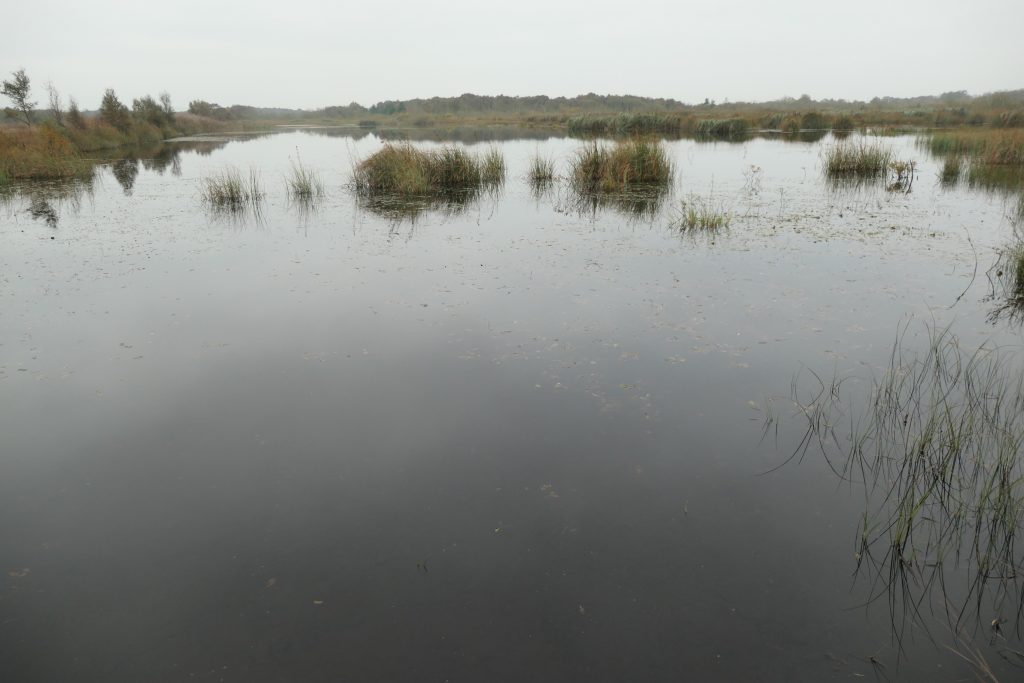
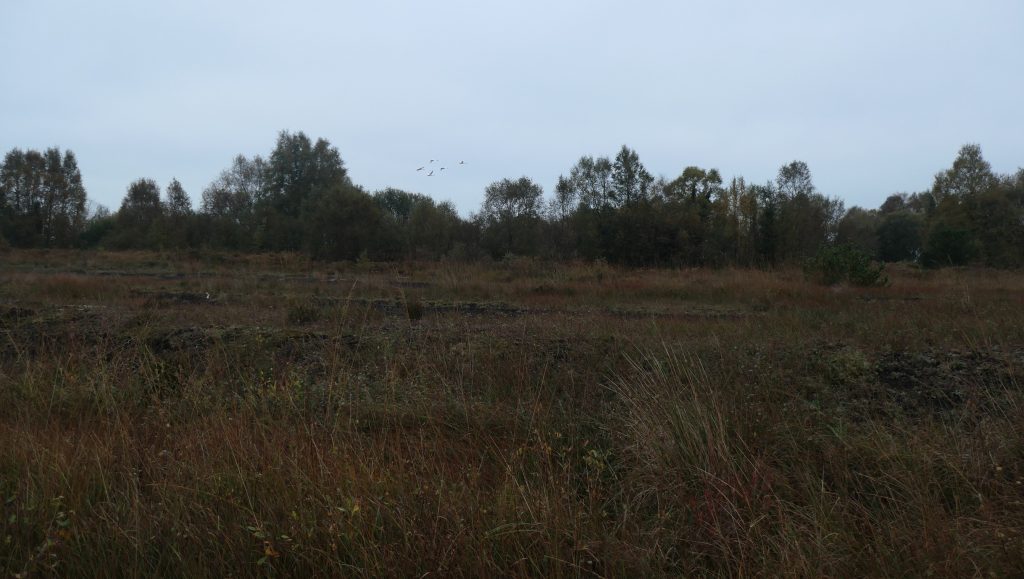
Overcast days are common in Ireland. This photo was taken in mid-October at midday.

February 2025 had 11 consecutive days with less than half an hour of direct sunlight.

If that is not depressing, what is?

Our archaeological heritage indicates our forebears recognised the importance of light. We have Newgrange’s light box (Newgrange dates from about 3200 BC), which is aligned to allow light to flood the passage and the terminal chamber with light on the winter solstice and for the following few days. Neolithic edifices elsewhere nod to human concern to embrace the return of the sun. The over 5,000-year-old Neolithic temple at Hagar Qim, Malta, lights up on the 21st of March, the day of the spring solstice. During the Winter and Summer solstices, the beams of the rising sun pass along the sides of the main doorway, hitting two decorated slabs within the first chamber in the southern building of nearby Mnajdra, another neolithic temple complex. Light and the promise of more, and drier weather, are important to us, wherever we live in Europe.

How do our butterfly populations respond to our wet climate? Aside from three migrant species, the rest of Ireland’s butterfly fauna has been isolated from the continent for thousands of years, unable to escape inclement conditions, and yet they manage to survive.

A recent study, Long‐term trends in extreme precipitation indices in Ireland sought to determine spatial and temporal trends in the frequency, intensity and magnitude of observed precipitation. The persistence of trends for varying record lengths and for two fixed periods (1910–2019 and 1940–2019) of analysis is assessed for all stations and indices. Results show increases in precipitation intensity, especially notable in the east and southeast of the island. The findings also show that the contribution of heavy and extreme precipitation events to annual totals is increasing, while there were no persistent trends in annual totals or consecutive wet or dry days.

The impact of increasing intensity of precipitation on butterfly abundance is assessed by a 2017 UK study, Sensitivity of UK butterflies to local climatic extremes: which life stages are most at risk?

It was already known that heavy precipitation events affect butterfly survival and that they cause local extinction events. Indeed, this latter impact has been observed in Butterfly Conservation Ireland’s reserve in Lullybeg in 2007, when flooding destroyed Marsh Fritillary caterpillars.

The study found that different species and different life stages showed different responses to extreme precipitation. Extreme precipitation during the pupal life stage affects 28% of butterflies with one generation of adults in a year (univoltine species).

For butterflies with more than one generation in a year (multivoltine), extreme heat during overwintering and extreme precipitation during first- and second-generation adult life stages are the most frequently occurring extreme variables causing population declines in multivoltine species (67%, 58% and 50% of all multivoltine species affected, respectively.

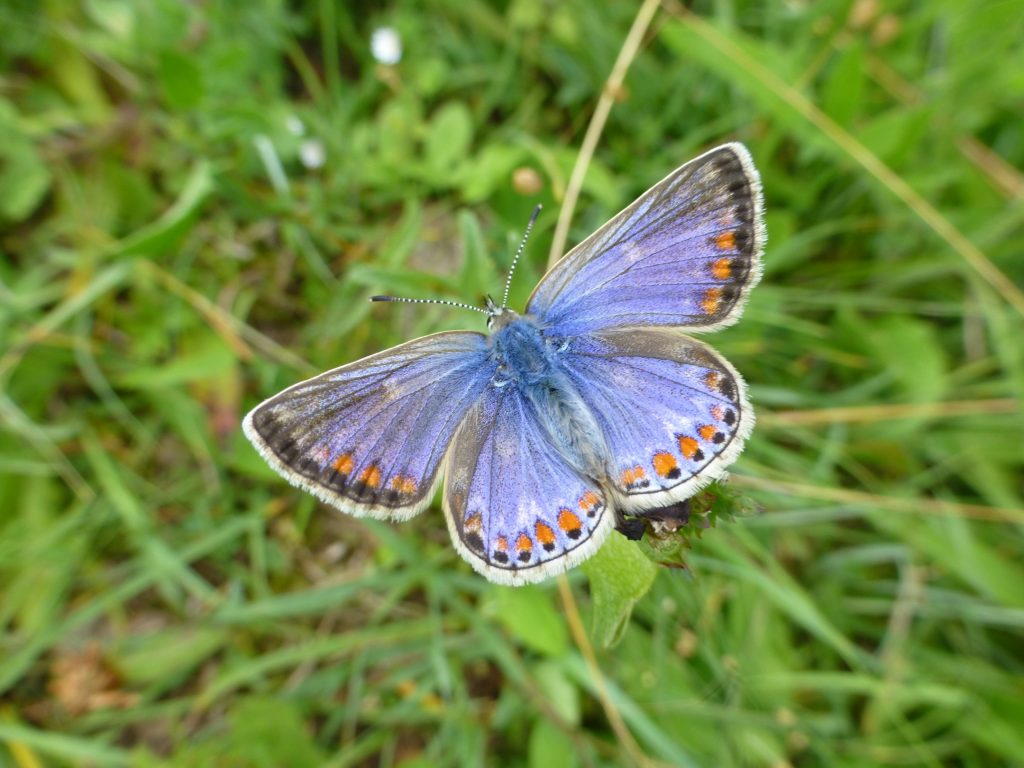
Common Blue female ‘blue’ form, also known as mariscolore. The blue colour in Irish female Common Blues is believed to correlate with cooler, overcast conditions. In dry east coast habitats, female Common Blues are brown.

Unlike univoltine species, however, multivoltine species seem to be susceptible to extremes (extreme precipitation, drought, extreme heat and cold) across all life stages, with ovum, larvae, pupae, adult and overwintering stages all affected negatively. Species’ vulnerability to extremes appears to be most prominent in the first generation and is primarily driven by exposure to extreme heat, with the exception of the negative impacts of precipitation during the adult stage.

The study found that multivoltine species had far greater sensitivity to extreme precipitation, drought, extreme heat and cold than univoltine species. One of the more prominent and consistent negative contributors to univoltine species’ population change is precipitation events during the pupal and larval periods. The negative impact of precipitation events on the pupal stage surprised the researchers. This finding highlights the need for studies to assess the impact of extreme climate events across all life stages. Interestingly, drought was not found to impact abundance in this study.

Have Ireland’s butterflies shown any ability to cope with our wetter, cooler, duller climate?

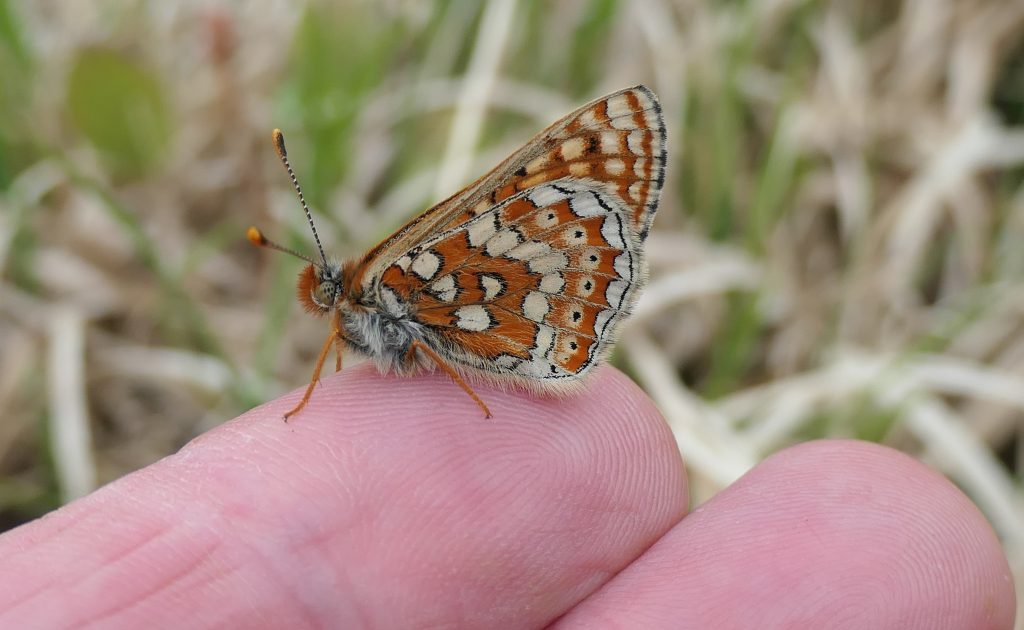
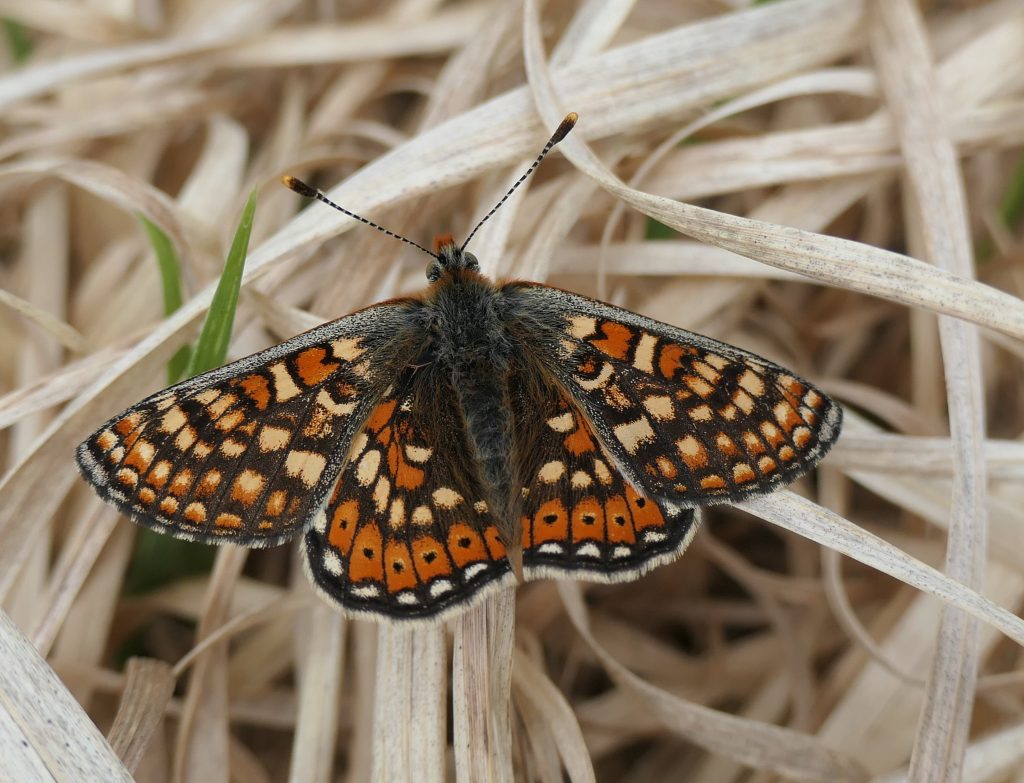
Marsh Fritillary male upperside, Lullybeg corridor, 12 May 2025. The Marsh Fritillary found in Ireland has much darker markings than those found in southern Europe.

Some of our adult butterflies are darker in colour than their counterparts in Britain and Europe, aside from those in colder, damper areas, especially in high mountains. Darker wings assist in warming the insect, helping it to prepare for flight; the darker colouration is a feature of the Dark Green Fritillary and Marsh Fritillary. Some species have later emergence times than their British and European congeners.

The Orange-tip emerges earlier in England, where it often begins to fly in March. In Ireland, mid-April is typically when its emergence begins. Some species that are double-brooded in England and Europe can produce only a single generation in Ireland. This univoltine character is not hardwired in the case of the Dingy Skipper and Small Blue in Ireland; the long period of good weather in 2025 from March to August resulted in a small second generation appearing in Ireland.

While butterflies deal with climatic conditions, when these are combined with other extremes arising from climate change, pollution and habitat loss, this will produce very different outcomes. Perhaps unexpectedly, some species will thrive, especially butterflies using nitrophilous foodplants. The sensitive species relying on nutrient-poor habitats are suffering losses. Only landscape-scale conservation can contribute to addressing their challenges.

Key References

Long, O. M. et al. (2017). Sensitivity of UK butterflies to local climatic extremes: which life stages are most at risk? The Journal of animal ecology. [Online] 86 (1), 108–116.

Ryan, C. et al. (2022). Long‐term trends in extreme precipitation indices in Ireland. International journal of climatology. [Online] 42 (7), 4040–4061. Available at https://rmets.onlinelibrary.wiley.com/doi/full/10.1002/joc.7475