National Symbols: the case for Leylandii

Ireland has a suite of national symbols and icons familiar to most of us. The concentric circles cut into the kerbstones at Newgrange used as the Heritage Council’s logo, the General Post Office, a national monument symbolising the campaign to secure Irish statehood following its use as the declared headquarters of the Irish Republic in 1916, the harp, a symbol of Irish music and culture, the round towers built by monks as bell towers in the Irish Christian and early Medieval period, Irish high crosses erected to teach the population about Christianity, the Book of Kells, representing Irish art and devotion to education and Christianity all resonate with Irish people. These are embedded in the national consciousness as visible symbols of Irishness. All are artefacts, human products.

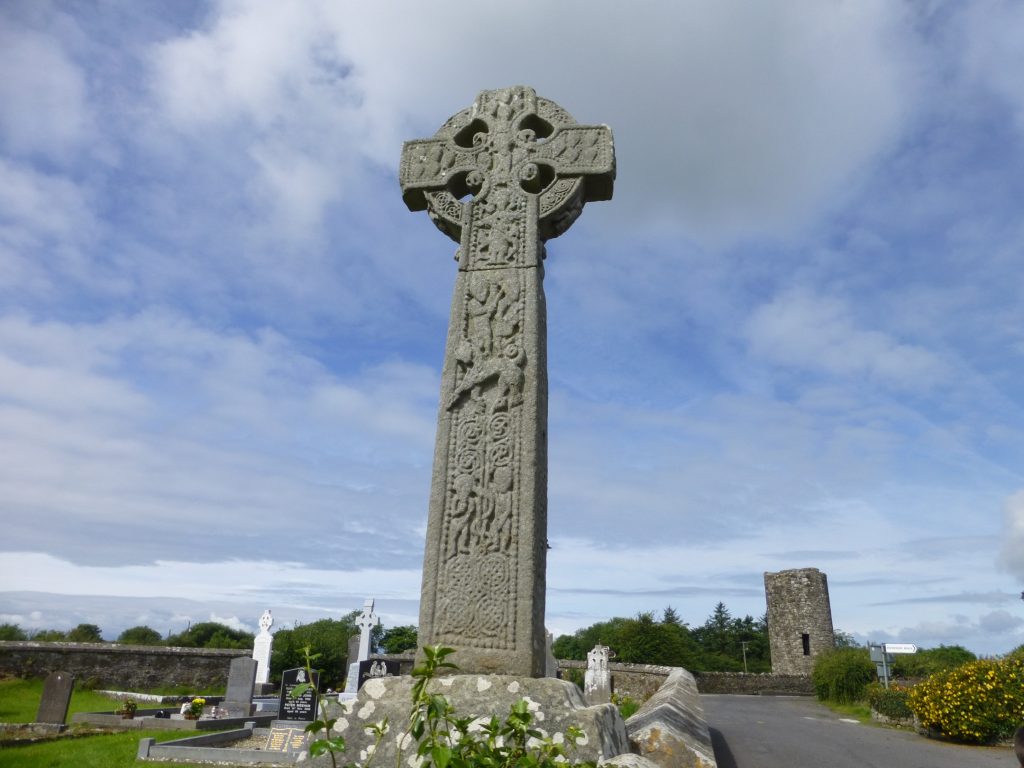
Drumcliff High Cross with round tower remnant in the background, Drumcliff, County Sligo.

Indeed, the harp and shamrock (whatever this is) are official symbols of the Irish state, registered by the Irish State to the World Intellectual Property Organisation (WIPO) some years ago as protected emblems of the State and thereby avail of international protection under the terms of Article 6 of the Paris Convention for the protection of Industrial Property.

Aside from the ‘shamrock,’ are there any living representations of Ireland? Not officially or legally, appears to be the answer.

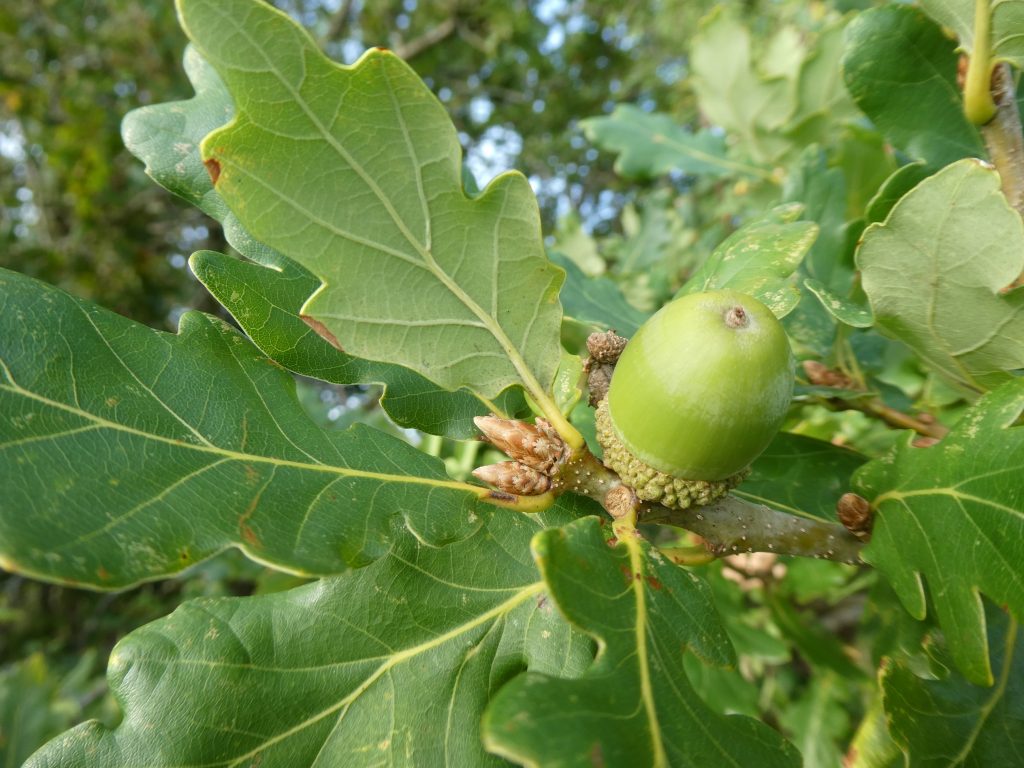
However, in 1990, the Sessile Oak Quercus petraea was declared Ireland’s national tree by then Taoiseach Charles Haughey, who also declared Ireland’s territorial waters as a whale and dolphin sanctuary. However, there is little to justify this designation. The only organisation that used the oak as its symbol was the Oakboys, Protestant agrarian rioters active in Ulster during the early 1760s. These opposed tithes (a tax paid to the Established Church) and a local tax levied to support local infrastructure. By 1763, the movement was suppressed.

Sessile Oak, Burren National Park, showing unstalked (sessile) acorn.

Sessile Oak occurs mainly on thin, well-drained acid soils in uplands, especially in Wicklow and in wet temperate rainforests in West Cork and Kerry. In the lowlands, it is replaced by the Pedunculate Oak Quercus robur.  However, what might support the Sessile Oak’s claim is its association with our most celebrated landscapes, such as Killarney, Glengarriff (Kerry), Glen of the Downs (Wicklow), Glenveagh (Donegal) and Rock Forest (Burren, County Clare).

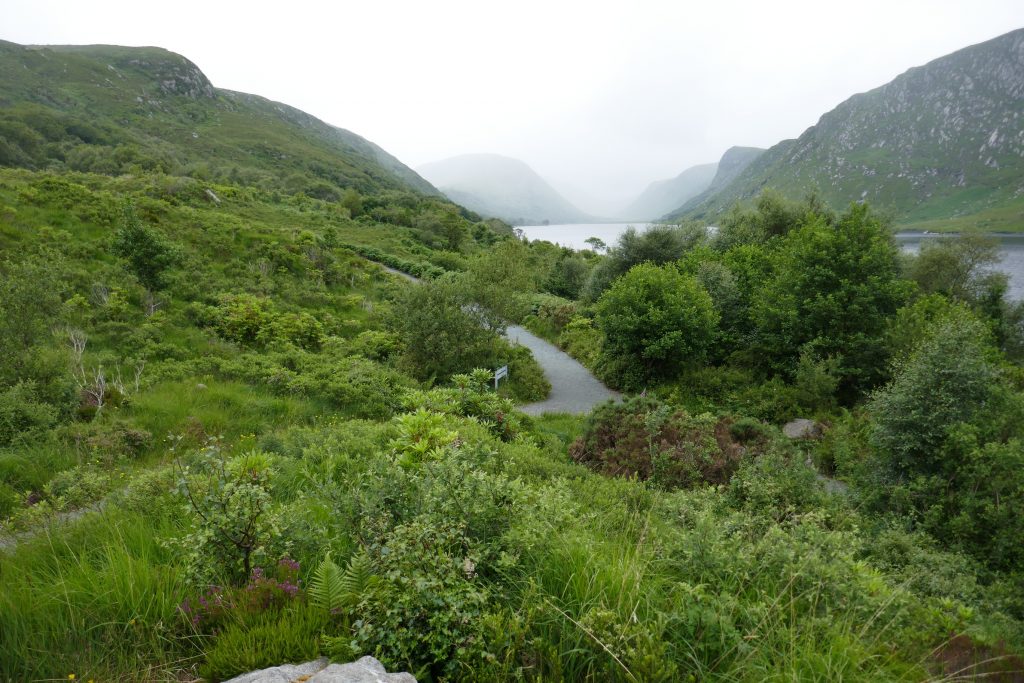
Glenveagh National Park, County Donegal. Note the presence of Rhododendron ponticum in the foreground.

In these areas, it occurs as Old Oak Woodland, an EU priority habitat. The 2025 Article 17 report (a report to the EU stating the conservation status of EU-protected habitats and species) describes the sad state of this habitat:

Historical habitat loss has occurred and still continues, although at a very low level. However, the greatest ongoing pressures on these woods come from invasive non-native species such as Rhododendron ponticum, Cherry Laurel (Prunus laurocerasus) and Beech (Fagus sylvatica), and overgrazing by deer. The Overall Status assessment is Bad with a deteriorating trend, unchanged since the 2019 report.

Oak woodland near Shillelagh, County Wicklow.

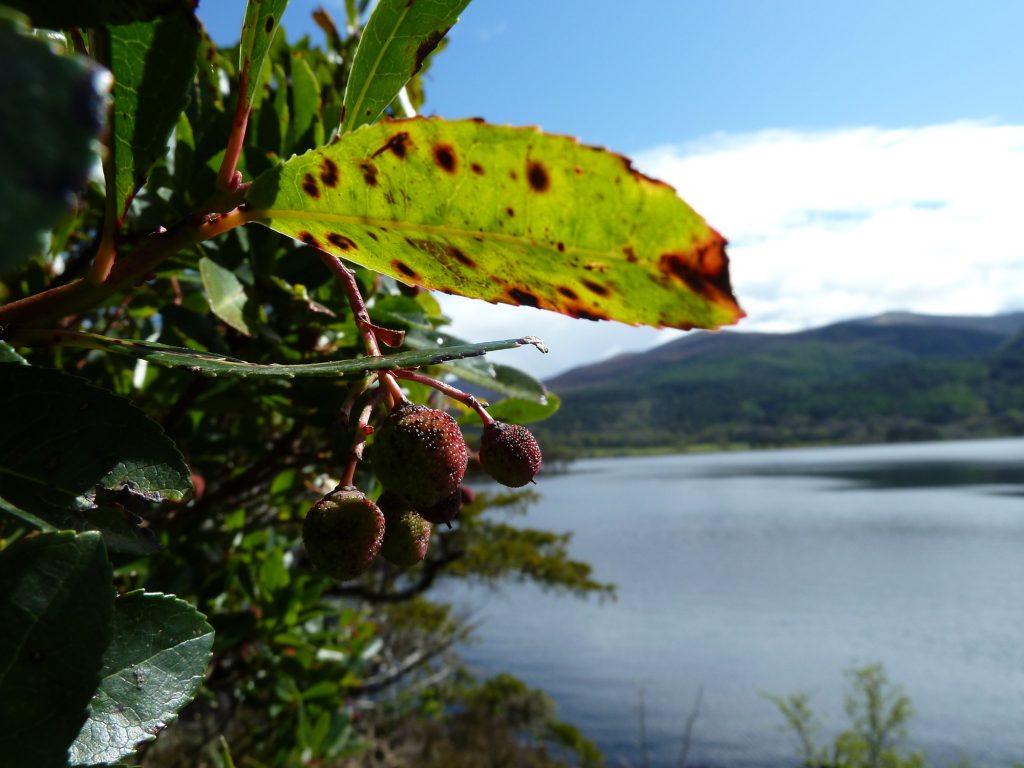
Another candidate for Ireland’s national tree is the Strawberry Tree Arbutus unedo. Attractive, unusual, and its strong association with Ireland’s iconic Killarney National Park support its cause. Confined to rocky places in Cork, Kerry and Sligo, it is uncertain whether it is a native plant, but as the pollen record confirms its occurrence here for the past 4,000 years, we might consider it an Irish plant. However, recent research by Sheehy Skeffington & Scott (2021) casts doubt on its native status in Ireland, considering it more likely to have arrived as an ancient introduction, brought from northern Iberia by miners who came to extract copper. Genetic analysis has shown that Ireland’s Strawberry Trees are closer to those found in Northern Spain than those found in Britanny. The 2021 study does not prove that the tree is an introduction, and there was no copper mining in Sligo, where it also occurs, around Lough Gill.

How is the Strawberry Tree doing? Ireland Red List No. 10 Vascular Plants records it as Near Threatened:

Population declines have been recorded at sites in Counties Cork, Kerry and Sligo, associated with a decline in habitat quality; future population reduction is suspected.

Strawberry Tree, Killarney National Park, County Kerry.

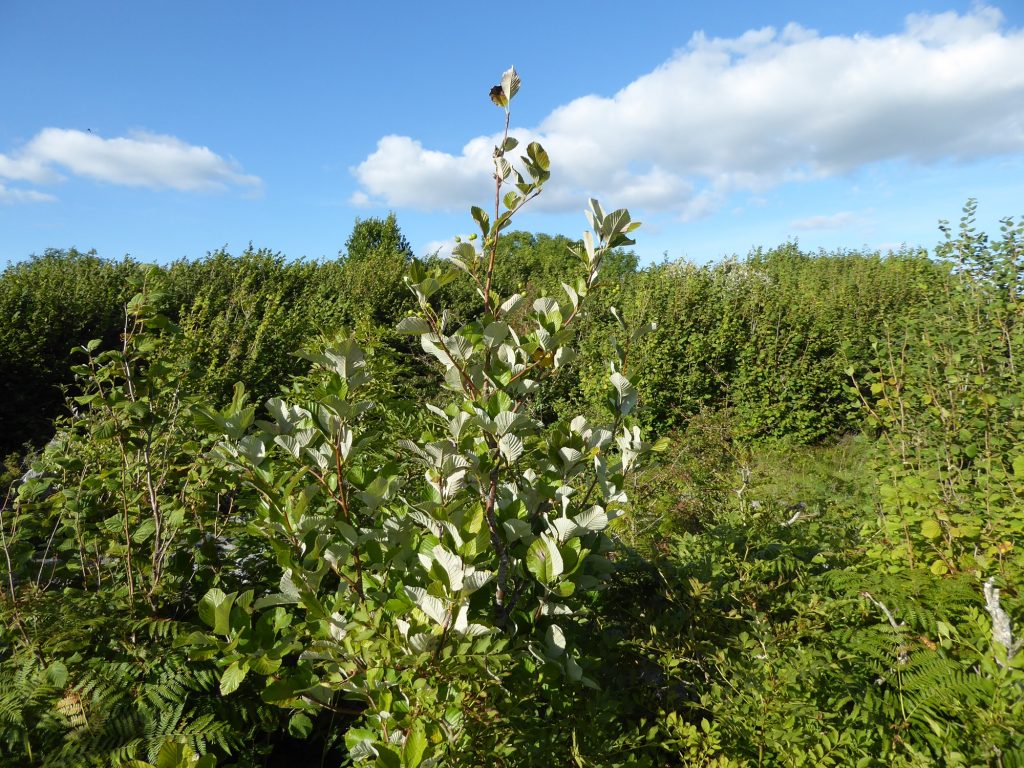
We have one widespread endemic tree (occurs only in Ireland), the Irish Whitebeam Sorbus hibernica. Surely that gives it a claim to the title, Ireland’s National Tree? It is assessed as Vulnerable, with fewer than 1000 individuals.

Whitebeam, possibly Irish Whitebeam, near Lough Fingal, County Galway.

Is there a national shrub? Gorse Ulex europaeus is a candidate. According to the website Wildflowers of Ireland,

This must be our most remarkable native shrub.  Throughout the year, the rich yellow peaflowers seem to light up the Irish landscape.  The 15-20mm long flowers, with their wonderful aroma of coconut, are borne on stems of spiny bluish-green spikes. The leaves have been modified over centuries into rigid and furrowed thorns which withstand the harsh conditions of winters at higher altitudes, making the entire bush one mass of prickles and spines. These shrubs form very many hedgerows around our fields, they line our country roads and particularly from February to May, when their flowers are in abundance, they are a sight to behold. 

Unlike the Sessile Oak, folk traditions associated with Gorse exist. It also has much greater prevalence in our landscape than Sessile Oak or Strawberry Tree, conferring greater familiarity. Its golden blooms certainly catch the eye of overseas visitors.

National Bird

We do not have a national bird, but several candidates have been suggested.  These are the Northern Lapwing (in steep decline as a resident breeder), Rook, European Robin, Peregrine Falcon, Roseate Tern (probably the best candidate as Ireland holds most of the European breeding population), Eurasian Curlew (down to around 100 breeding pairs),  European Golden Plover,  Barn Owl, Eurasian Blackcap, Common House Martin, Common Swift, Northern Pintail and BohemianWaxwing. Most of these have been suggested by BirdWatch Ireland’s Niall Hatch, with An Post (Golden Plover and Roseate Tern) and the Irish Examiner (Rook) chipping in.

National Mammal Candidates

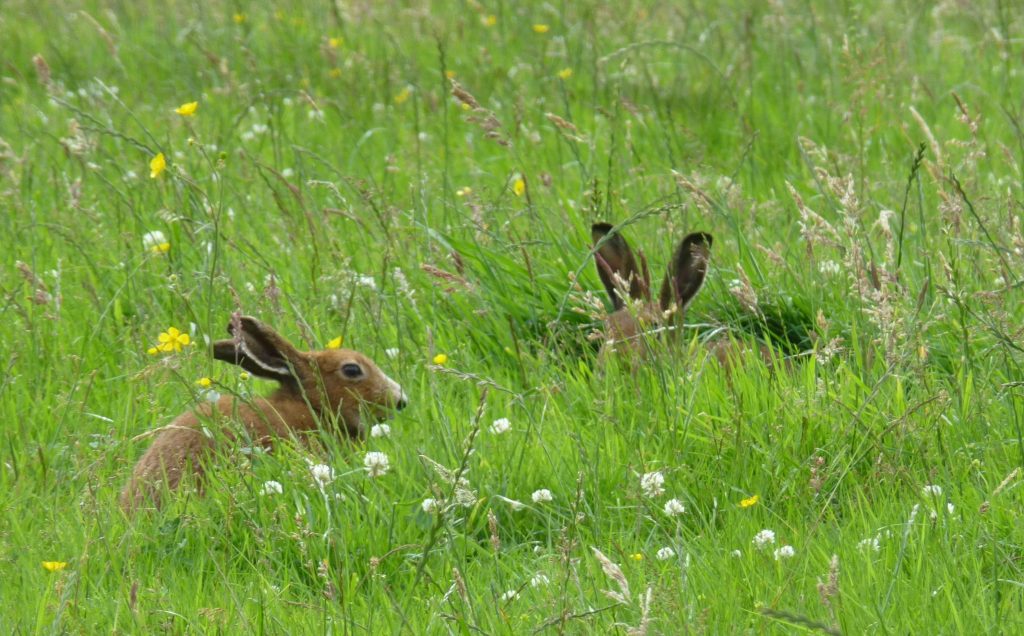
Ireland lacks a national animal, but the favourite is the Irish Hare Lepus timid, us hibernicus. With remains dating back to the late Pleistocene, over 11,000 years ago, it has certainly been with us for a long time. We are not very appreciative. The Irish Hare is hunted from November to March, according to The Irish Wildlife Trust. The Ireland Red List No 10 Terrestrial Mammals (published 2019) assesses it as Least Concern. The most recent estimates are 27,400 for Northern Ireland and 223,000 for the Republic. The Irish Hare is regarded as a unique subspecies, found only on this island.

Irish Hare, Lullymore, County Kildare.

The Irish Stoat Mustela erminea hibernica has some claim too. It is a near-endemic subspecies (also occurs in the Isle of Man). It has also been here for thousands of years and might have colonised along with the Irish Hare. It has been persecuted for taking poultry, but it appears to be in no danger and is assessed as Least Concern.

Popularity 

However, if popularity is accepted as a criterion for accepting a national icon, I fear the outcome. How many people have planted a native Sessile Oak or Pedunculate Oak in their garden, compared to other large trees? The same applies to shrubs.

Why not use popularity as the reason to choose Ireland’s national plants and animals?

Under this democratic consideration, how about Leyland Cypress Cupressus × leylandii, × Cuprocyparis leylandii or × Cupressocyparis leylandii as Ireland’s national tree?

It is commonly planted and much loved. Grown as both mature trees and hedging, it is ubiquitous in parks and in suburban and rural gardens. Its rapid growth makes it an effective screen, and it gives shelter from the wind.

What about Cherry Laurel as our national shrub? Our garden centres and nurseries do a roaring trade in this hedging plant. It wins the favour of more gardeners than Hawthorn or Gorse, fast-growing and evergreen, it forms a solid-looking hedge after a couple of years.

As for a national flowering herb, look no further than another garden favourite, Montbretia Crocosmia x crocosmiiflora. A hybrid (like Leylandii), it produces lance-shaped foliage and bright orange-red blooms. It expands its population with gusto, bringing an end to native hedge bank herbs by simply outmuscling these weaklings. It relishes the mild western counties and is exploding along roadsides, adding its colour to that of another rampant non-native, Fuchsia Fuchsia magellanica, another candidate for national shrub.

While Leyland Cypress, Cherry Laurel, Montbretia and Fuchsia damage our environment, these are popular with the public. We get the environment we deserve.

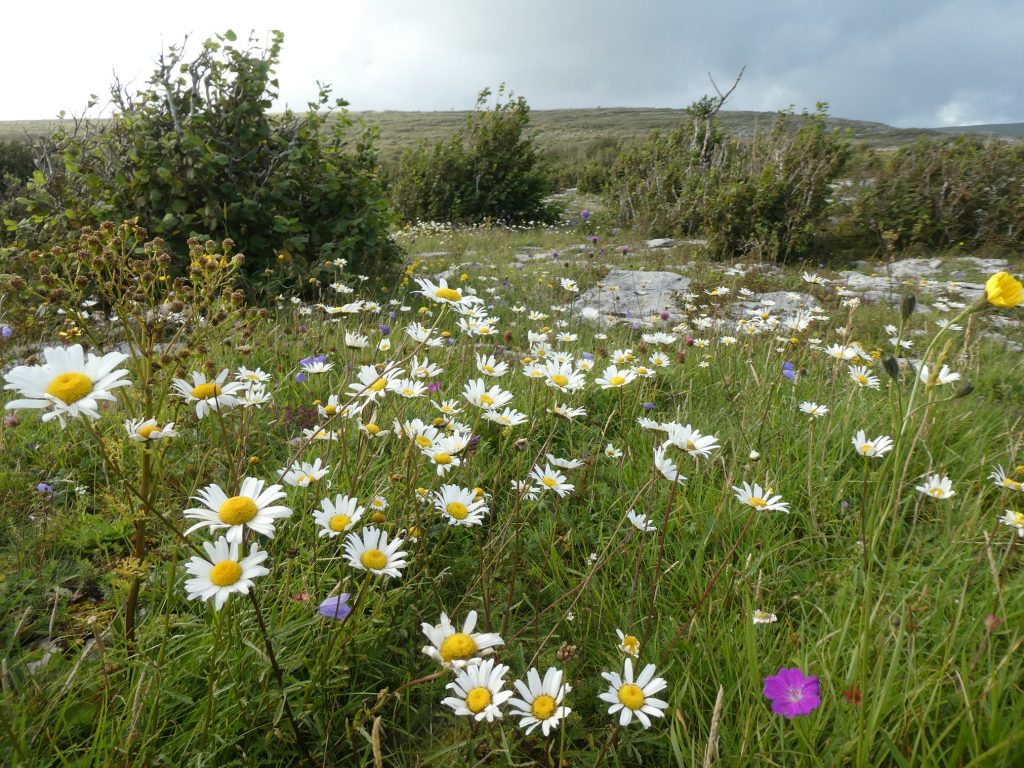
Species-rich habitat containing Hazel scrub and orchid-rich grassland, Burren, County Clare.

Native Trees

The best trees and shrubs to plant for nature are native species, grown from seed collected from wild sources in Ireland. These species support our moths and butterflies and many other animal groups.

A list of Ireland’s native trees can be found here:

https://consult.kilkenny.ie/en/system/files/materials/2915/Appendix%20G%20List%20of%20Native%20Trees%20and%20Shrubs%20City%20and%20County_0.pdf

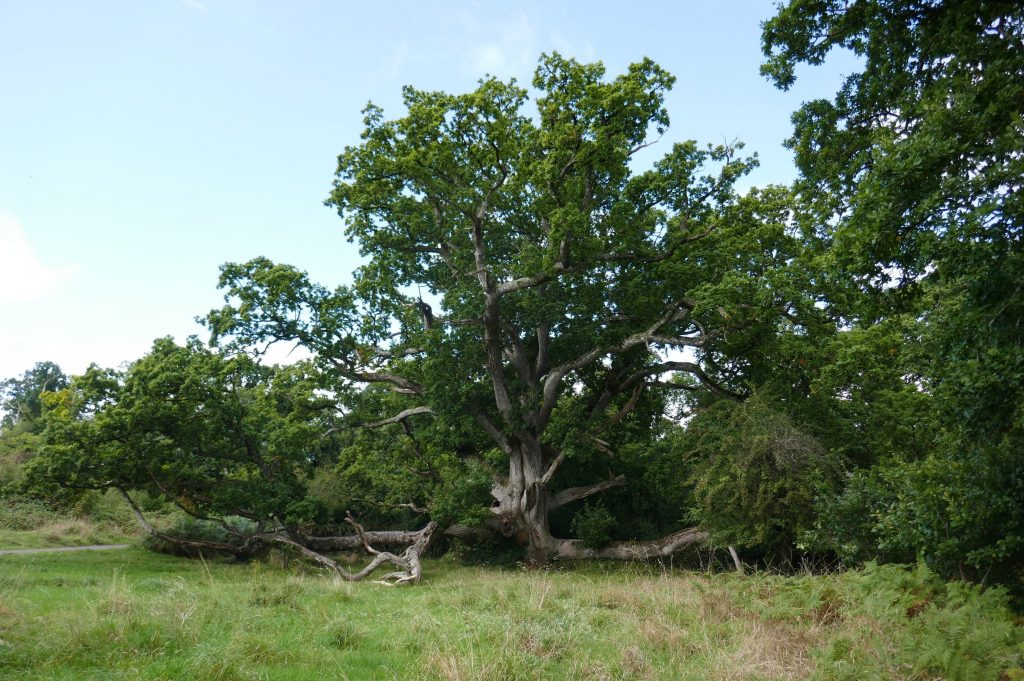
The King Oak, Tullamore, County Offaly. This magnificent Pedunculate Oak is a great candidate for Ireland’s national tree.

Photographs © J. Harding


Event Planned for 21 February Postponed to 28 February

The Lullybeg Reserve management day planned for Saturday, 21 February, has been postponed due to the adverse weather forecast.

The weather forecast for Saturday, 21 February, is for rain:

A mild, breezy and rather wet day tomorrow with further outbreaks of rain moving northeastwards: https://www.met.ie/leinster-forecast.html

We will try to hold the event on the following Saturday, 28 February. This event is described below.

Saturday 28 February 2026

Scrub clearing at Crabtree/Lullybeg Reserve, County Kildare

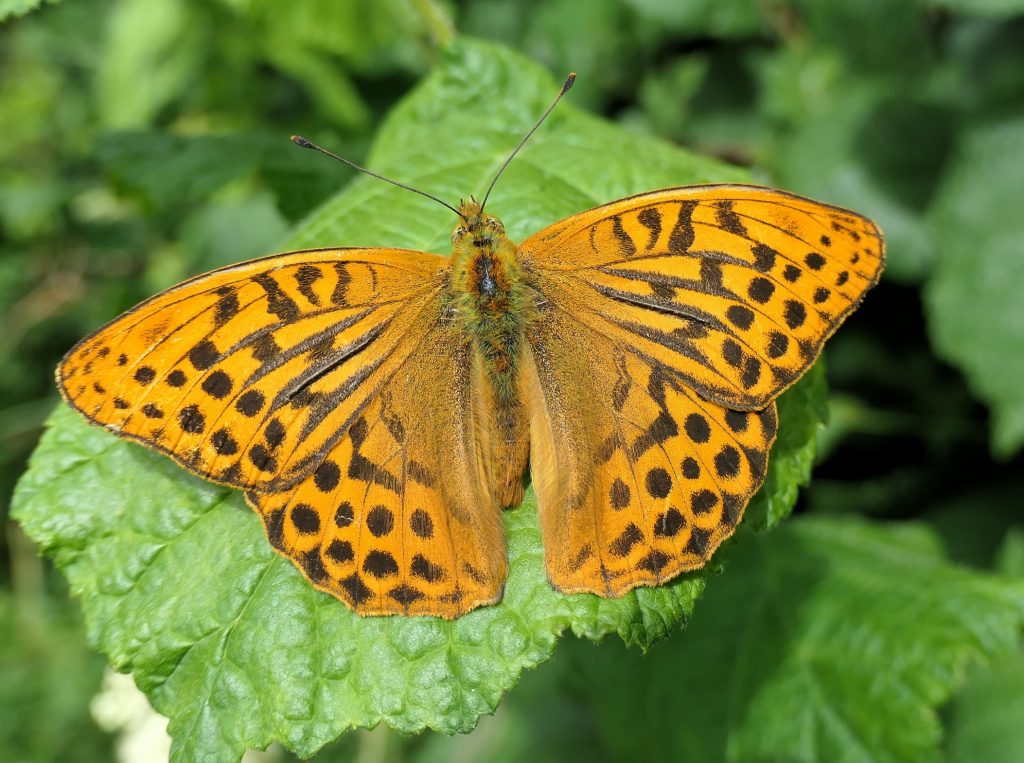
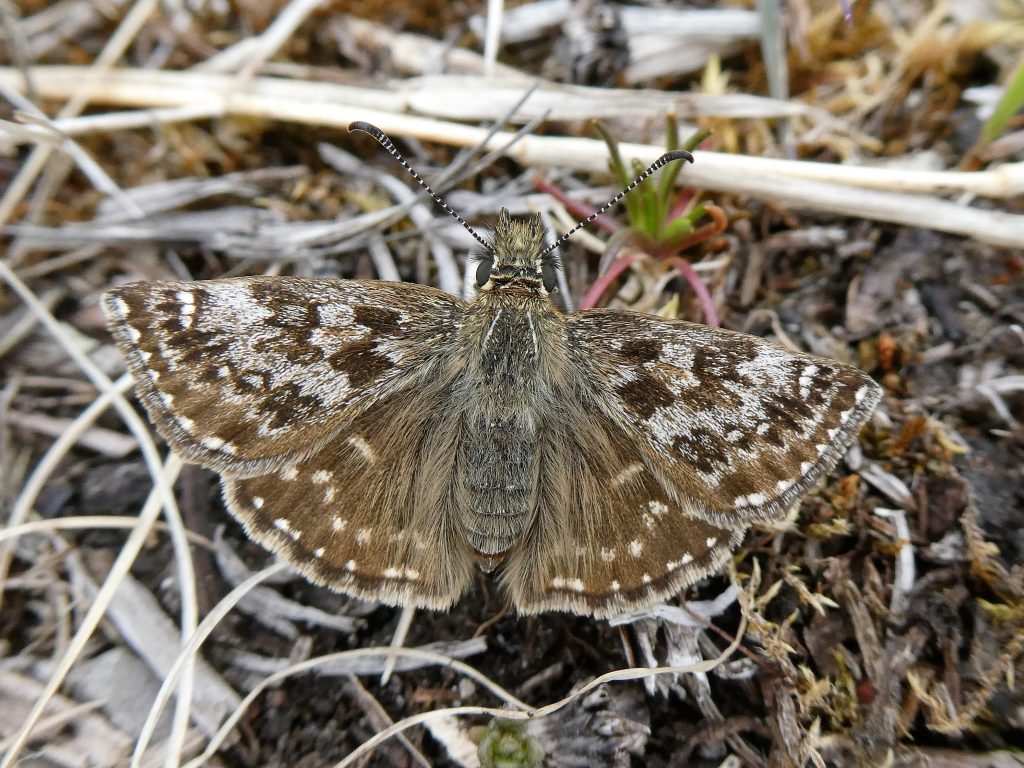
Meet on the site at 11:00 am for habitat creation for the Dingy Skipper, Dark Green Fritillary, Narrow-bordered Five-spot Burnet moth and other species. We will uproot saplings and cut back regrowth encroaching on part of the site and place the cleared material in piles. Please bring work gloves, boots, and loppers.

Directions: This is reached from Allenwood by taking the R414 west and crossing Shee Bridge 1km from Allenwood on the left. Continue for 4 km, and the Bog of Allen Nature Centre is on the right. Turn right here and continue for 100 metres to the T-junction. Turn left here along the track and continue. Pass through three gates. After the third gate, turn sharply left along the rough forest track for 500 metres and you will see the sign for the reserve. The site grid reference is N687 256. See Discovery Series 49.

We apologise for any inconvenience.


Native Woodland Planting: A winter and early spring activity

Dull rainy days dogged our lives for the last three months, but dry spells offer the chance to venture out and do something useful. Our native woodland cover is pitifully low, generally restricted to steep slopes in remote areas of the west of Ireland. When native trees are planted, these are most often from foreign sources. This is indicated by the EU plant passport tag attached to the trees.

Importing native tree species from abroad can produce very harmful results, such as introducing non-native insects that impact our ecosystems. One organisation that has a mission to plant native wood using native trees grown from wild Irish seed is Hometree. Their organic tree nursery, based in Ennistymon, County Clare,  grows affordable native trees for woodland and hedgerow planting. Their tree output consists of

Alder – Alnus glutinosa
Downy Birch – Betula pubescens
Goat Willow – Salix caprea
Grey Willow – Salix cinerea
Hawthorn – Crataegus monogyna
Hazel – Corylus avellana
Pedunculate Oak – Quercus robur
Rowan – Sorbus aucuparia
Scots Pine – Pinus sylvestris (taken from an ancient source in the Burren)
Sessile Oak – Quercus petraea.

They offer hedgerow species:

Hedgerow Bundle (mix of 5 species)
Grey Willow, Goat Willow, Crab Apple, Wild Cherry, Elder, Hawthorn, Hazel, Sessile Oak, Downy Birch, Pedunculate Oak.

Tree bundles (25 trees from €90.80 plus postage) are selected tree mixes suited to different planting contexts. Trees are between 80 cm and 150 cm and are bare-root. Trees are available as single-species and mixed-species bundles. For example, they provide a wet Woodland Bundle that consists of  Alder, Downey Birch, Goat Willow, Hazel, and Pedunculate Oak.

A landscape-scale project, the Iveragh Peninsula European Innovation Partnership, aims to protect, restore and increase native woodland in upland areas in the Iveragh Peninsula in County Kerry. This area is within the temperate rainforest zone and is ideally located to host the rare Annex I Sessile Oak habitat.

Most nurseries do not use Irish seed from old woodland to grow native trees. Hometrees does: https://www.hometree.ie/about

Maynooth Presbyterian Church

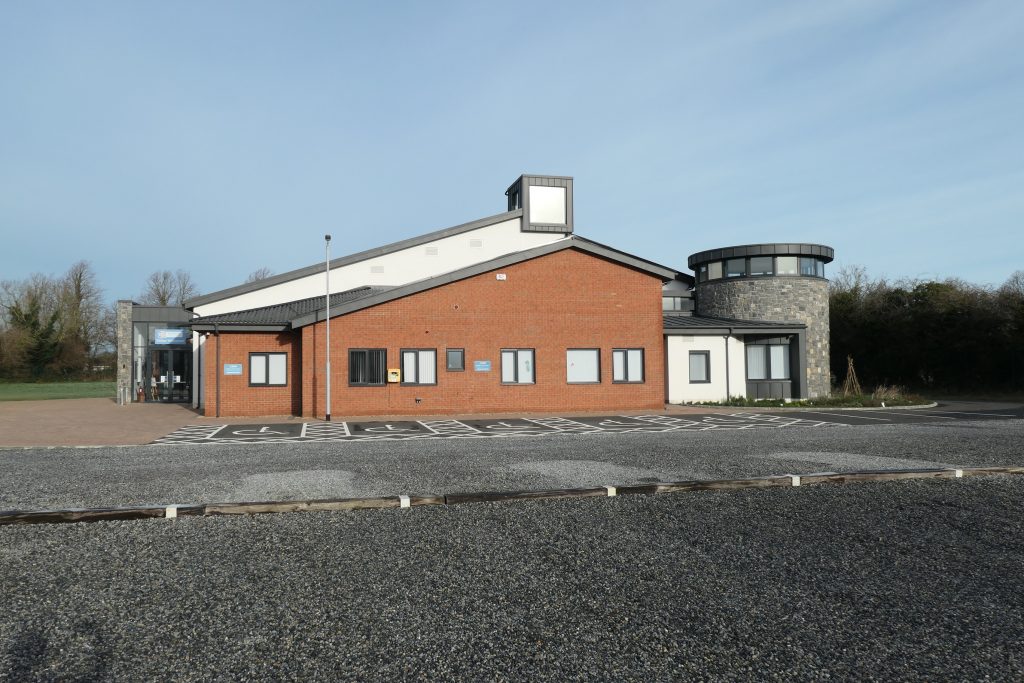
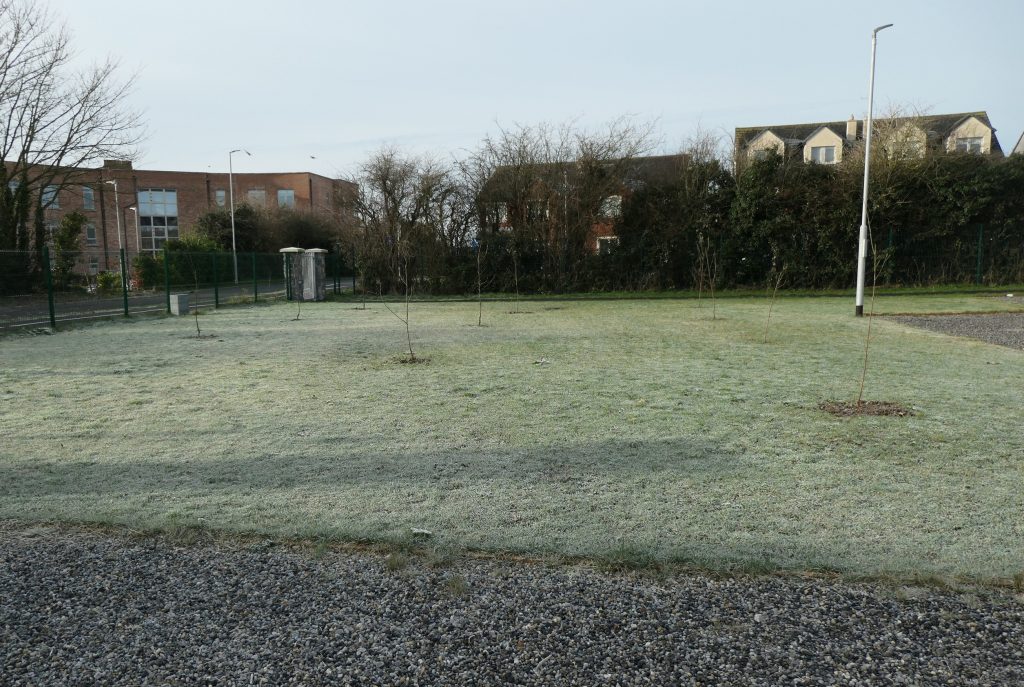
A local project Butterfly Conservation Ireland has been involved in is the planting of native woodland in the grounds of the new Presbyterian Church in Maynooth, County Kildare. The church opened its new building in 2024, the first Presbyterian Church built in the Republic of Ireland since 1915 (Arklow, County Wicklow).  Set on just over three acres, the site is bordered by native hedges on two sides and on one side by the historic Carton Avenue, a Lime walk. The church is anxious to give back to nature, conscious that some of the land was used for the building.

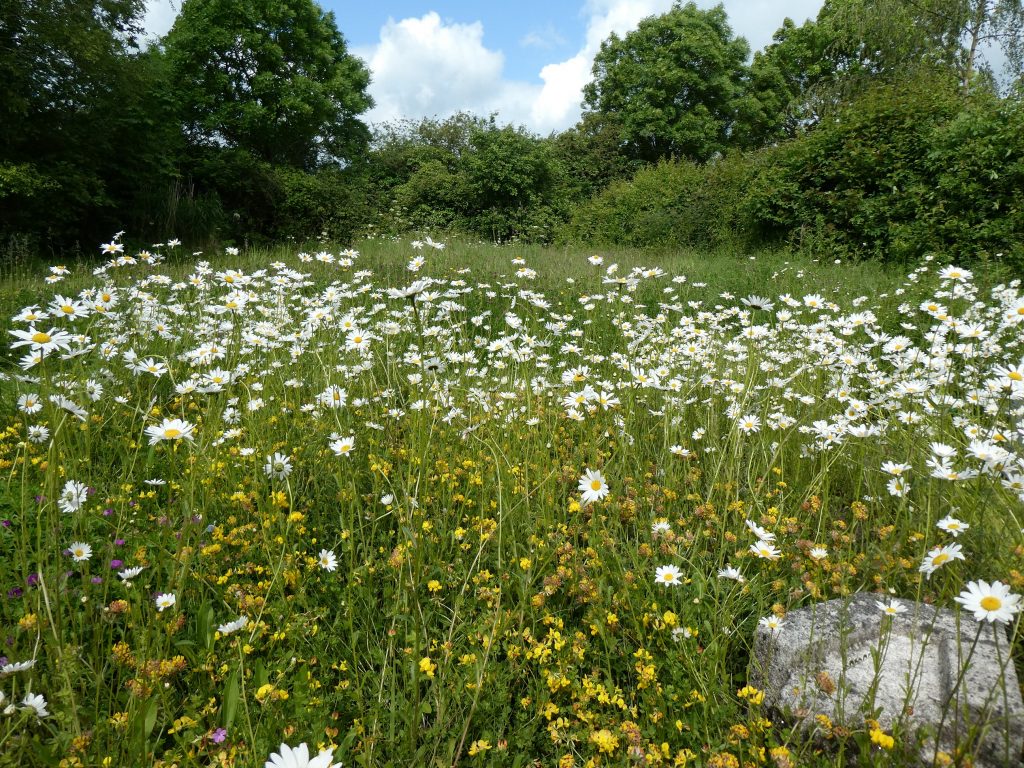
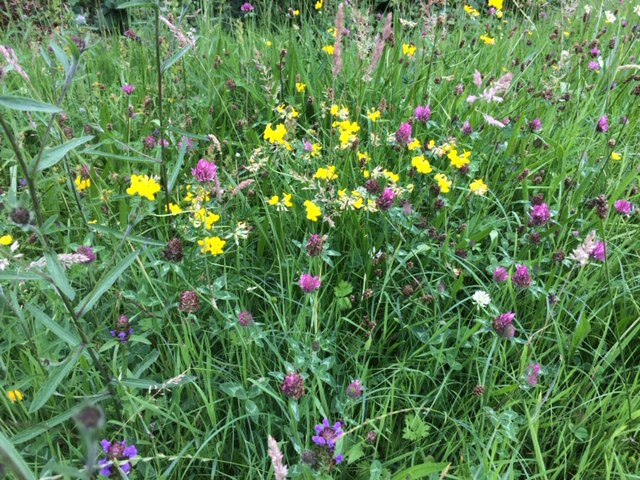
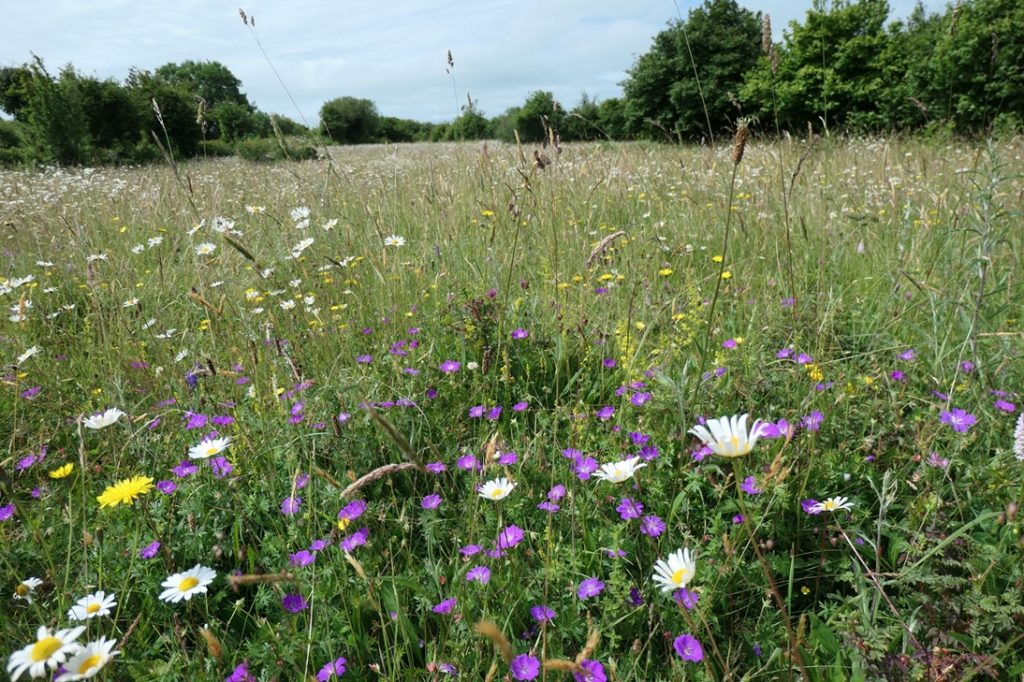
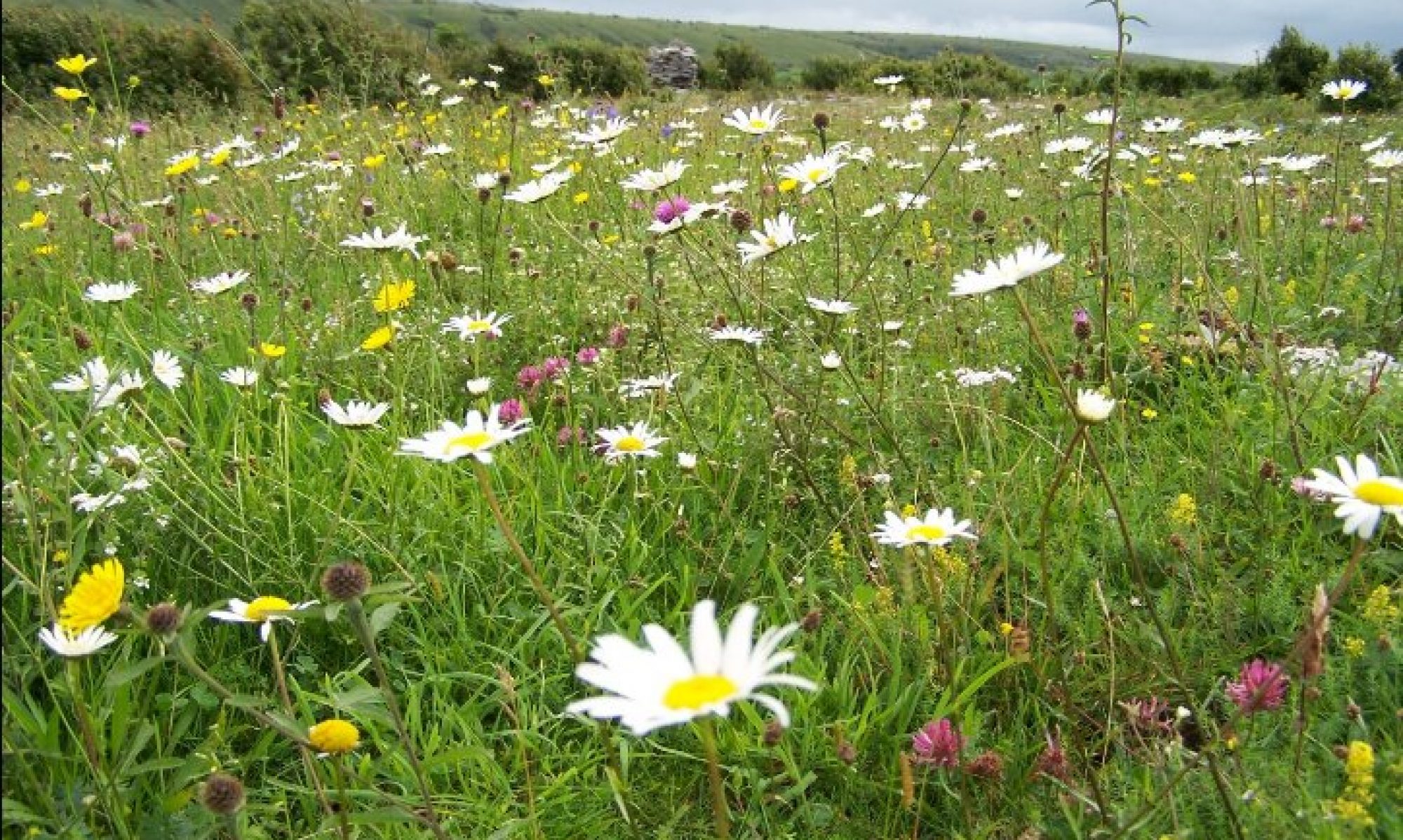
Wildflower meadow and orchard at the front of the grounds. The grassland has been sown with Common Knapweed, Devil’s-bit Scabious, and Ox-eye Daisy, among other flora.

We sowed a wildflower meadow at the front of the site along with fruit trees. The idea is to have a French-style orchard that doubles as a wildflower meadow. Orchards are very good for nature, especially if the trees are not artificially fertilised and no herbicides and pesticides are applied. This will be fully organic.

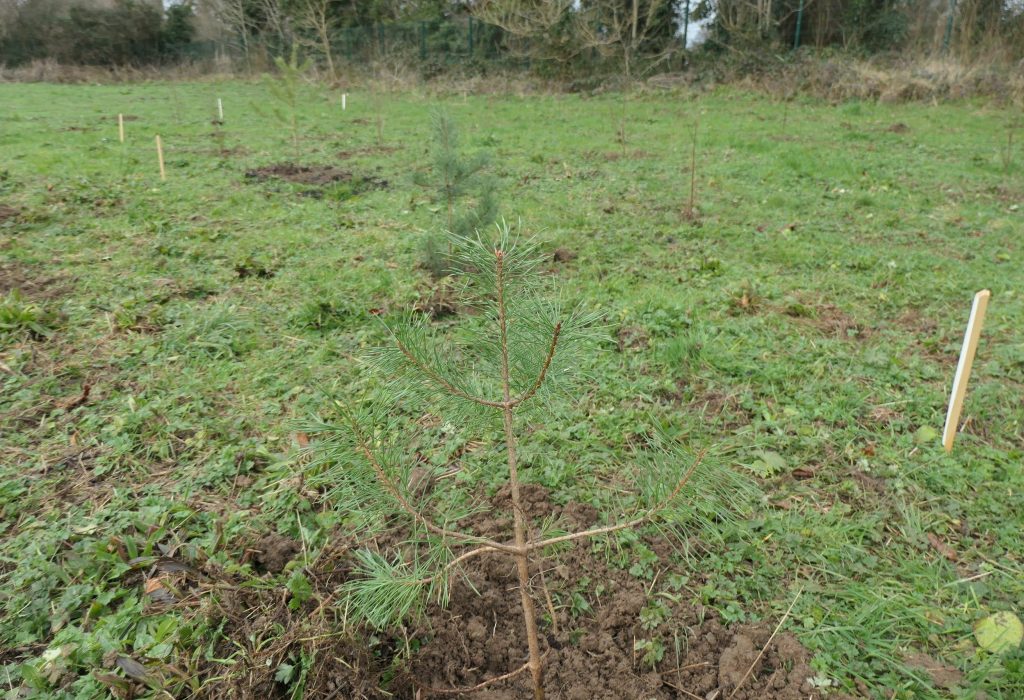
At the rear of the site, bordered by Carton Avenue, over 100 native trees were planted. All are of local origin except the Pedunculate Oak, which came from Hometrees. Alder and Purging Buckthorn, Grey Willow, Downy Birch, Hazel, and Scots Pine (excellent for ladybirds) are now in place.  This will host woodland species in the years ahead, adding biodiversity and character to the grounds.

One of the Scots Pines we planted in the church grounds.

Planting locally, in your garden, in public land, in places such as church and school grounds, not only adds to nature’s resources, but watching these woods develop on your doorstep creates a pride in your area, helps to build a community and helps you to contribute to nature restoration in a meaningful way.


Here comes the rain

Here comes the rain again
Raining in my head like a tragedy
Tearing me apart like a new emotion
(Annie Lennox, Dave Stewart)

One topic that we rarely tire of is the weather. In the colloquial sense, Ireland does not have a climate; it has weather. Our weather influences every living thing in Ireland, and the irascible unpredictability of conditions permeates our national obsession with the rain, sunshine, wind, and temperature that exerts such influence over our experience of life.

Met Éireann, the state’s meteorological service, describes Ireland’s climate by referring to just two seasons: ‘Winters tend to be cool and windy, while summers (when the depression track is further north and depressions less deep), are mostly mild and less windy.’ (1) So, cool and windy and mild and less windy. As Father Ted says when giving directions, ‘The field with fewer rocks than most fields you see.’

Another constant, aside from unpredictability, is rainfall. Cold, bitter, splashy, severe, gentle, soft, relentless, intermittent, you name it, we get it, sometimes more than one form simultaneously. We are an island, surrounded by wet stuff, so, unsurprisingly, it is soaked into our national consciousness.

The rain and its best friend, the grey sky, are the reasons we love to holiday abroad. I doubt many of us like trusting our lives to Ryanair, but to get off this island to sunny climes, we need to escape by air to get our annual doses of Vitamin D.

Hay meadow and scrub in the Burren National Park, Co. Clare. Free-draining soils might suffer from increasing summer heat and dryness.  Photo J. Harding.

Even this is becoming a problem. Anyone who has holidayed in southern Europe in June, July or August over the last decade will know how unpleasant the heat has become. It is intolerable. One cannot venture outdoors after 10 or 11 am, and it is not until around 4 pm that it is safe, let alone comfortable, to put a foot outdoors. In July 2019, I arrived in Malta at two in the morning. It was 27 degrees Celsius. Many of us are now booking our sun holiday for April, and September and October for this reason. This ensures that you get the desired sunshine while temperatures are like those in a ‘nice’ Irish summer.

But will this change? Met Éireann thinks so. According to its climate change page, summers will be hotter and drier with temperatures possibly rising by more than 2°C, and rainfall decreasing by approximately 9%. Winter will be hotter and wetter, with temperatures possibly rising by more than 2°C, and rainfall possibly increasing by up to 24%. These are not baked in certainties but will depend on the degree of future climate warming.

At present, we are seeing increases in summer and winter precipitation of 2.71mm and 4.05mm per day, respectively. An increase in the global temperature average of 1.5 °C will see a 1.37% decline in summer precipitation and a rise of 11.24% in winter precipitation. By winter, Met Éireann means December, January and February. Summer is June, July and August. We are at 1. 3 °C above pre-industrial levels. Projections are made for +2 °C, +3 °C and +4 °C, if you can bear to look. (2) The magnitude of rainfall events is also expected to increase. (3)

These increases are probably partly due to natural causes, but not only to these. Science has pointed strongly at human behaviour as a leading cause of climate change.

Natural factors that influence climate are altitude, latitude, distance from the sea, ocean current, direction of prevailing winds and El Niño, which affects wind and rainfall patterns.

Another natural factor is vegetation, and human behaviour is altering the planet’s vegetation cover, especially by removing trees, adding to emissions of gases that heat the planet’s atmosphere. Human activities, especially modern farming and burning fossil fuels, add to anthropogenic global warming.

Some of the changes exceed the ability of living things to adapt. For example, decreased rainfall means that some plants that require an adequate store of water in underground tubers during their dormant periods could struggle to survive. The decline in soil moisture might have caused the likely extinction of the orchid Yellow Spider Orchid (Ophrys lacaitae) on Malta. Increased windiness causes tall flowering plants to sway, making them less accessible to pollinators. Species like the Bee Orchid Ophrys apifera, is taller, reaching up to 70 cm in height, and might be less visible to pollinators as well as harder for pollinators to reach in windier conditions. (4)

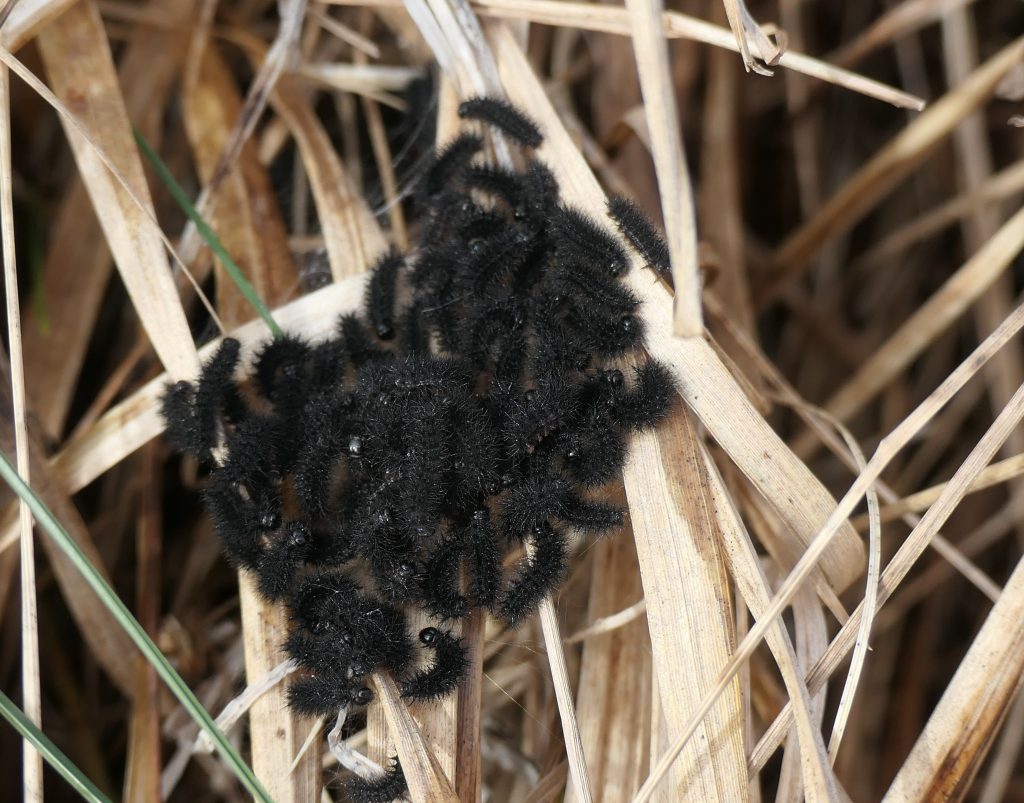
Marsh Fritillary larvae clustered together on Moor-grass. The Marsh Fritillary larvae are highly vulnerable to summer flooding.

In southern Europe, the Meadow Brown (and other species) show adaptive behaviour, coping with extreme summer heat by retreating to woods and scrub during intense summer heat and emerging later to lay eggs. If Ireland ever experiences such heat in the future, where are the woods for it to retreat to?

Some conditions do not allow for survival. Intensive farming has a major impact on wildlife by simply removing habitat or modifying it beyond the ability of plants and animals to survive. The impact of artificial fertilisers on the survival of some moth and butterfly larvae is already known. The effect of nitrates on water, air, vegetation and climate change is also well established.
Unfortunately, we tend to react when changes we don’t like are already occurring. ‘Why weren’t we warned?’ cried those badly impacted by recent flooding in Dublin and the southeast. Warnings have been published for years. It is only when the warned event happens that we ‘know’ it’s true.

A call to build flood defences was made by Dr Clare Bergin, Maynooth University, to deal with climate change-induced flooding. (5) Most of our drainage measures are designed to remove water from land asap. In fact, these measures are everywhere. Drainage ditches are found almost everywhere in Ireland, along roads, the edges of fields, alongside rivers, and in deepened and dredged rivers and streams. Bogs and fens had drainage channels dug to drain water before peat cutting could proceed. In most state-owned bogland that has been cut for peat, those not gravity-drained are kept drained by using pumps. On most state-owned peatland these pumps are still in operation, delivering vast quantities of water to rivers. Before our lowland bogs were bogs, they were lakes. Following peat extraction, they will return to being lakes, holding water rather than swelling rivers, if pumps were switched off. Here is one solution to flooding. But I don’t hear anyone mentioning it.

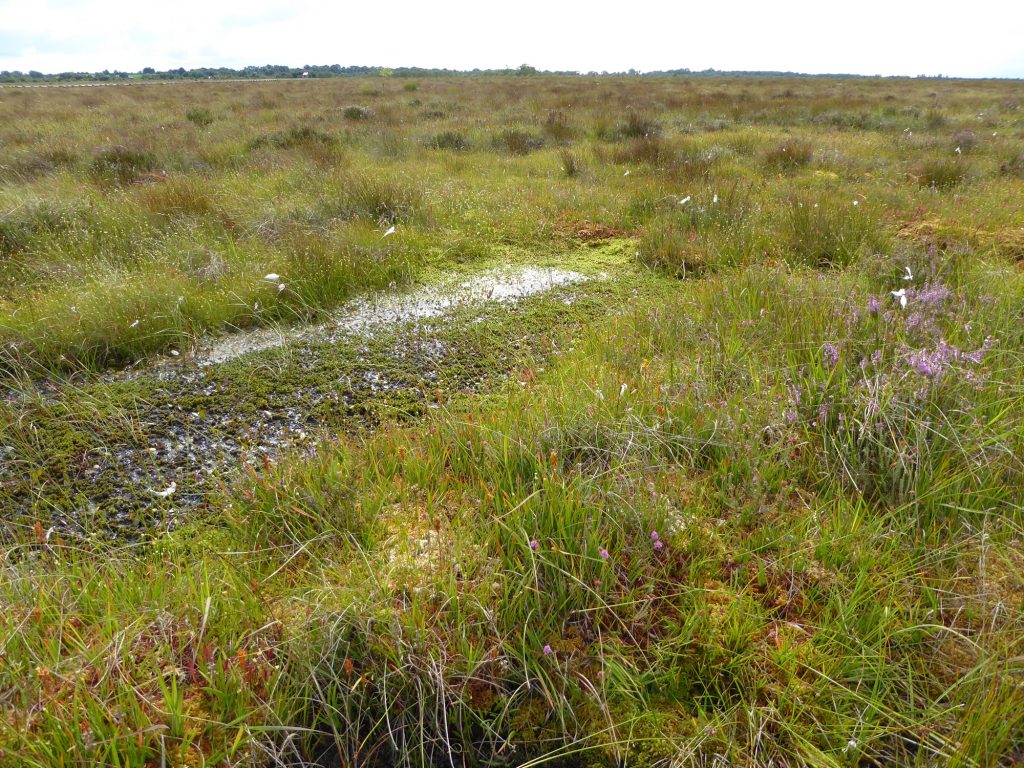
The way it should be; Clara Bog, County Offaly. Bogs hold enormous quantities of water. Sphagnum moss acts as a sponge; plants may hold 16 to 26 times as much water as their dry weight, depending on the species. (Bold, H. C. 1967. Morphology of Plants. Second ed. Harper and Row, New York. p. 225–229.)

Farmland must also be allowed to flood. Time was when every farm had a pond. These were filled in, and water pushed off land as fast as possible. The movement of water must be slowed, not accelerated. This water moves to the coasts. Most of Ireland’s population lives in the low-lying east, in coastal areas, near estuaries. Nowhere is more likely to see flooding.

Restoration of wetlands (marshes, both freshwater and salt, fens, bogs, wet meadows, lakes, ponds, reed beds) must be applied to both abate flooding and absorb warming gases. Our wildlife will benefit hugely too.

Now get on with it. But don’t blame nature, don’t blame the Freshwater Pearl Mussel Margaritifera margaritifera. Blame what we did to nature and reverse the damage.

Footnotes

1.  https://www.met.ie/climate/climate-of-ireland

2. https://www.met.ie/climate/climate-change

3. https://www.maynoothuniversity.ie/icarus/news/new-study-finds-climate-change-increases-flood-risk-southeast

4. Mifsud, S (2018). Orchids of the Maltese Islands. Green House, Malta.

5. https://www.rte.ie/radio/radio1/clips/22580181/