Spring
Nothing is so beautiful as Spring –
When weeds, in wheels, shoot long and lovely and lush;
Thrush’s eggs look little low heavens, and thrush
Through the echoing timber does so rinse and wring
The ear, it strikes like lightnings to hear him sing;
The glassy peartree leaves and blooms, they brush
The descending blue; that blue is all in a rush
With richness; the racing lambs too have fair their fling.
What is all this juice and all this joy?
A strain of the earth’s sweet being in the beginning
In Eden garden. – Have, get, before it cloy,
Before it cloud, Christ, lord, and sour with sinning,
Innocent mind and Mayday in girl and boy,
Most, O maid’s child, thy choice and worthy the winning.
Gerard Manley Hopkins, North Wales, May 1877
It is now March, not May, so the explosion of vitality and sound is yet to come. For Hopkins, spring is a time of happy innocence, a time to grab its joy, “Have, get, before it cloy,” before it sours “with sinning.”
Our disrespect for our world is expressed not only through direct action but also through ignoring the beauty around us. If we are unaware of nature, its destruction can occur without anyone knowing enough to cry stop. We are running out of Edens to love and enjoy.
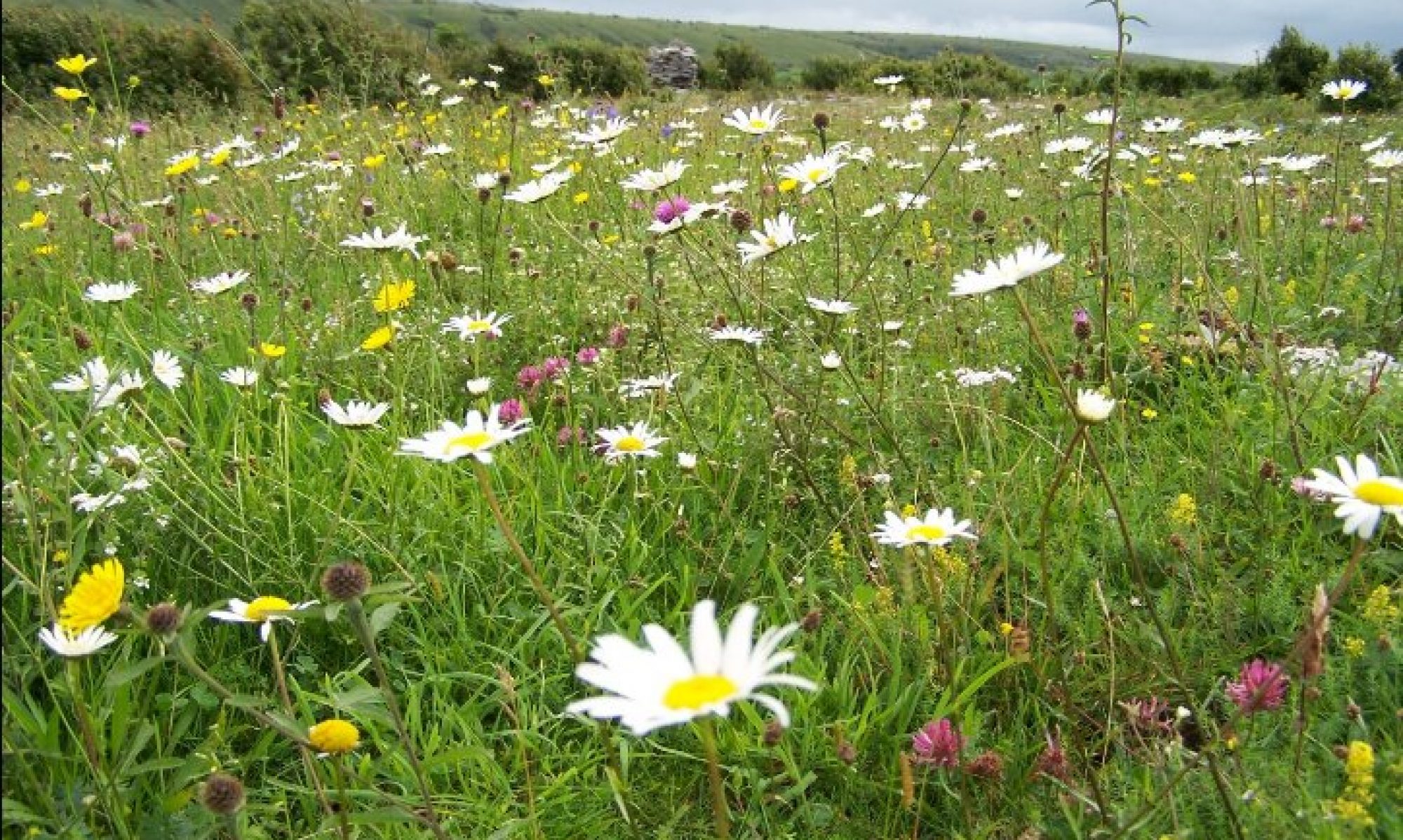
We seem to want to squeeze money from our Edens. Be it wind and solar energy installations on bogs to fuel more data centres (not to bring down energy bills), motorways to knock a few minutes off a journey (the N18 through orchid-rich grassland in County Clare), wetlands drained to bring more land into intensive, nutrient-boosted agriculture, we always want to find a ‘use’ for nature. We continue to degrade our planet:
Generations have trod, have trod, have trod;
And all is seared with trade; bleared, smeared with toil;
And wears man’s smudge and shares man’s smell: the soil
Is bare now, nor can foot feel, being shod.
(God’s Grandeur, Gerard Manley Hopkins, 1877, published 1918)
Yet, in the following lines, Hopkins moves from this bleak picture of man’s greedy exploitation to celebrating nature’s resilience:
And for all this, nature is never spent;
There lives the dearest freshness deep down things;
And though the last lights off the black West went
Oh, morning, at the brown brink eastward, springs —
Because the Holy Ghost over the bent
World broods with warm breast and with ah! bright wings.
Indeed, it does seem that spring restores nature. What was bare becomes clothed in foliage, glassily emerald in crystal spring light. Animals detect increasing day length and temperature, calibrating their breeding season accordingly.
Hopkins wrote his poetry before the ferocious onslaught of intensive agriculture, before an excavator or a single spread of slurry or a dose of artificial fertiliser could destroy ancient habitats in an afternoon. I wonder if Hopkins would write God’s Grandeur if he were alive today. Could his powerful Christian faith still inspire his view that nature can recover?
Nevertheless, some poets see nature’s beauty in the ugliest of settings. It is a gift to see beauty in the midst of unedifying situations. In Elizabeth Bishop’s double sonnet, The Prodigal, the sickening conditions of a putrid pigsty are juxtaposed with images of beauty and hope, offering the prodigal worker courage:
But sometimes mornings after drinking bouts
(he hid the pints behind a two-by-four)
The sunrise glazed the barnyard mud with red;
The burning puddles seem to reassure.
And then he thought he almost might endure
His exile yet another year or more.
Nature is deeply ingrained in our culture. Elizabeth Bishop references the biblical parable of the prodigal son, who wasted his father’s resources on depraved living before toiling in a pigsty, which wrought a sobering influence, causing him to “finally make up his mind to go home.”
Home for the first humans in the Book of Genesis was a garden, in effect, the natural world before Adam and Eve began to exploit its riches for selfish reasons and were exiled by God. Significantly, their punishment was to become farmers, feverishly tilling the soil to survive, rather than live a full life in harmony with nature in Eden.
Harmonious living with nature, once lost, was unrecovered. The prodigal son wanted to escape the tough life of intensive farming, so he swallowed his pride and returned to his father, offering himself as a servant.
What’s the point of this?
In neither example did the protagonists understand what it was to live in harmony with nature. There had to be a better, more exciting future out there. Casting aside their identities to live as they arrogantly pleased, life became miserable, and they lost what was good and true in their lives.
Today, we have so badly damaged our countryside that only small pockets of Eden remain. We visit our Edens to see our favourite butterfly, bee, and flower, but we have to leave them as we return to the banality of the general countryside. Our towns could be much better for nature too, but we have to spray, tidy, trim and decorate with non-native garden centre gaudies that offer nothing to wildlife. These often contain no pollen, nectar or other food for those creatures that would share our built environments if we let them.
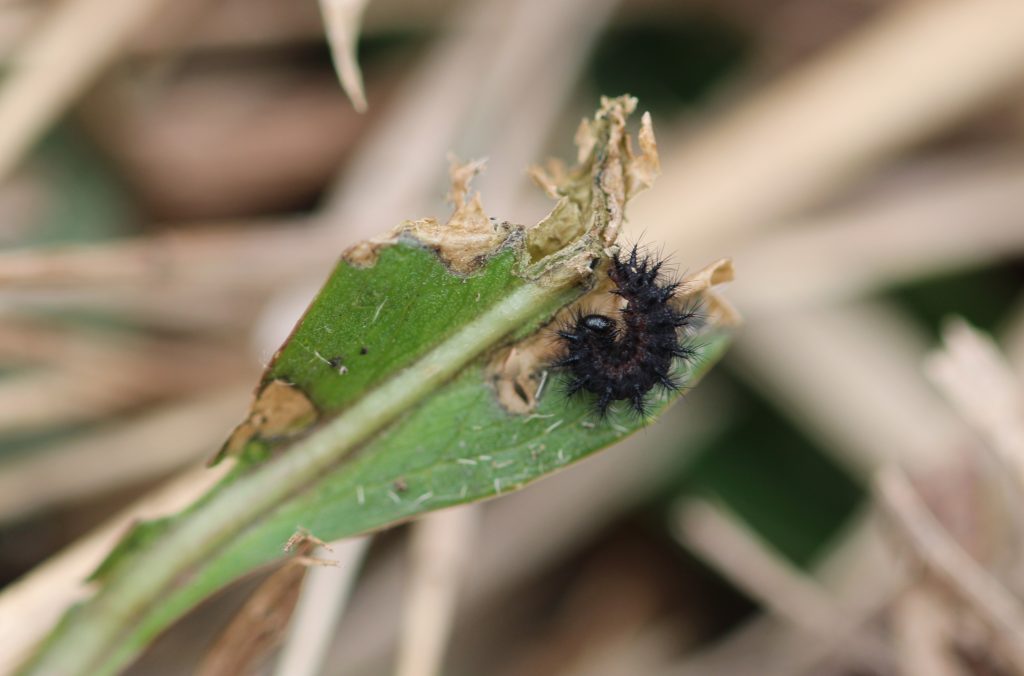
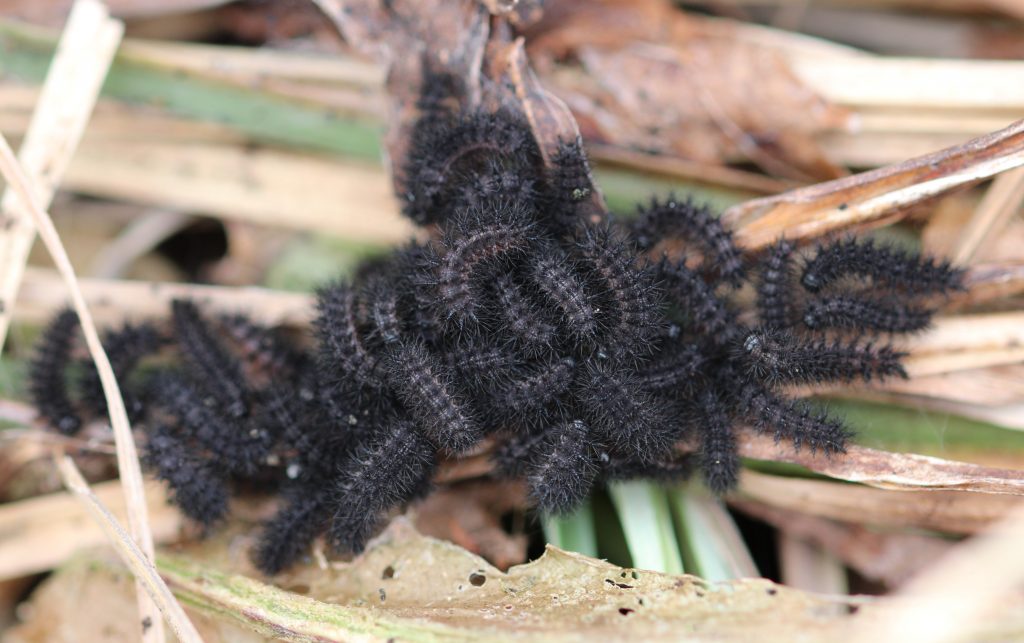
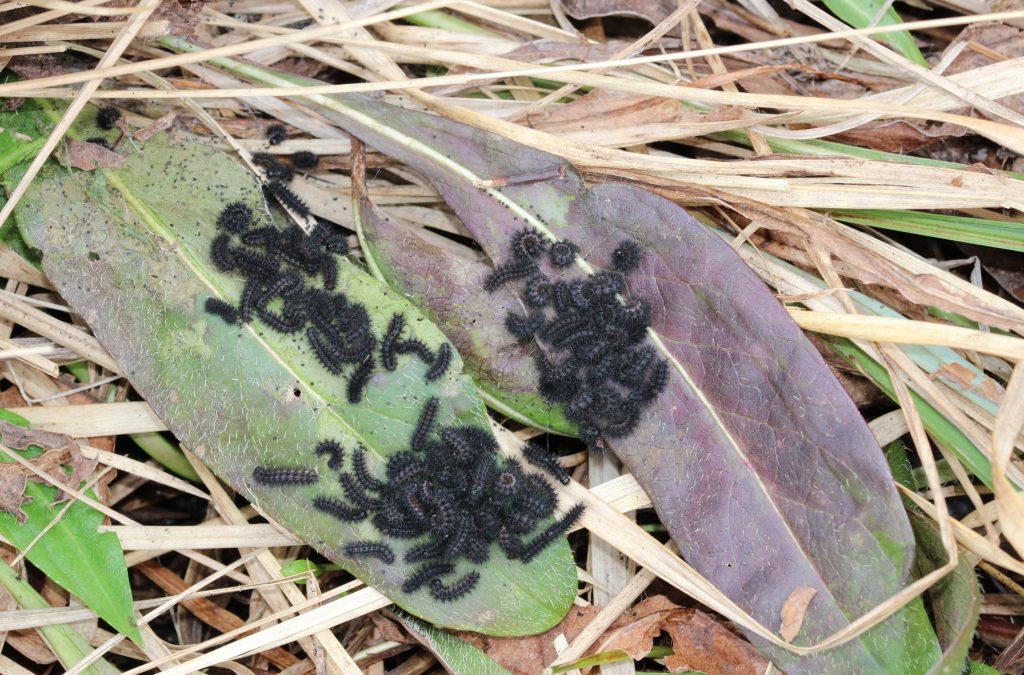
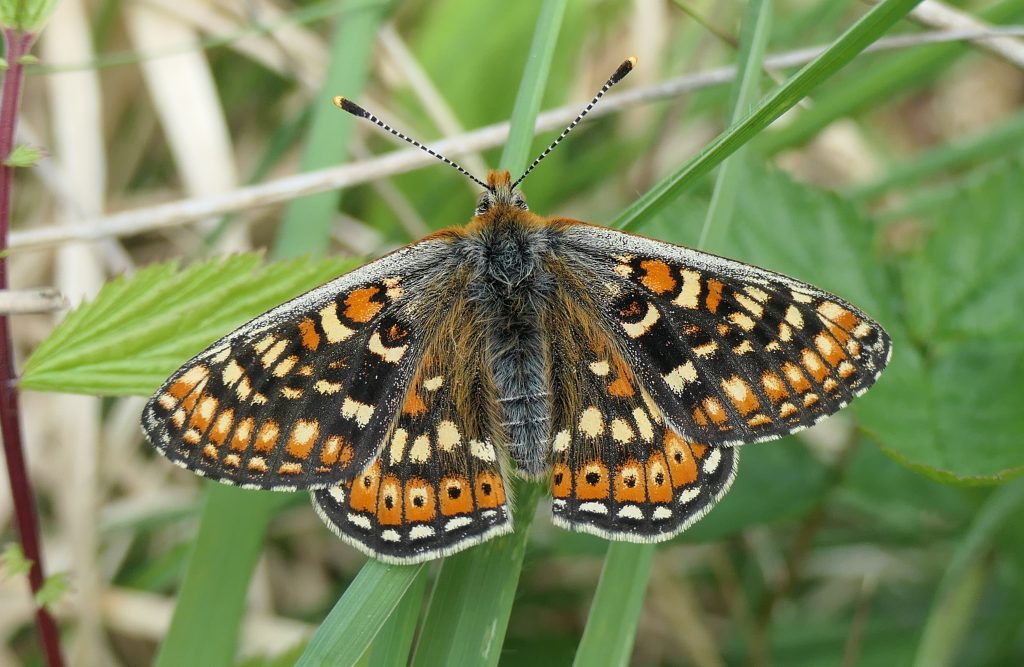
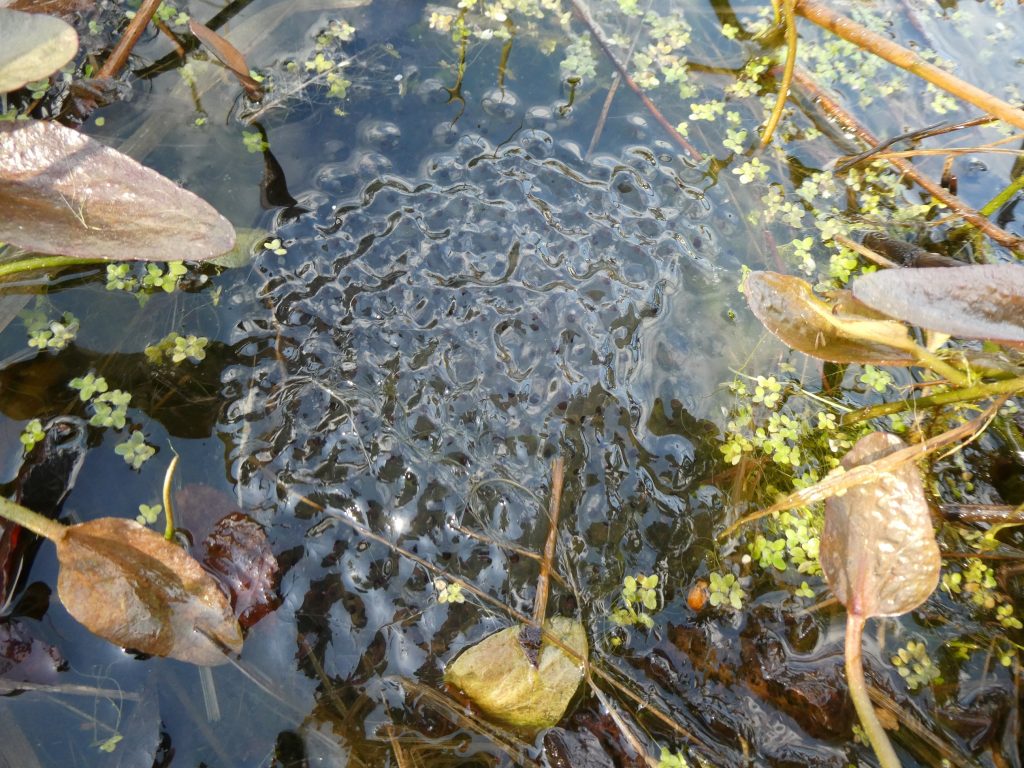
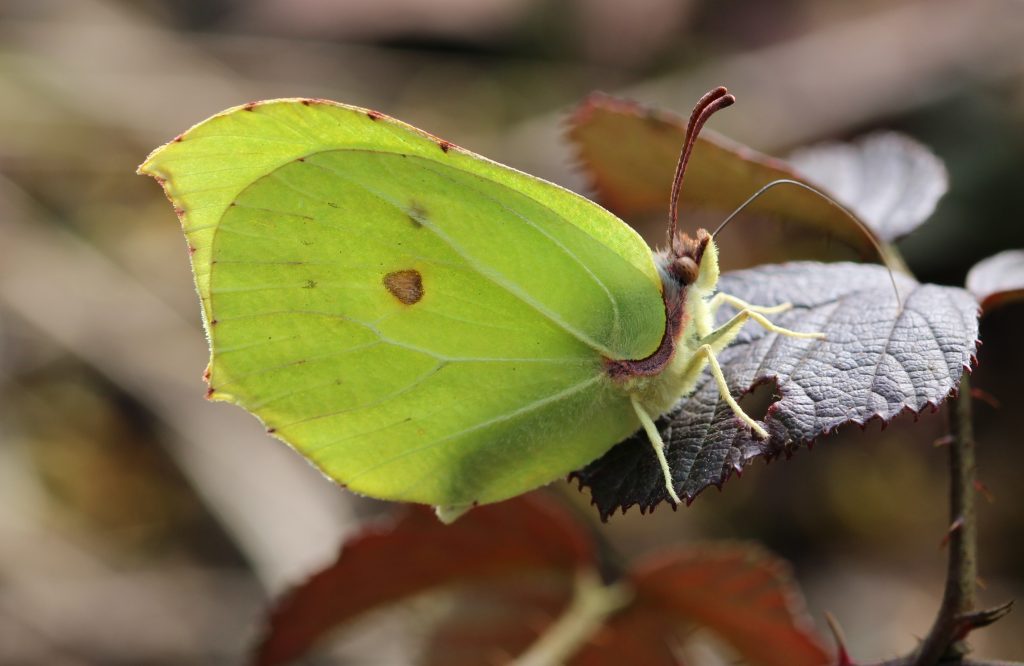
I believe in hope. And every spring I see it. The butterfly’s life cycle is a reminder of nature’s ability to deliver beauty. An ugly, spiny wriggling worm will, if it endures, become a glowing butterfly. A gelatinous, slimy mass of spawn will yield a joyous, leaping frog.
All they need to fulfil their potential is our humility. We are not masters of nature. We need to live with nature, not exploit nature.