Butterfly Conservation Ireland is delighted to see the sunshine return to our lives this April, and our butterflies are making the most of the opportunity to get out to feed, seek mates, lay their eggs, and, in some cases, to migrate. We would love you to get out and about to see and record our butterflies, and to record butterflies in your garden. Anyone can join our garden butterfly monitoring scheme, and you will receive a report on how our garden butterflies are doing early in 2027.
Our recording form is here: https://butterflyconservation.ie/wp/wp-content/uploads/2017/12/National-Garden-Butterfly-Survey.pdf
Any record of any butterfly or moth can be emailed to us. The way to do this is described here: https://butterflyconservation.ie/wp/records/
The records for 2026, so far, are here: https://butterflyconservation.ie/wp/records/2026-2-2/
Here are six butterflies visiting gardens now.
All are on the recording form, so get out into the garden and see if they are there. The more butterfly species your garden has, the better it is for nature.
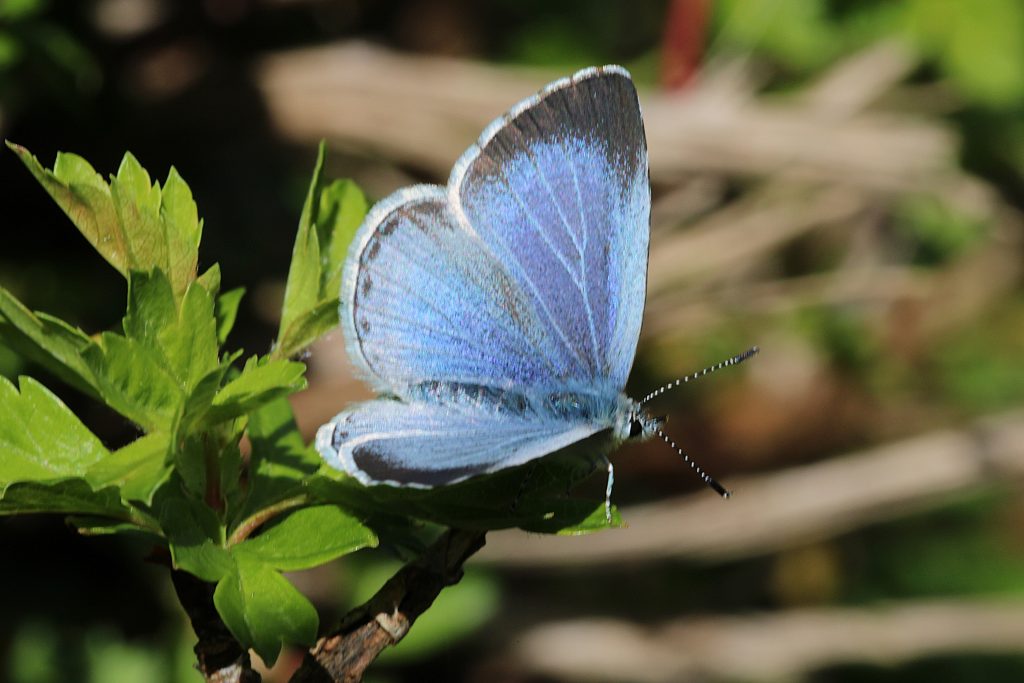
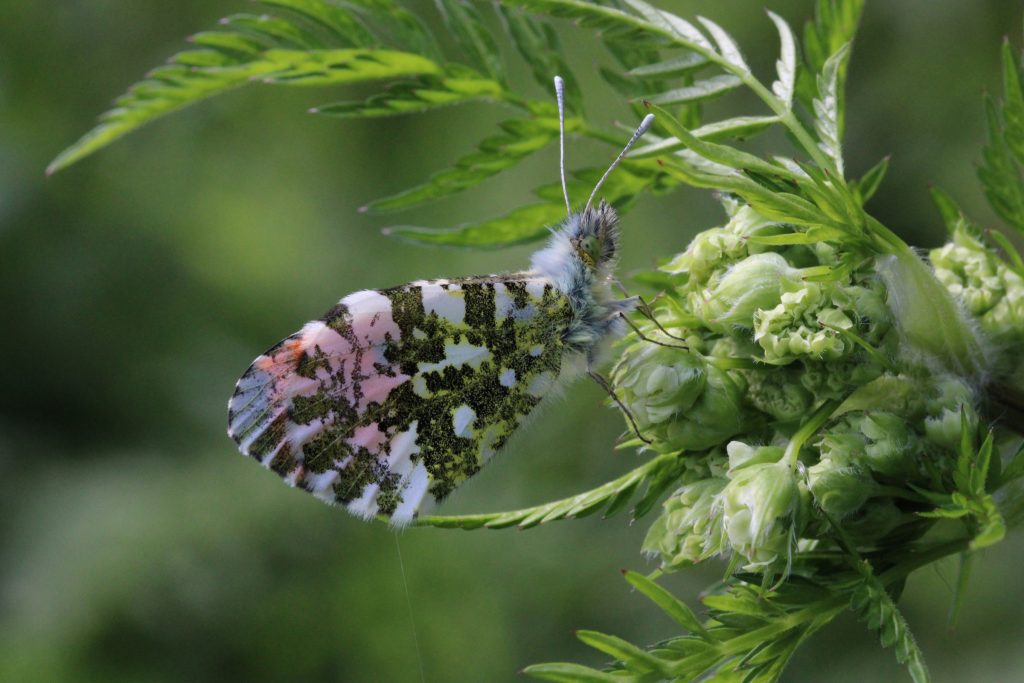
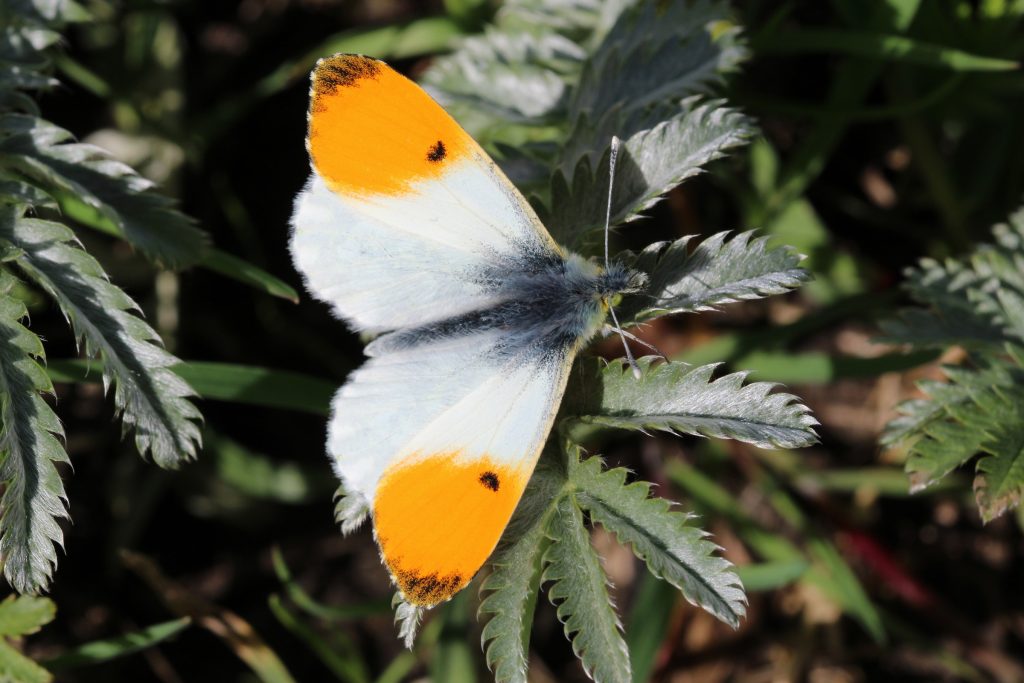
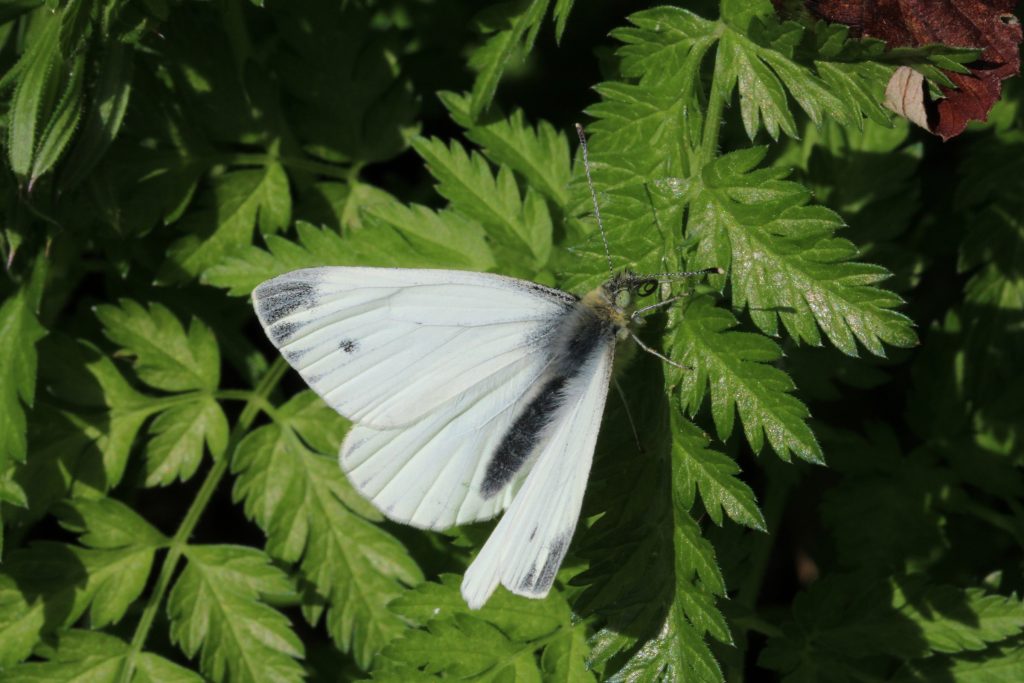
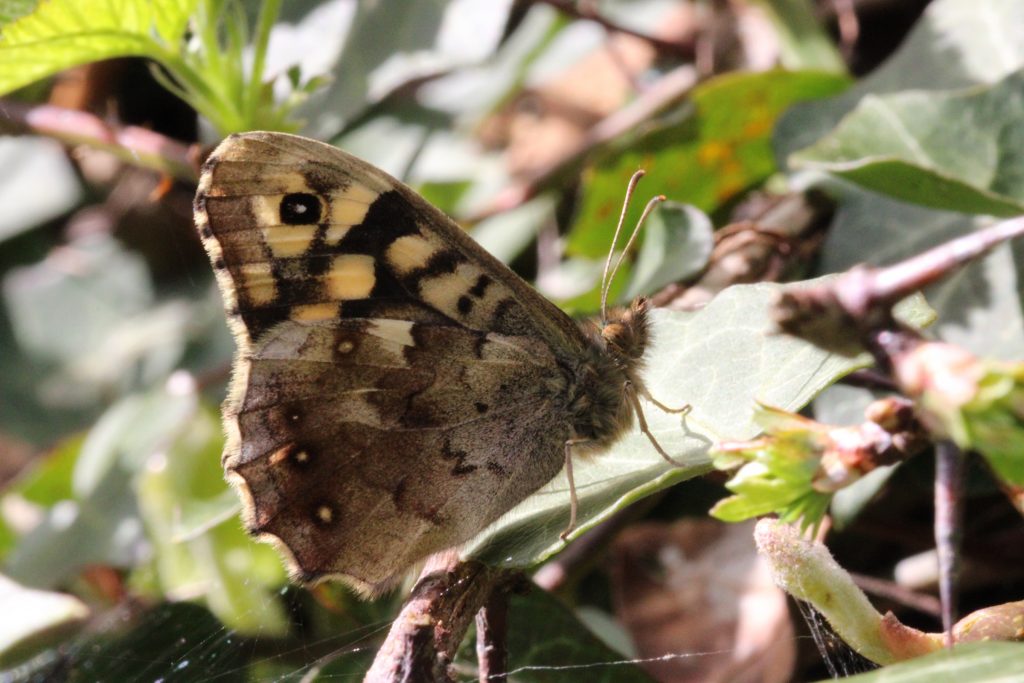
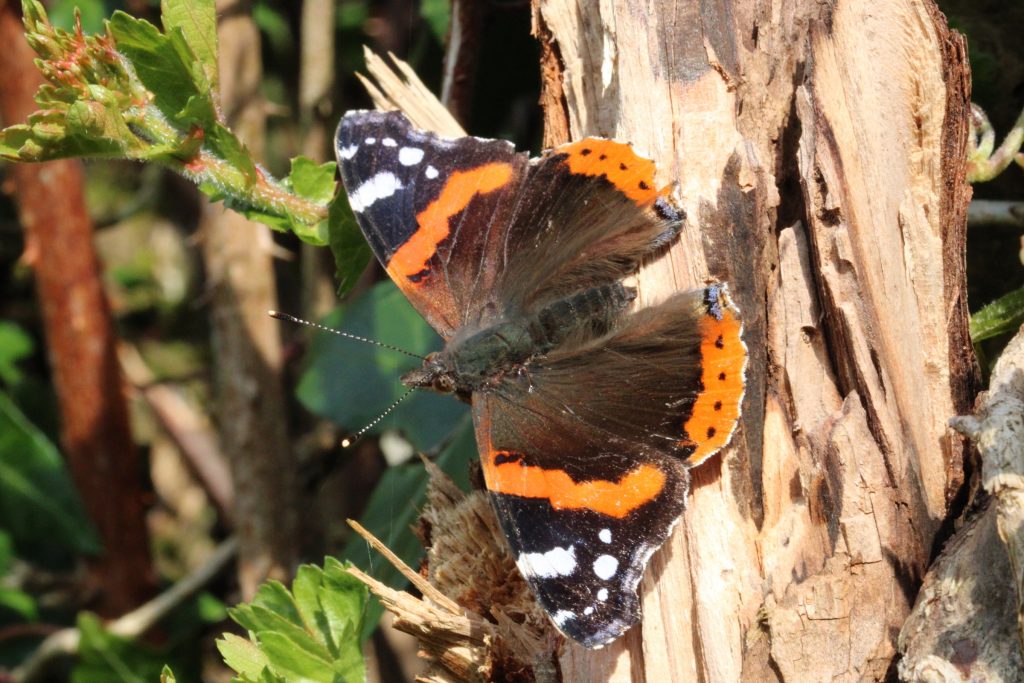
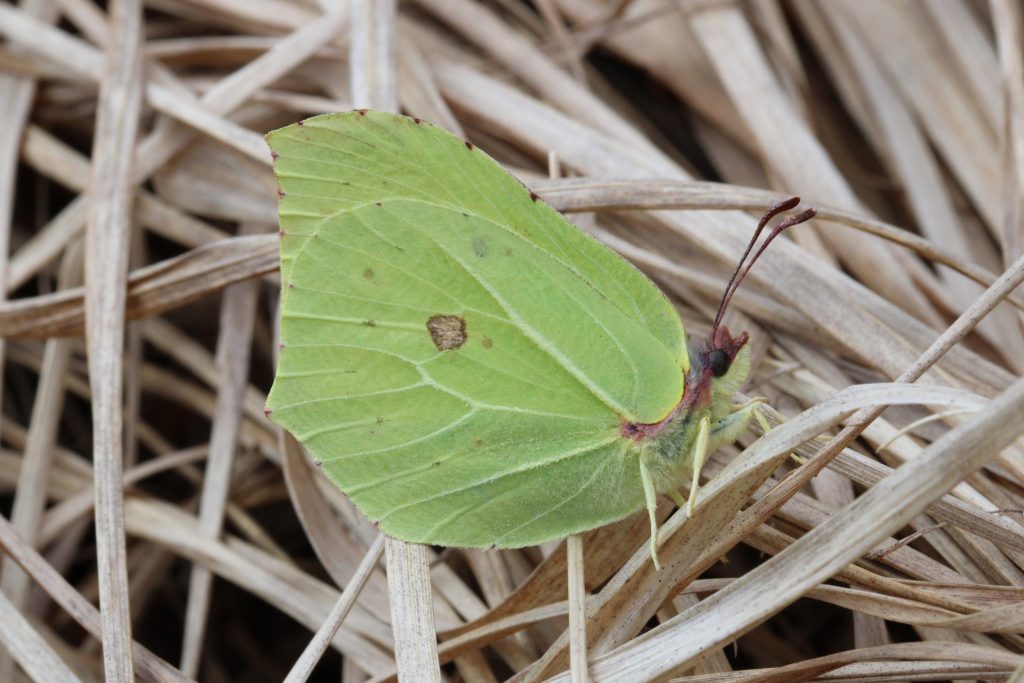
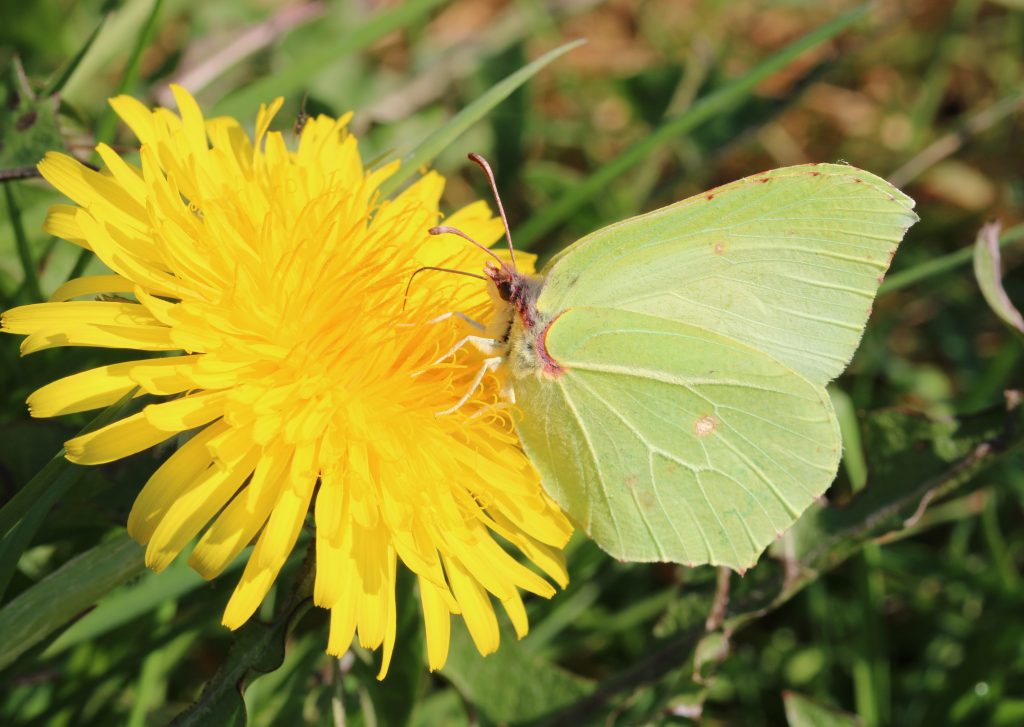
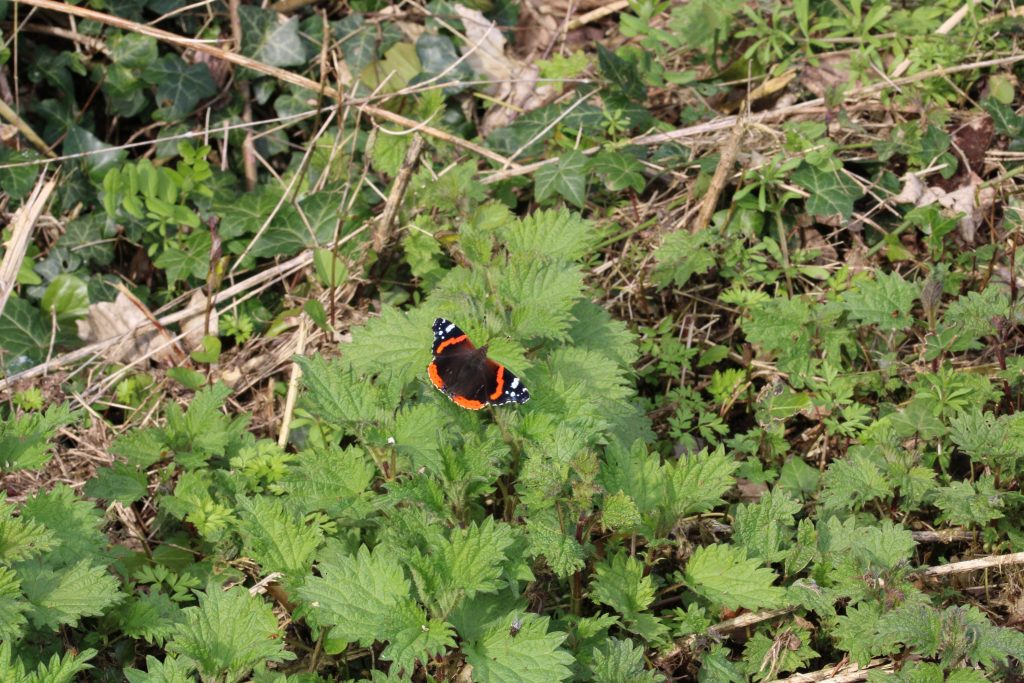
The Holly Blue is the greatest butterfly fan of our gardens. It loves gardens, especially in suburbia, even more than wild habitats! A sunny, sheltered garden containing shrubs is ideal for this gorgeous, lilac blue marvel. The spring females lay eggs on a range of garden shrubs, including dogwood and firethorn, but their favourite is Holly. It lays eggs very happily on Alder Buckthorn, if you have this much rarer plant. Later in the year, second-generation Holly Blues lay their eggs on flowering Ivy, so don’t cut it back until late winter.Orange-tip male, underside. This one is resting on Cow Parsley, taking a break from arduous patrolling in sunny weather. Despite appearances, it does not spend the whole day in flight, but takes breaks to feed, rest and bask, at times doing all three at once.Orange-tip male upperside: this male is basking. The black scaling on the wing bases near the thorax and the black thorax draw heat to his flight muscles, essential in sunny but still quite cool weather. This butterfly likes wilder gardens with taller vegetation and damp grassland growing that lovely spring bloom, Cuckoo-flower.The Green-veined White shares the habitats of the Orange-tip, as well as some of its larval foodplants, but avoids competing with its showy companion by using different parts of the foodplant. Another difference is that the Orange-tip produces only one generation each year. The Green-veined White can have three.The Speckled Wood is Ireland’s most recorded butterfly, and if your garden has some native hedging with tall wild grasses close to the hedge, you should see this butterfly. You will never see it in numbers, because the highly aggressive territorial males expel any intruding males. Females, of course, are welcome to enter his domain.The Red Admiral is a migrant, and we have been getting multiple reports of its arrival in Ireland since early April. This butterfly is a male, alertly scanning a hedged lane for females and rival males. The Red Admiral is already bust laying eggs, so spare that nettle patch!The Brimstone visits gardens in areas where it occurs, but it is not a garden butterfly in Ireland as it is in England. Still, the lovely sulphur-yellow males are unmistakable and worth looking out for. Growing Purging Buckthorn and or Alder Buckthorn in a sunny place in your garden is the best way to encourage spring visits from this cheerful-looking butterfly.
Gardens are important for some butterflies. Butterflies do not ‘end up’ in gardens; they appear in gardens for a purpose. This might be to seek nectar, shelter, mates, breeding plants or hibernation sites. By catering to these needs, you are making a difference to the conservation of nature in general, not just to butterflies. For information about how to do this, see https://butterflyconservation.ie/wp/butterflies/gardening-for-butterflies/
I recently visited a large Dublin garden centre and checked their stock. I didn’t see a single native flower for sale, but there were a few native flowering trees, such as native oak, imported from the EU.
Native flowers and trees sourced from wild Irish seed are far better for native wildlife than non-indigenous plants, some of which damage habitats.
Here are some spring-flowering natives you should look out for now, and use for your wildlife planting in school grounds, work grounds, community green spaces, gardens, parks and any land you have under your control.
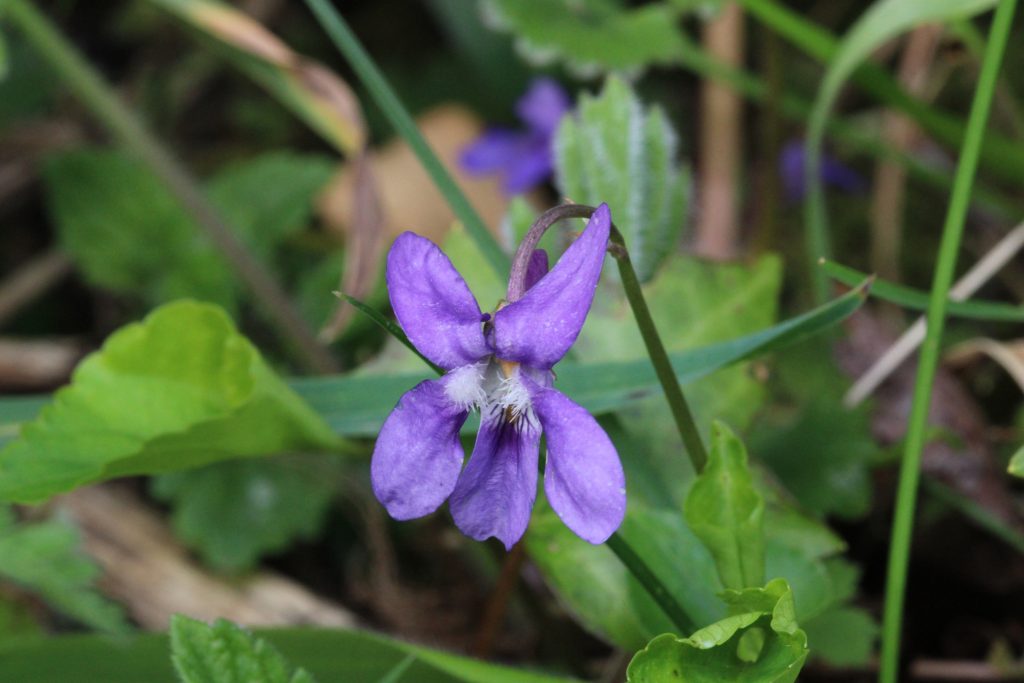
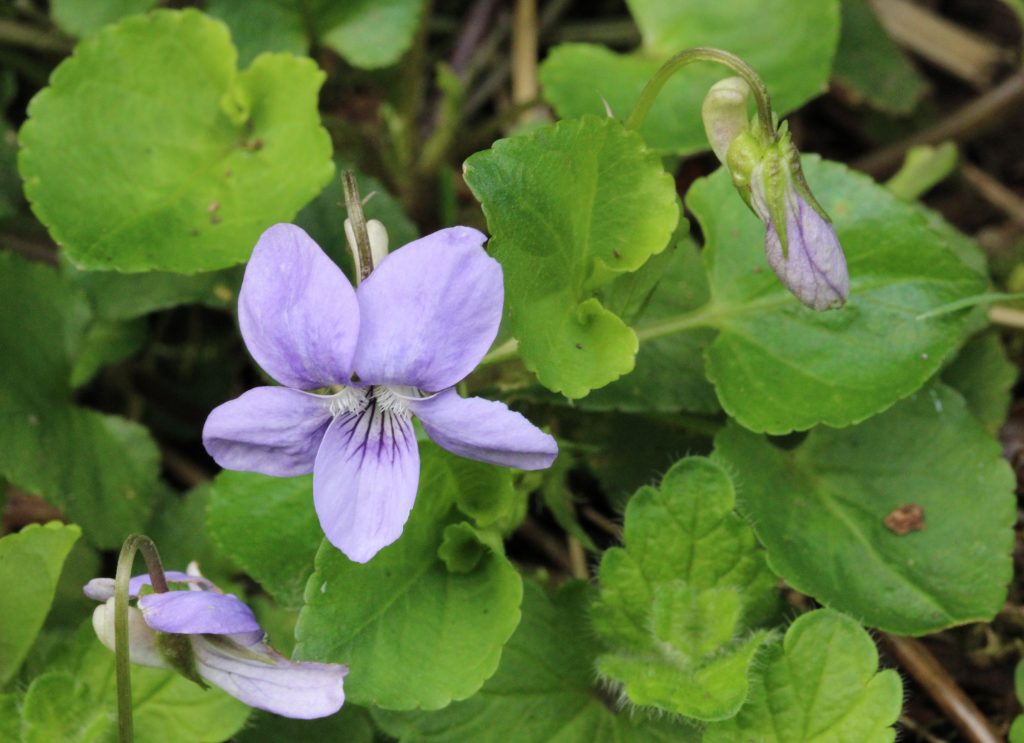
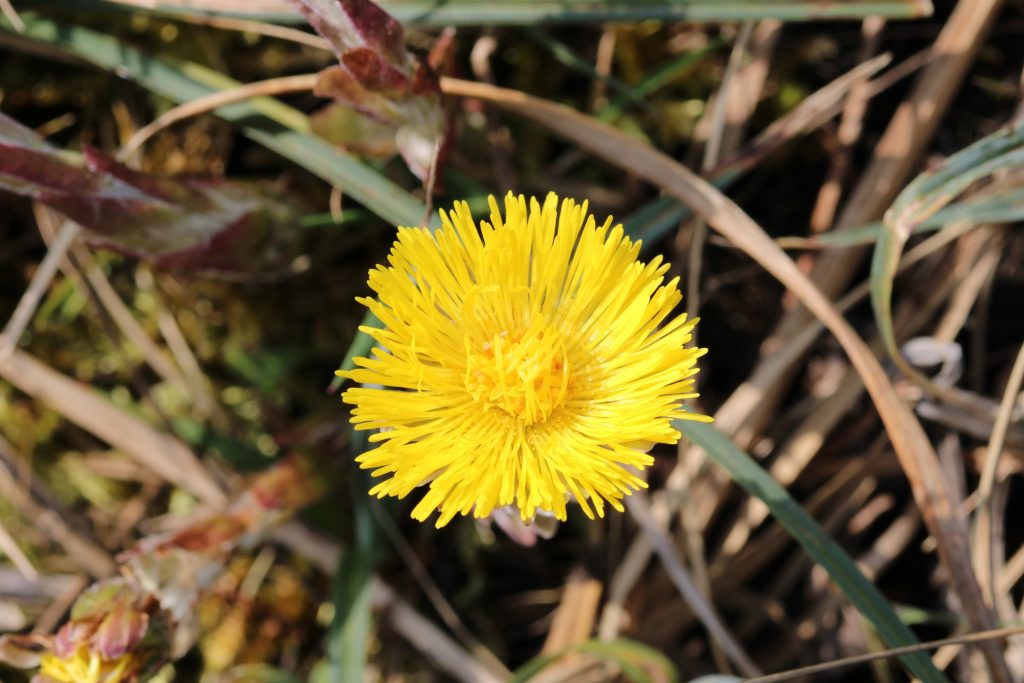
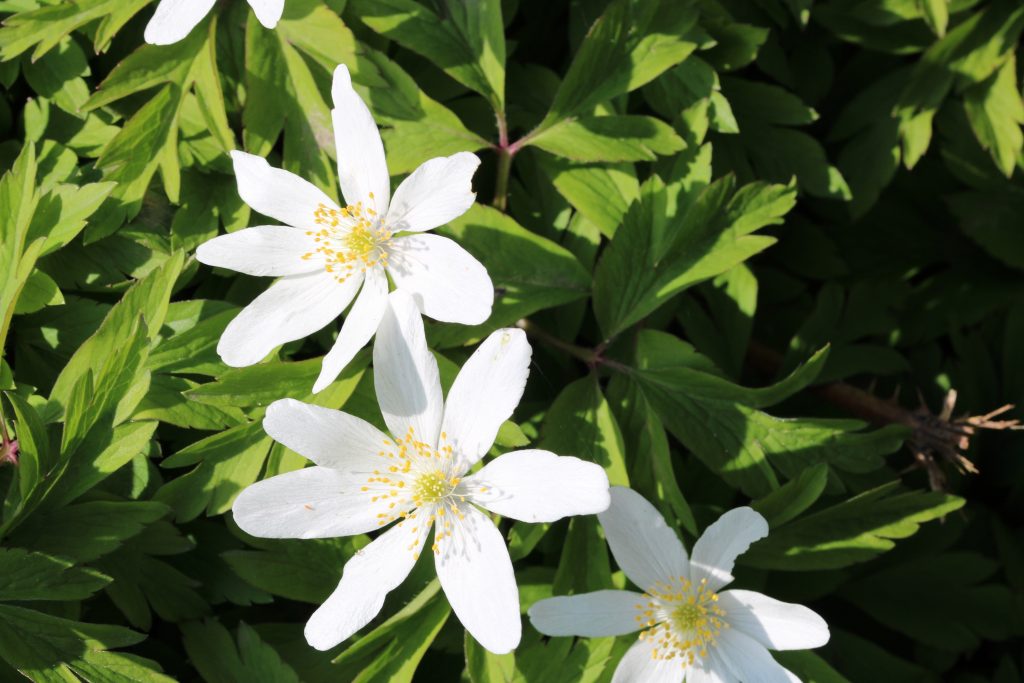
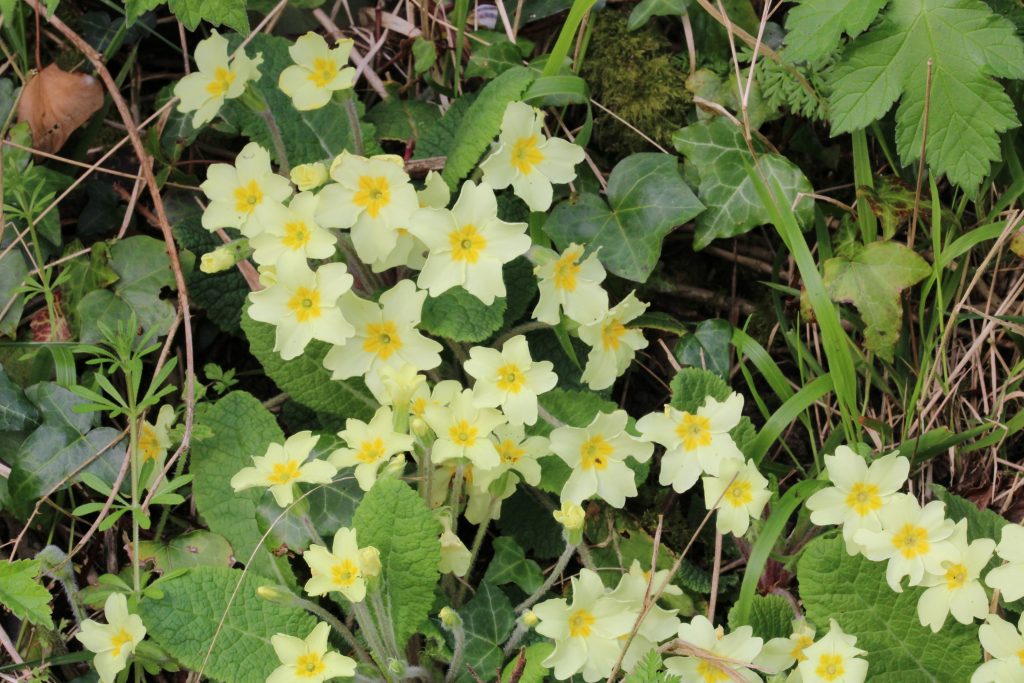
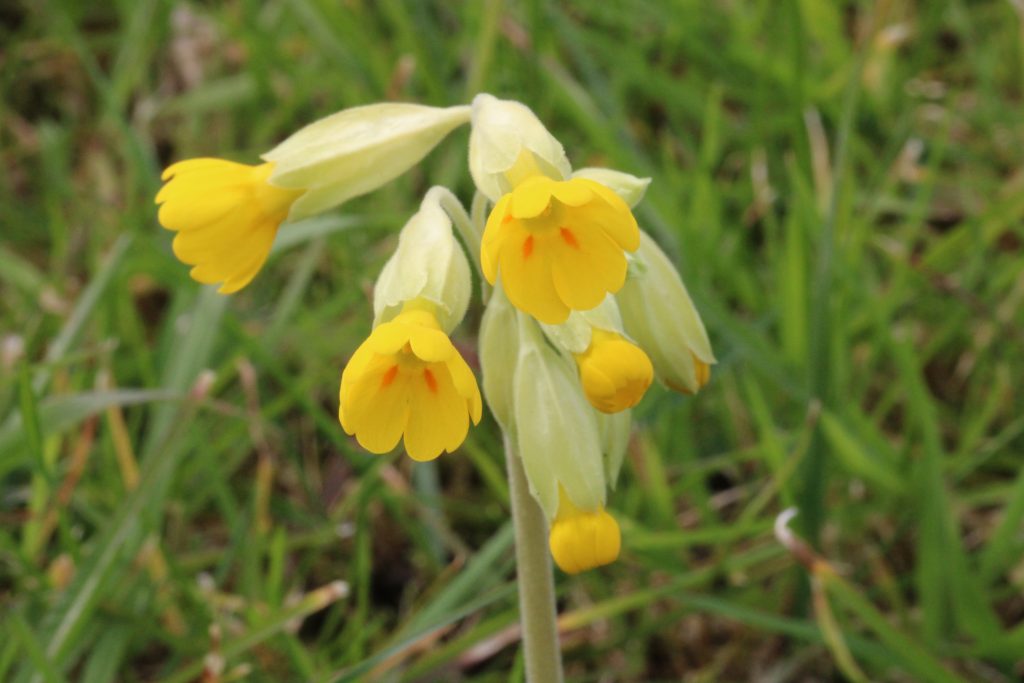
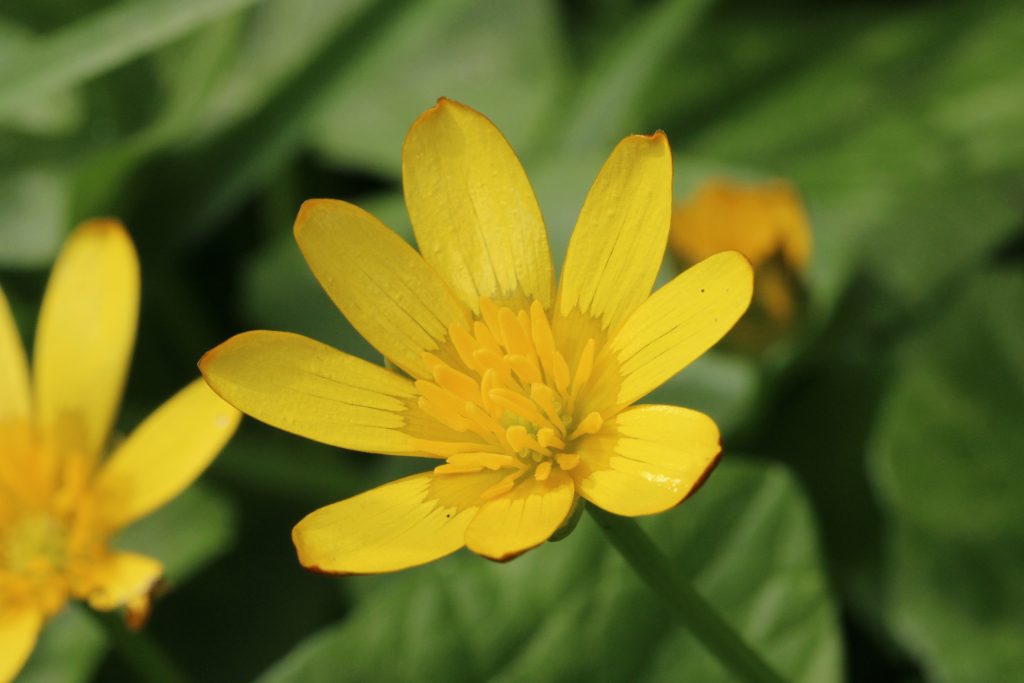
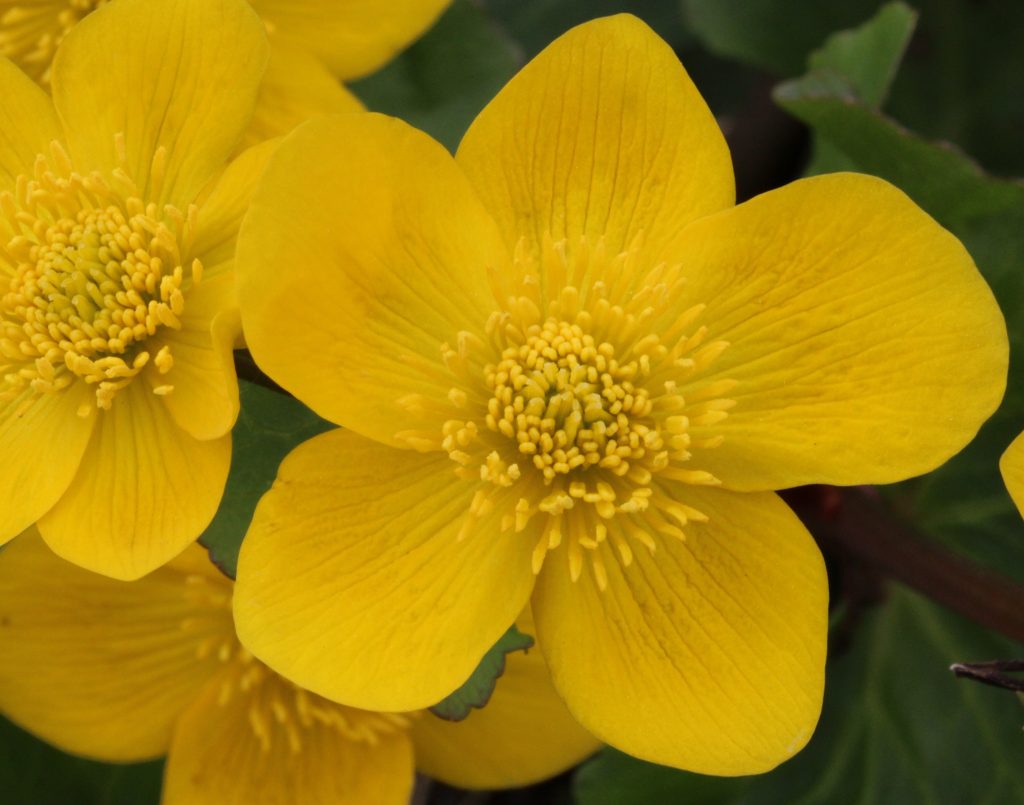
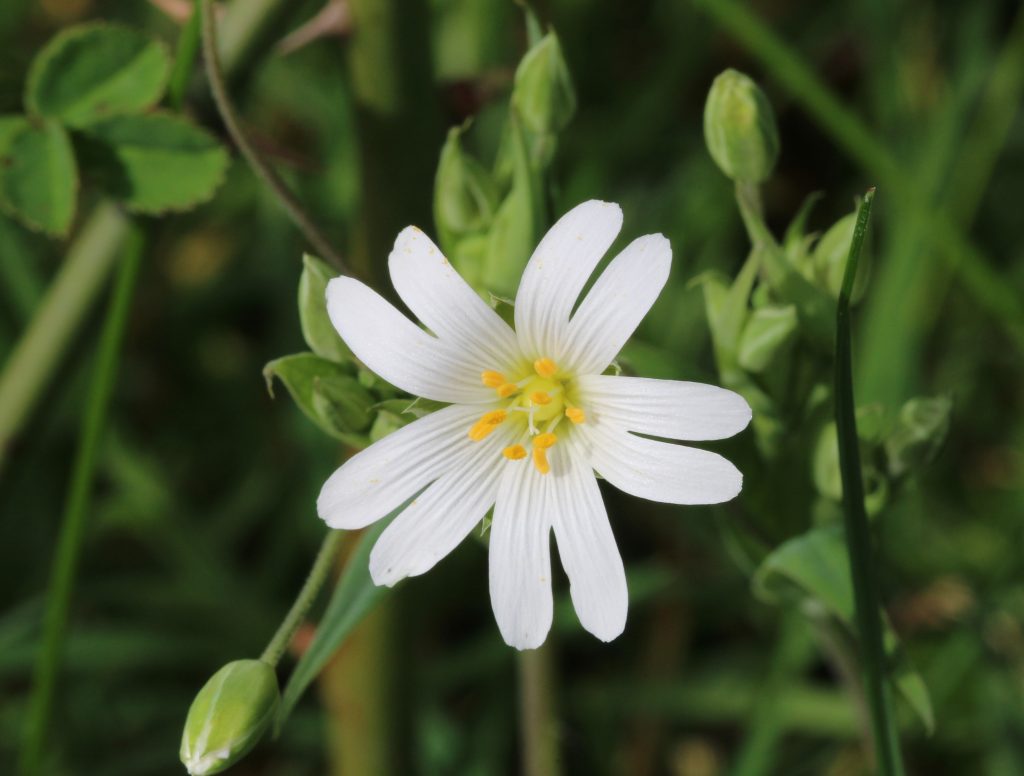
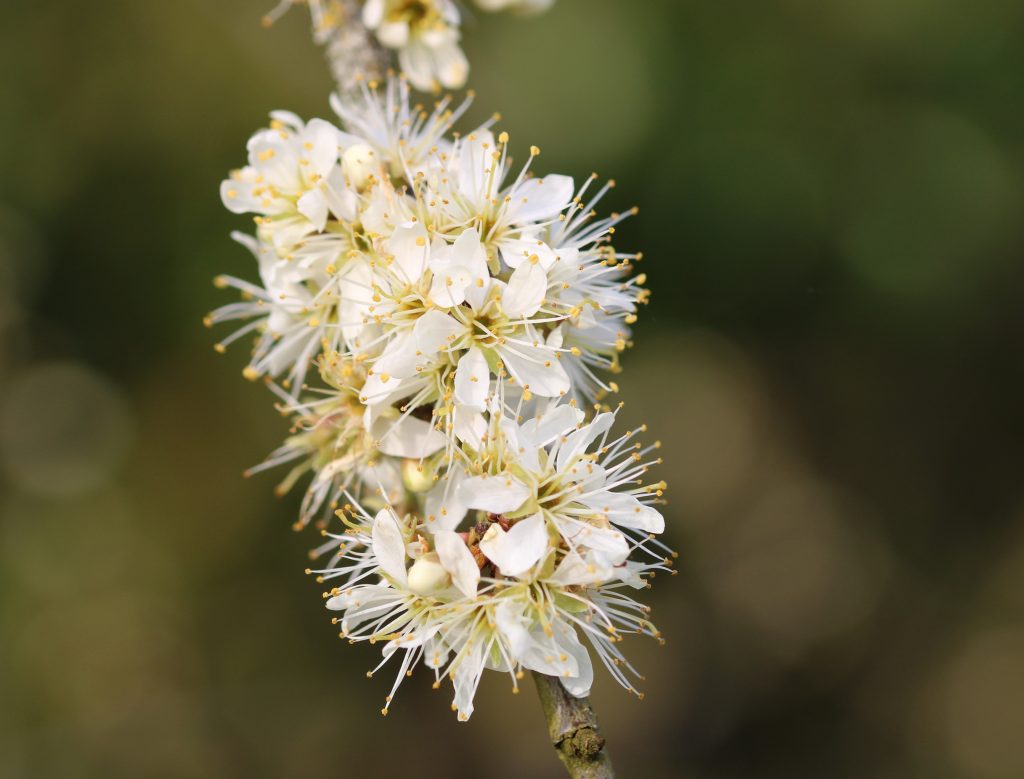
Early Dog-violet Viola reichenbachiana. This likes dry, calcareous conditions such as on hedge banks and drier areas in woods. It feeds the caterpillars of our three woodland fritillary butterflies.Common Dog-violet Viola riviniana also feeds our woodland fritillaries, is less fussy about soil chemistry and occurs throughout Ireland, in woods, hedges and unfertilised open grassland.Colts-foot Tussilago farfara likes rough ground on unfertilised soils. It is an early nectar source for early-flying insects.Hands up those who love the Dandelion Taraxacum agg. Everyone’s hand should be up. Ask this Brimstone butterfly if he likes to see this gorgeous mini sunflower sprayed with nasty chemicals. This is a great nectar source and probably the most important food source for butterflies, bees and flies in March and April.Wood Anemone Anemone nemorosa is an indicator of ancient woodland. It is at its best in April and May, and its foliage provides lovely ground cover.Primrose Primula vulgaris is used by early insects for nectar. It loves a shady spot, so it’s a great plant for those places the sun rarely reaches. Prolong flowering by cutting the withered flowers below the receptacle (i.e., the stalk below the swollen flower base).Cowslip Primula veris likes open grassland. It is less used by insects but still a lovely addition to the spring meadow.Lesser Celandine Ficaria verna grows in profusion in damp, shaded soils to deliver a golden sheet of much-needed colour after a drab winter. Holly Blue and other butterflies take their nectar.Marsh Marigold or Kingcup Caltha palustris is another golden delight, but look in marshy places for this beauty. A perfect plant for your pond margin or marsh.Greater Stitchwort Stellaria holostea is just appearing now. It decorates dry, non-acid soils on hedgebanks with its bridal-white petals.Common Blackthorn Prunus spinosa flowers appear before the leaves. These blooms are enjoyed by many spring-flying insects.
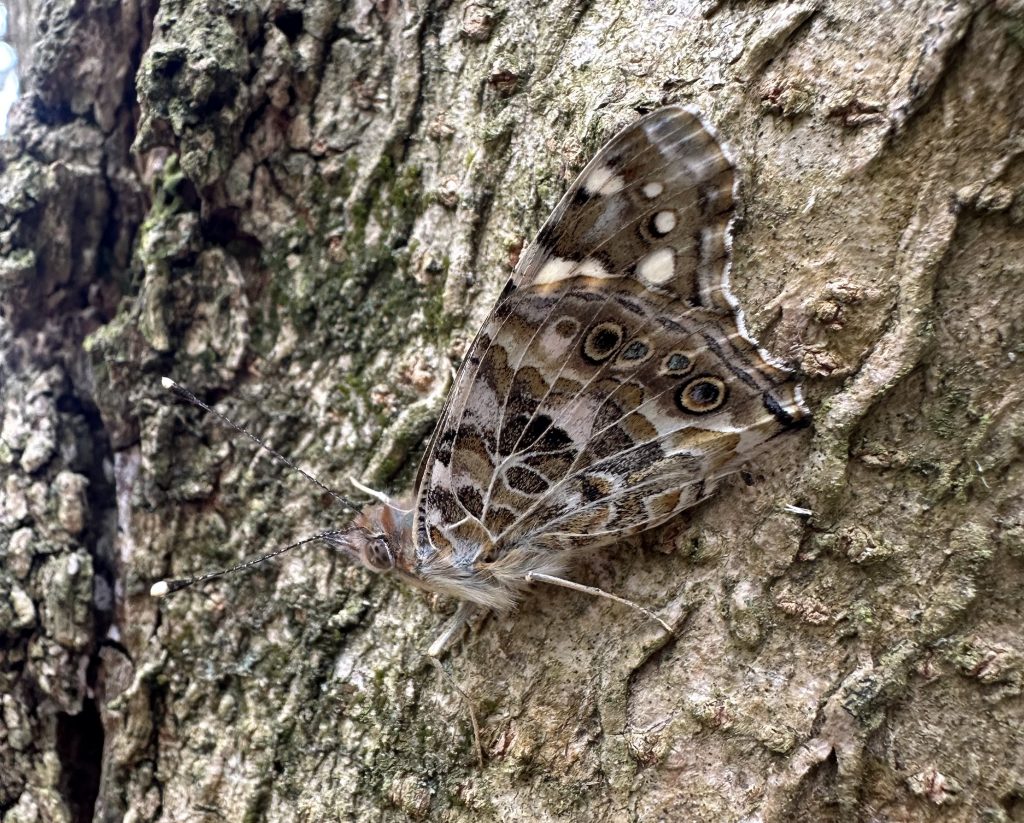
This April, we are seeing our native resident butterflies take to the air to feed and breed. They are being joined by other insects, including two migrants, the Red Admiral and Painted Lady. Here are recently taken photographs of species flying in early April.
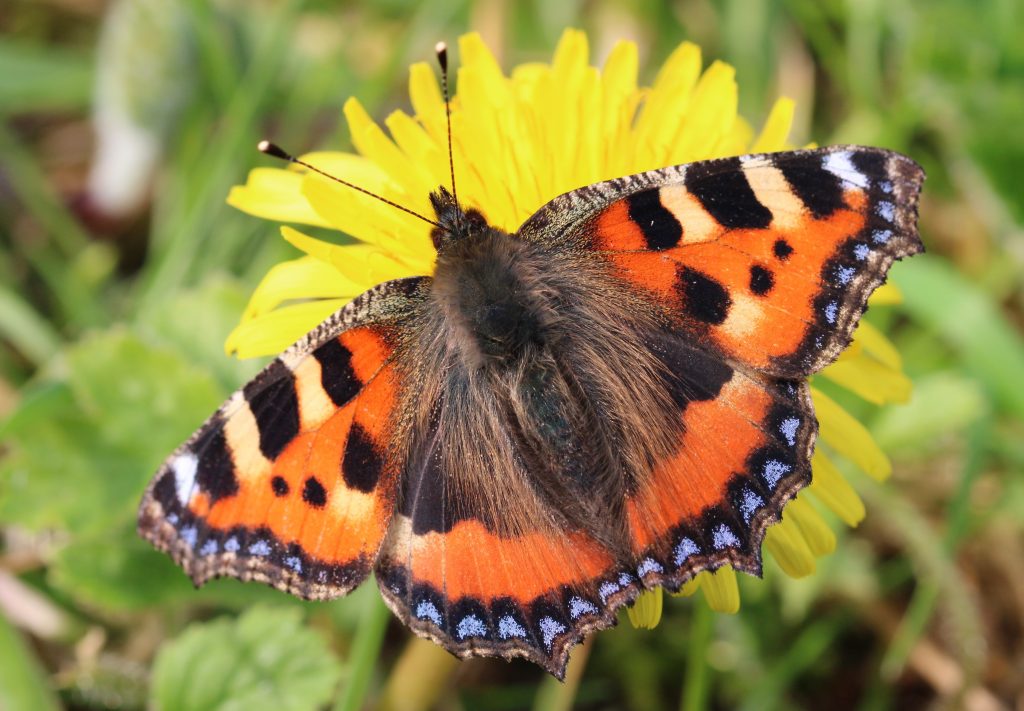
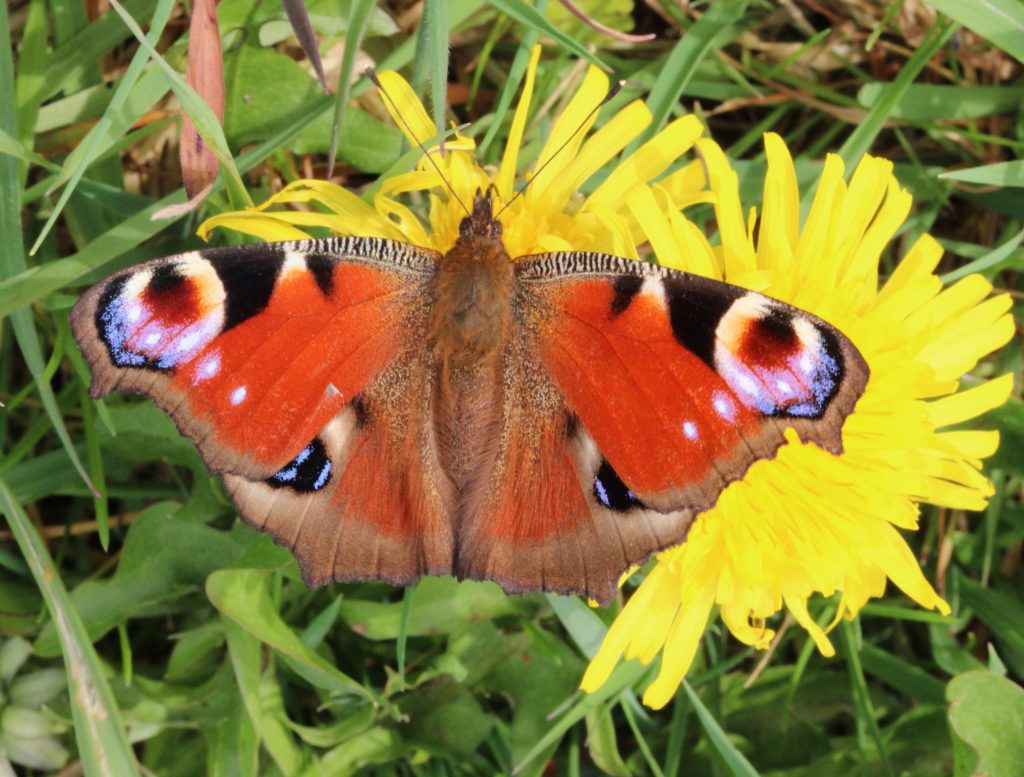
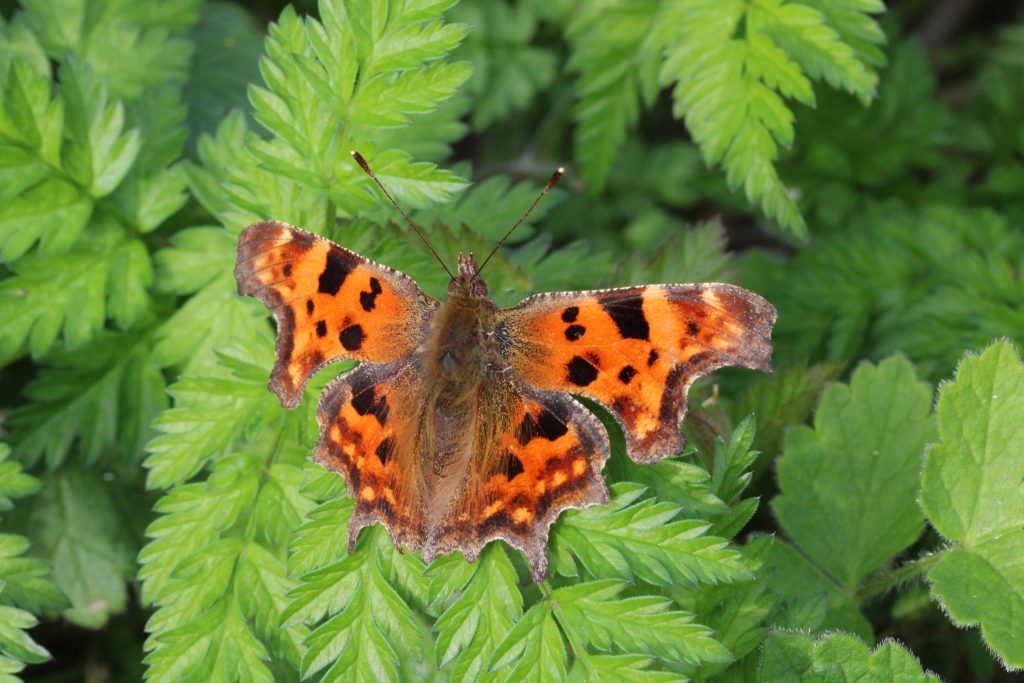
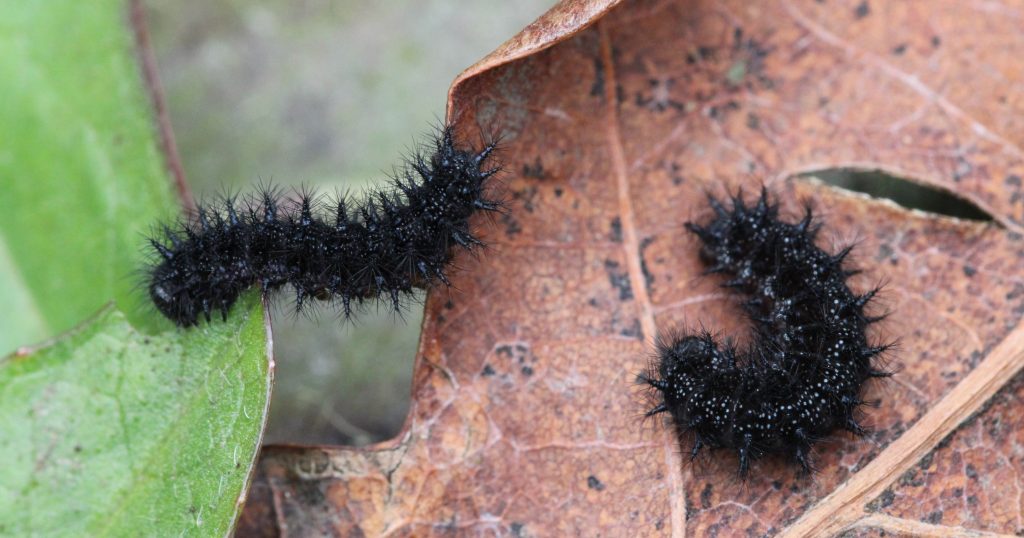
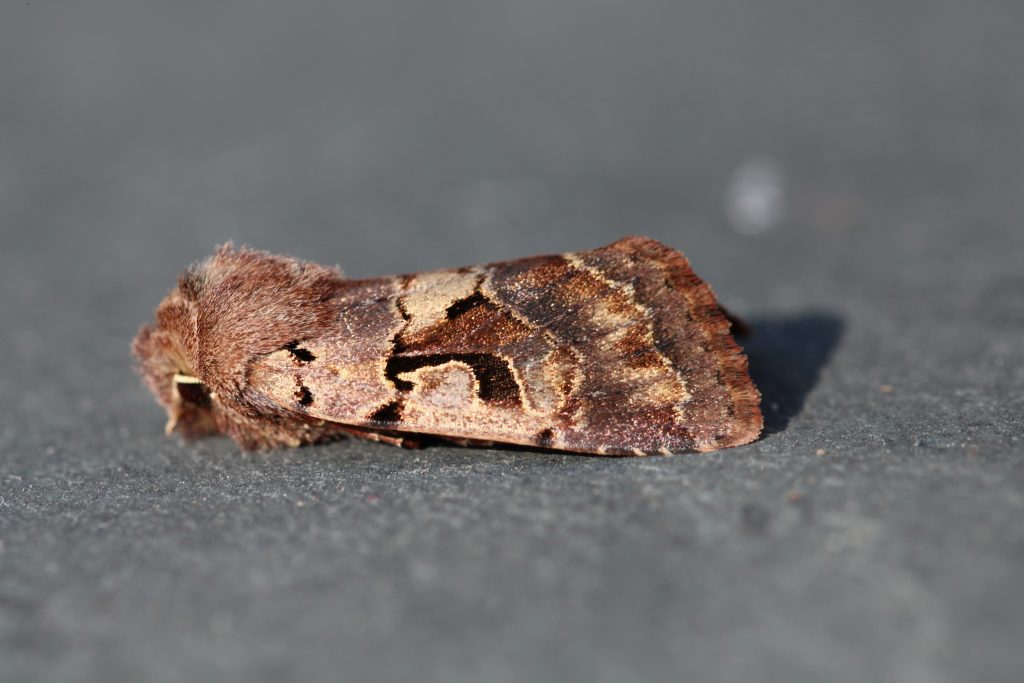
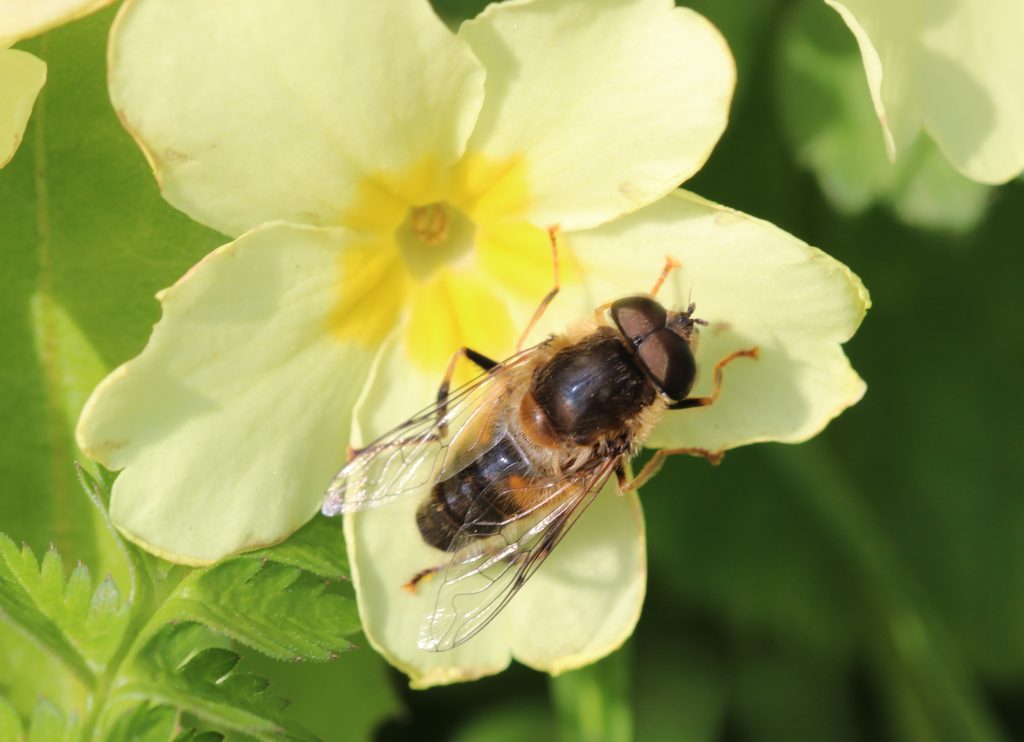
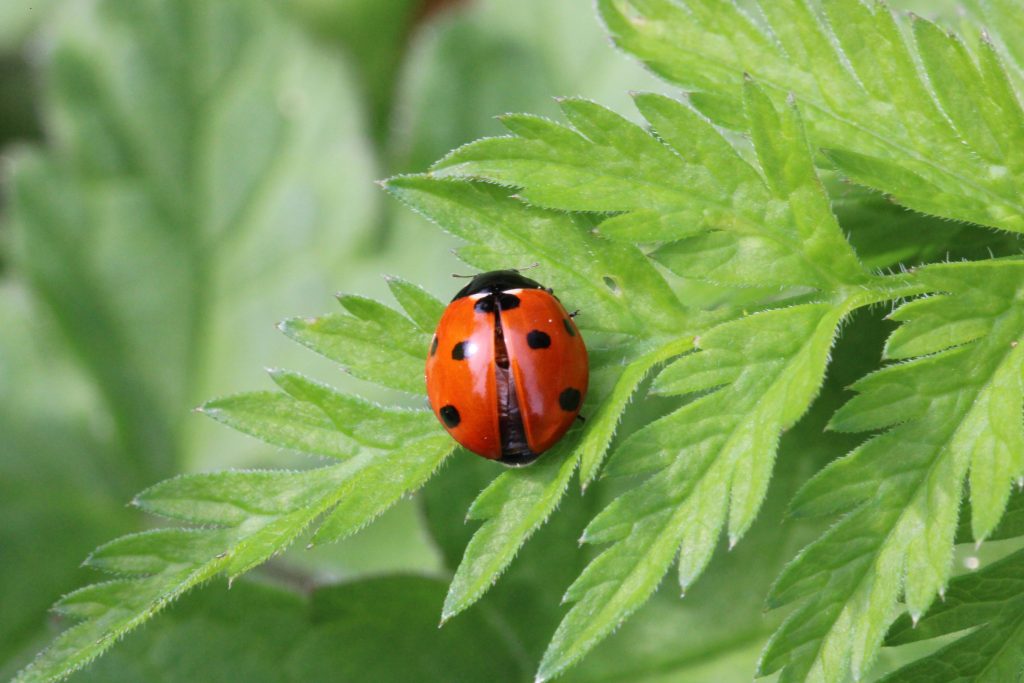
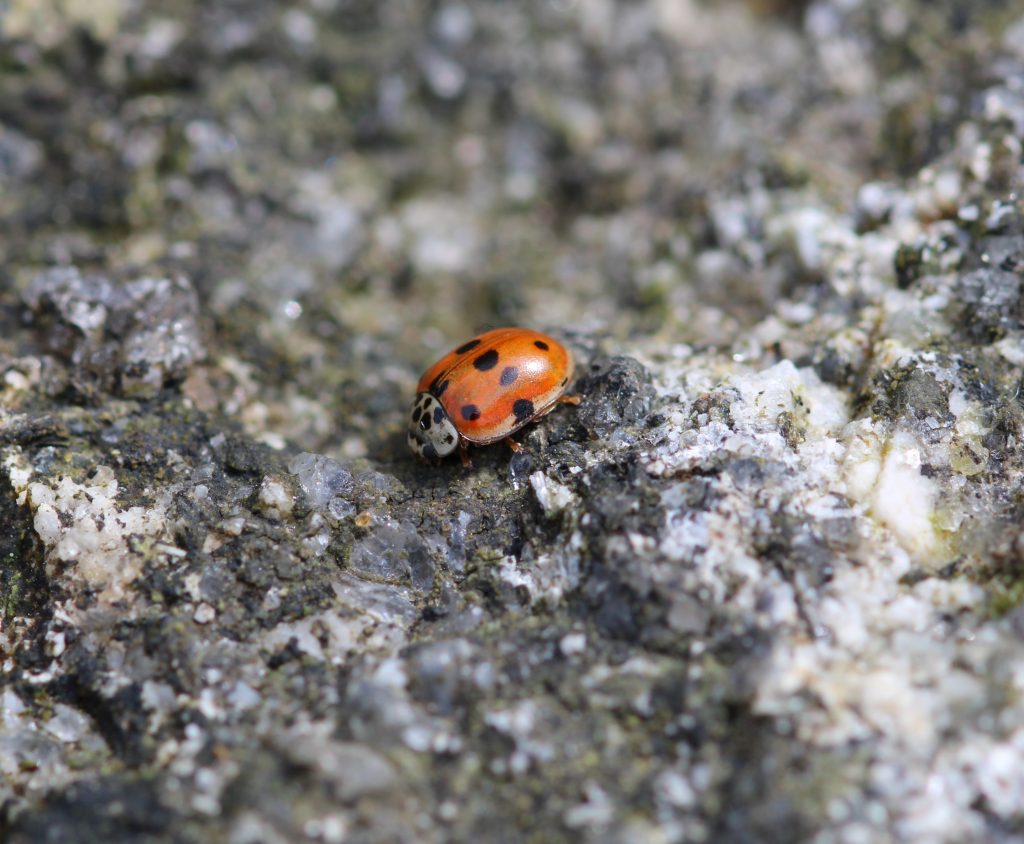
The Small Tortoiseshell will cheer anyone up. This one hibernated in my house, and on release, went straight to an accommodating Dandelion for its first meal of 2026.This Red Admiral is basking on young nettles. Egg-laying is already underway for this recently arrived migrant.The Peacock is never at its summer best in spring, but still has the beauty that draws notice. Please take note of the flower it feeds on!A male Comma basking on Cow Parsley. He has established his territory along a wooded lane.Ashley Dowling sent in this excellent photograph of a Painted Lady. We don’t often receive a large influx of this migrant early in April, but this year we are receiving reports from several counties, especially Kilkenny, Kildare and Dublin. Keep a sharp eye out for it and send us your records. See https://butterflyconservation.ie/wp/records/Let’s not forget butterflies still in the larval stage. These Marsh Fritillary caterpillars have reached their fifth instar. A further moult will occur before the final larval growth stage, which precedes the pupal stage.The Hebrew Character is our most abundant spring flying moth. It is strictly nocturnal, and feeds on willow flowers.Drone flies are extremely common in early spring, having overwintered as adult flies. Sheltered, sunlit places will have plenty.The Seven-spot Ladybird is another characteristic sight in our spring. Colourful and friendly-looking, this beetle is the gardener’s friend, devouring aphids and greenflies in its larval and adult states.While much less conspicuous, the Ten-spot Ladybird can also be found in gardens, having woken after a long winter.
Spraying land with chemicals means most of the plants and animals featured above will be killed. There is a dreadful habit of spraying vegetation in spring. Don’t do it. It is anti-social, unhealthy and destructive. The alternative is to enjoy nature. Cut and mow if you must control vegetation.
All images copyright J. Harding except Painted Lady copyright Ashley Dowling.