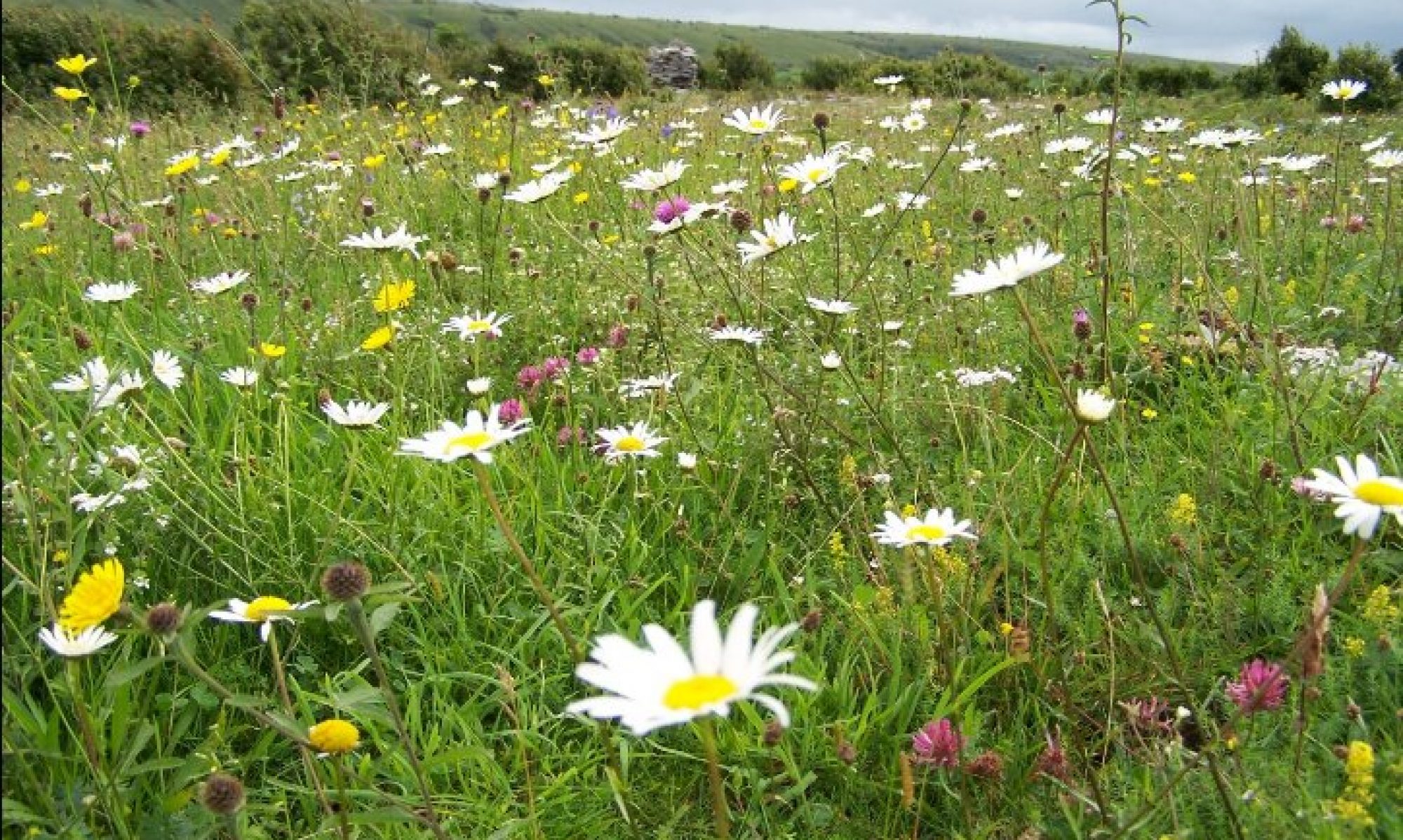
One of the benefits of having a grown-up family is that, occasionally, a marriage is celebrated in a foreign clime, allowing one to seek unfamiliar butterflies or see how familiar butterflies behave elsewhere.
Rome is an oft-visited city, with 22.9 million visitors from January to December 2025, of whom 12 million were from outside Italy (Turismo Roma, 2026). Rome also holds over 2.7 million residents (City Population Data, 2026)
The city’s architectural, archaeological and historical importance draws vast crowds, and the city is extremely busy, noisy and frenetic, certainly not a location associated with nature or relaxation.
The public parks in central Rome are bland, with tall pines, probably Black Pine Pinus nigra, plane trees Platanus spp., Judas Tree Cercis siliquastrum, ornamental flowers and short grass, although in some areas where left uncut, native wildflowers are present, especially vetches and mallows Malva spp.
A far better option for anyone looking for nature is Parco della Caffarella, a large green area adjoining Rome (latitude 41.862697, longitude 12.520535).
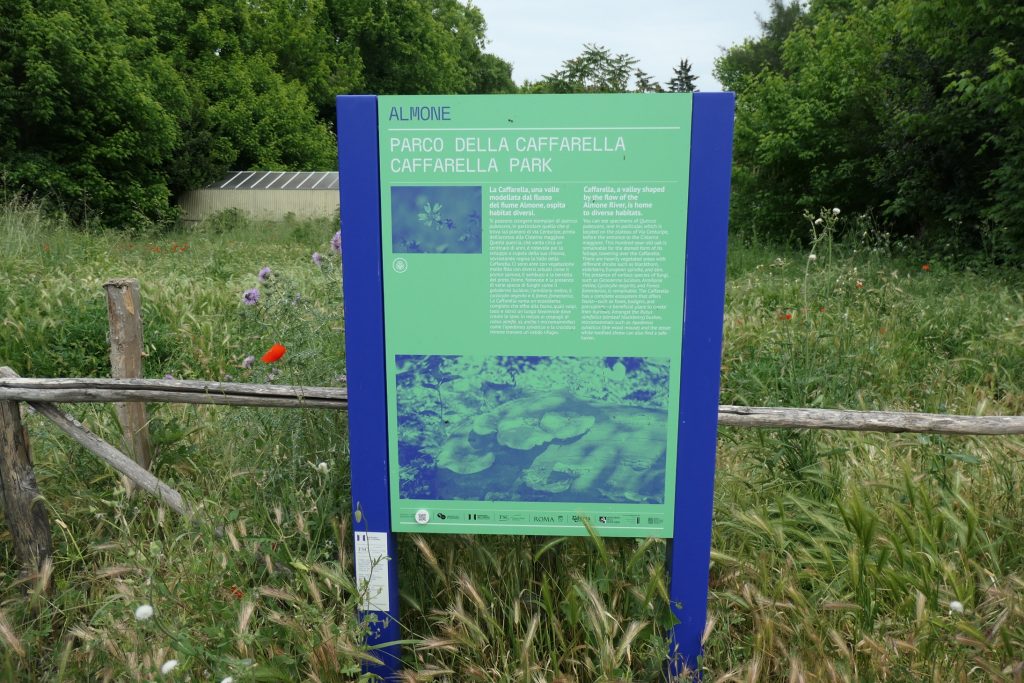
The park lies about three miles from the Colosseum, about 15 minutes by car. It is walkable from the Colosseum, being on flat ground.
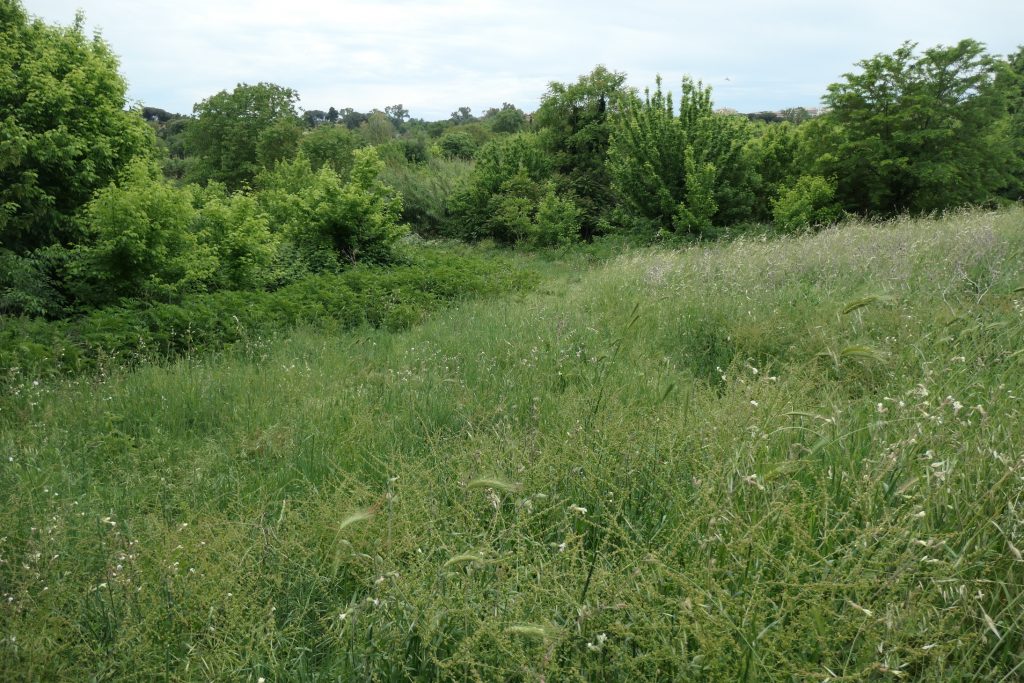
The park has open grassland, scrub, woodland and a small river, the Almone River. Some areas contain an intimate mixture of woodland, scrub and flower-rich grassland, and the warm, sheltered open areas were the best areas for butterflies, moths, bees and grasshoppers.
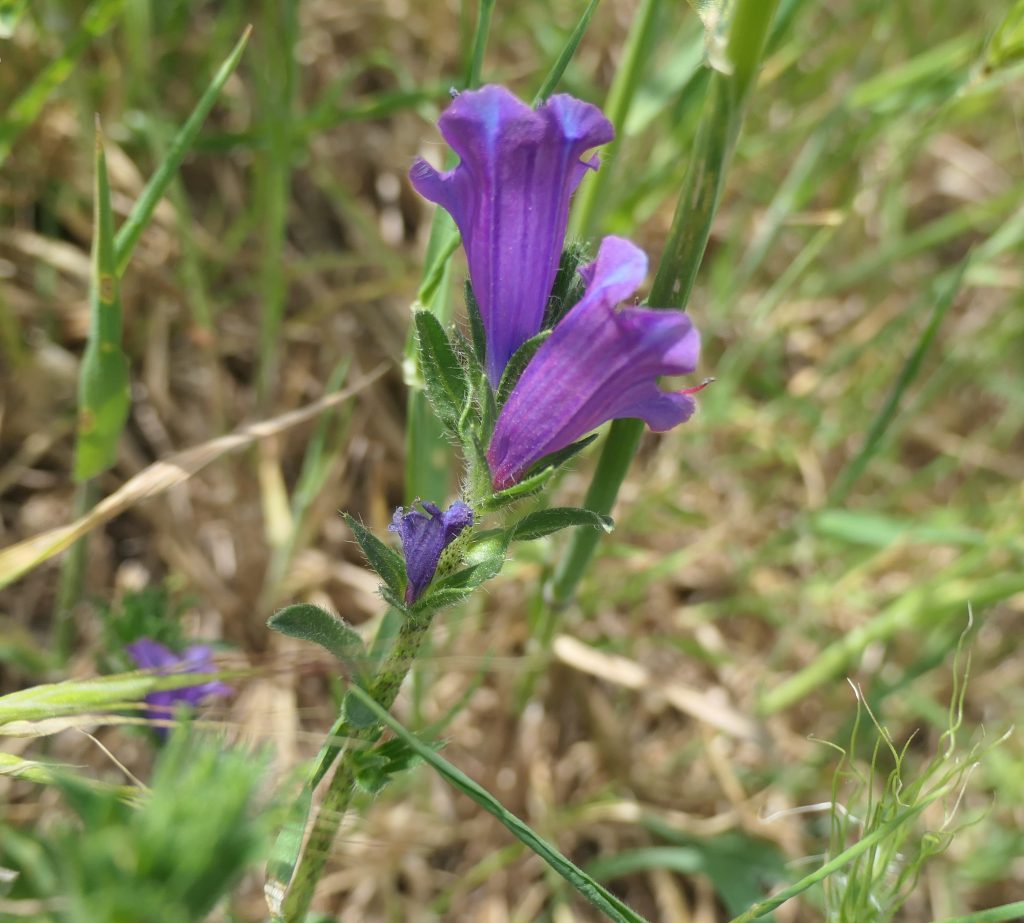
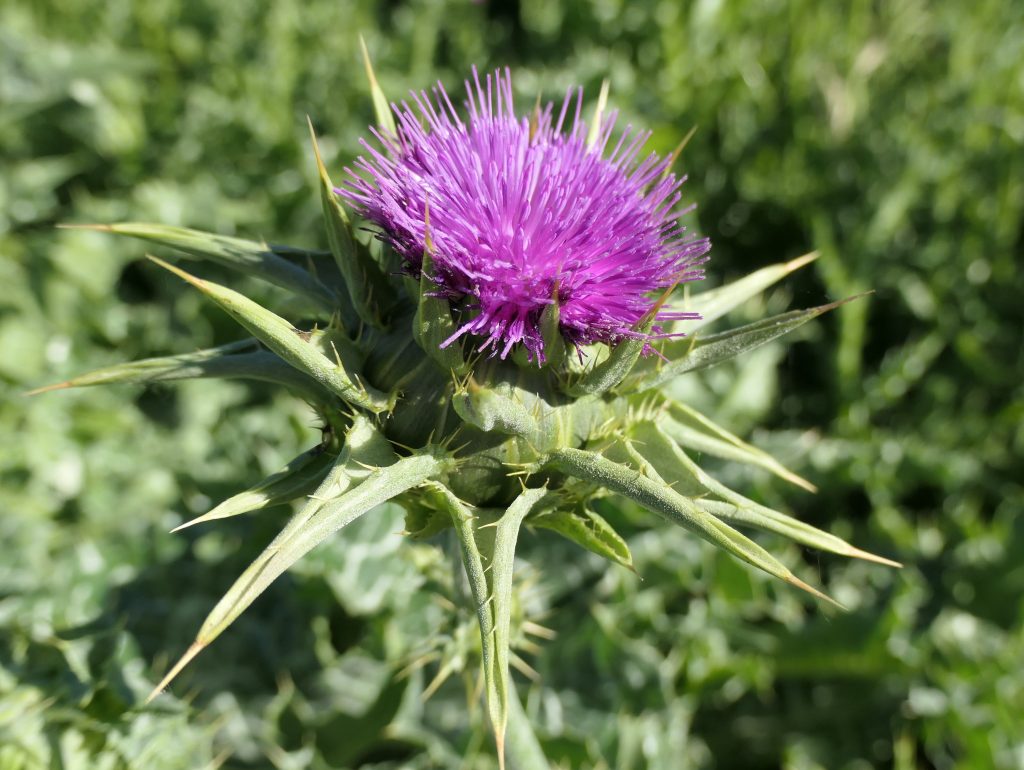
During my visit in early May, the most prominent flowers were Purple Viper’s Bugloss, Goat’s-beard Tragopogon pratensis, White Campion Silene latifolia, Milk Thistle Silybum marianum, and various clovers and wild brassicas. The plants seen being most used by butterflies were Purple Viper’s Bugloss and clovers.
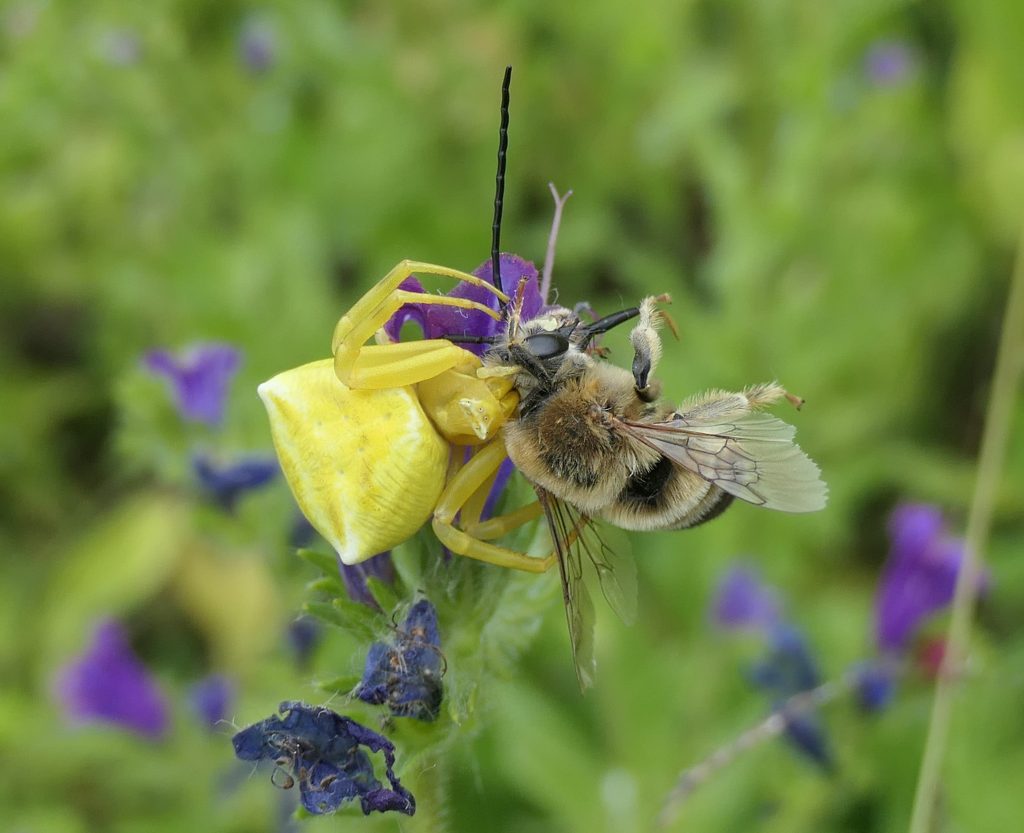
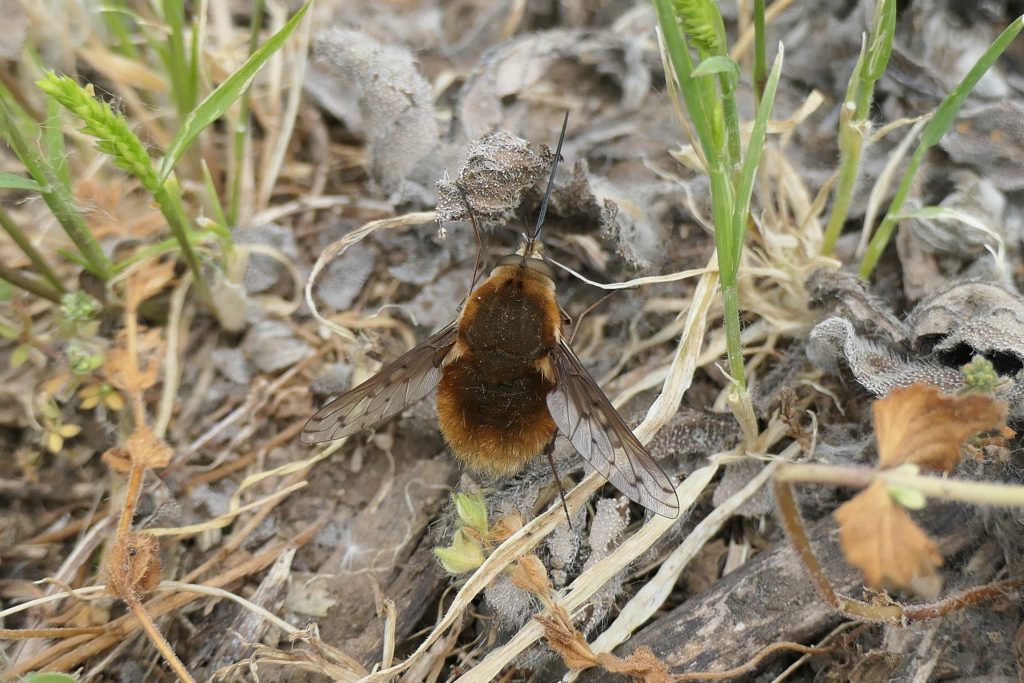
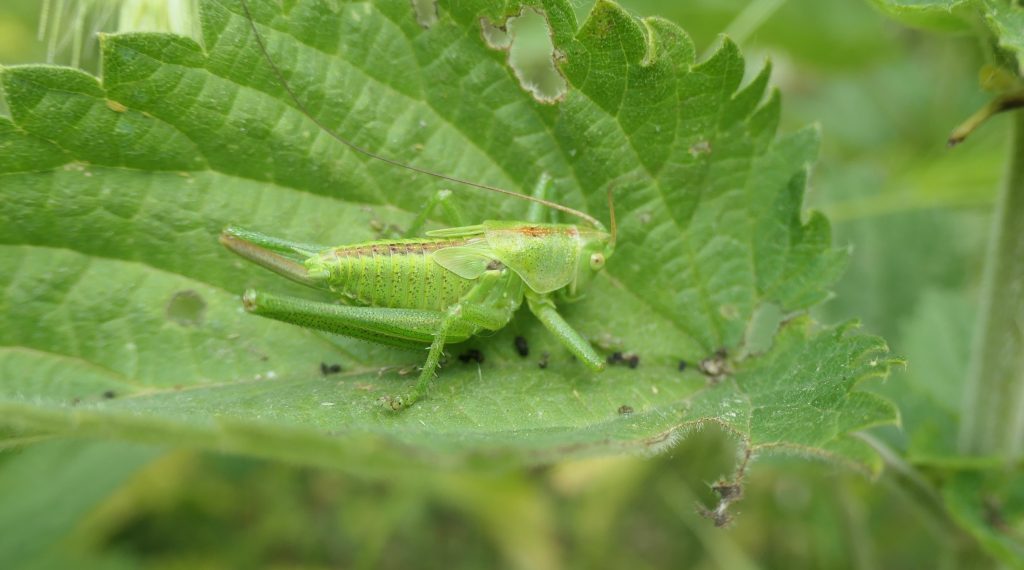
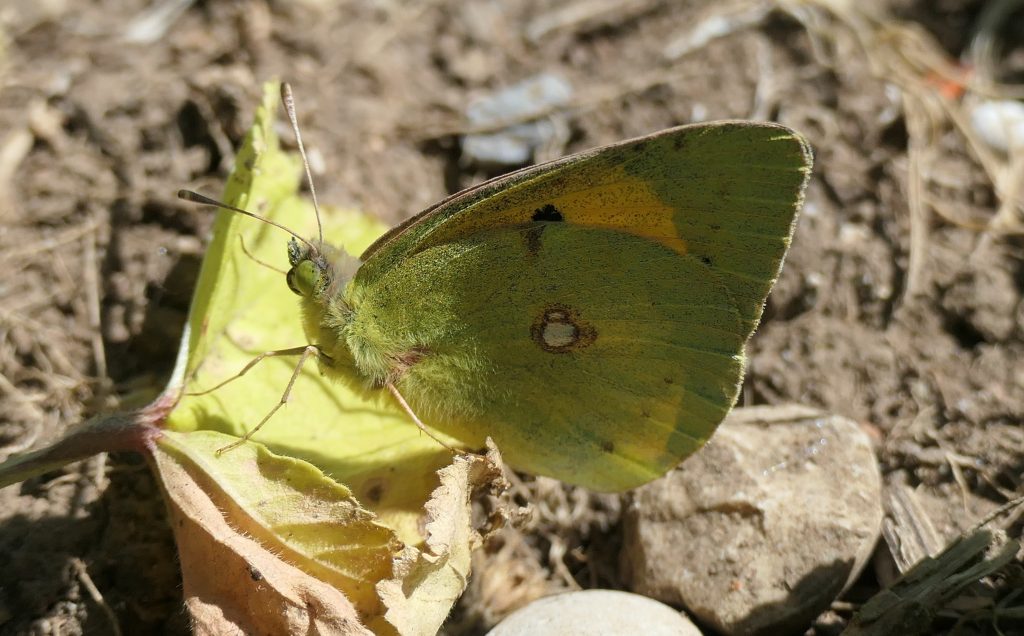
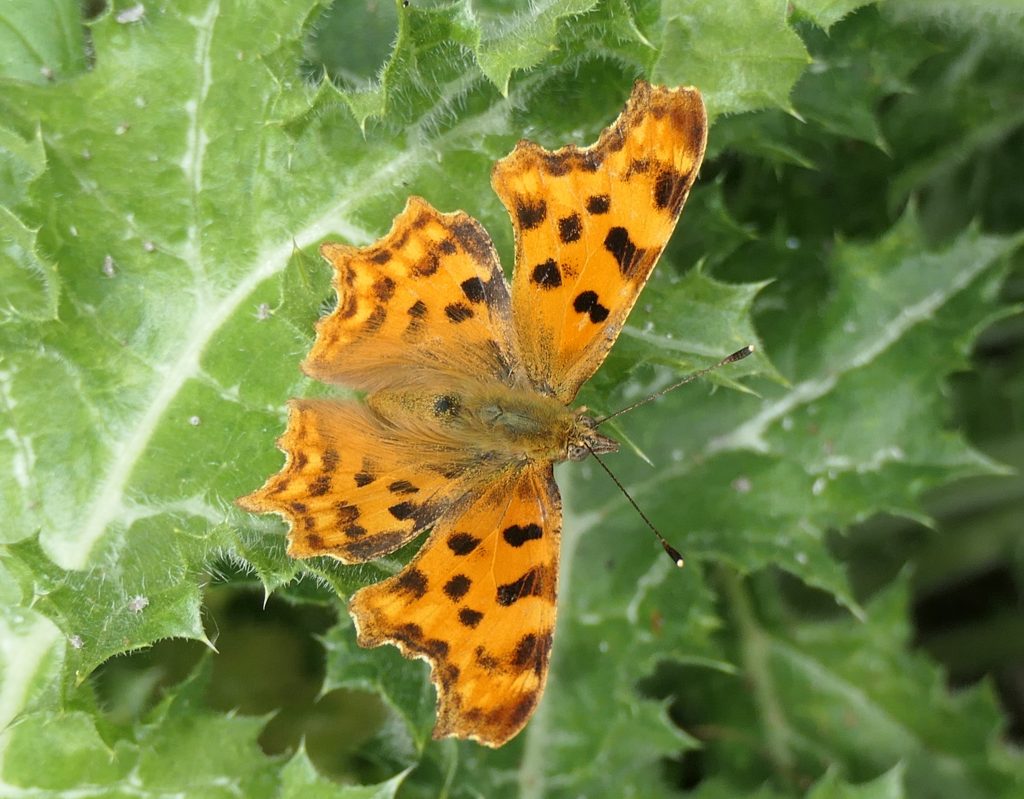
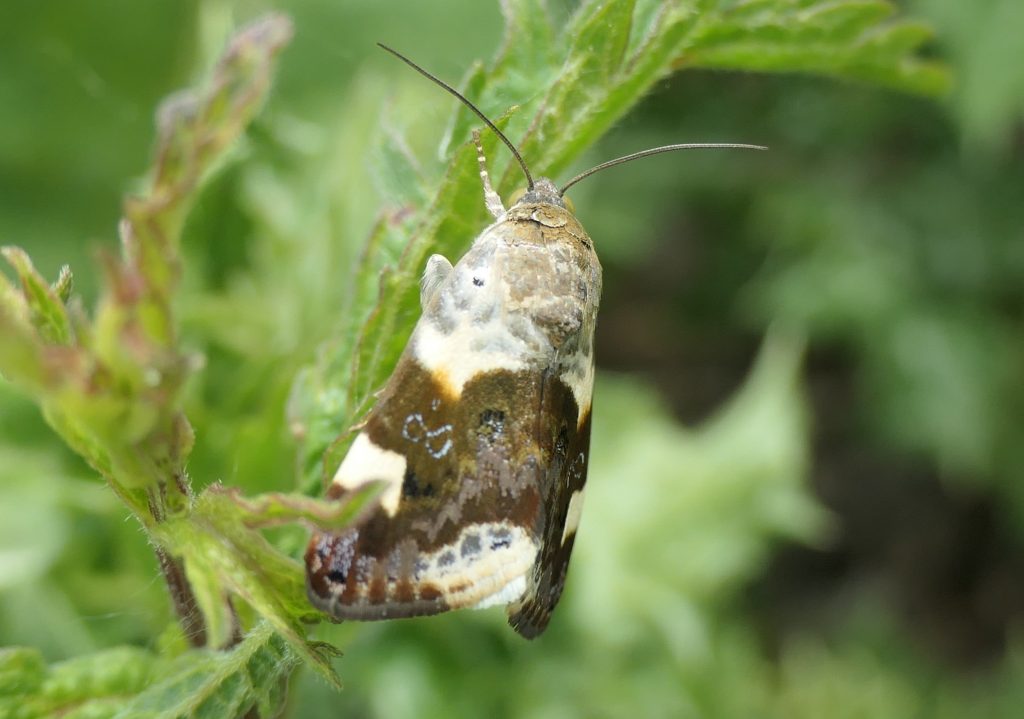
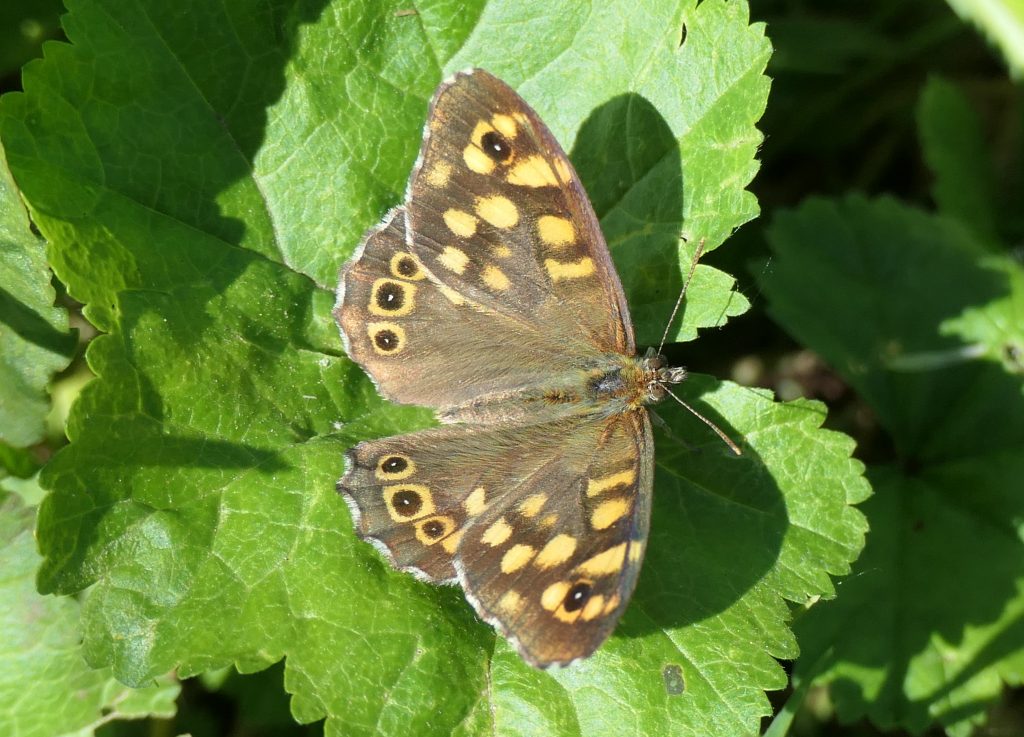
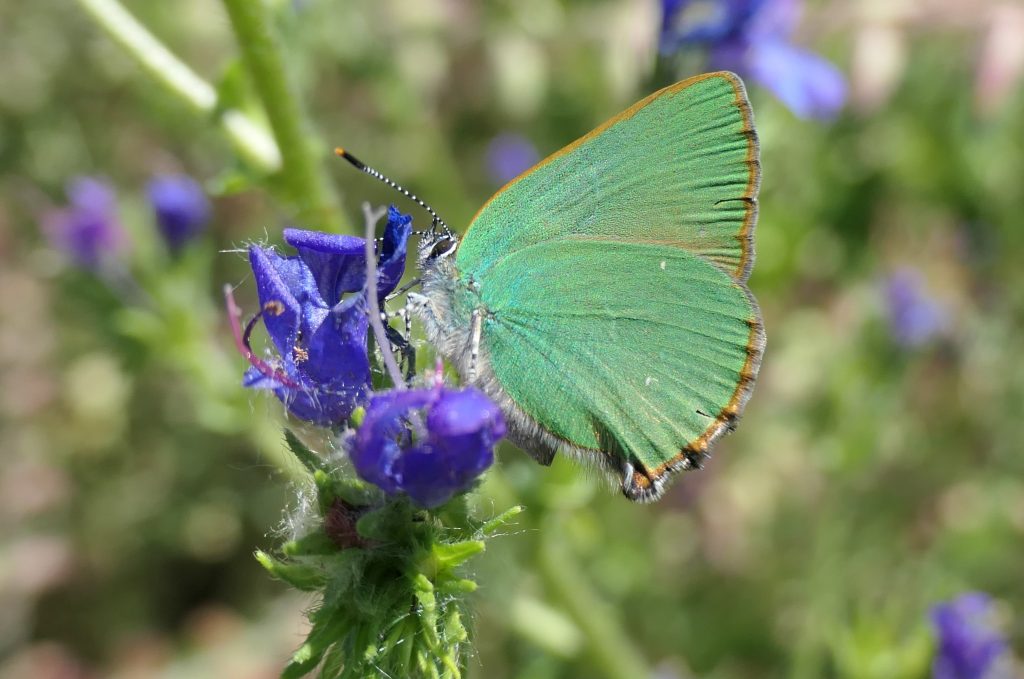
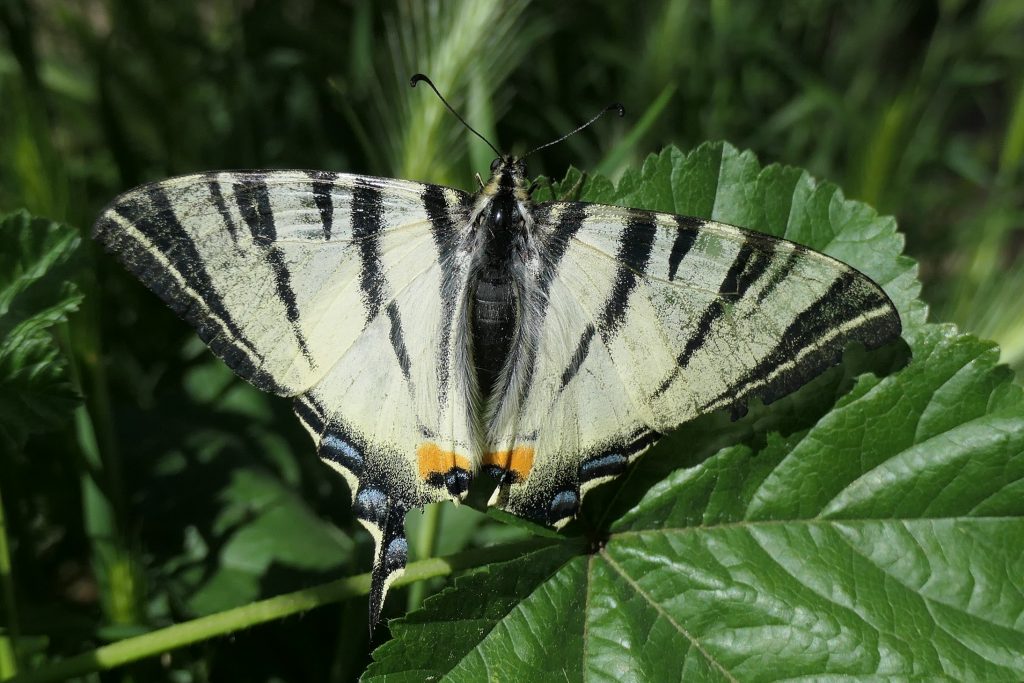
I saw 21 species of butterfly in early May, including the Nettle-tree butterfly, a species that occurs mainly in southern Europe, breeding on the Nettle Tree Celtis australis, a common tree in Rome’s parks. Green Hairstreak, Common Blue, Holly Blue, and Brown Argus were seen, along with the introduced species Geranium Bronze. Red Admirals and Painted Ladies were busy breeding, with the latter breeding on mallows and thistles. Wall Browns were found in areas with bare soils and along the unvegetated tracks. A few faded Brimstones were still on the wing. Eastern Bath Whites (or Bath Whites) were also flying, and drawn mostly to wild brassicas for nectar. The Small White was very common, and the Large White was also seen, but in lower numbers.
One notable behavioural feature was the near-complete absence of butterflies before 11 am, despite the warm, calm, sunny mornings. Some species did not appear until midday, and this includes species found in Ireland. It is interesting to consider why most butterflies emerged later than they do in similar weather in Ireland. Have the butterflies resident in southern Europe acclimatised to require much warmer conditions to become active than those they accept in northern Europe?
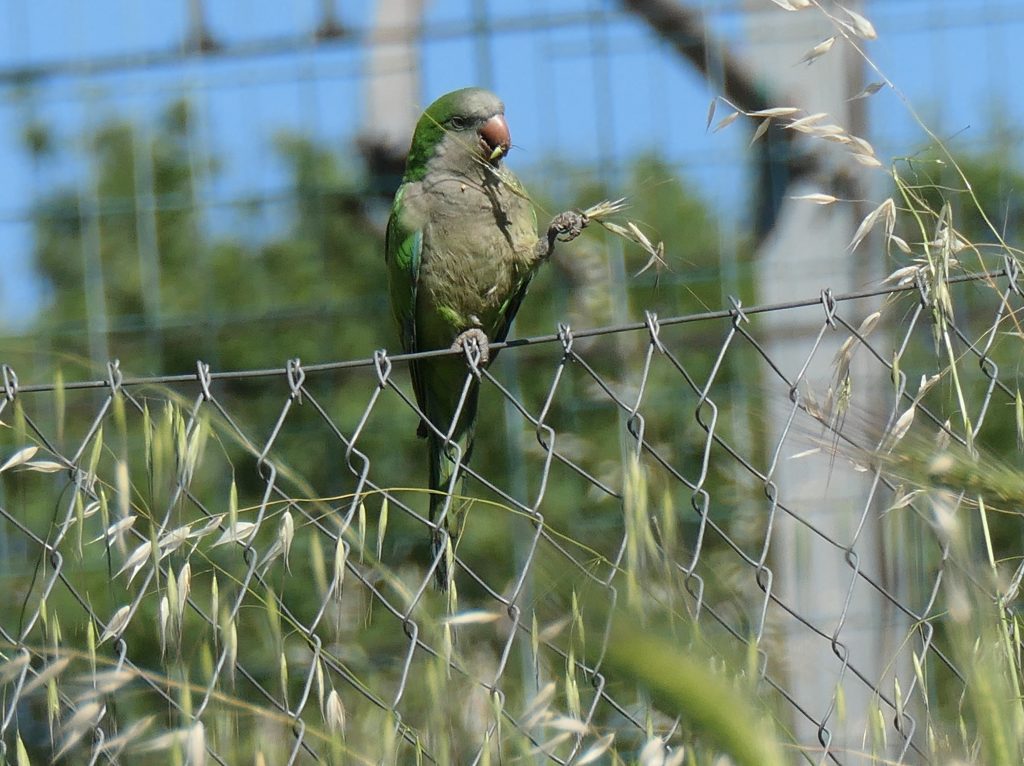
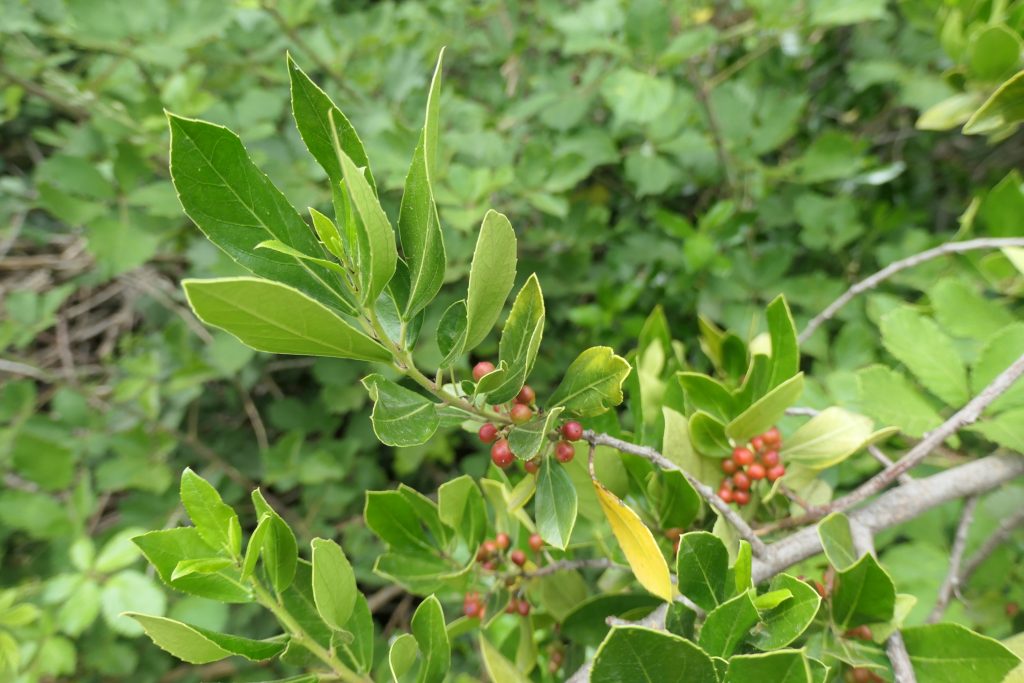
The park impresses with its Nightingale populations, with beautiful singing from dense cover in various places. Blackcaps, Blackbirds, Jays, Wood Pigeons, and especially Hooded Crows, were common.
The park is large and topographically variable, with low hills and flat ground, featuring well established walkways taking you through the range of habitats present. It is a relaxing and interesting retreat from the crowds, noise and pace of Rome’s streets. Enjoy.
Photographs copyright J. Harding