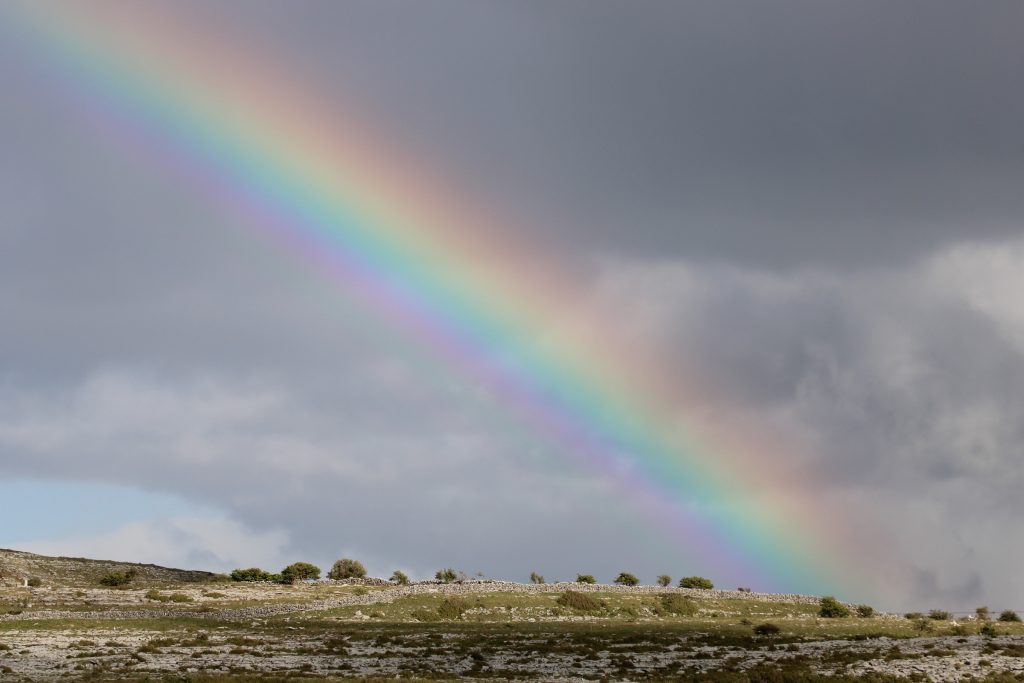
The Irish weather seems to enjoy turning nasty on weekends. Ask anyone working all week indoors when the sun is shining.
The forecast for Saturday promised nothing useful to our butterfly expedition to two Burren localities: Fahee North in the morning, and Burren National Park after lunch.
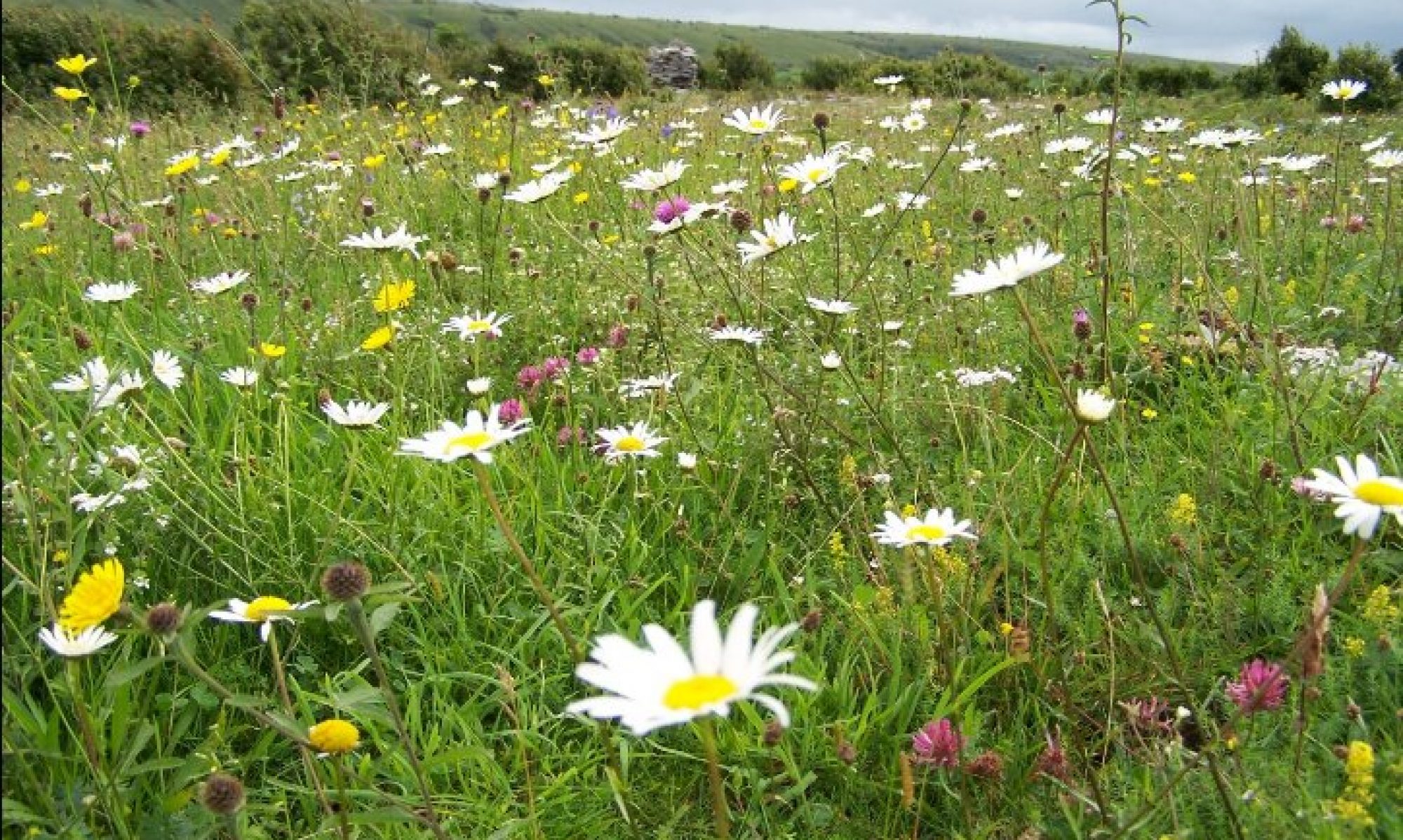
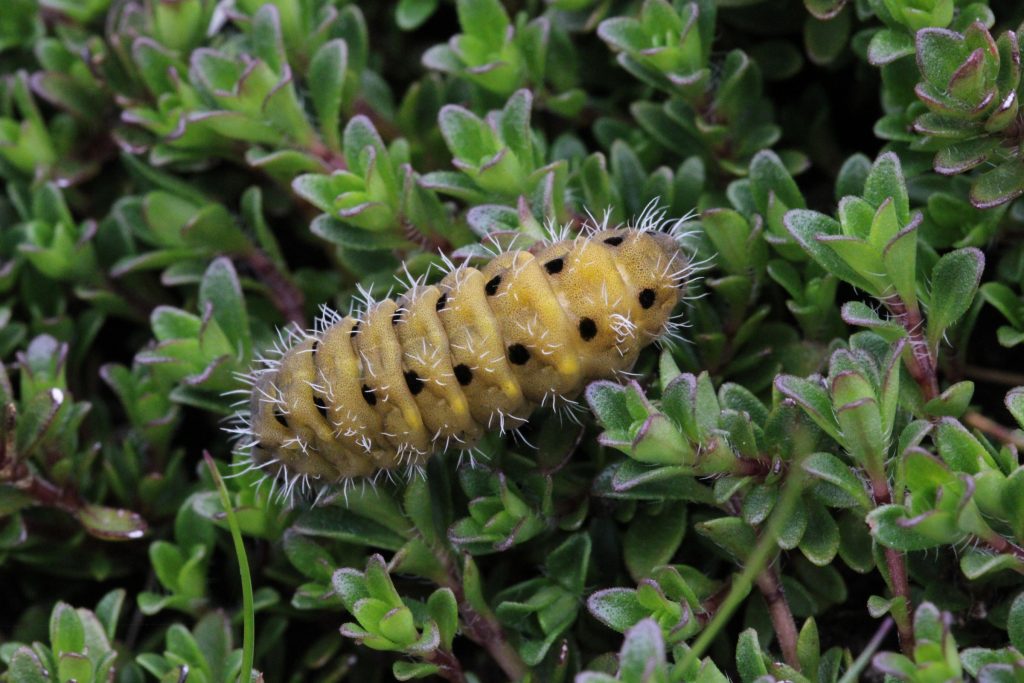
Cool, grey and windy spelt no butterfly action, but our lovely group were determined to enjoy the rich habitats on show. We did see the key larval foodplants for rarities like the Marsh Fritillary, impressive ant-hills sporting Wild Thyme holding fat, well-nourished Transparent moth larvae. It should be a good June for the striking adult moths. The grassland on the site we walked is managed by organic farmer Hugh Robson, who kindly allowed us access. Carefully grazed and scrub-controlled, this site is superb for butterflies, holding all four fritillaries, two blues, Brown Hairstreak, Small Copper, all the Burren’s brown butterflies, all the Burren’s whites, and the expected Small Tortoiseshell, Peacock, Red Admiral and Painted Lady.
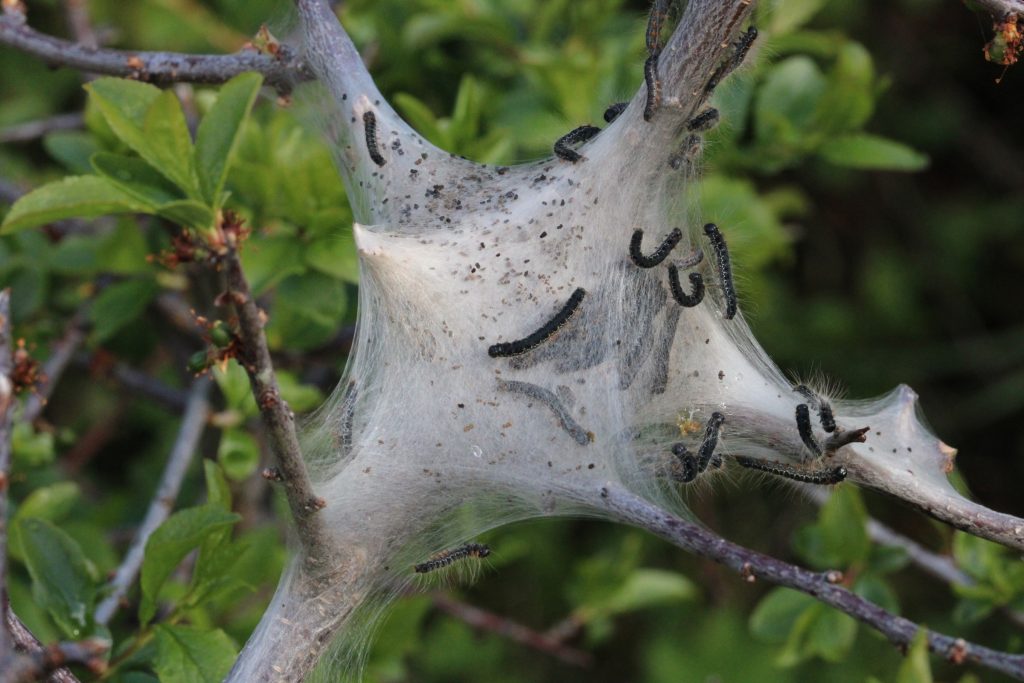
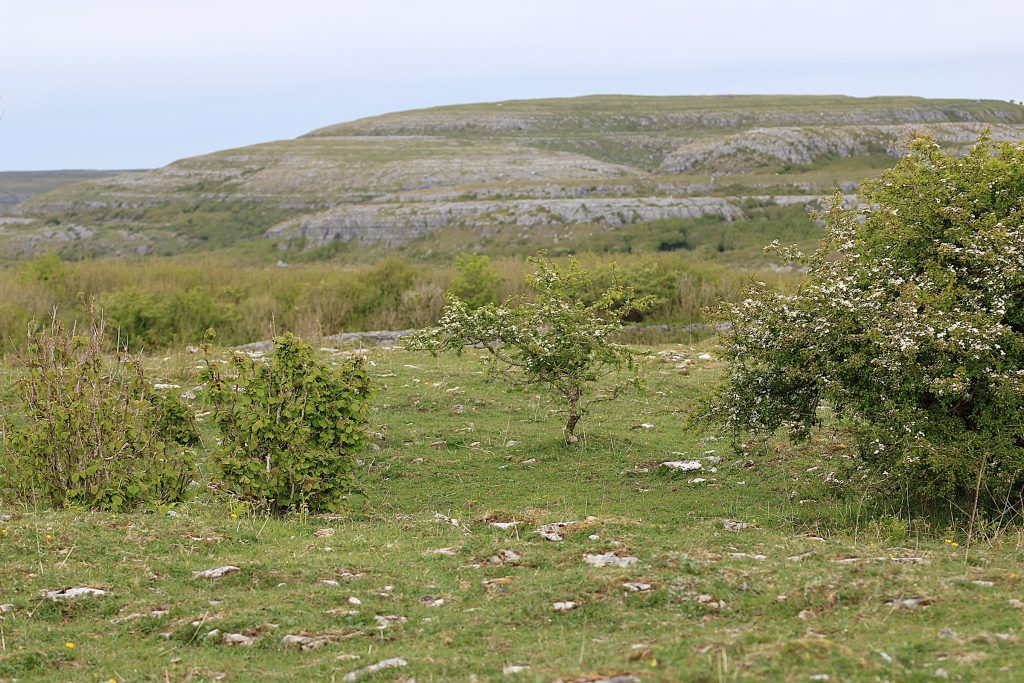
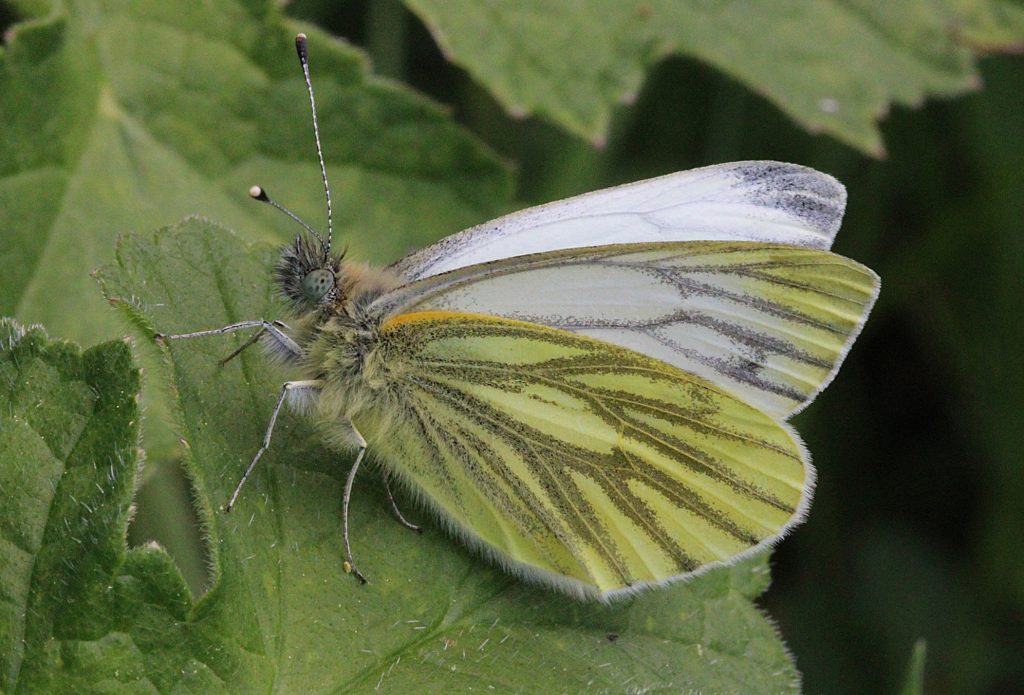
Adjoining is a very different habitat: open scrub on shattered limestone pavement grazed heavily by horses, creating ideal conditions for the Pearl-bordered Fritillary and Dingy Skipper. Just as we were leaving, the sun entered, as did the Pearl-bordered Fritillary and Wood White. I missed the latter, but photos were taken and produced in evidence!
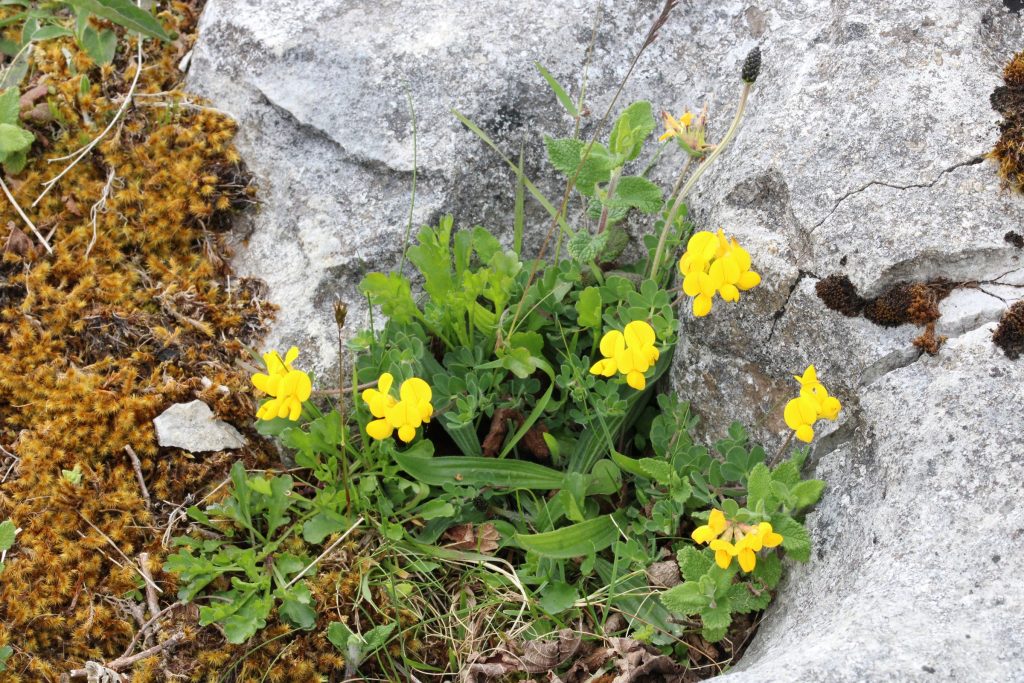
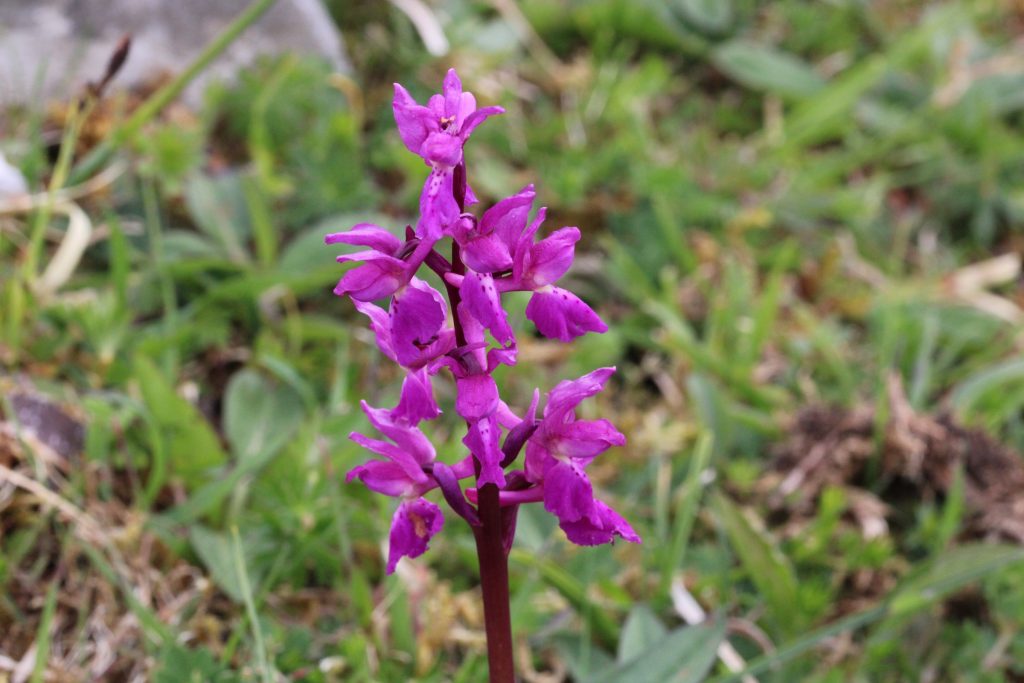
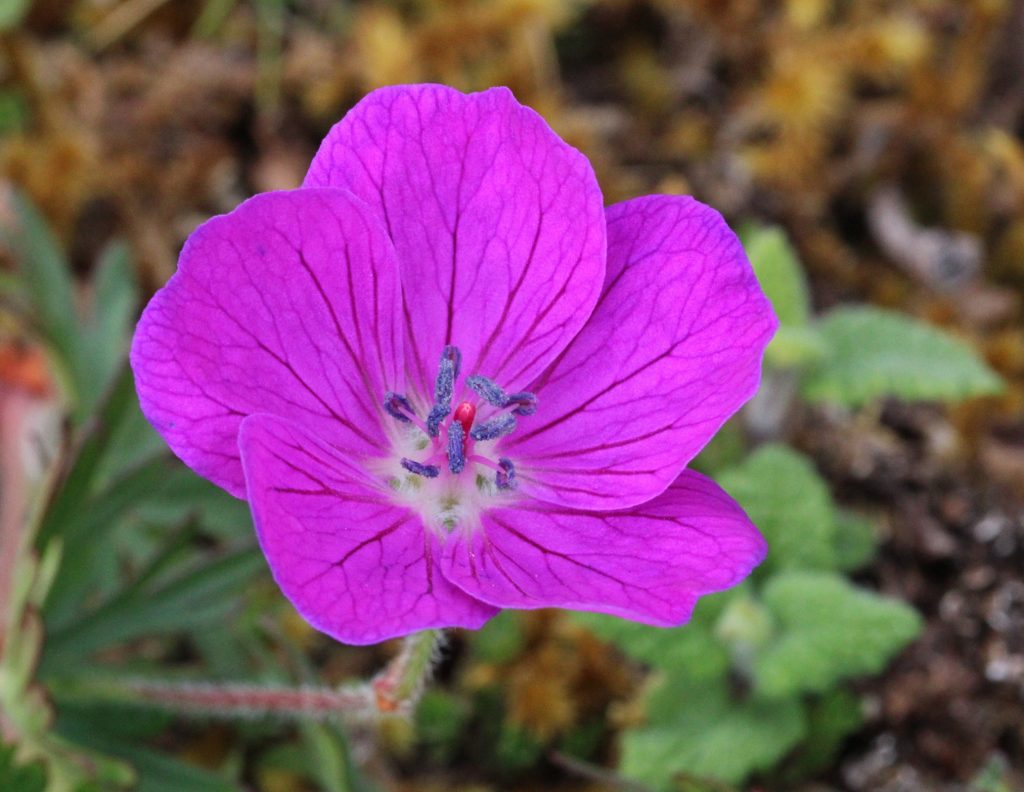
A drive, a bite of lunch and part II began with a visit to the Burren National Park. We walked the Orange Route, which takes you through Limestone grassland, scrub, Knockaunroe Turlough, Ash/Hazel Woodland and finally to a lovely area of warm, dry grassland dominated by ant hills. The sun shone most of the time and made for a very rewarding experience. A couple of over-the-hill Brimstones hoved into view and into my net when we held our collective breaths in admiration of a butterfly already 8-9 months old and still feisty.
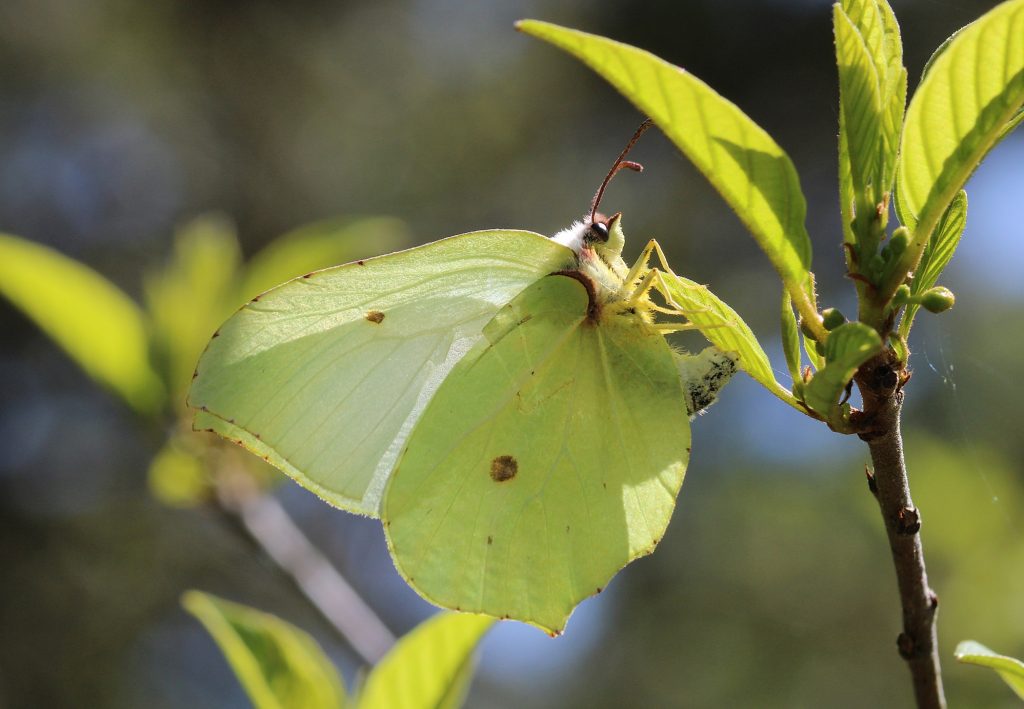
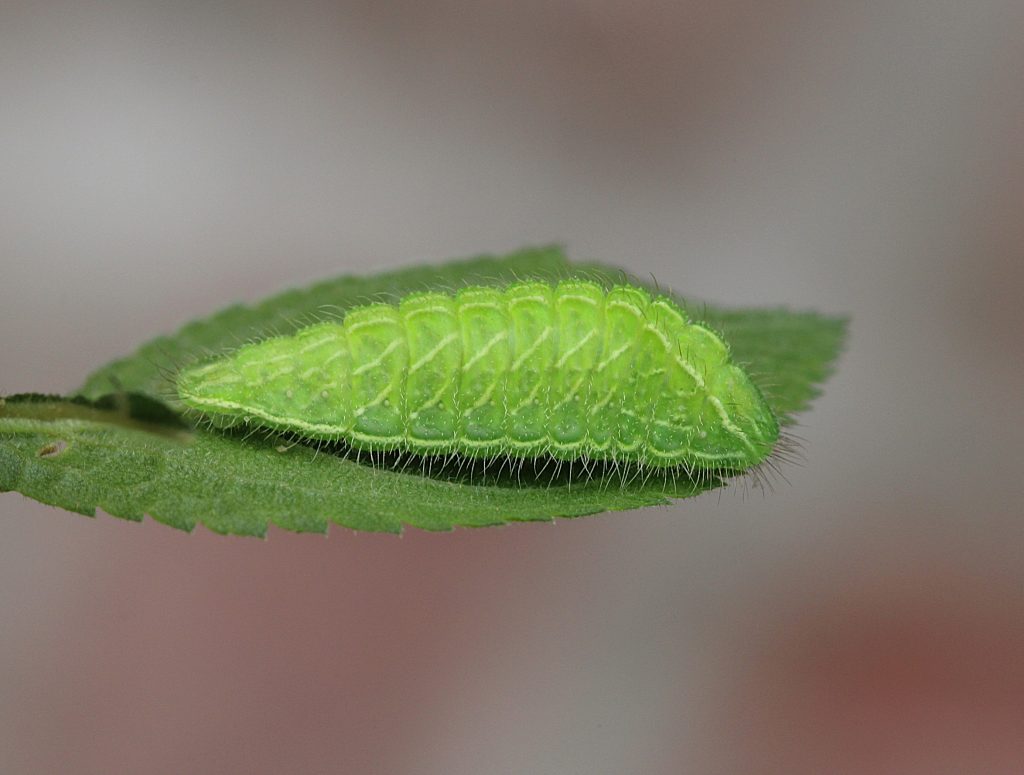
One of her children was found on a Purging Buckthorn near the turlough. This little green caterpillar was lined up along the leaf midrib, blending greenly with the fresh, gleaming emerald of the foliage.
The scrub at this point is unusually rich, with abundant buckthorns, Hazel, Ash, Guelder-rose, Hawthorn, Blackthorn and Shrubby Cinquefoil. For the record, the turlough was dry. The area is warm and sheltered and heavily favoured by Wood Whites.
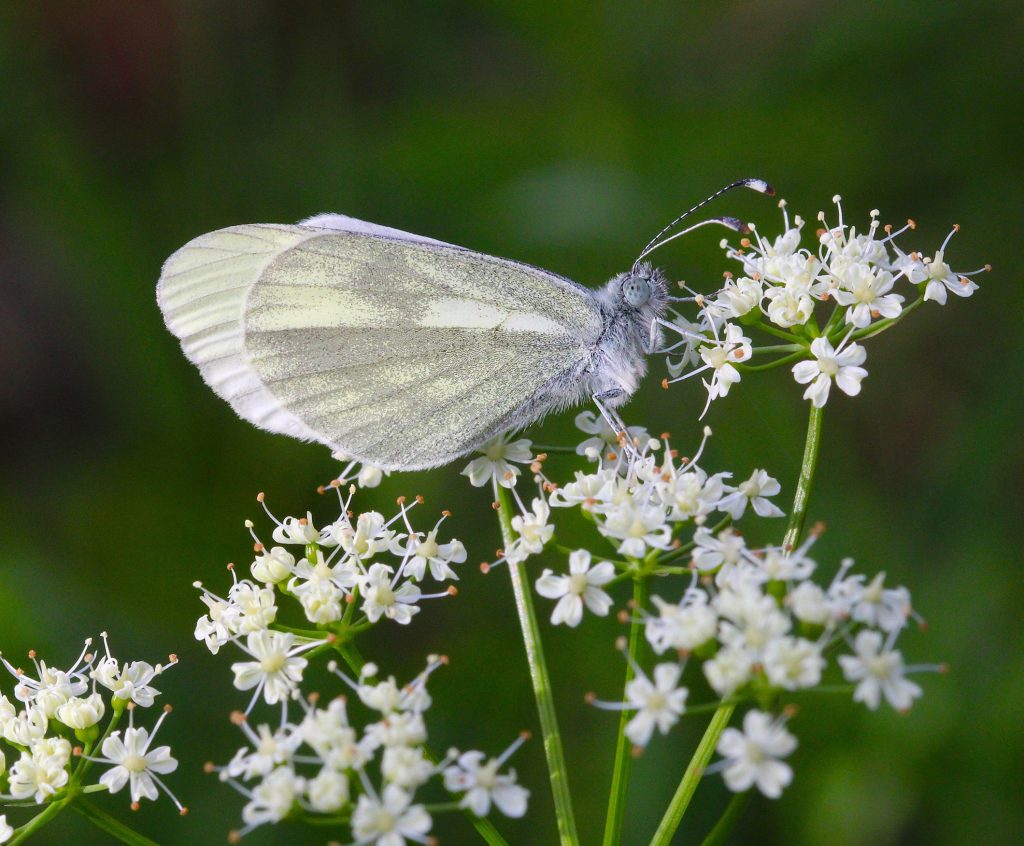
This delicate creature occurs only on exposed Carboniferous limestone in Ireland, making it one of our rarest butterflies. It is currently known from just 24 10km squares, 2.35% of Ireland’s 10km squares.
Dingy Skipper and Burnet Companion waited for us in the ant hill grassland. They darted in the sunshine, in a warm, quiet place that invites you to linger. Looking at this area, it is notable for the small-scale diversity now so often absent from our landscapes. Ant hills, short, medium-height and tall vegetation, low bushes, tall scrub, and woodland in the vicinity provide niches for a great range of plants and invertebrates, including some cheeky grasshopper nymphs.
Just as our time was drawing to a close, a White-spotted Sable sparkled in the May sunshine. Perhaps summer will be good to us.
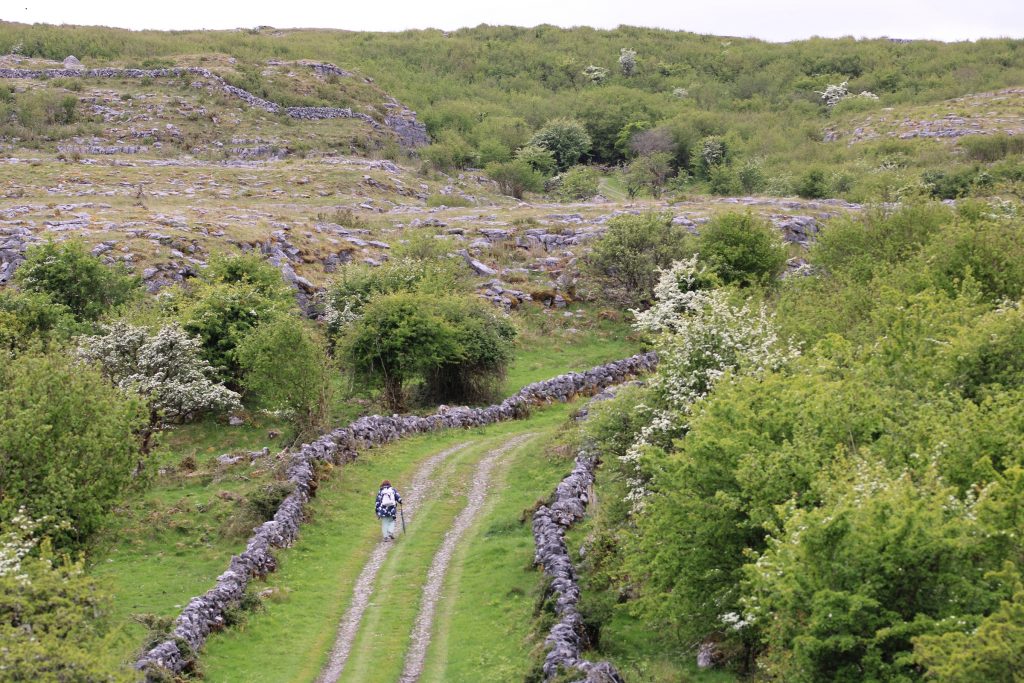
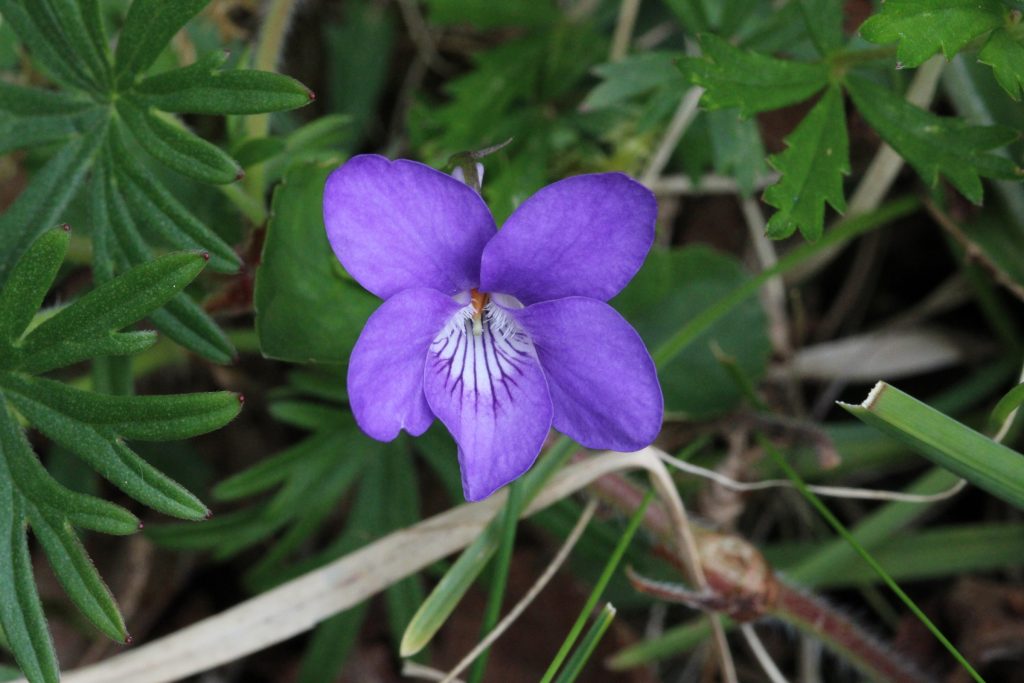
Sunday dawned wet, brooding and chilly. Our walk was planned for Clooncoose Valley, and we started the walk in cold rain more typical of February than May. Luckily, the valley is sheltered, and the track heats even in weak sunshine. We saw a solitary Speckled Yellow moth, surely one of our prettiest day-flying moths. We discussed butterfly ancestry, genetics and the history of butterfly recording during a dry period. We looked at important breeding plants, including Common Dog-violet, until very heavy rain precipitated a retreat to prepared positions.
Warm cars awaited, thankfully! However, despite the deluge, we had a lovely time and hopefully learned lots. Thanks to Brian Nally and the team at Burrenbeo Trust, and to everyone who travelled to these well-attended events. I certainly enjoyed the company and sharing time with people who appreciate nature and the Burren.
Our next event is a walk in Lullymore and Lullybeg on Saturday, 23rd May.
All photographs copyright Jesmond Harding