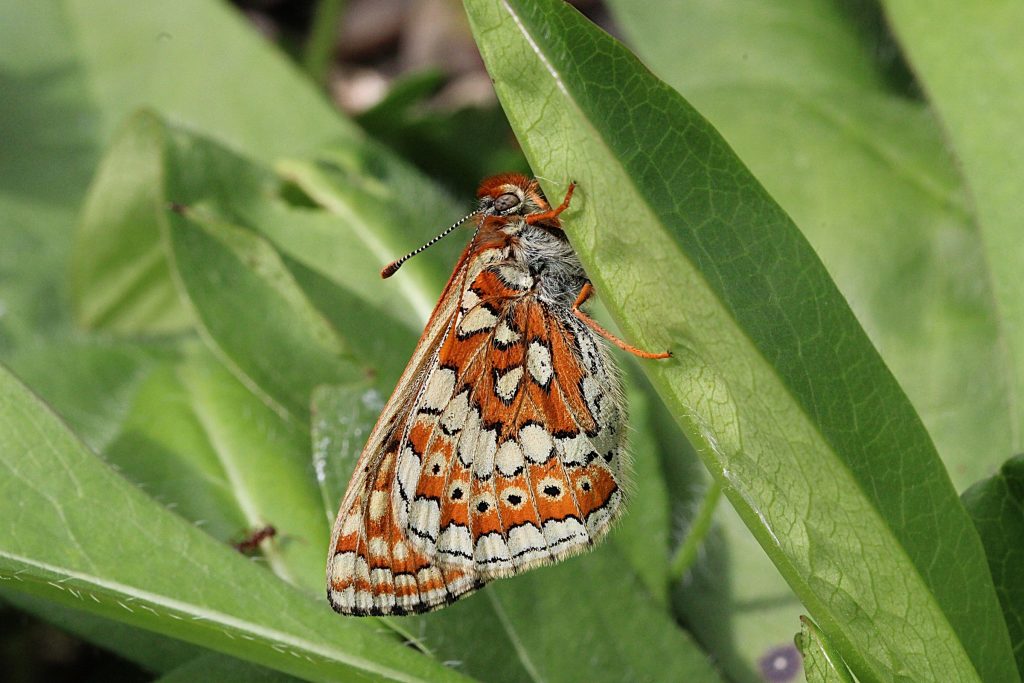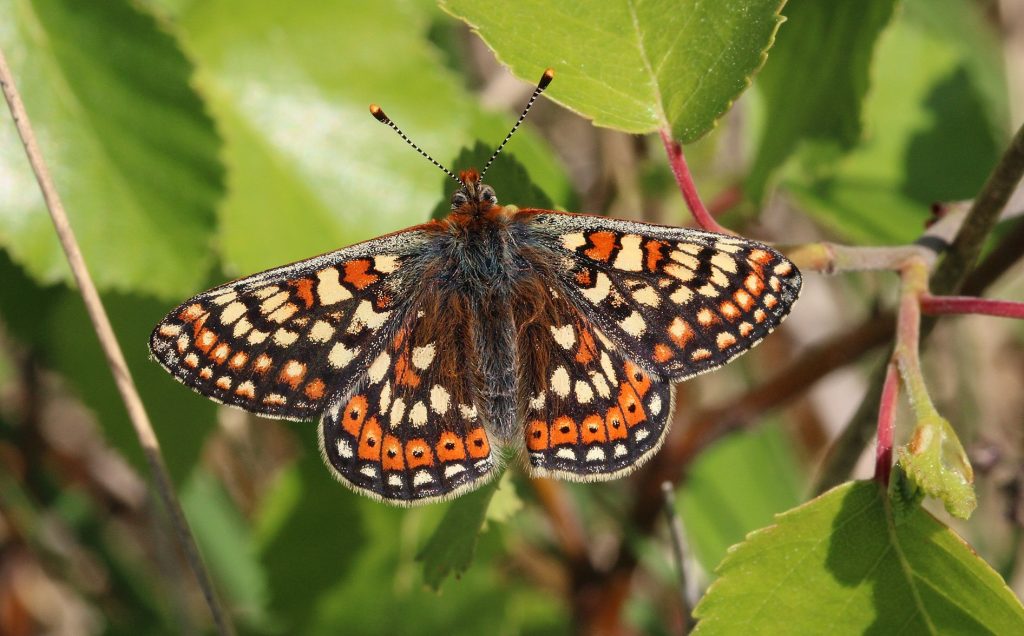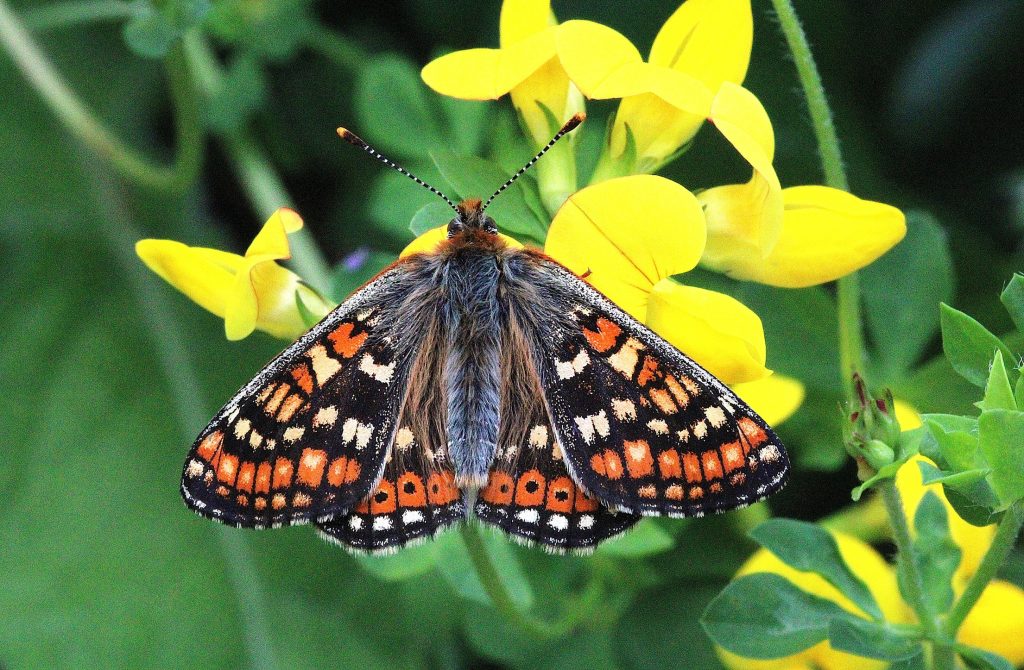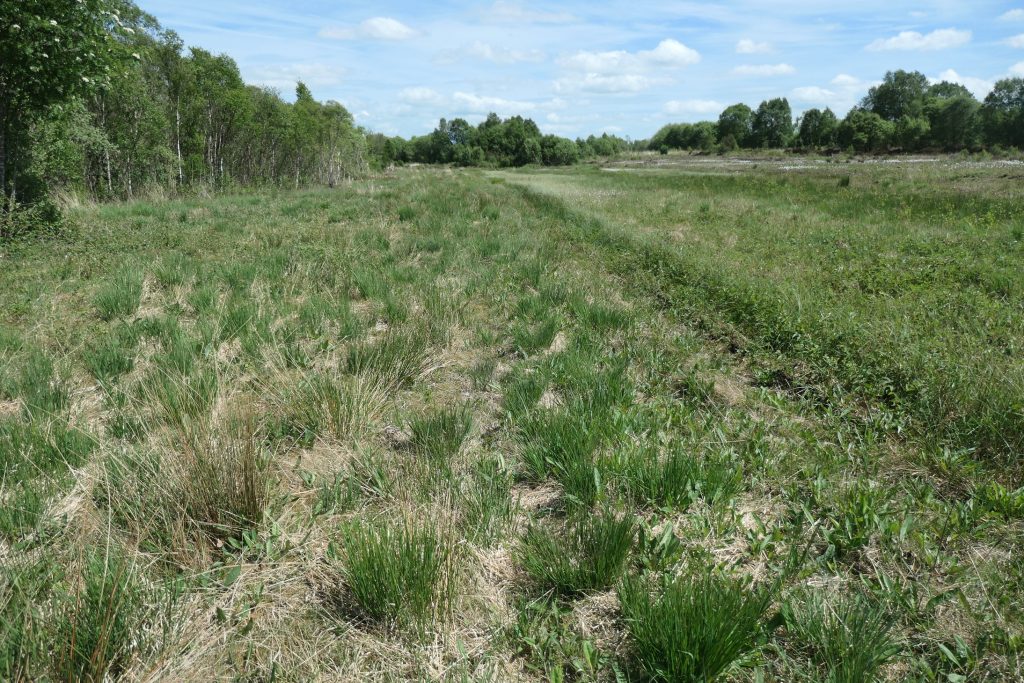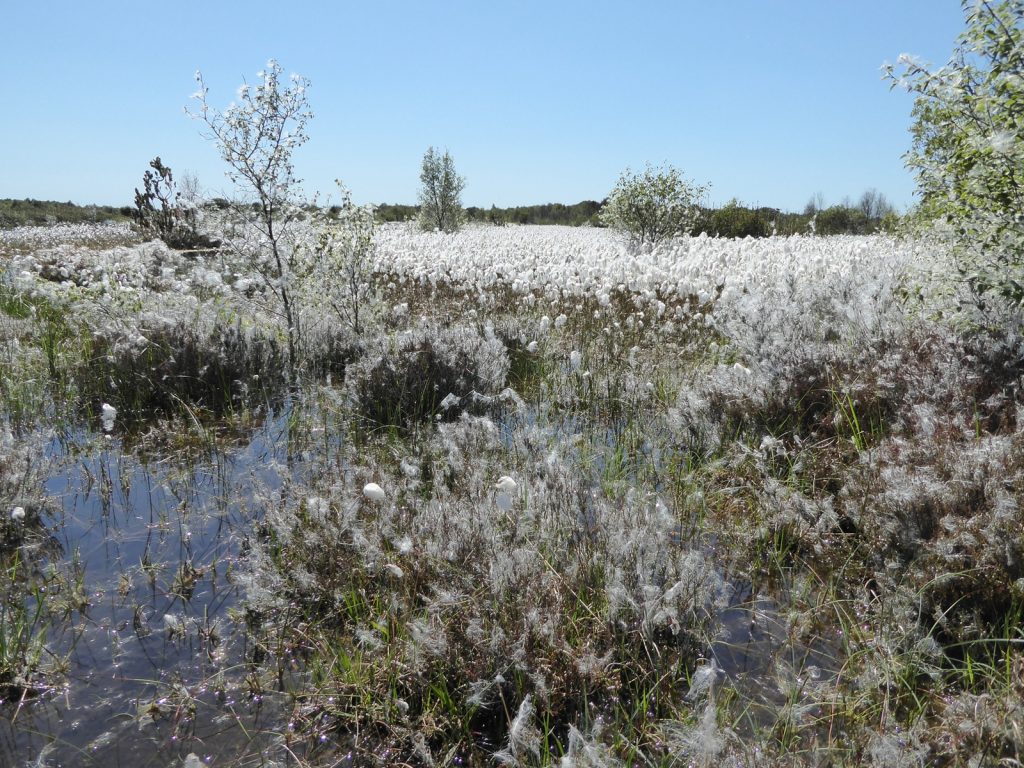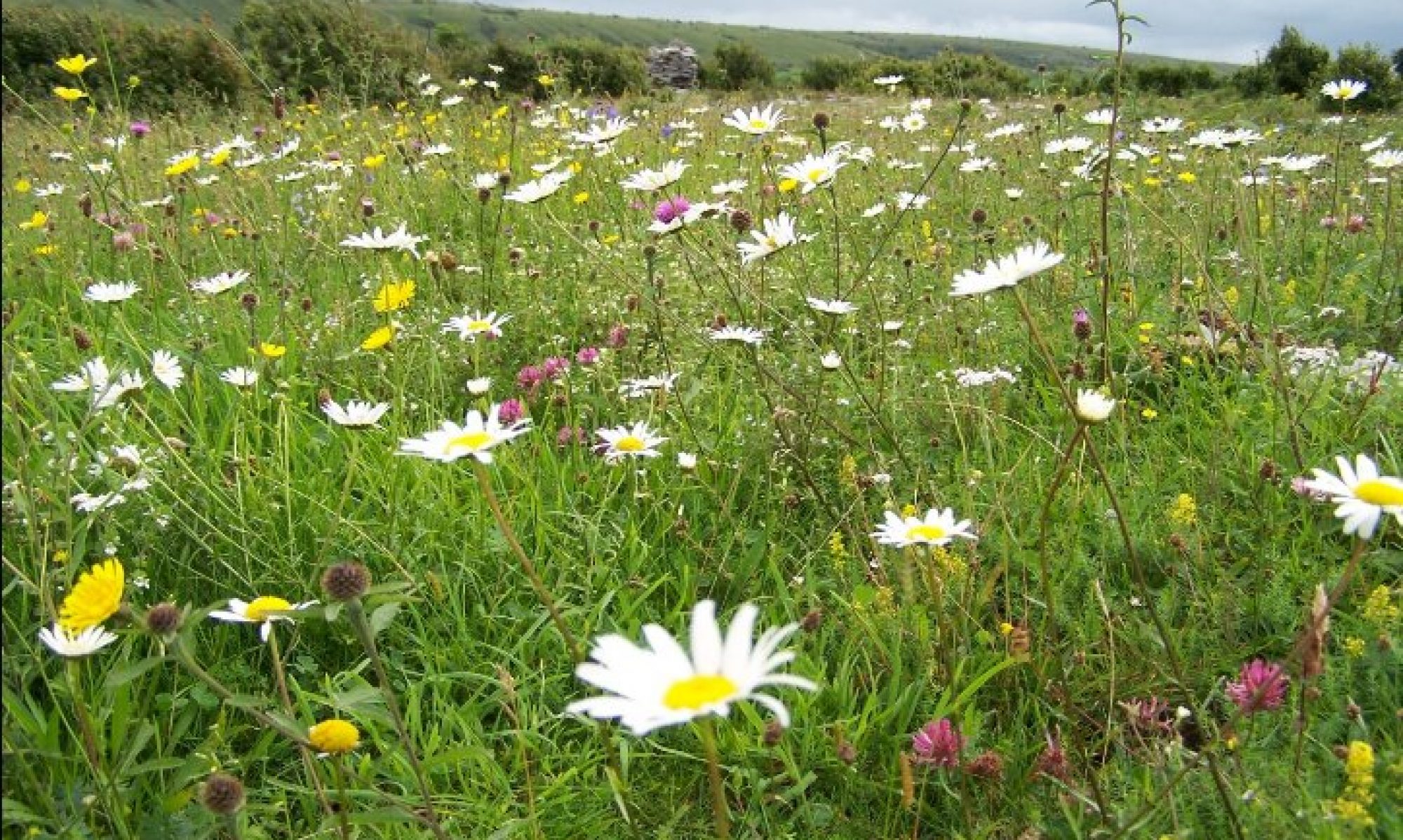
The rare Marsh Fritillary butterfly, Ireland’s only legally protected insect, ranked Vulnerable on Ireland’s Butterfly Red List, continues to thrive at Lullybeg Reserve. Butterfly Conservation Ireland members monitor butterfly populations on the reserve. One of our members, Pat Wyse, counted 24 adults along the transect route through part of the reserve, with more uncounted off the transect. Only butterflies along the fixed route are counted according to the methodology; butterflies 2.5 metres either side and five metres ahead and above the walker are recorded.
Lullybeg is managed for butterflies, with grazing, scrub control, and soil disturbance applied to selected areas to benefit all butterflies present in the reserve.
The sight of beautiful adult Marsh Fritillaries on the wing in May and June is a reward for the hard work of our supporters and members, and an incentive to continue our stewardship.
The Marsh Fritillary continues to thrive in Lullybeg, but for how much longer? Listen to the interview with RTE’s Philip Boucher Hayes conducted on Lullybeg Reserve on 26th of May (from 38 minutes to the close): https://www.rte.ie/radio/radio1/countrywide/episodes/11799226/
Thanks to everyone involved in the reserve’s management. Enjoy the photographs.