Butterfly Conservation Ireland is delighted to see the sunshine return to our lives this April, and our butterflies are making the most of the opportunity to get out to feed, seek mates, lay their eggs, and, in some cases, to migrate. We would love you to get out and about to see and record our butterflies, and to record butterflies in your garden. Anyone can join our garden butterfly monitoring scheme, and you will receive a report on how our garden butterflies are doing early in 2027.
Our recording form is here: https://butterflyconservation.ie/wp/wp-content/uploads/2017/12/National-Garden-Butterfly-Survey.pdf
Any record of any butterfly or moth can be emailed to us. The way to do this is described here: https://butterflyconservation.ie/wp/records/
The records for 2026, so far, are here: https://butterflyconservation.ie/wp/records/2026-2-2/
Here are six butterflies visiting gardens now.
All are on the recording form, so get out into the garden and see if they are there. The more butterfly species your garden has, the better it is for nature.
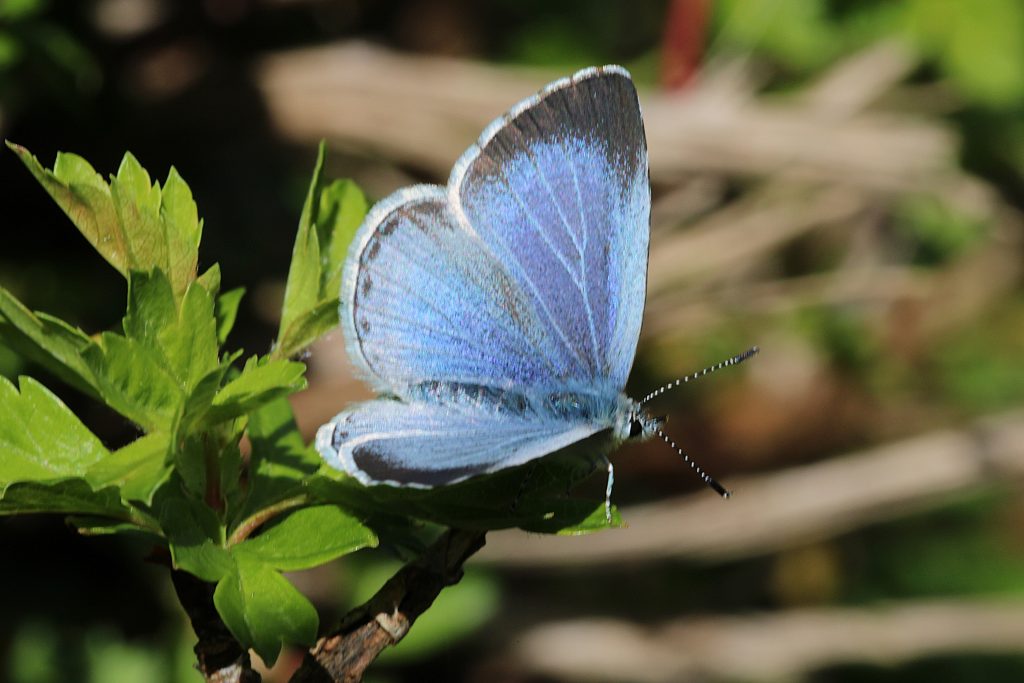
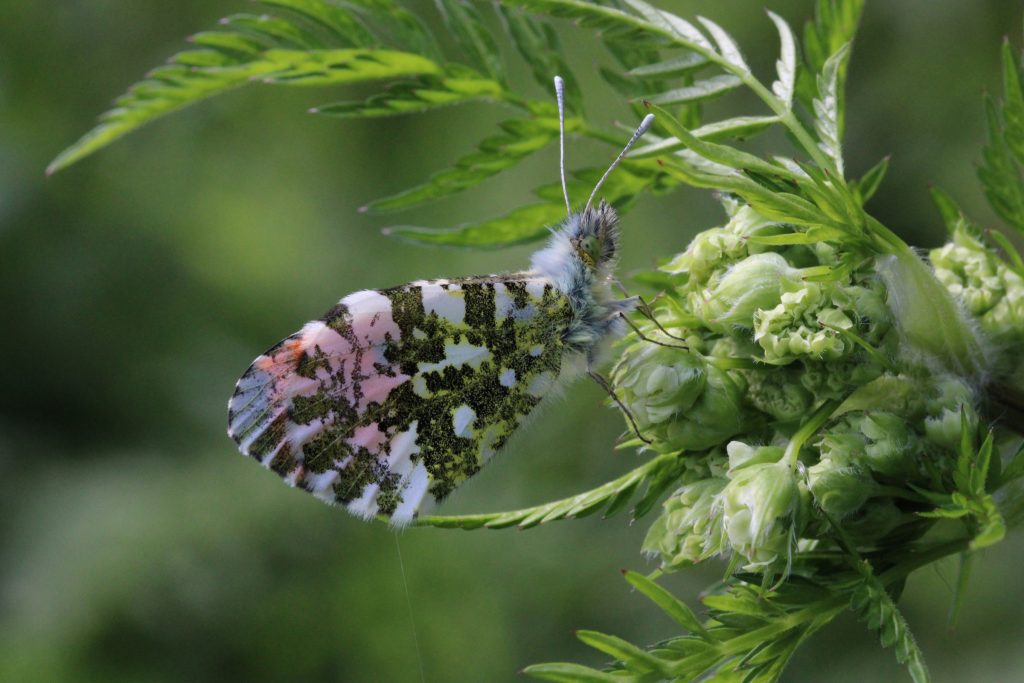
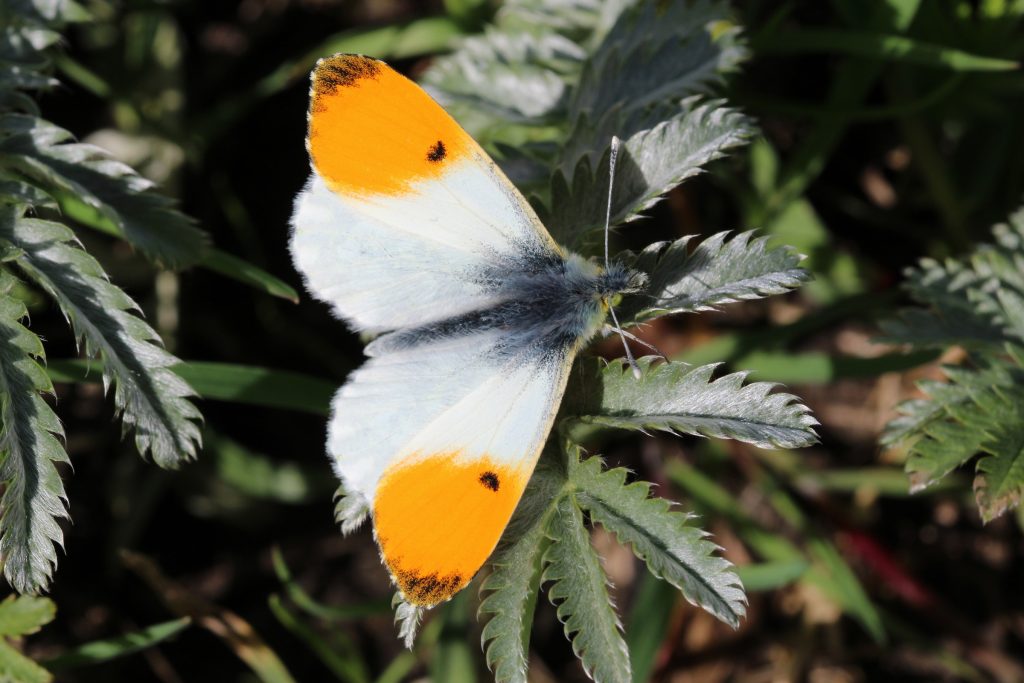
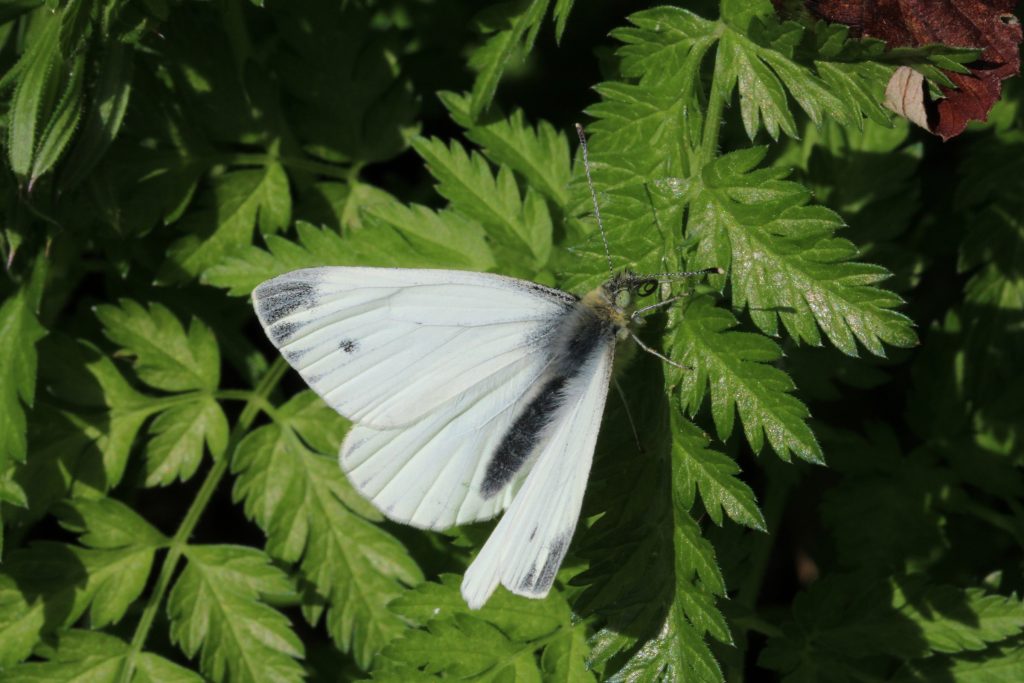
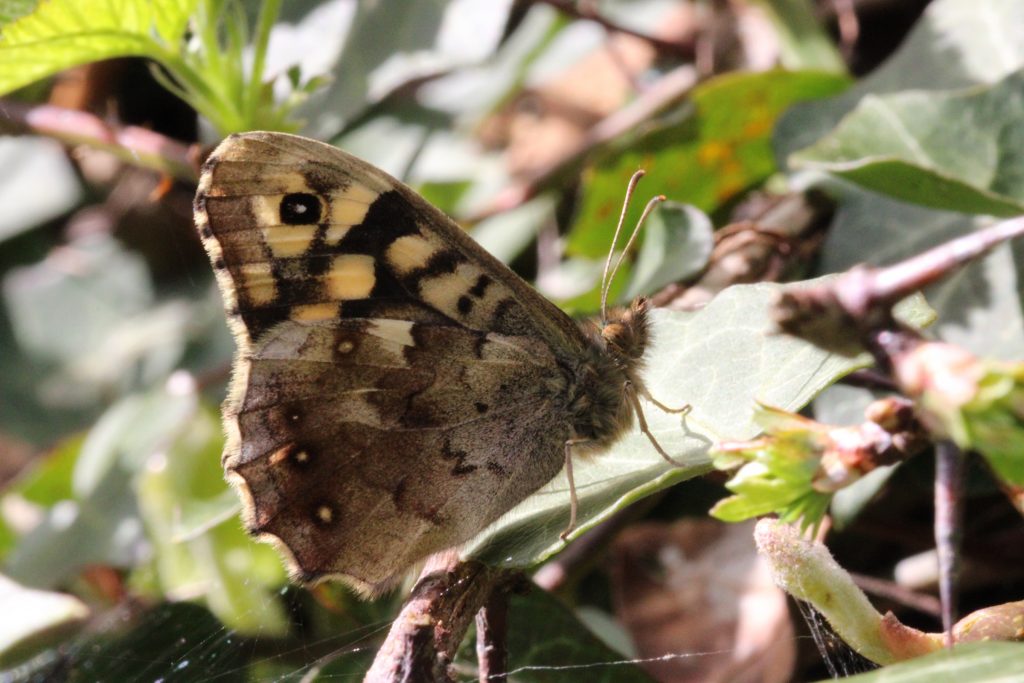
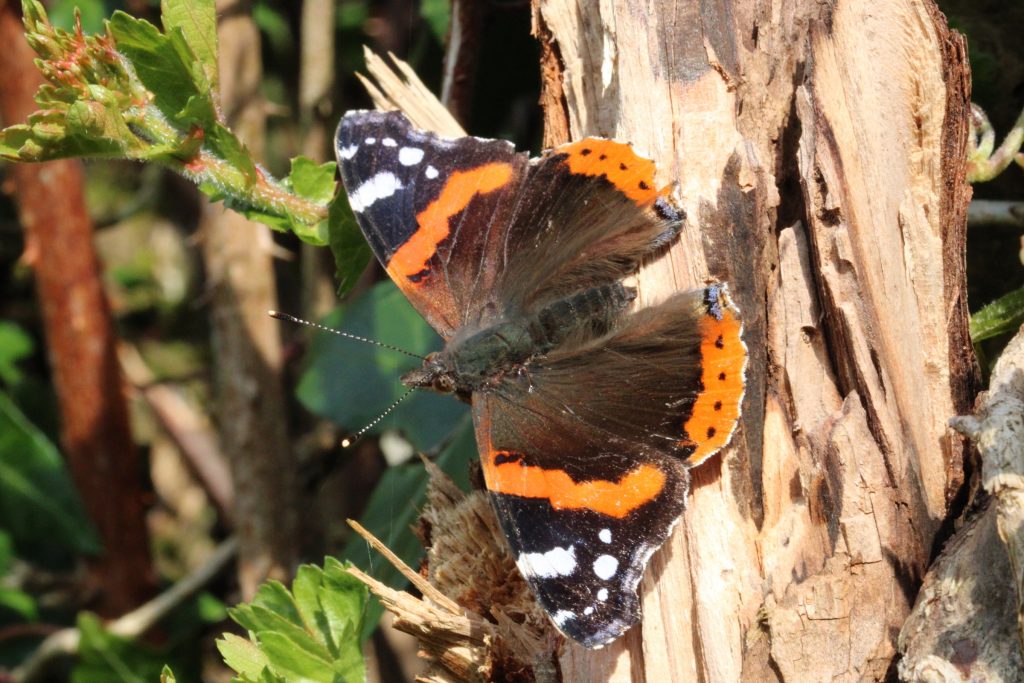
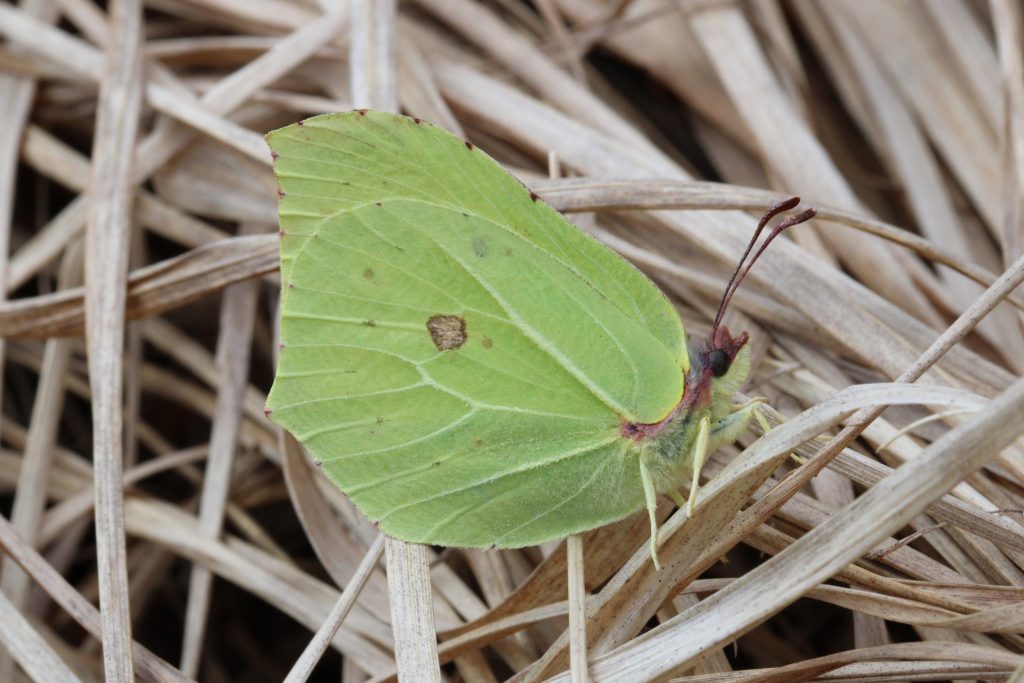
The Holly Blue is the greatest butterfly fan of our gardens. It loves gardens, especially in suburbia, even more than wild habitats! A sunny, sheltered garden containing shrubs is ideal for this gorgeous, lilac blue marvel. The spring females lay eggs on a range of garden shrubs, including dogwood and firethorn, but their favourite is Holly. It lays eggs very happily on Alder Buckthorn, if you have this much rarer plant. Later in the year, second-generation Holly Blues lay their eggs on flowering Ivy, so don’t cut it back until late winter.Orange-tip male, underside. This one is resting on Cow Parsley, taking a break from arduous patrolling in sunny weather. Despite appearances, it does not spend the whole day in flight, but takes breaks to feed, rest and bask, at times doing all three at once.Orange-tip male upperside: this male is basking. The black scaling on the wing bases near the thorax and the black thorax draw heat to his flight muscles, essential in sunny but still quite cool weather. This butterfly likes wilder gardens with taller vegetation and damp grassland growing that lovely spring bloom, Cuckoo-flower.The Green-veined White shares the habitats of the Orange-tip, as well as some of its larval foodplants, but avoids competing with its showy companion by using different parts of the foodplant. Another difference is that the Orange-tip produces only one generation each year. The Green-veined White can have three.The Speckled Wood is Ireland’s most recorded butterfly, and if your garden has some native hedging with tall wild grasses close to the hedge, you should see this butterfly. You will never see it in numbers, because the highly aggressive territorial males expel any intruding males. Females, of course, are welcome to enter his domain.The Red Admiral is a migrant, and we have been getting multiple reports of its arrival in Ireland since early April. This butterfly is a male, alertly scanning a hedged lane for females and rival males. The Red Admiral is already bust laying eggs, so spare that nettle patch!The Brimstone visits gardens in areas where it occurs, but it is not a garden butterfly in Ireland as it is in England. Still, the lovely sulphur-yellow males are unmistakable and worth looking out for. Growing Purging Buckthorn and or Alder Buckthorn in a sunny place in your garden is the best way to encourage spring visits from this cheerful-looking butterfly.
Gardens are important for some butterflies. Butterflies do not ‘end up’ in gardens; they appear in gardens for a purpose. This might be to seek nectar, shelter, mates, breeding plants or hibernation sites. By catering to these needs, you are making a difference to the conservation of nature in general, not just to butterflies. For information about how to do this, see https://butterflyconservation.ie/wp/butterflies/gardening-for-butterflies/