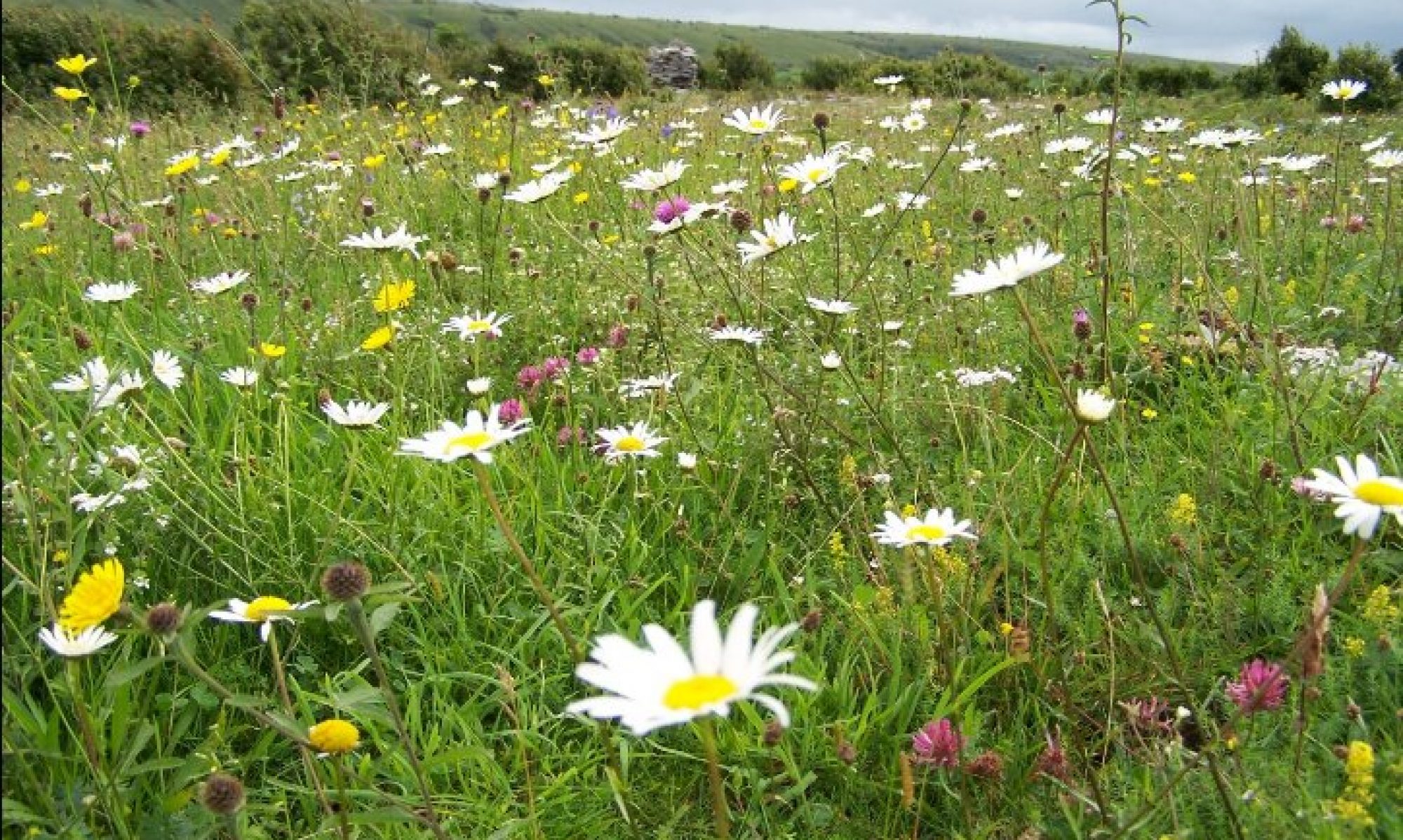
The recent hot, sunny weather makes everything outside look brighter. Winged insects can move with ease, finding it easier to feed, seek mates, lay eggs or move through the landscape. In Britain, and presumably in Ireland, extreme heat is associated with better outcomes for most butterfly species.
In this post, we look at some native wildflowers that bloom in June.
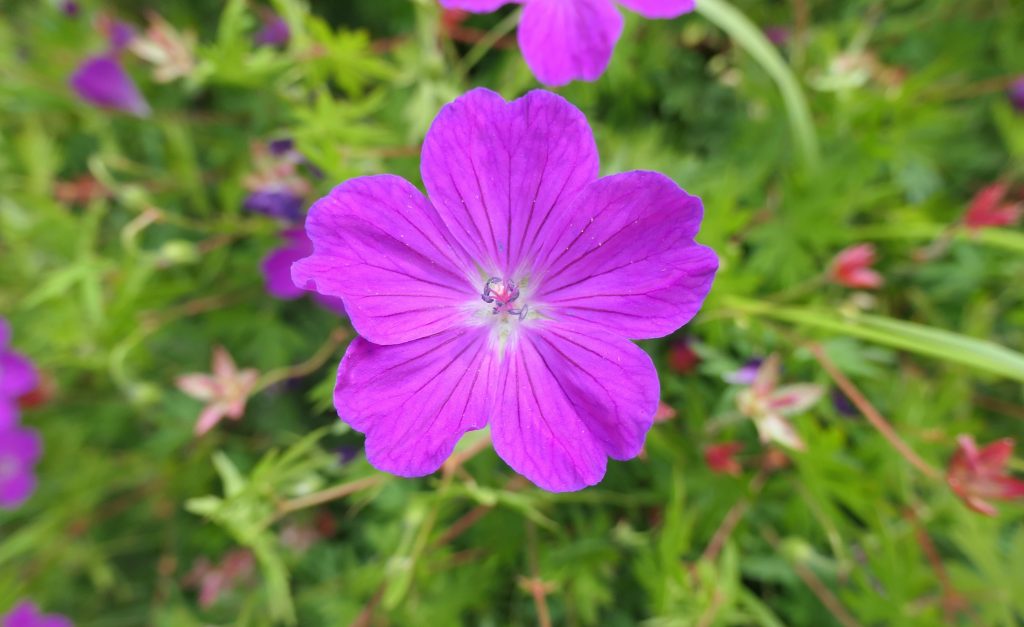
The Bloody Crane’s-bill flowers from May and throughout June, with repeat flowering into the rest of the summer and early autumn. It is used by hoverflies, bees and butterflies, and is easy to grow, though it favours lime-rich, free-draining soils.
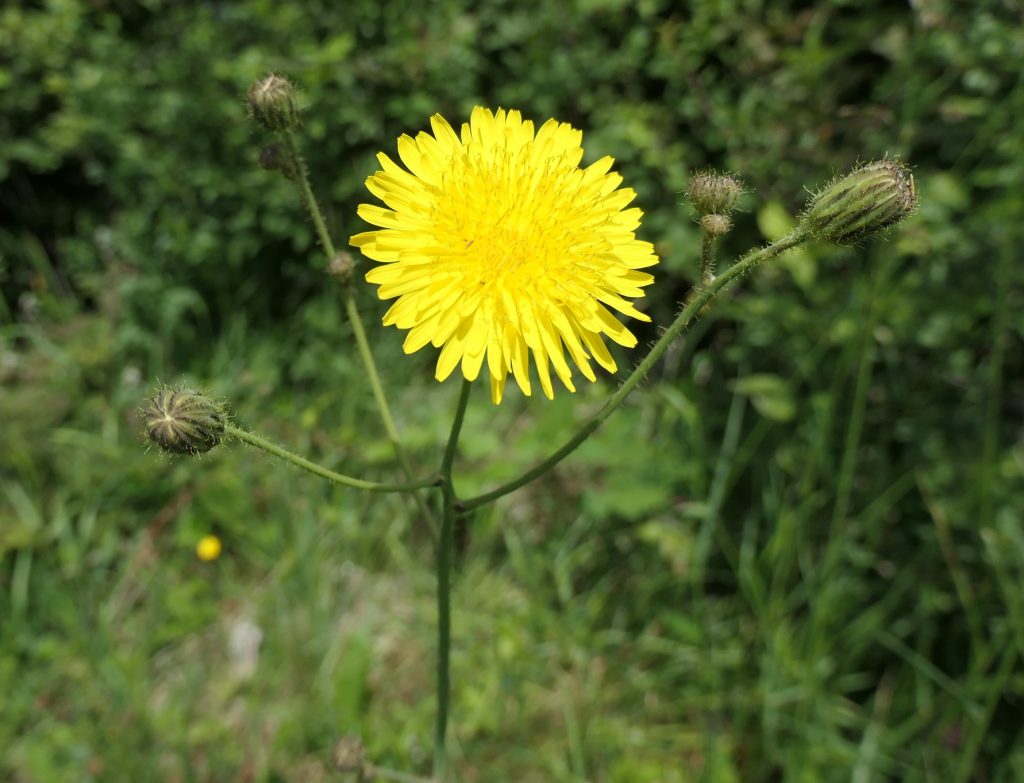
The Smooth Hawk’s-beard is common and often abundant on dry grasslands. It reaches up to 1m and has hairless stems and glossy, pinnate leaves. It is among the top 20 flowers in Ireland for supporting high pollinator diversity (see (e) below). It also ranks highly for (a), average abundance of visitors, (b), average species richness of visitors, (c), betweenness centrality (how connected it is in the plant-pollinator network) (d), duration of bloom, (e) and functional complementarity (supporting different insects).
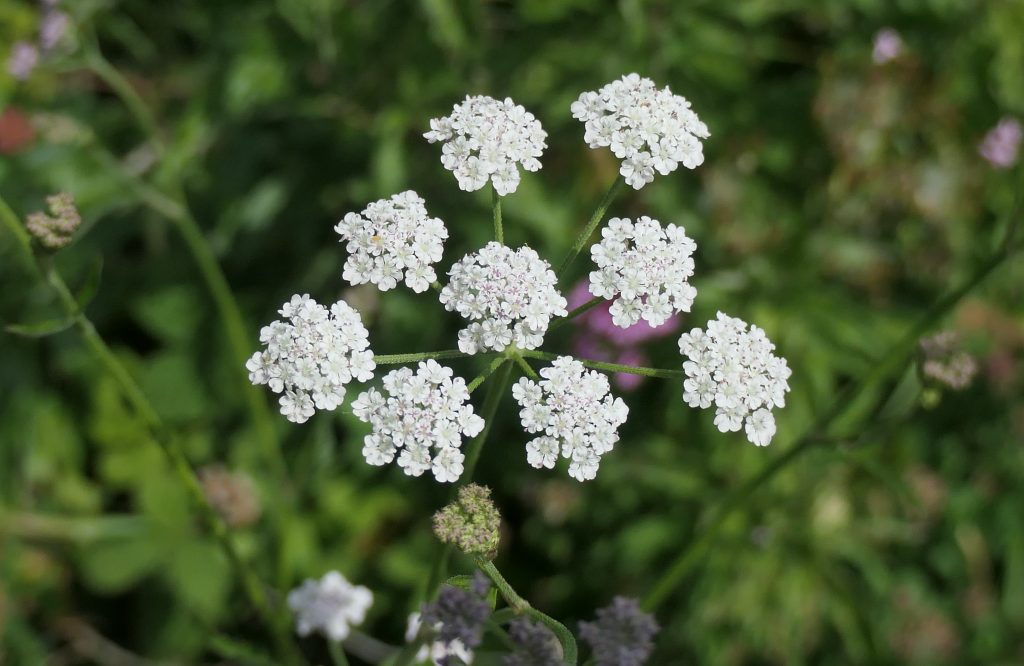
Upright Hedge Parsley looks a little like Cow Parsley but comes into flower later and is a more delicate flower, and often has a pinkish tinge. It occurs beside hedges, often in dry places. It does not appear to be the foodplant for any of our butterflies or macro-moths, but it is a nectar source and is rather elegant. It has been recorded as a larval foodplant for the Southern Swallowtail butterfly, a southern European species.
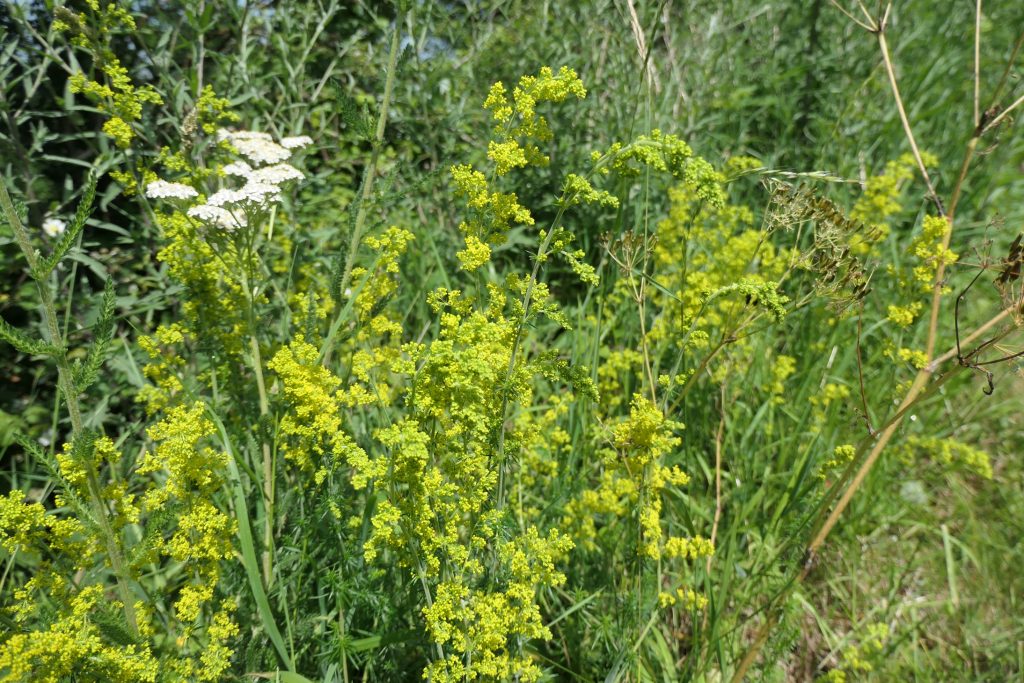
This fragrant flower is used as a larval foodplant by some beautiful moths, such as Small Elephant Hawkmoth and Hummingbird Hawkmoth and several carpet moths. It likes dry grassland and has a beautifully evocative honey scent. The plant has several medicinal uses and was even used as an alternative to renin to coagulate milk in cheese production. It deserves a place in any wilding project, for its colour, fragrance and overall value for the grassland ecosystem.
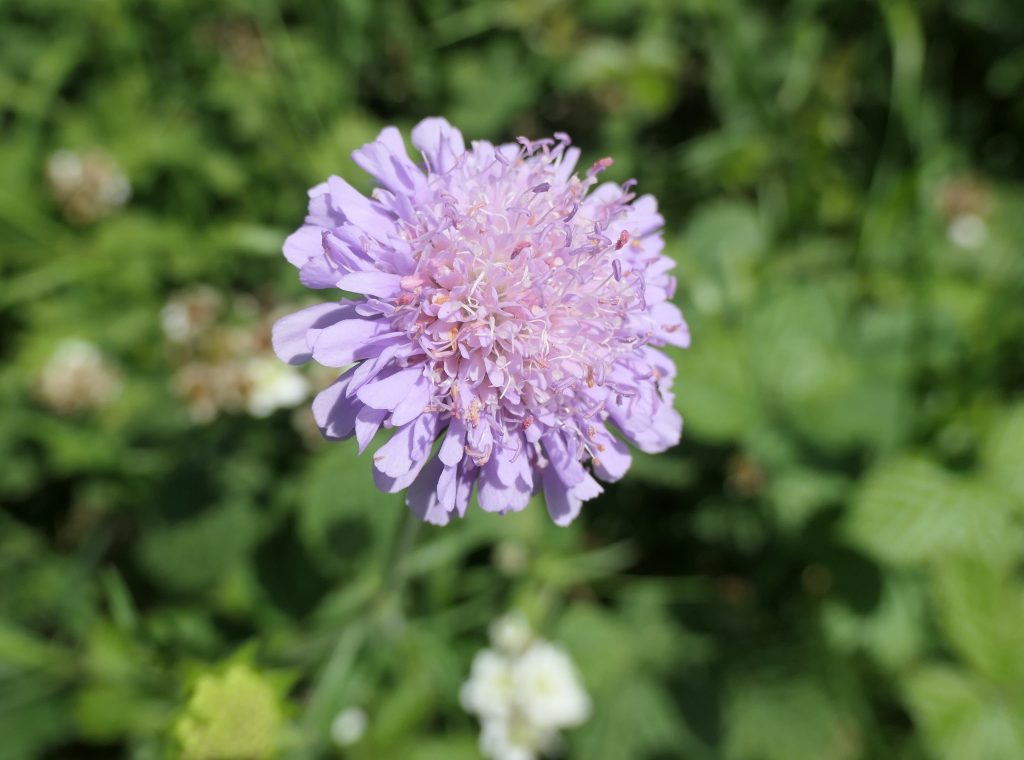
This tall, multiflowering biennial or perennial flower is a considerable draw for nectar-feeding invertebrates. Painted Lady butterflies are especially keen on its flowers. This also needs dry situations and can grow in very shallow soil. In warmer countries, it seems to attract much more attention from butterflies than it does in Ireland, with Six-spot Burnet moths drawn to it, sometimes in their hundreds!
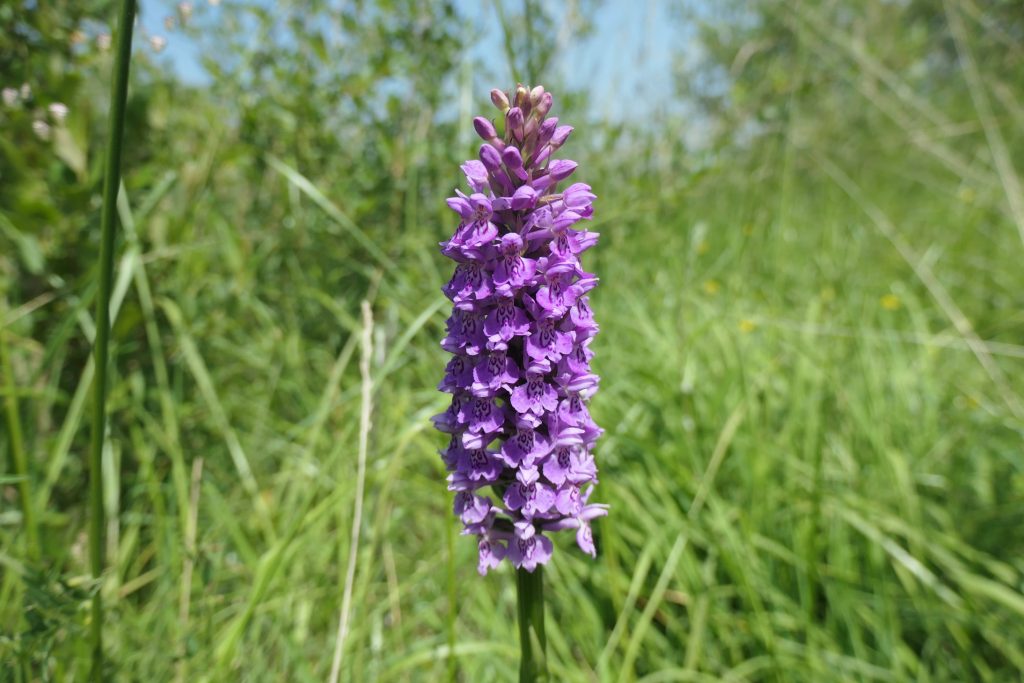
This common flower can be white, pink, purplish, and it varies in height too. It is used for nectar by some butterflies, including the Silver-washed Fritillary and Marsh Fritillary. It occurs in dry grassland and will hybridise with Heath Spotted Orchid. It will appear in gardens that are not treated with fertilisers, and is a sign of undamaged soils. It is used as a foodplant by the Buff Ermine moth.
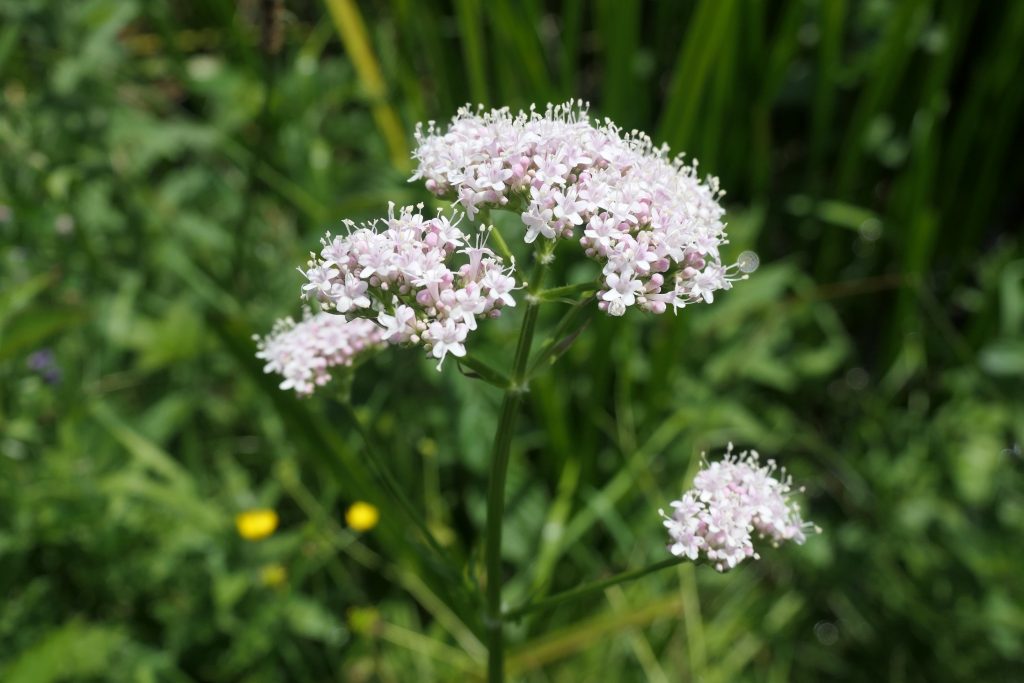
This tall plant is usually found in wet places, such as wet grassland, fens and river and canal banks. It is a rich source of nectar for many insects.
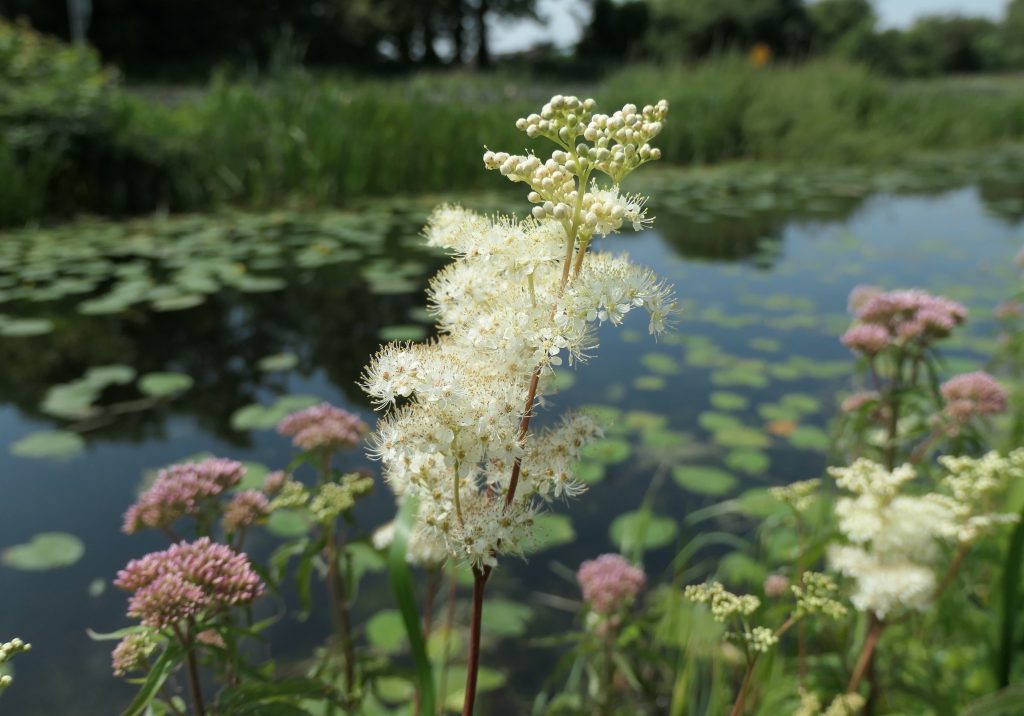
This fragrant wetland plant with its fragrant, frothy, creamy blooms epitomises summer. The flowers seem more important to bees, but butterflies will use them too. The leaves are eaten by Emperor Moth caterpillars, and by caterpillars of other macro-moths, such as Sweet Gale, Powdered Quaker and Hebrew Character.
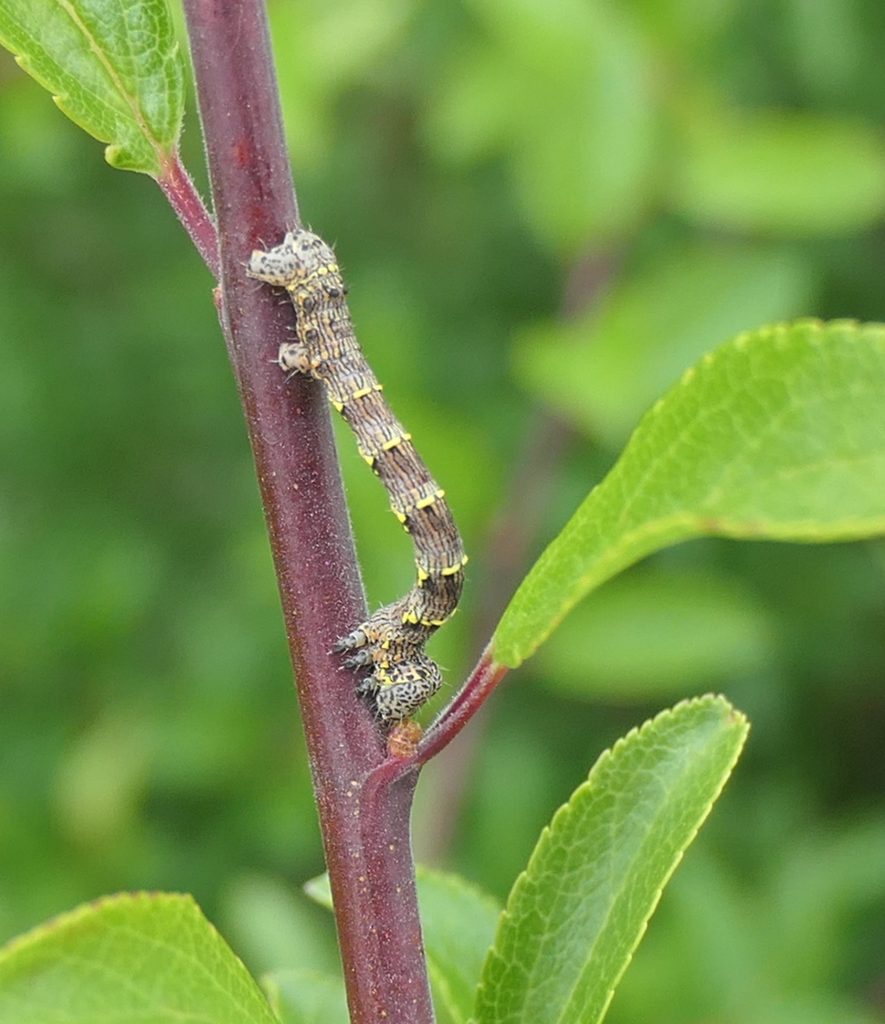
Many plants that have finished flowering for the year are very important for pollinators, especially for their immature stages. The flowers of Blackthorn are eagerly used by spring flying moths and butterflies, but their leaves are food for larvae, notably by the Brown Hairstreak butterfly. About 54 macro moths feed on the plant, including the Brindled Beauty.
The overall message is, go native! These are the plants that feed most of our insects. Many non-natives are poor for pollinators, and some are invasive and damage our environment. Go native!
Key Reference
Russo, L., Fitzpatrick, Ú., Larkin, M., Mullen, S., Power, E., Stanley, D., White, C., O’Rourke, A., &Stout, J. C. (2022). Conserving diversity in Irish plant–pollinator networks. Ecology and Evolution, 12, e9347. https://doi.org/10.1002/ece3.9347