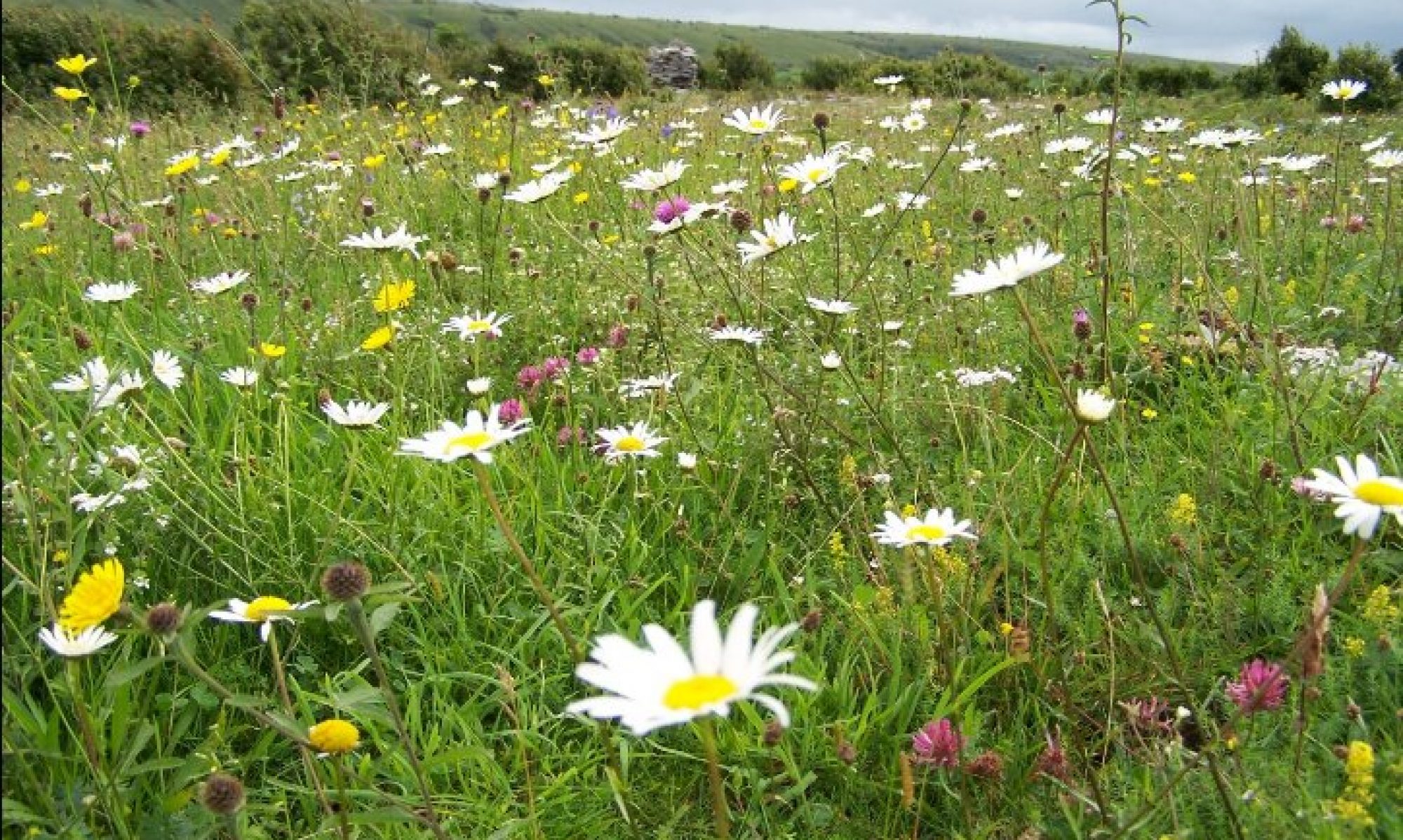
We are having a bizarre year for weather, and this erratic weather might become embedded, becoming the climate. We had extraordinary rainfall in January, February and March, and record heat in May, with the record for that month broken twice by more than 2 °C. The highest air temperature ever recorded in Ireland in May was 30.6 °C on 26 May, at Shannon Airport. A heat wave was also recorded in June, when maximum temperatures again exceeded 30 °C. Regarding winter rainfall, Dublin Airport’s February rainfall was 255% above the long-term average and the highest since rainfall records began 84 years ago. February and March temperatures were above average, but January was both wetter and colder than usual.
This meteorological background raises questions about how butterflies respond. Extreme heat in summer is beneficial for the adult and pupal stages and extreme precipitation has been found to damage the pupae (especially) and larvae of single-brooded butterflies (most Irish butterflies (21 out of 35) are single-brooded, i.e., they produce one generation each year).
The single-brooded butterflies are especially sensitive to extremes of heat and cold; the adult is sensitive to extreme cold in summer and extreme heat in winter, while the overwintering stage of single-brooded butterflies is sensitive to extreme heat in winter. It must be noted that single-brooded butterflies overwinter in all four life stages. (The overwintering stage depends on the species, but the larval stage is the most common overwintering stage.) In addition, extreme precipitation during the pupal stage drives negative population change in a number of single-brooded butterflies.
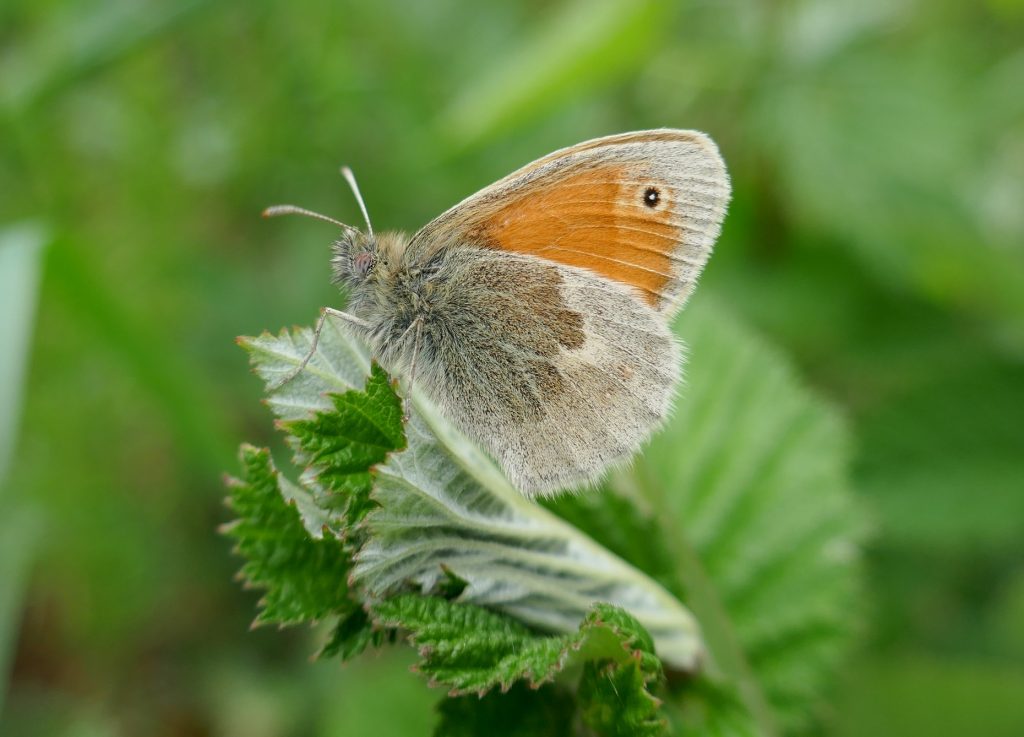
What about our multi-brooded species?
Extreme heat during overwintering and extreme precipitation during first- and second-generation adult life stages are the most frequently occurring extreme variables causing population declines in multivoltine species (67%, 58% and 50% of all multivoltine species affected, respectively). As in single-brooded species, adult and overwintering life stages have opposite population responses to temperature extremes. Extreme heat during the adult life stage (outside winter) is associated with positive population change in 42% of species.
Drought plays a much more important role in multi-brooded species than in single-brooded species. Drought negatively affects 50% of species during their second larval life stage, but has a positive impact on 25% of species during their first ovum life stage.
The study, carried out in the UK, found that multi-brooded butterflies are more sensitive to extreme climate events than single-brooded species, with all life stages, ovum, larvae, pupae, adult and overwintering represented in the nine most important variables in the combined model.
Extreme precipitation during the overwintering stage does not significantly negatively impact multi-brooded species or single-brooded species. This is very good news, because last winter was extremely wet and not extremely warm.
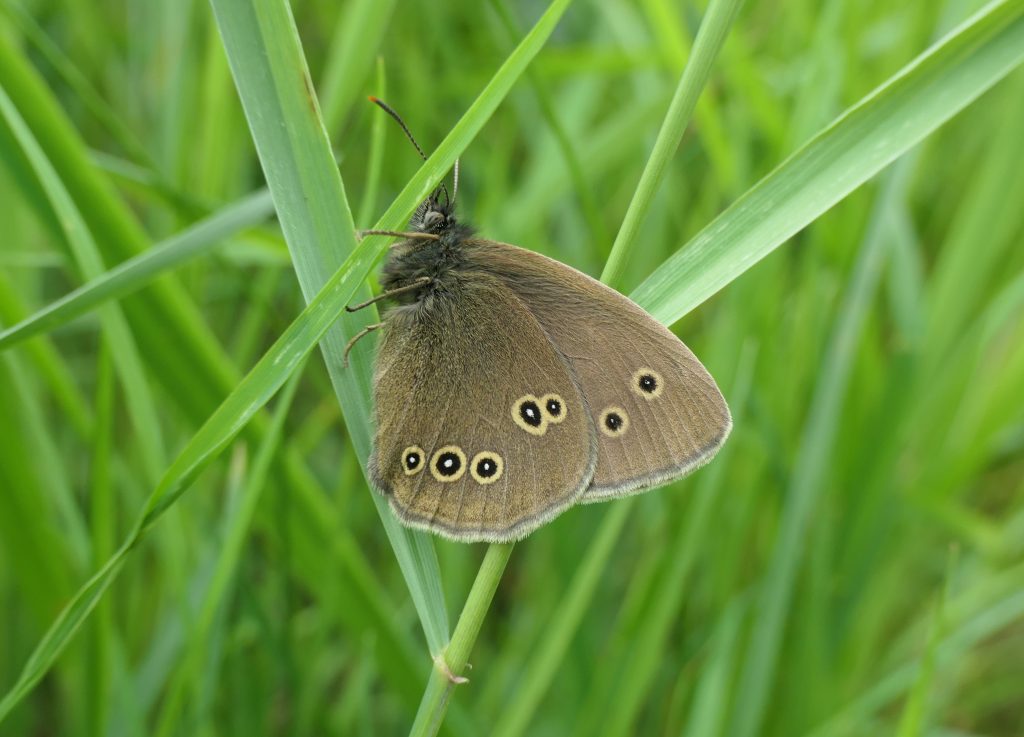
A striking feature of this summer’s butterfly story is the Ringlet population, which, where I look, is the largest I have seen for about 10 years. It had declined in my area of County Meath, with low numbers in what appear to be excellent habitats. Last year, I counted a mere 17 Ringlets on my South Meath transect. On June 25th, I counted 22 Ringlets there during a single visit. It is proving abundant in NE and NW Kildare. The Meadow Brown, another single-brooded butterfly, is numerous too. Orange-tip, a spring flyer now finished its flight period, was numerous this spring. Weather/climate is not the only influence on populations, but it is a key framework for species presence and population size.
Despite their sombre appearance, our Ringlet and Meadow Brown populations must not be overlooked, and counting them provides data on how our grasslands are performing and how weather and climate influence the habitats and populations.
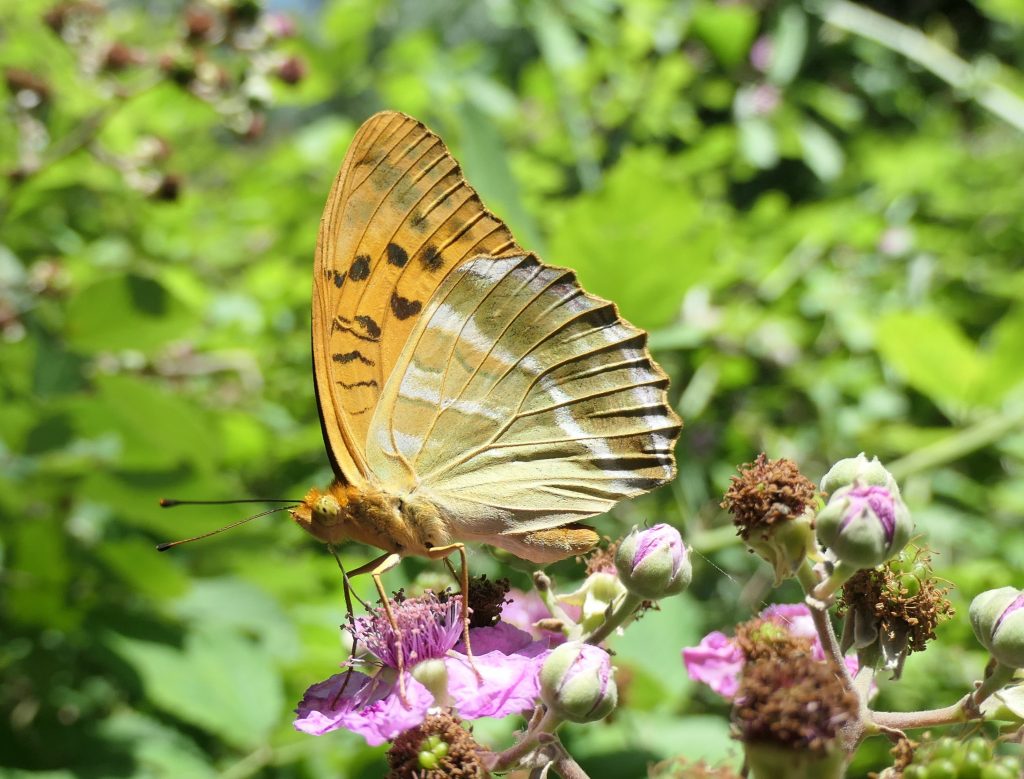
We can also look forward to seeing our largest and most glamorous species in July. The first Silver-washed Fritillary of 2026 is due any day, and the first Dark Green Fritillary reported to our recording scheme this year appeared in Portrane, Dublin, on the 25th of June. We await our first Brimstone and Peacock, but the first brood of Commas has already made their appearance; these have so far been the golden form, which breeds immediately after emergence. Later in July, some dark-form Comma butterflies will appear. This form delays breeding until next spring.
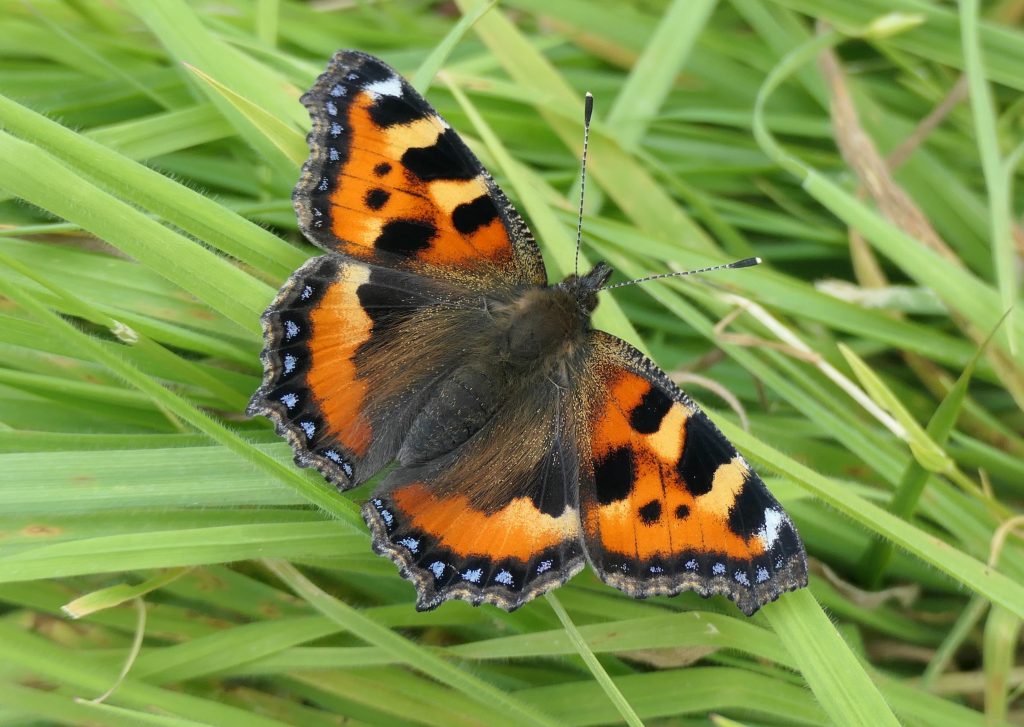
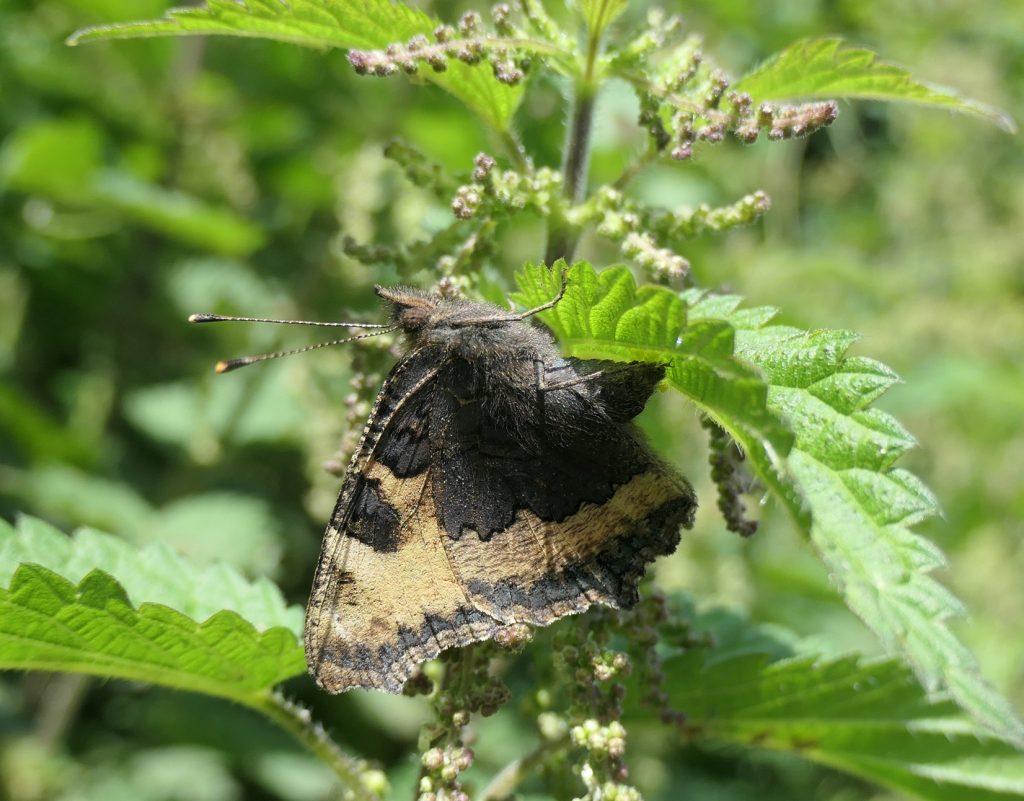
The Small Tortoiseshell’s first brood is now flying. These are the children of those who passed the winter as adults and bred in spring. The new generation is behaving like the golden Comma, and is mating and laying eggs. These will produce a second generation that appears in August and September. However, a few Small Tortoiseshells will not breed and will enter an overwintering state, with dark form Commas. This flexibility allows Irish Commas and Small Tortoiseshells to capitalise on good conditions in warm, sunny summers with good rainfall while setting aside some individuals to delay breeding to safeguard against the onset of unsuitable conditions later in summer.
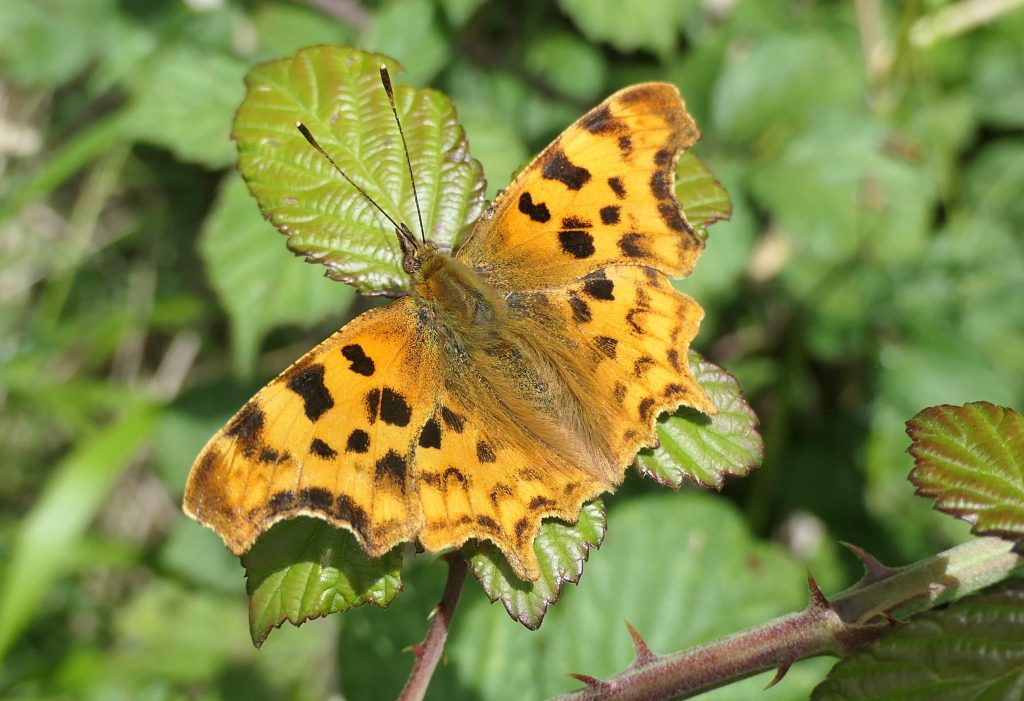
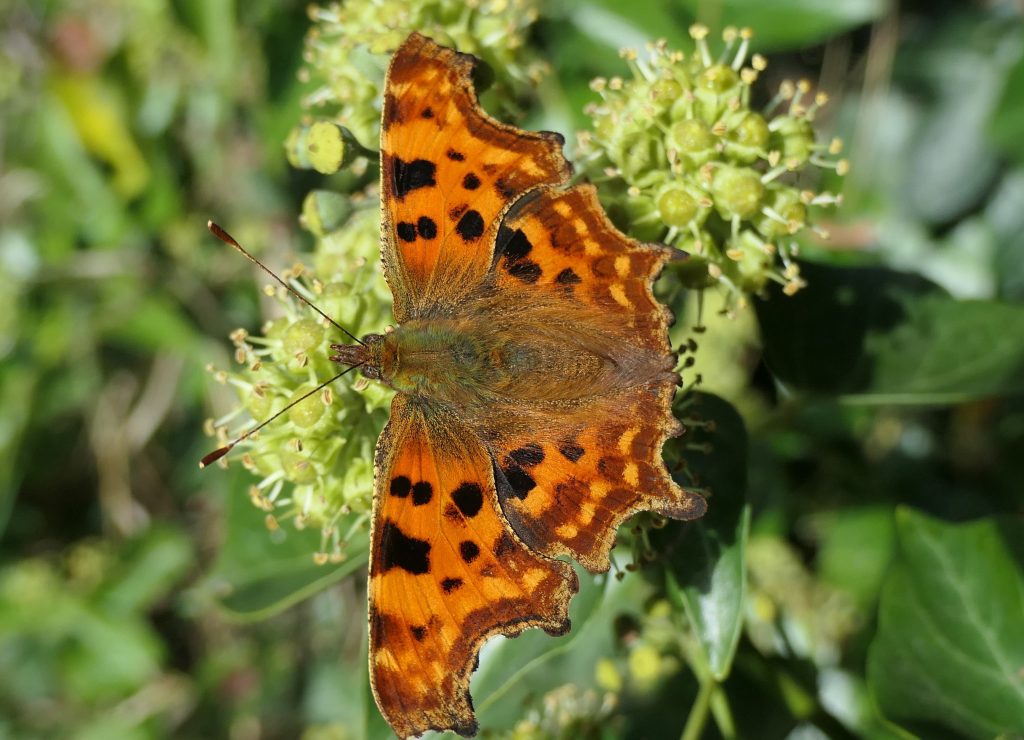
The highly unpredictable weather in Ireland can drive people to distraction. Last winter was dreadful for one’s mood, with miserably wet, dark weather for several weeks. However, our butterflies survived, and some are doing quite well this summer. Their colour gives us something to look forward to and enjoy, while their current abundance highlights their resilience in the face of meteorological adversity. There’s some comfort in that for us!
But we must be on our guard. Extreme heat during winter is bad news for butterflies. Our climate is predicted to have hotter summers, which is good for butterflies, but warmer winters, which are detrimental. Will the benefits of warmer summers be outweighed by the negative winter effects?
Keep counting our butterflies…
Key Reference
McDermott Long, O. 2017, An investigation into the vulnerability of UK butterflies to extreme climatic events associated with increasing climate change, University of East Anglia.
All Photos copyright J. Harding.