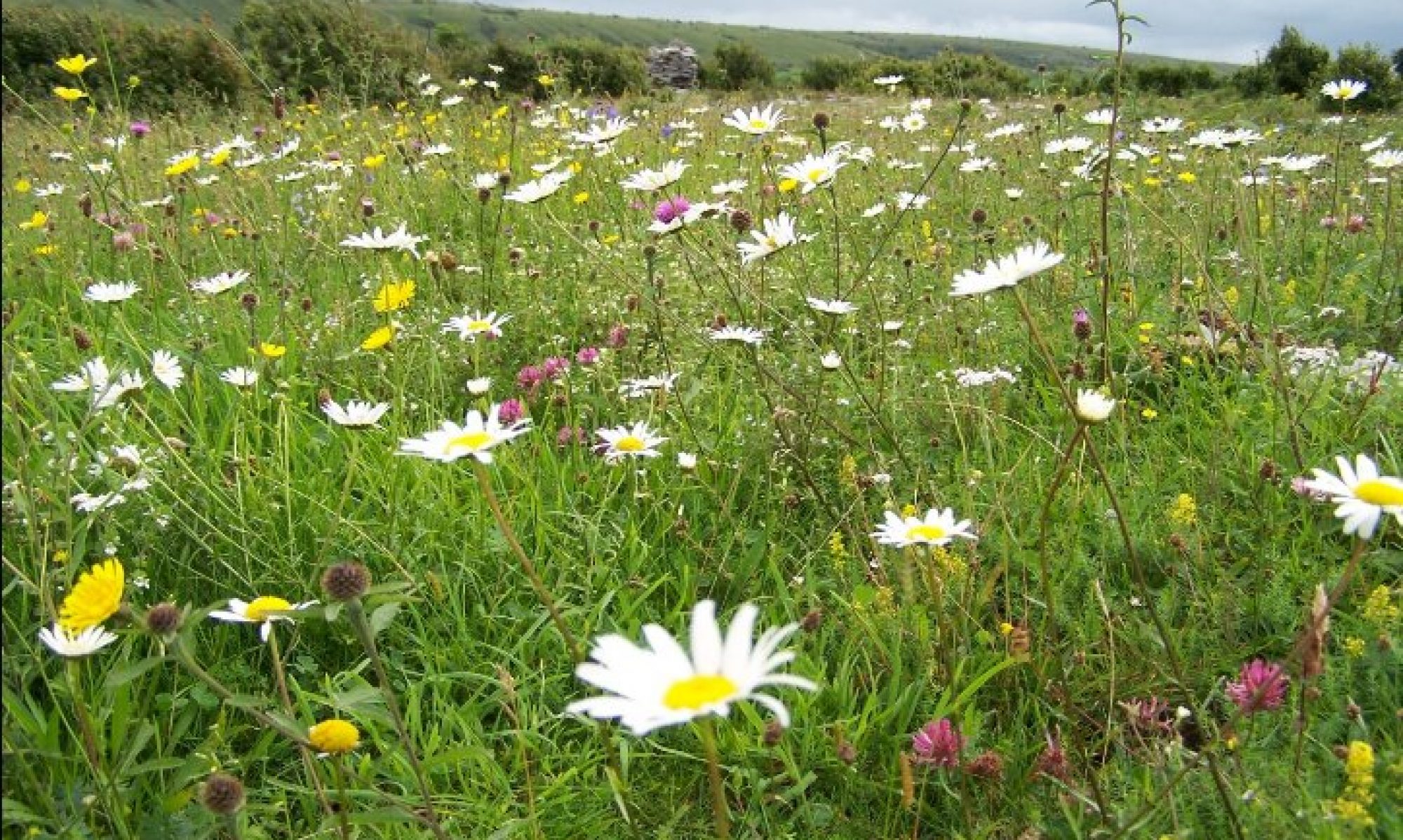
Irish weather is the proverbial box of chocolates, but we got the choicest confectionery for our well-attended event today. Not too hot, dry, sunny, gentle breeze…perfection.
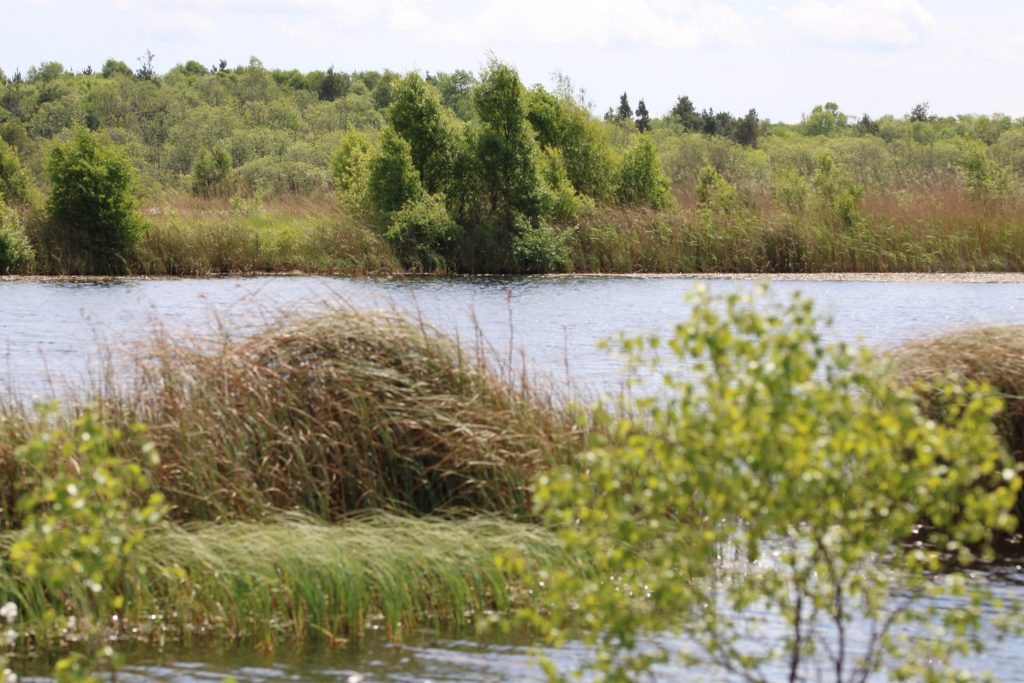
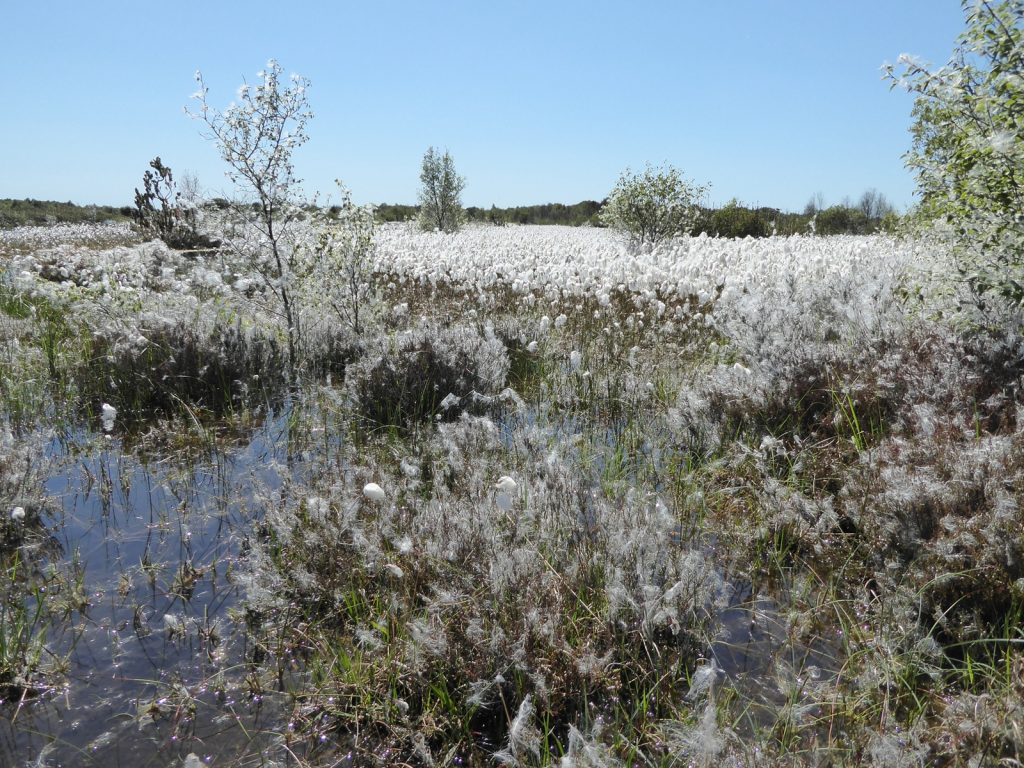
The next question is, what will we see? Will the poor weather in previous weeks limit the variety on offer?
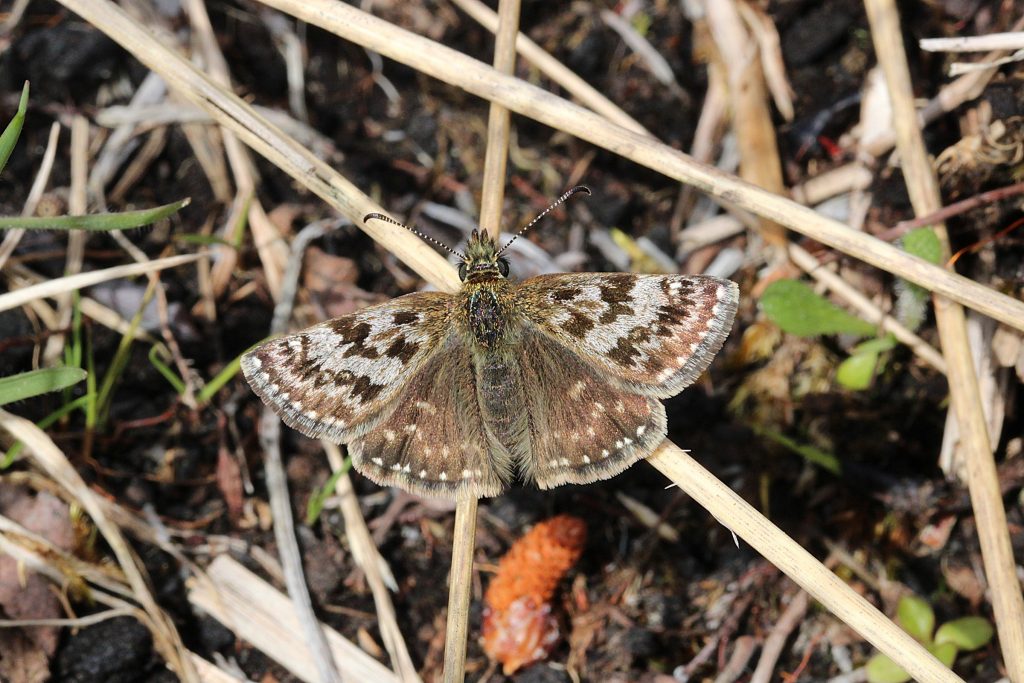
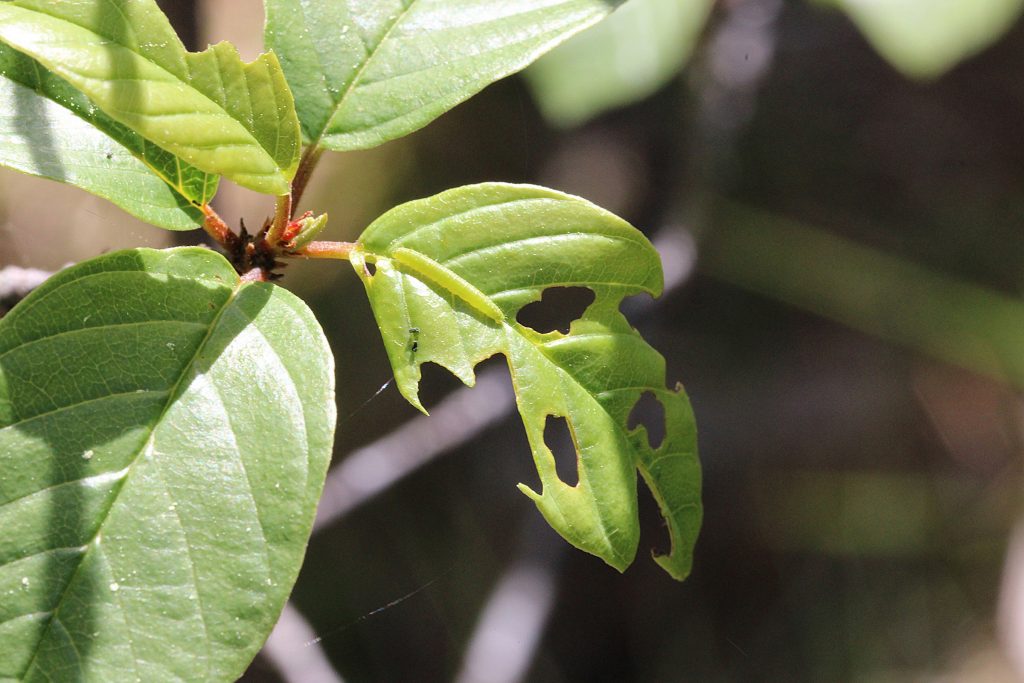
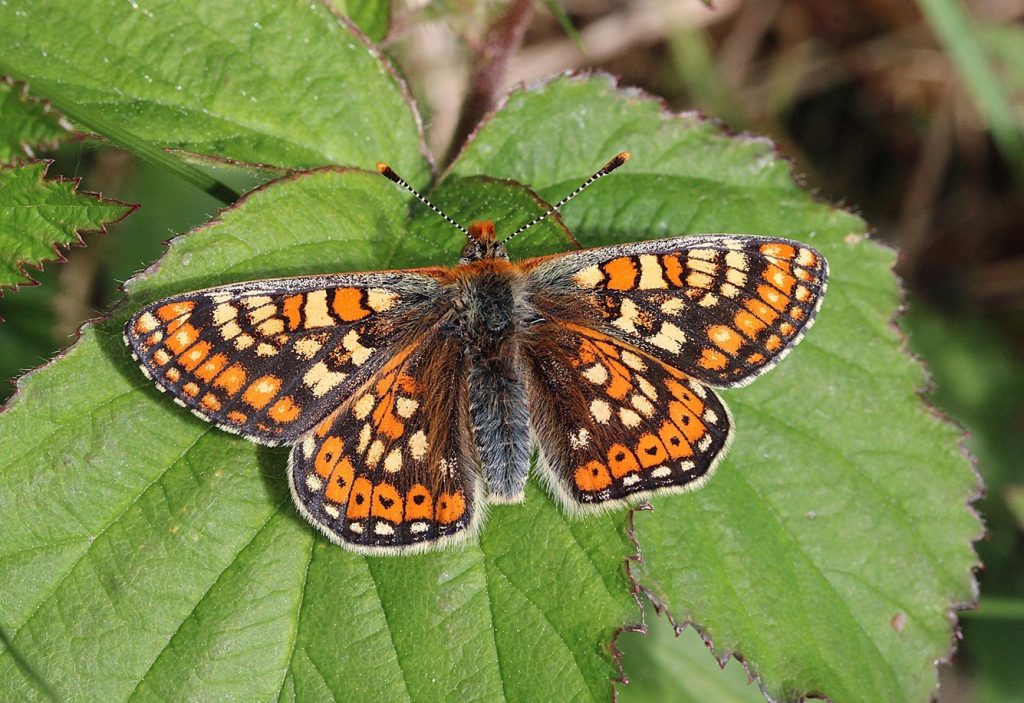
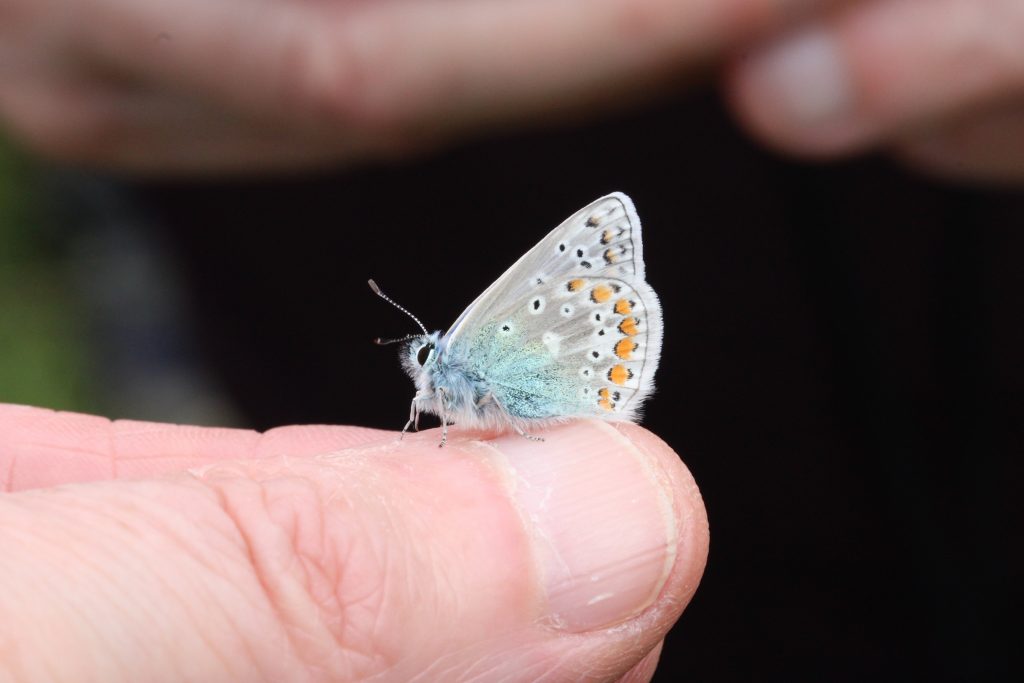
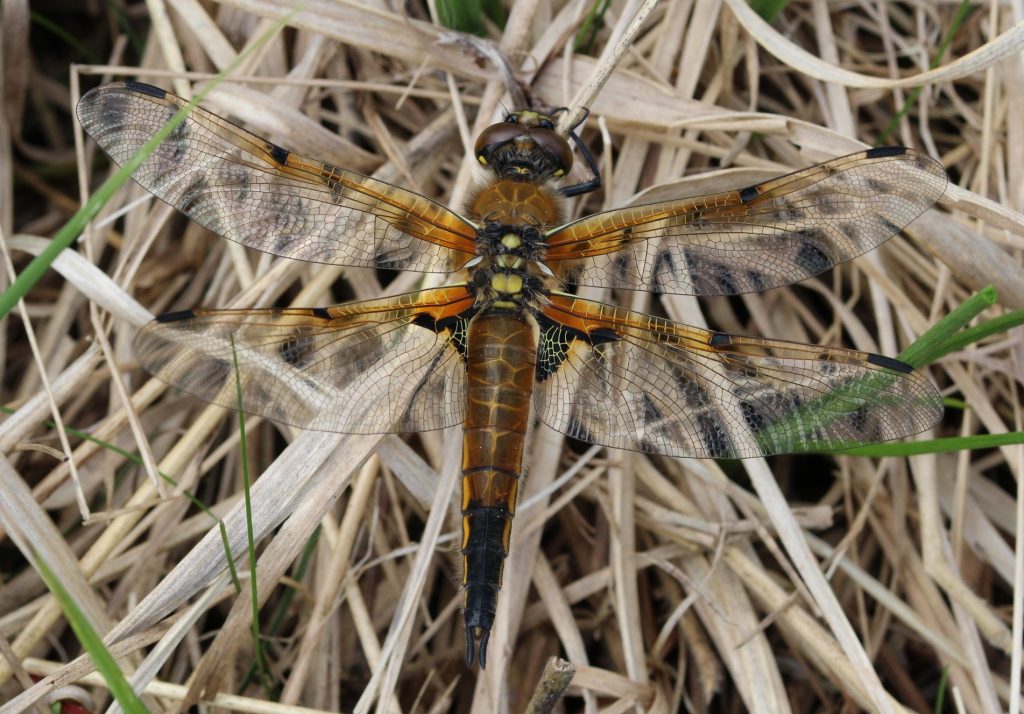
It limited the number of butterflies we could expect in good weather in late May, but not the diversity. Dingy Skipper, Cryptic Wood White, Green-veined White, Orange-tip (adults and caterpillars), and a large Brimstone population, including females giving a close view of laying on Alder Buckthorn, Common Blue, Holly Blue, Red Admiral, Painted Lady and around 30 Marsh Fritillaries, very active, chasing one another, chasing Four-spotted Chaser dragonflies (reckless, misguided and potentially fatal behaviour!).
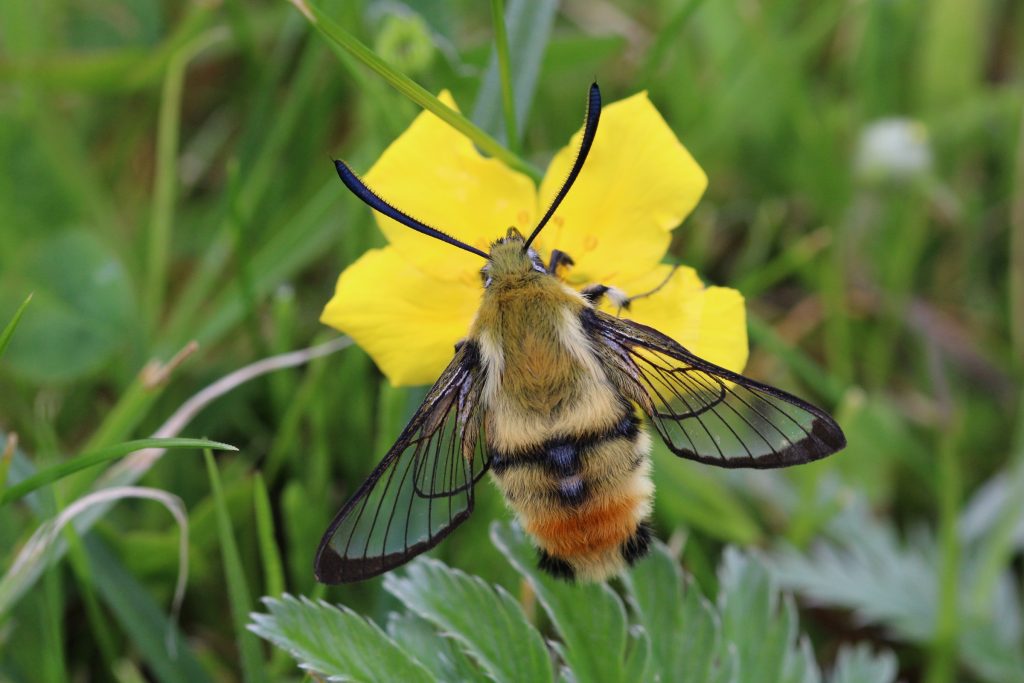
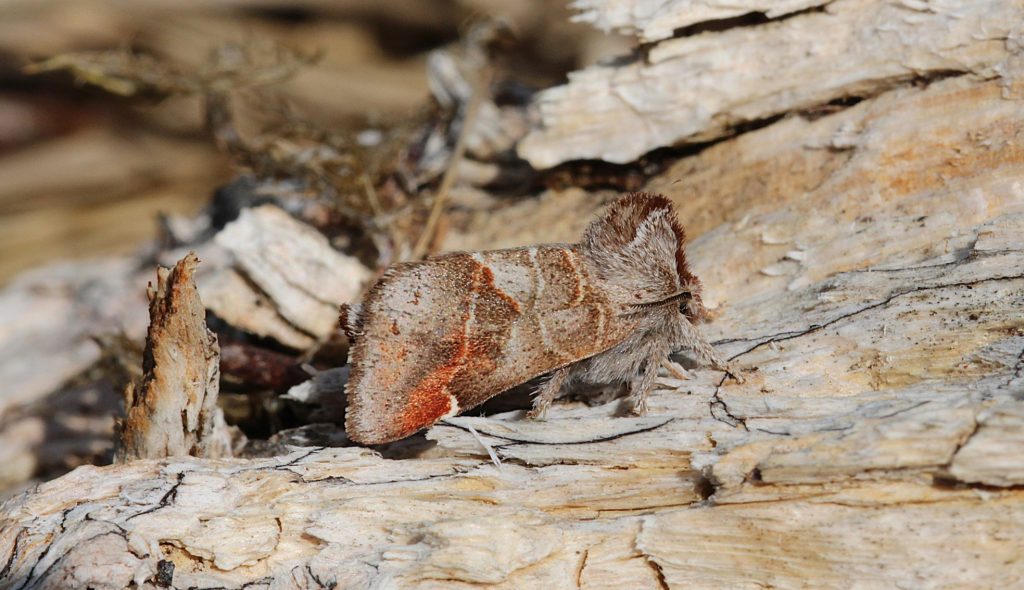
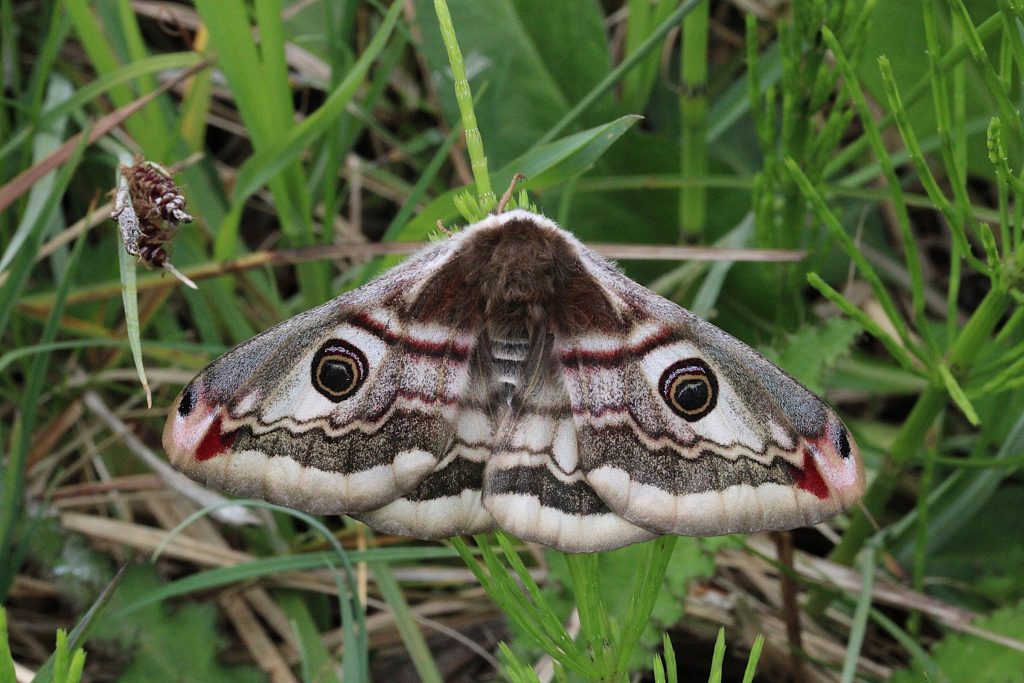
Moths abounded, with Burnet Companion, Common Heath, Mother Shipton, Narrow-bordered Bee Hawkmoth, Pyrausta despicata and a nice rarity, Small Chocolate-tip.
Dragonflies were everywhere, especially Four-spotted Chaser, Hairy Dragonfly, Large Red Damselfly, Variable Damselfly and Blue-tailed Damselfly.
The habitats were in good condition after our grazing, scrub-cutting, and calibrated soil disturbance, creating a diversity of sward heights and ground conditions. All we need for the reserve’s butterflies and moths to take advantage of these conditions is the right weather.
It was reassuring to see several frogs of a range of ages, so our wetlands are likely to be in a good state.
It is wonderful to see so much nature in beautiful, unspoilt, quiet habitats. All wild things need a good home, and they have it in Lullybeg…for the moment.
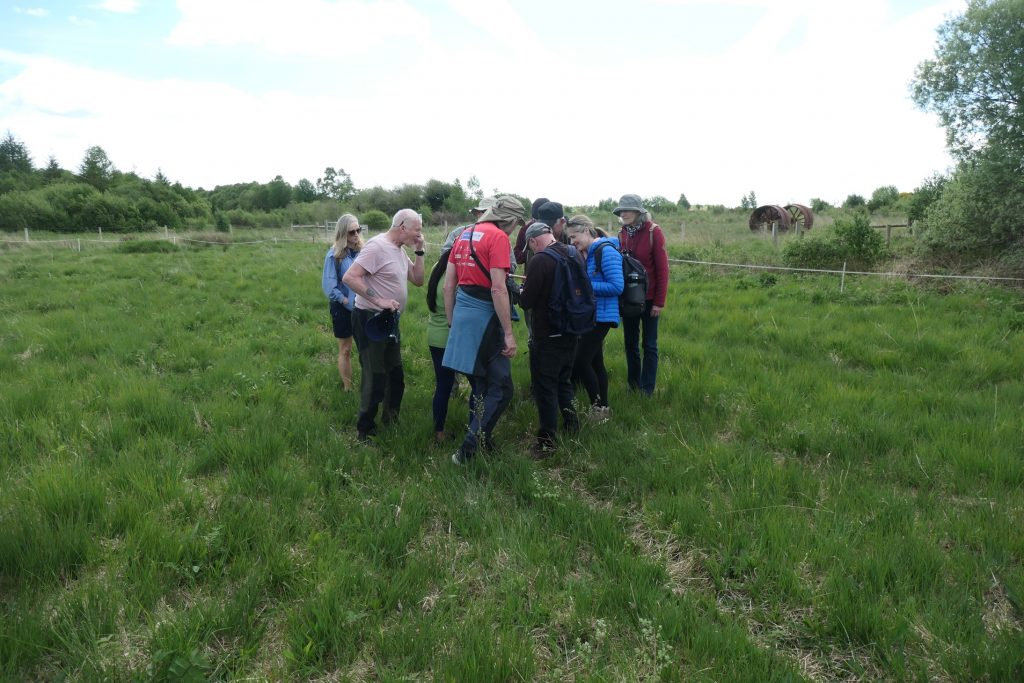
The other really satisfying part of the day was enjoying this beauty with lovely people who appreciated the experience of our special nature and special places. Everyone took great interest in the activities taking place, and hopefully took lovely photographs. A couple of butterflies sat on human arms and hands, a lovely intimacy with the airborne gems of our boggy places.
One Four-spotted Chaser dragonfly, netted to give everyone a nice view, sat on an arm when released, re-orientating itself after its brief captivity. Its beauty was amplified when the gothic tracery of its wings was cast as a shadow on bright skin. Close observation and gentleness reward us with beautiful memories.
Nature and our enjoyment and experience of it confer so many advantages: spiritual, aesthetic, physical, and a sense of community. Long live Lullybeg.
We had a leisurely walk, for only by close observation will nature be appreciated.
Thanks are due to everyone who joined our event today. Enjoyment is more profound when shared.
Reference
Allen, D., O’Donnell, M., Nelson, B., Tyner, A., Bond, K.G.M., Bryant, T., Crory, A., Mellon, C., O’Boyle, J., O’Donnell, E., Rolston, T., Sheppard, R., Strickland, P., Fitzpatrick, U., & Regan, E. (2016) Ireland Red List No. 9: Macro-moths (Lepidoptera). National Parks and Wildlife Service, Department of Arts, Heritage and the Gaeltacht, Dublin, Ireland.