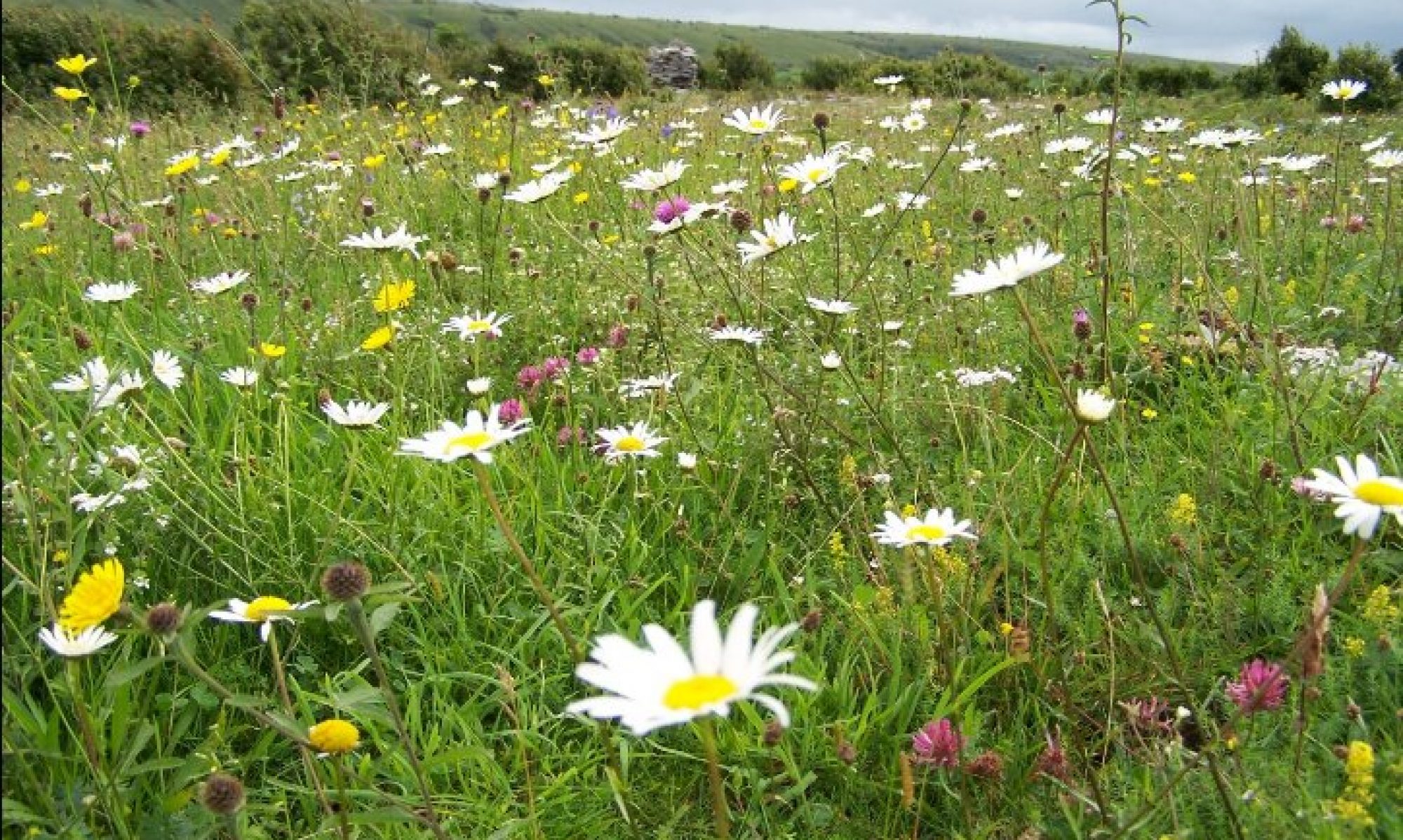
What do warm nights, a great location, friendly people and the right time of year make? A great moth morning. And what a great cache of moth treasure we accumulated in four Robinson traps in Dara and Maire’s garden in Prosperous, Kildare. The garden holds ponds, mostly native trees, scrub, hedges, grassland with native wildflowers and some well-chosen garden flowers such as Fennel. The garden adjoins bogland and Scots pine woodland with resident Barn Owls.
Sounds perfect? That’s what it is!
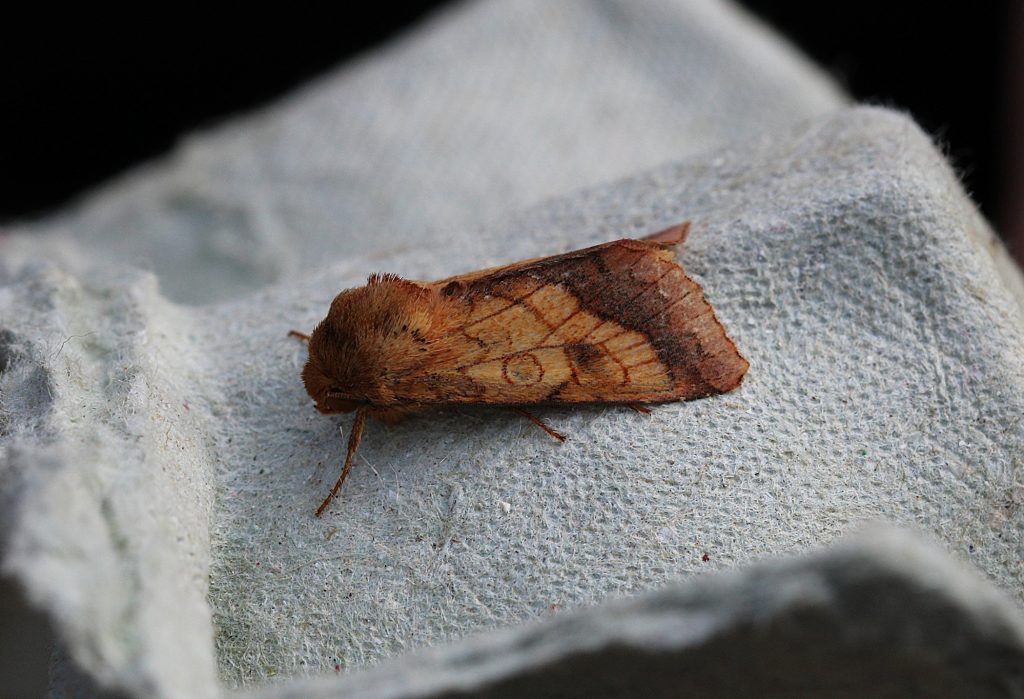
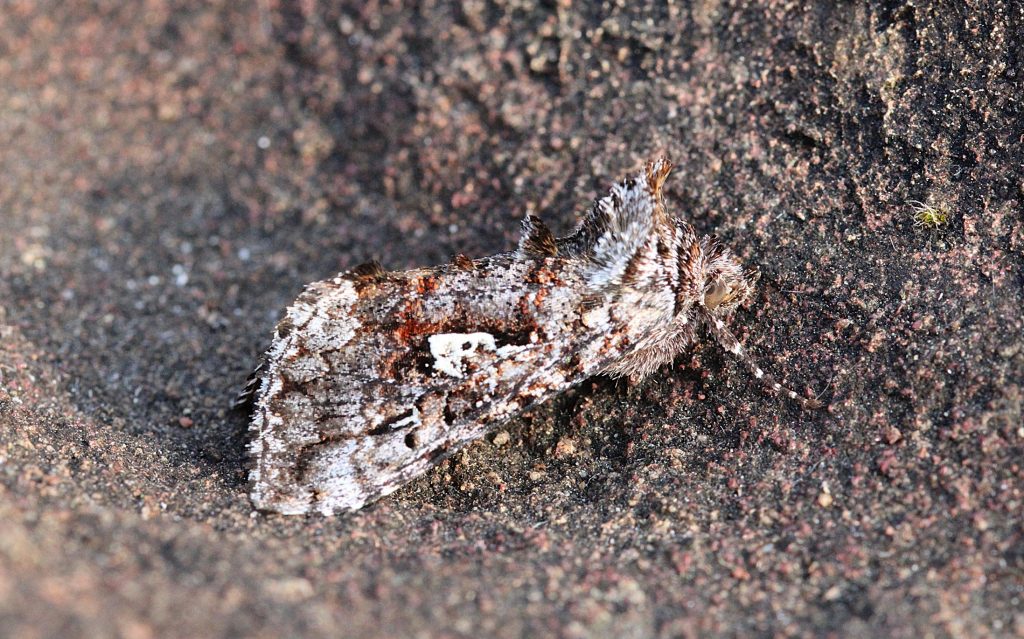
The moths clearly find it so, all 100-plus species registered so far. Despite a cooler night than recently (it fell to about 11 degrees), there was much to see. The traps were full, and Philip Strickland’s moth-identification skills proved very useful as some unusual species appeared. Key among these is the Suspected, a species declared extinct by the state in the 2016 Macro-moth Red List. The moth is thriving in this lovely area, if the dozen or so in the various traps offer evidence. Since 2010, there have been records for just 11 10km squares, 1% of Ireland’s 10km squares.
Other local species found were Bordered Sallow, Scarce Silver Y and Barred Rivulet. We found Broad-bordered Yellow Underwing, relatively well distributed in the east, but very scarce west of a line from Sligo Town to Wexford Town.
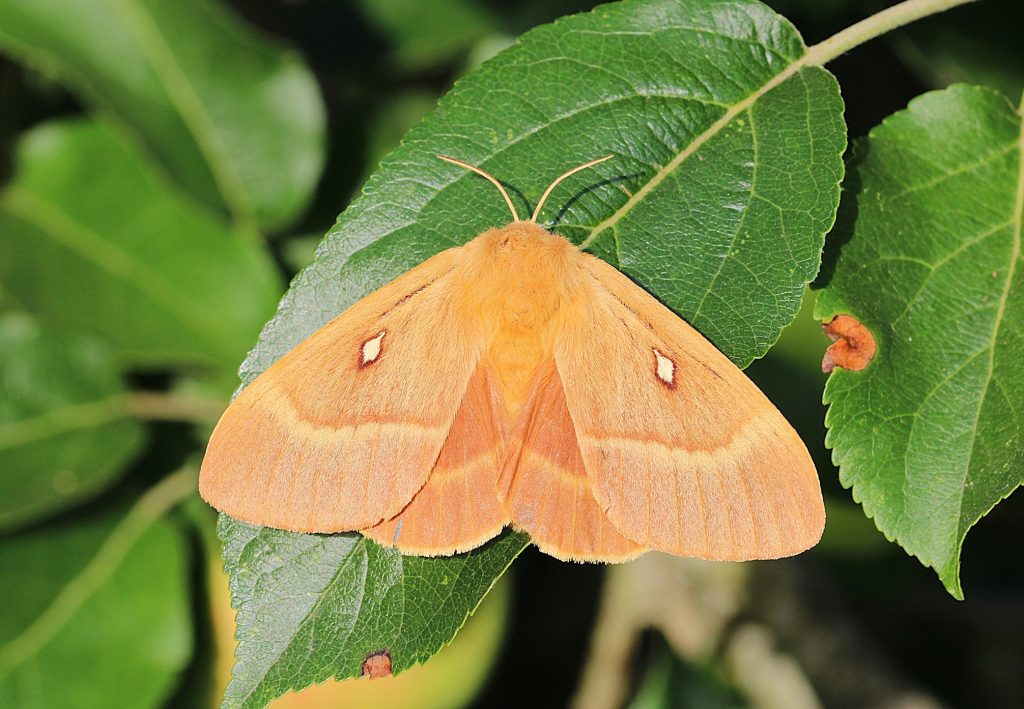
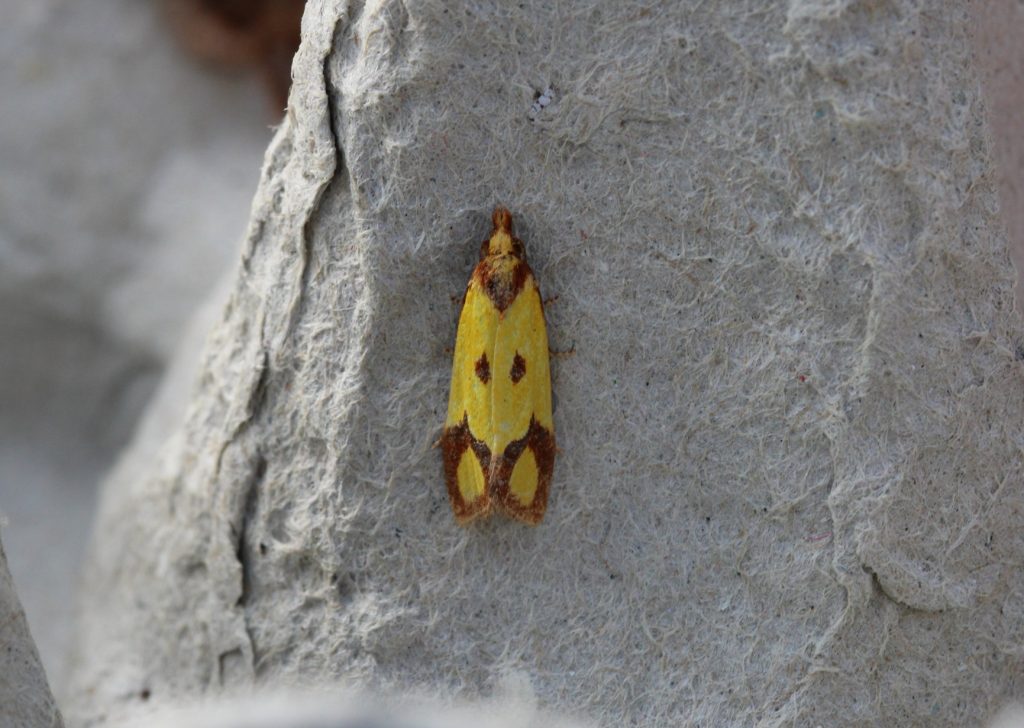
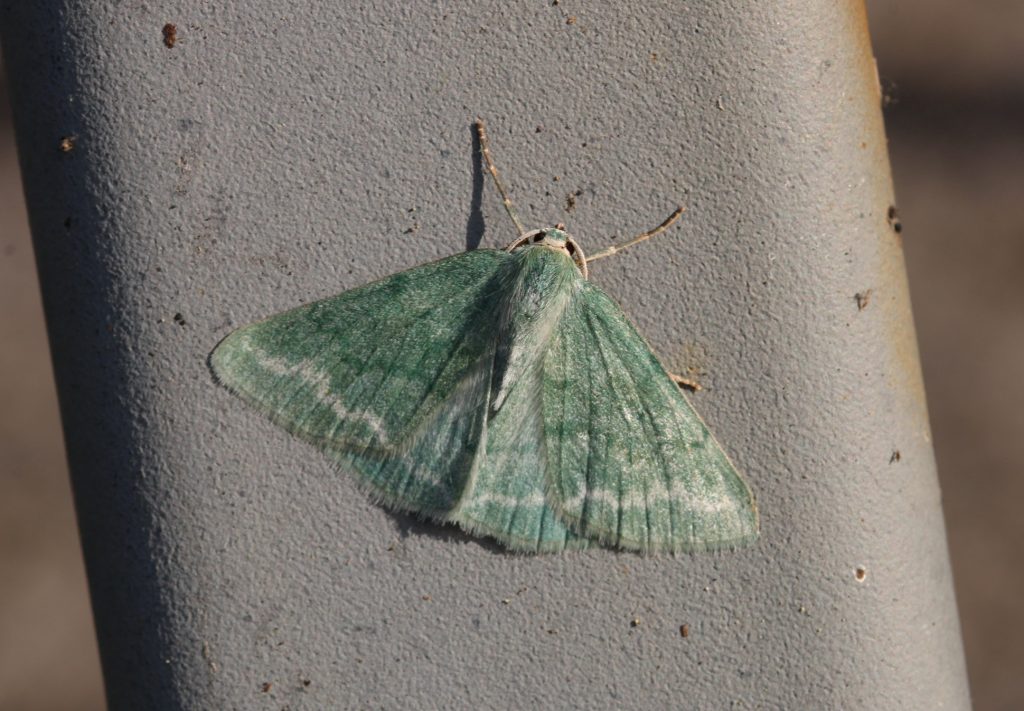
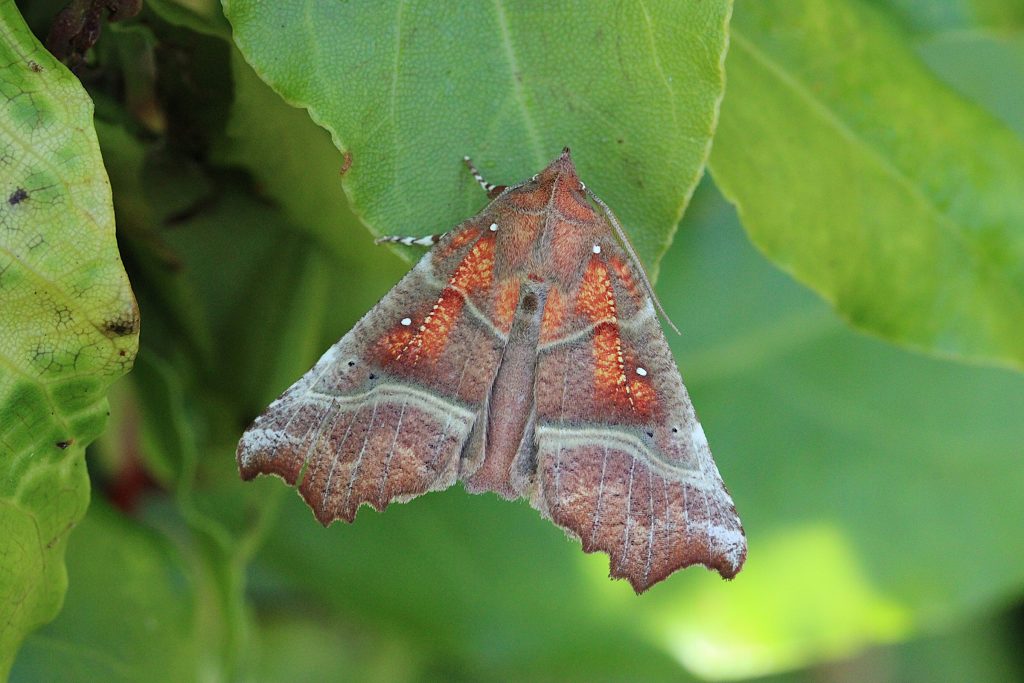
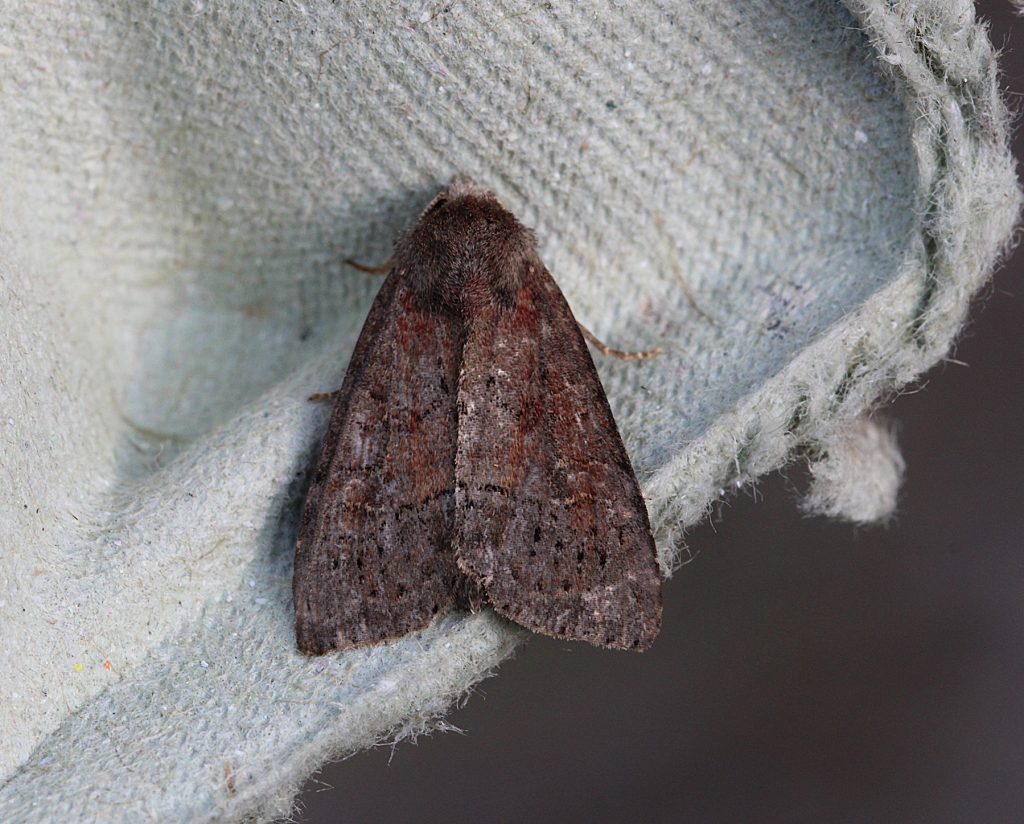
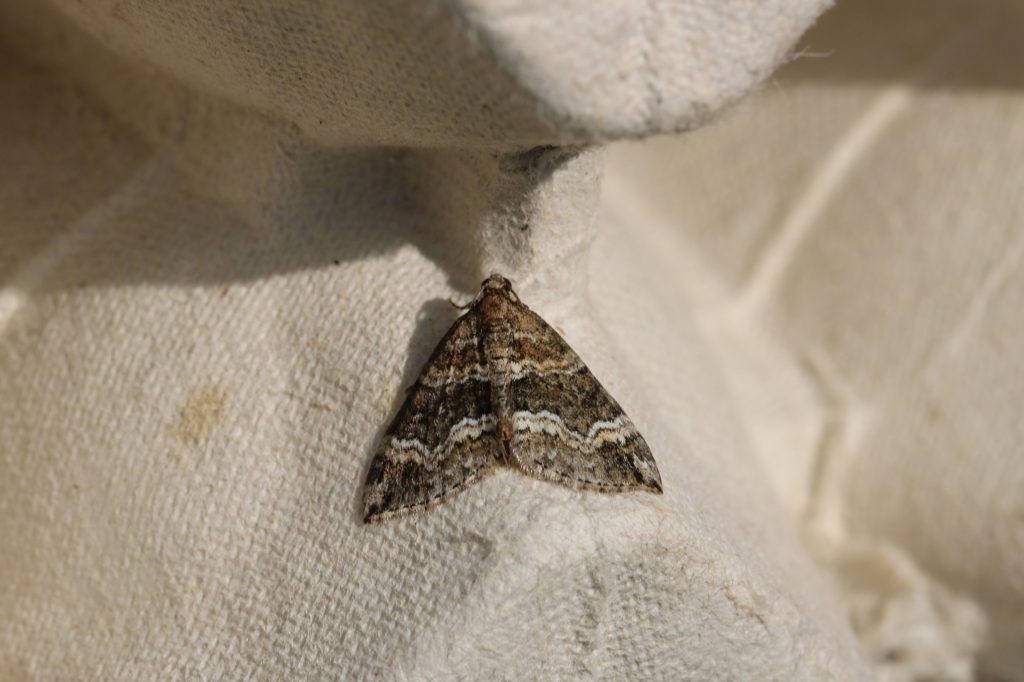
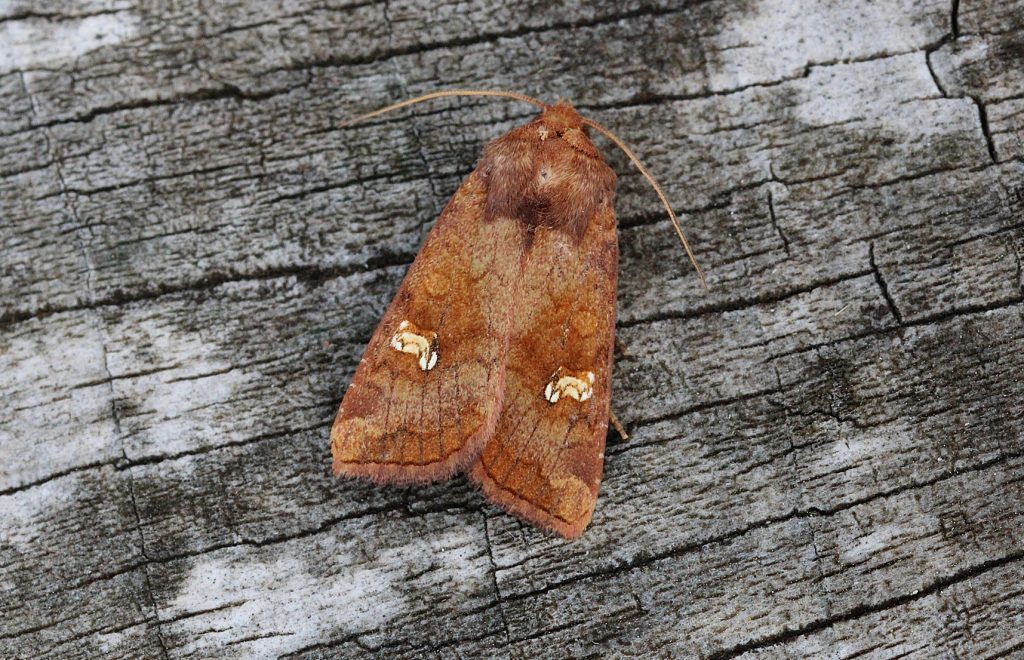
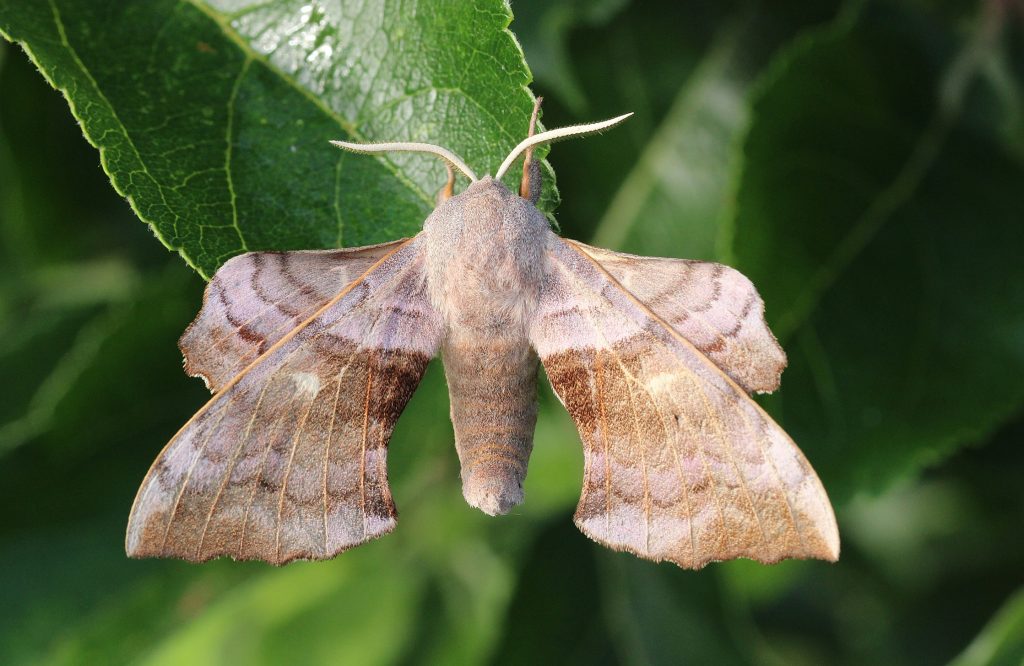
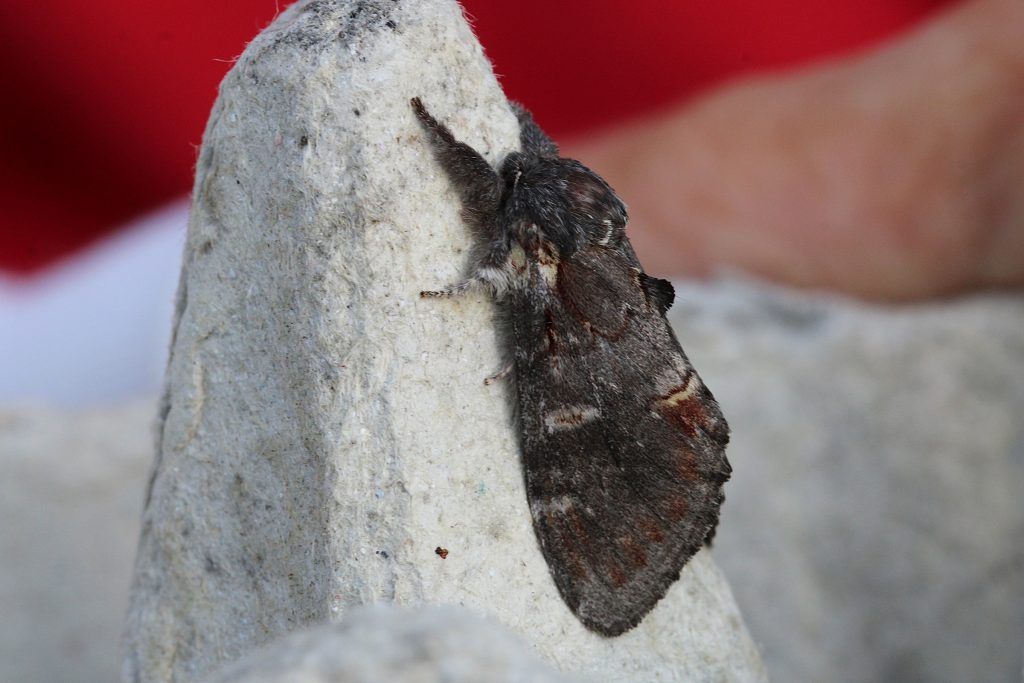
There is one disturbing note. We again failed to find the Garden Tiger moth, recently common. Has it disappeared from Kildare? If so, it must be lost from many areas. It breeds on common plants, such as Common Nettle, Broad-leaved Dock, Common Dandelion agg. and many other plants. We are not diagnosing a foodplant shortage for its disappearance, but perhaps the quality of the plants and the nature of the adjoining vegetation have altered. The disappearance of a large, colourful, much-loved species is a great concern, especially as it was common until about 2015.
Our post-trap conversations are typically eclectic, warm and humorous, and this was no exception. Thanks to Philip Strickland for organising the event, Dara and Maire for hosting us, and everyone who attended.
Photos copyright J.Harding 2026.