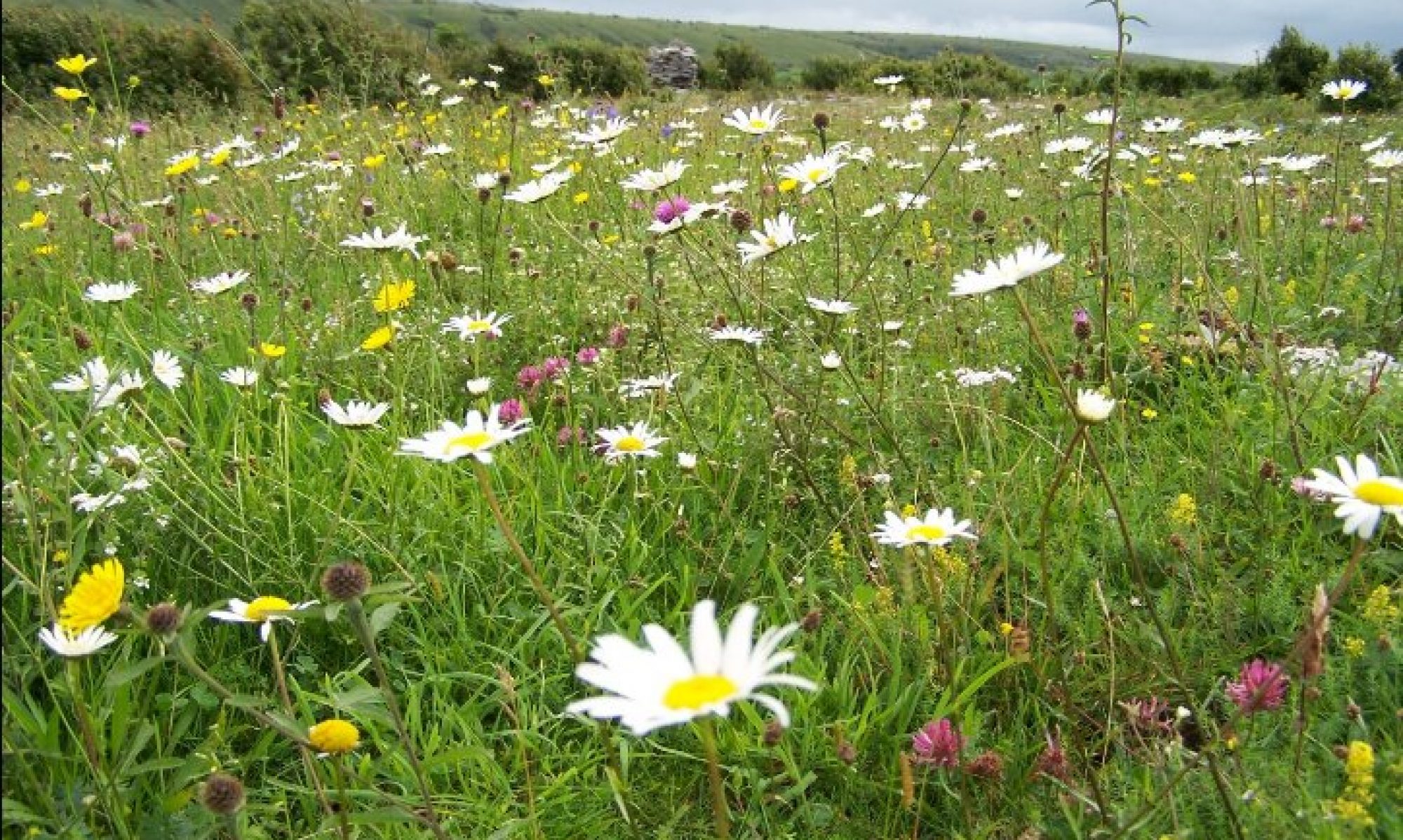
Butterfly Conservation Ireland’s reserve in Lullybeg, Kildare, is a special place for the Marsh Fritillary and many other butterflies, moths, dragonflies, and other species. The reserve is monitored using the transect count method, which involves counting all butterflies within a 5-metre square area along a fixed route walk in favourable weather each week between 1st April and 30th September, a total of 26 weeks.
The final count of 2026 was made on September 28th. Despite the late September date, 43 individual butterflies were counted:
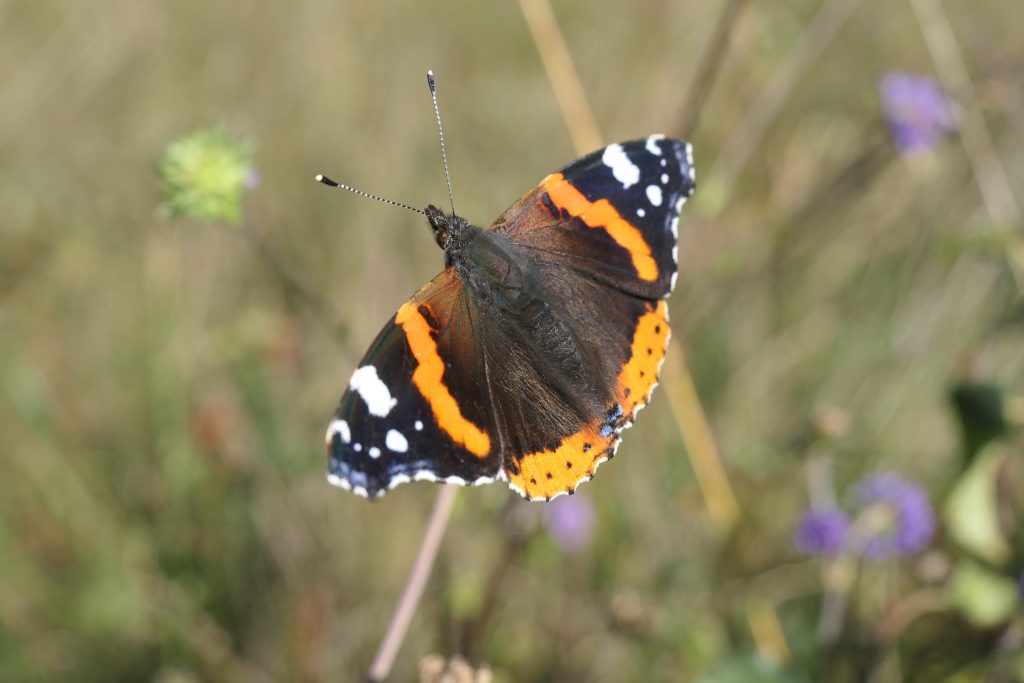
Small Copper 2, Red Admiral 23, Painted Lady 1, Small Tortoiseshell 5, Comma 15, Speckled Wood 2.
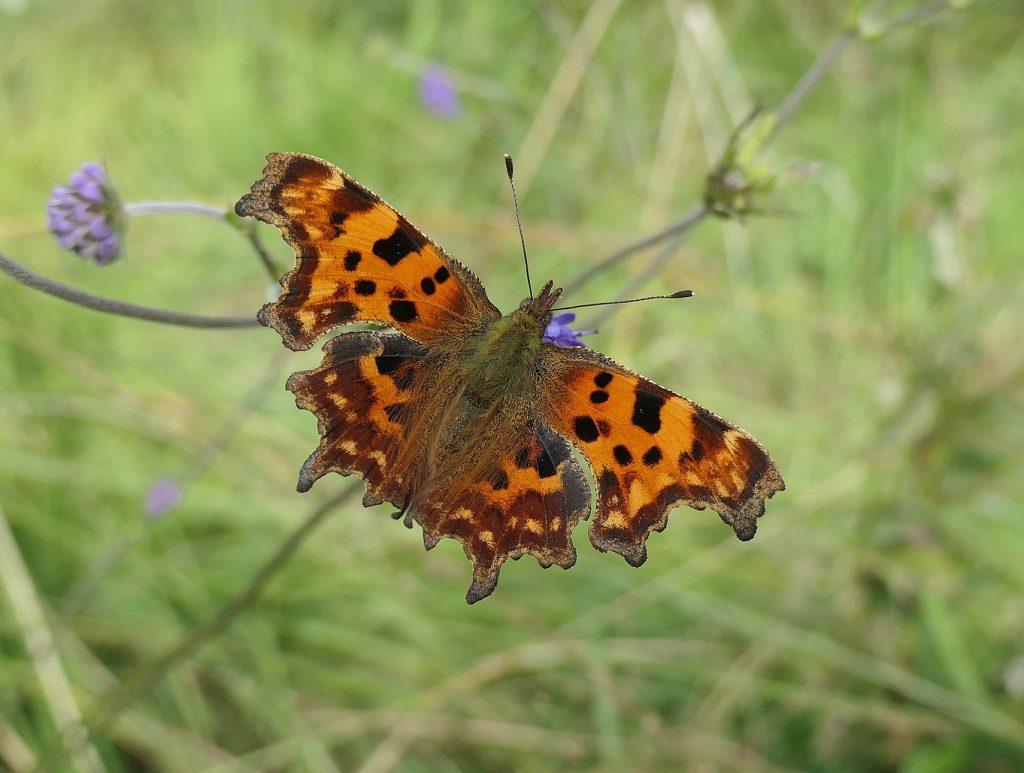
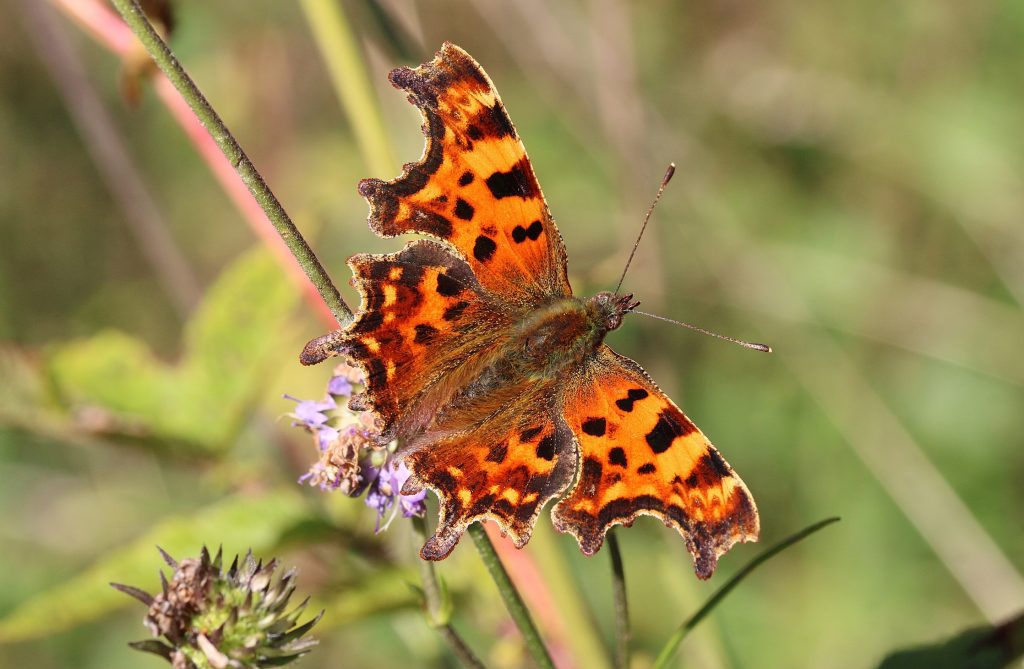
This year, Jesmond Harding and Pat Wyse made the counts using the forms containing the standardised methodology issued by the National Biodiversity Data Centre. The results, sent to the National Biodiversity Data Centre, also appear in Butterfly Conservation Ireland’s Annual Report. These can be found here: https://butterflyconservation.ie/wp/report/
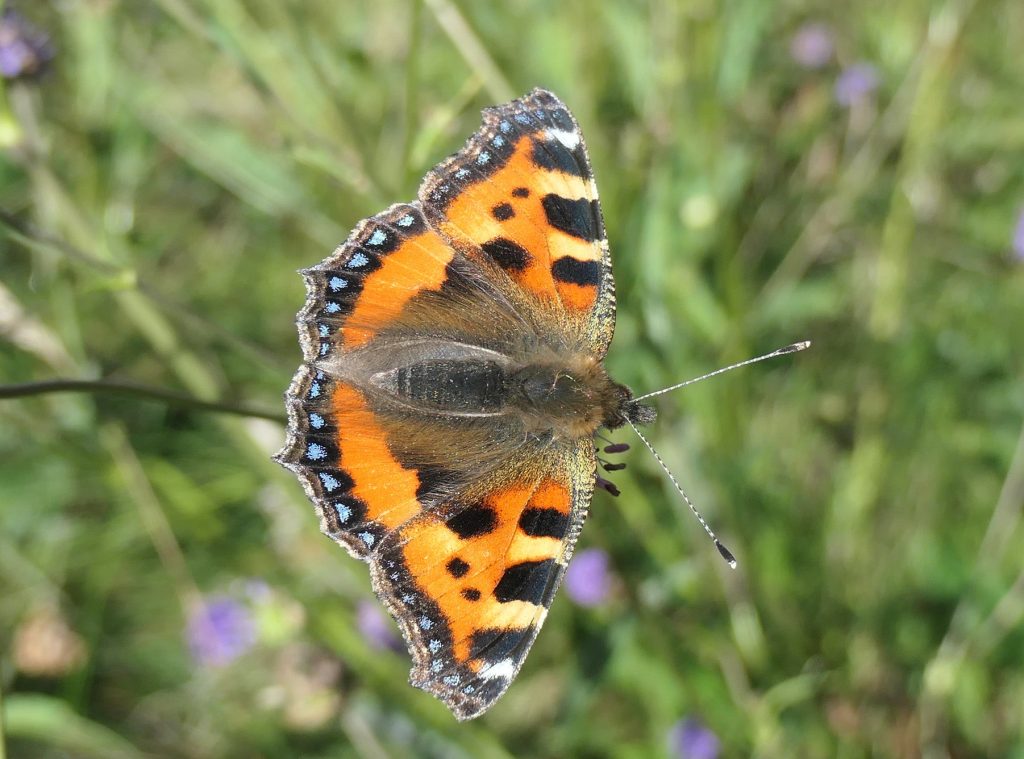
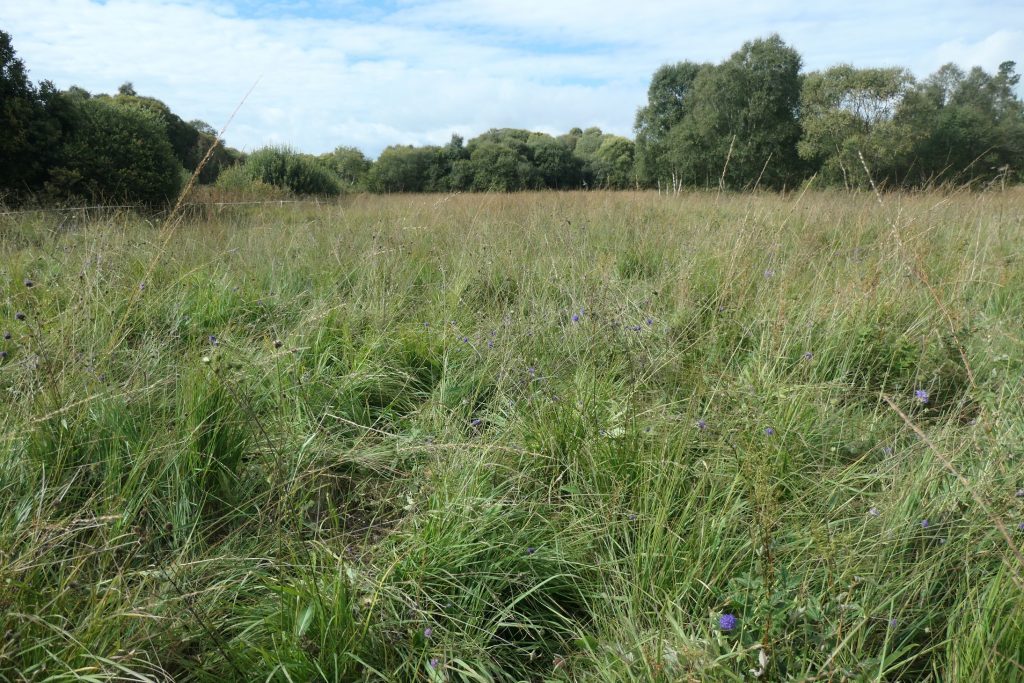
The reserve supports an excellent diversity of woodland and grassland butterflies, and the area is managed to maintain the supporting habitats.
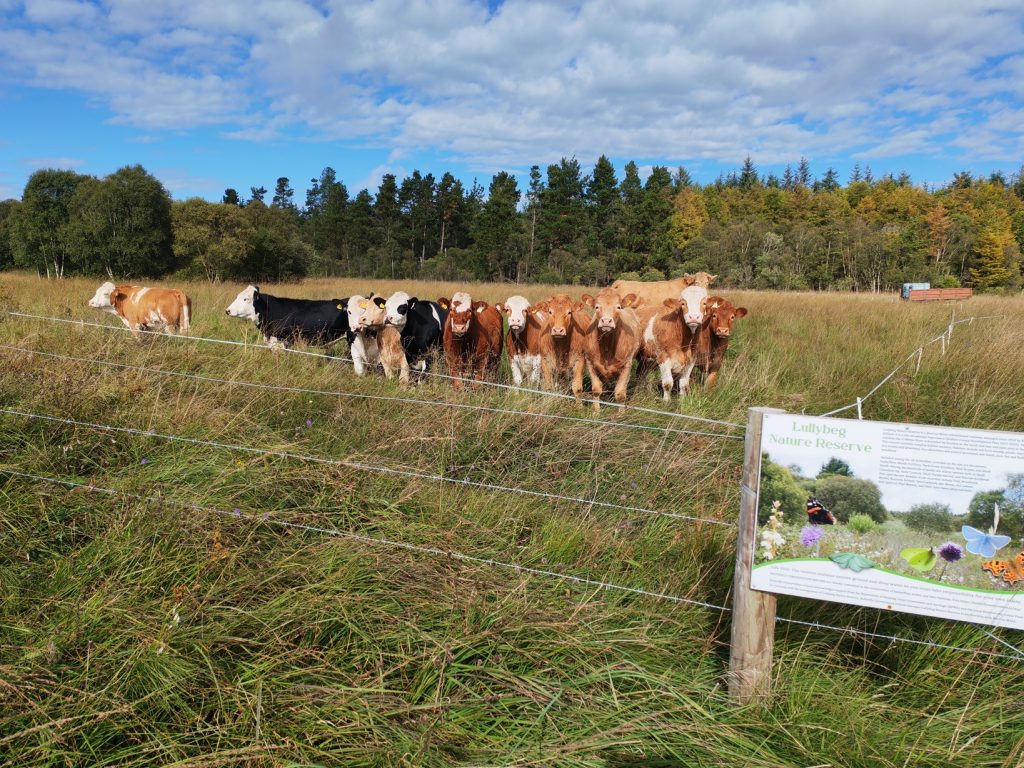
The conservation applied this September was cattle grazing. Cattle effectively maintain the undulating structure in grassland. Cattle graze less selectively than sheep and graze higher up in the vegetation. This creates a patchwork of sward heights, which creates greater floral diversity. Cattle also reduce sward heights, which increases light penetration and raises temperatures close to the surface of the soil. The temperatures just above the surface are crucial for many caterpillars. Poaching by cattle exposes the soil, which is excellent for butterflies like the Dingy Skipper, which enjoys basking on unvegetated surfaces. Poaching also exposes seed to light, supporting germination.
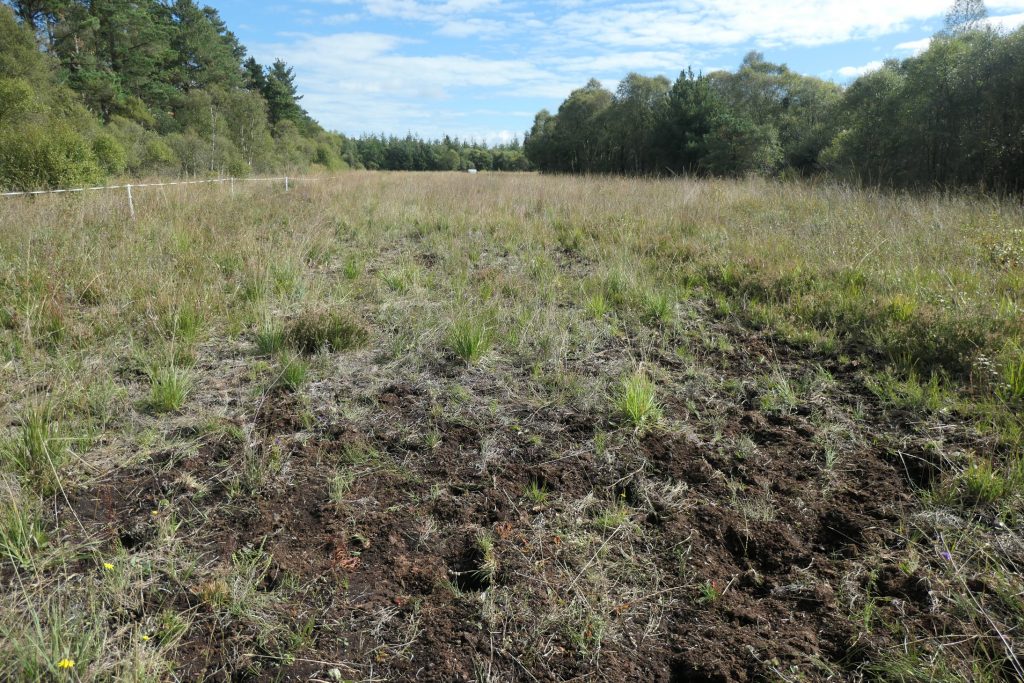
Butterfly Conservation Ireland would not be able to provide these benefits without help from local farmer Philip Doyle. Philip shows his care for local nature by delivering the cattle, ensuring that the fencing is suitable and that the animals have the water they need. We are grateful to Philip for this vital assistance.
Lullybeg Reserve is one of only two reserves in Ireland managed for butterflies. The other, Lullymore West Bog Reserve, which is nearby, is managed by the Irish Peatland Conservation Council. These reserves benefit from support from members of both organisations. Please continue to support the conservation and research taking place in both reserves.
All photographs copyright of Jesmond Harding.