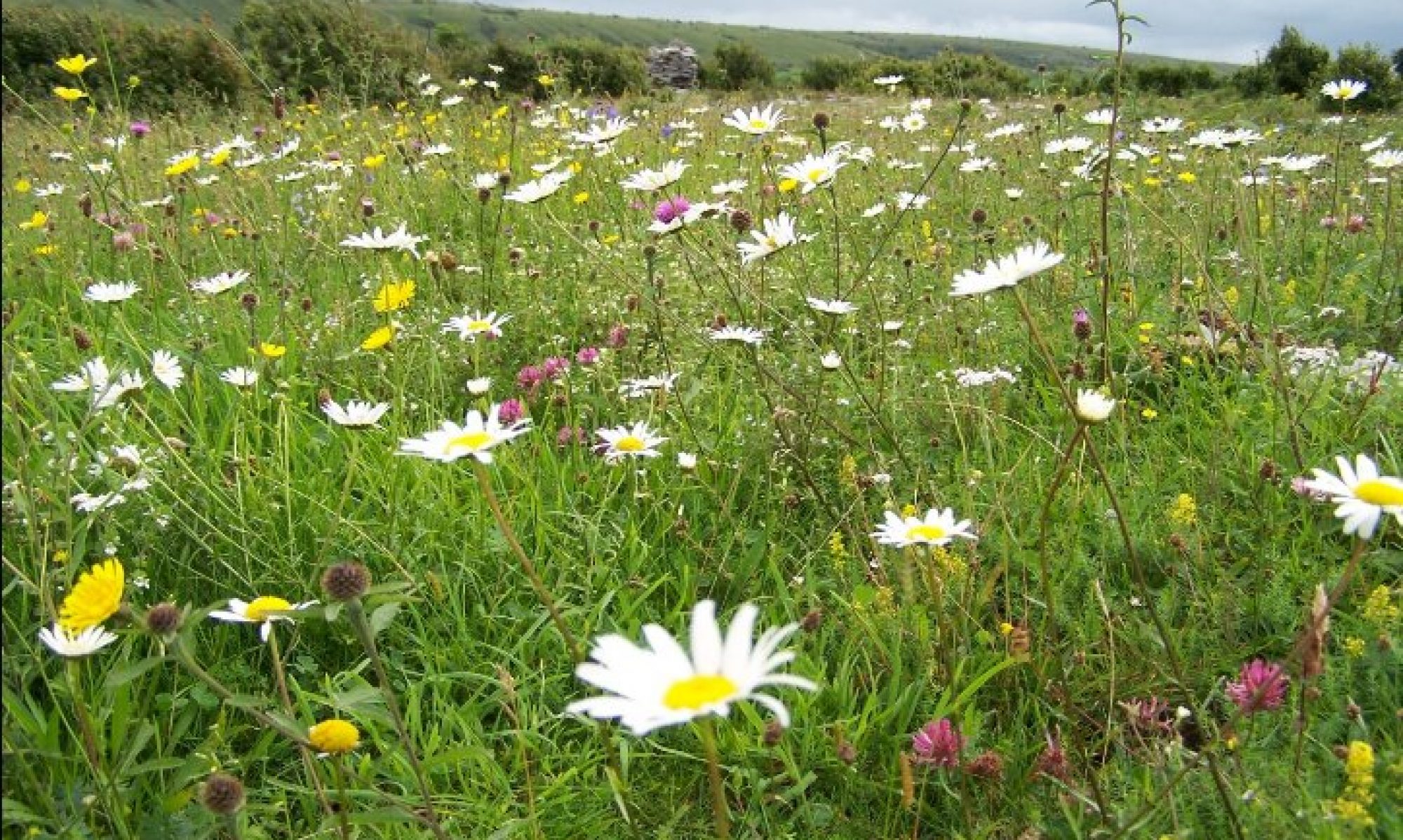
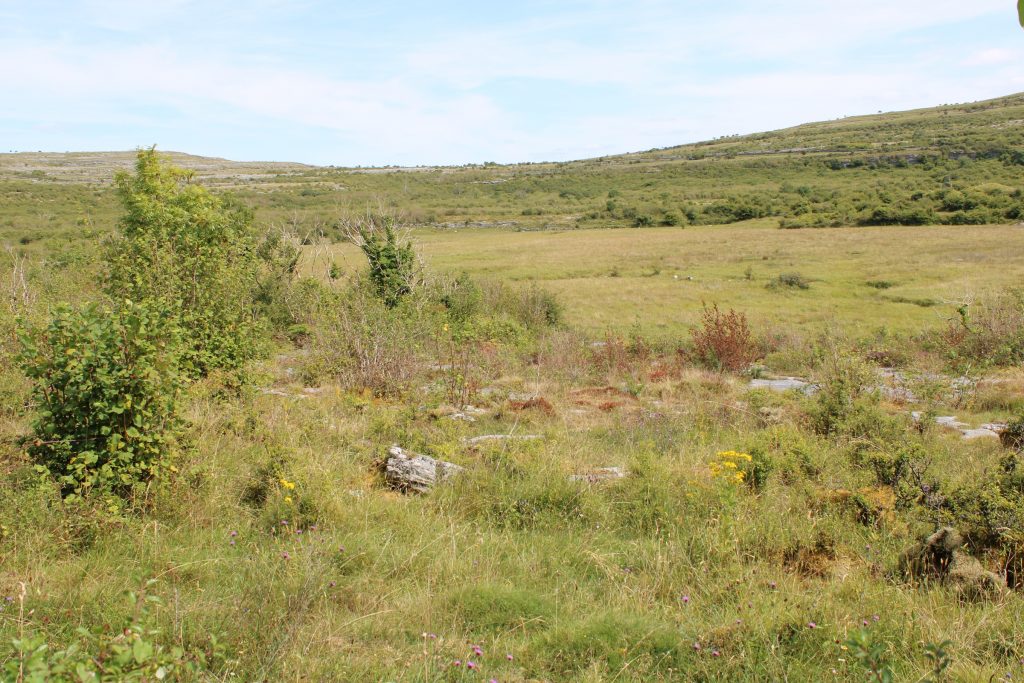
The stress imposed by continuing heat and dryness on habitats in a region with thin, free-draining soil and permeable limestone rock was evident in the vegetation, notably the Hazel scrub, which in some places had brown, shrivelled foliage in place of the usual lush green. The grassland vegetation had a distinctive straw colour more typical of southern Europe.
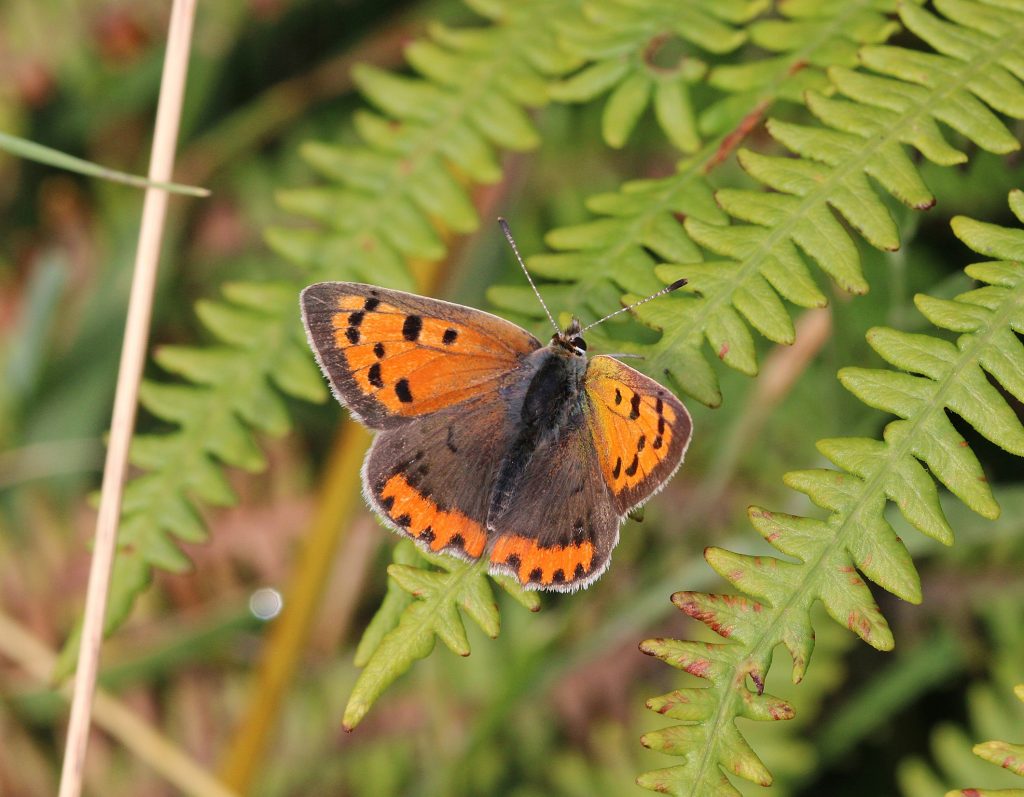
Another feature of the sustained warmth, indicated by the fourth consecutive month when maximum temperatures exceeded 30 Celsius, is the advancement of the season. Some butterflies emerged earlier, while some double-brooded butterfly species (e.g., Small Copper) produced small second broods, possibly due to reduced larval foodplant quality.
Despite the challenges of the changing climate, the Burren is large enough to show resilience, with habitats on deeper soil and on north-facing slopes continuing to retain moisture and greener vegetation.
I had a single day to look for butterflies, and found 19 species. Here is a selection of photographs from Ireland’s best region for butterflies.
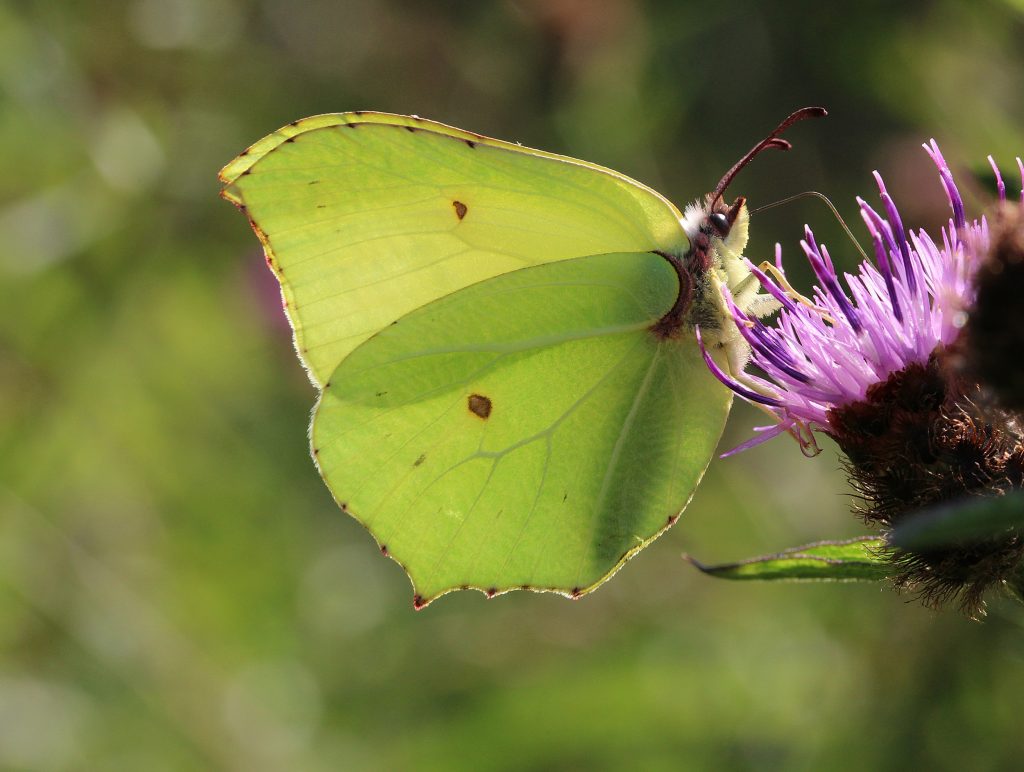
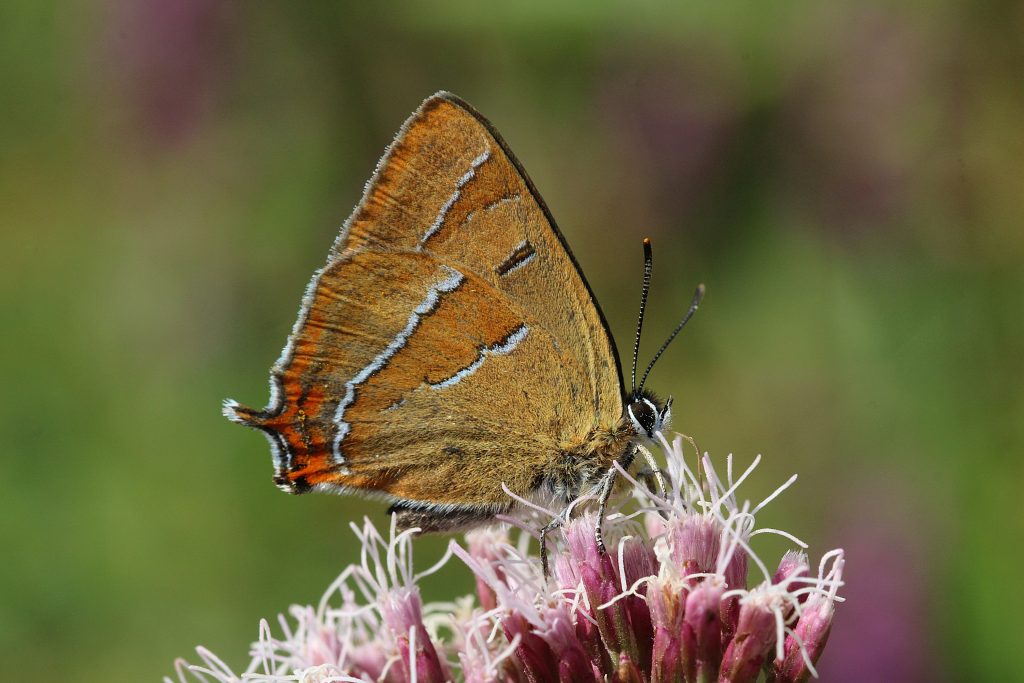
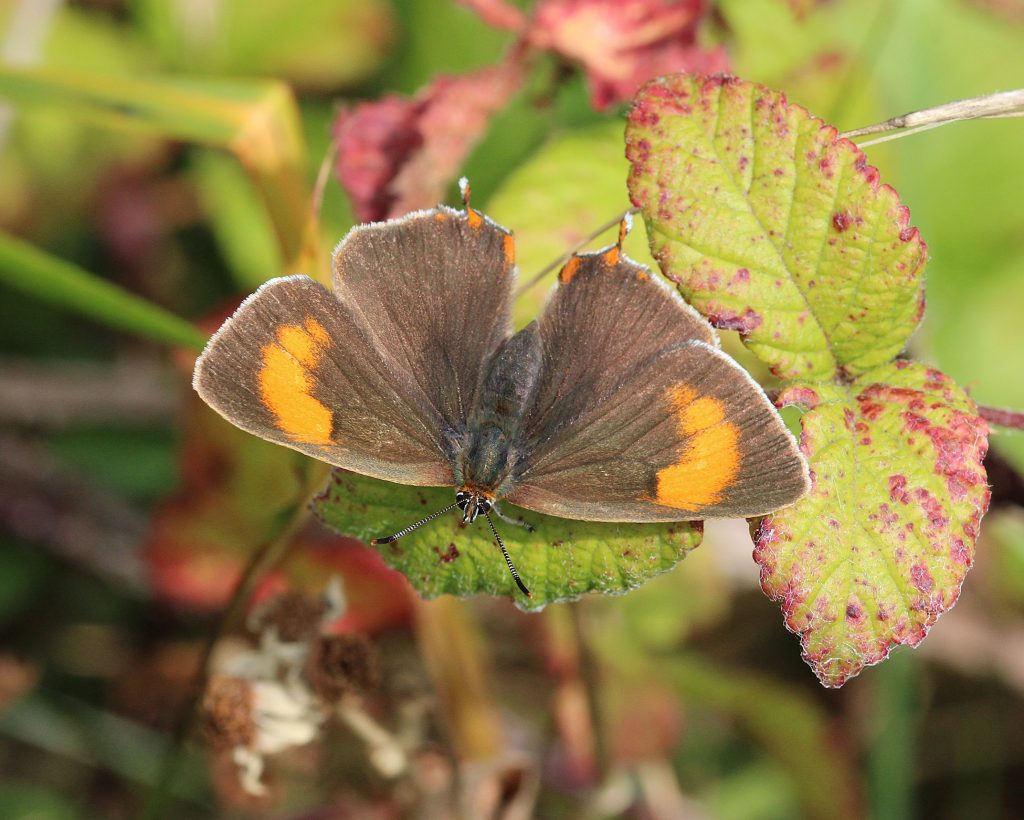
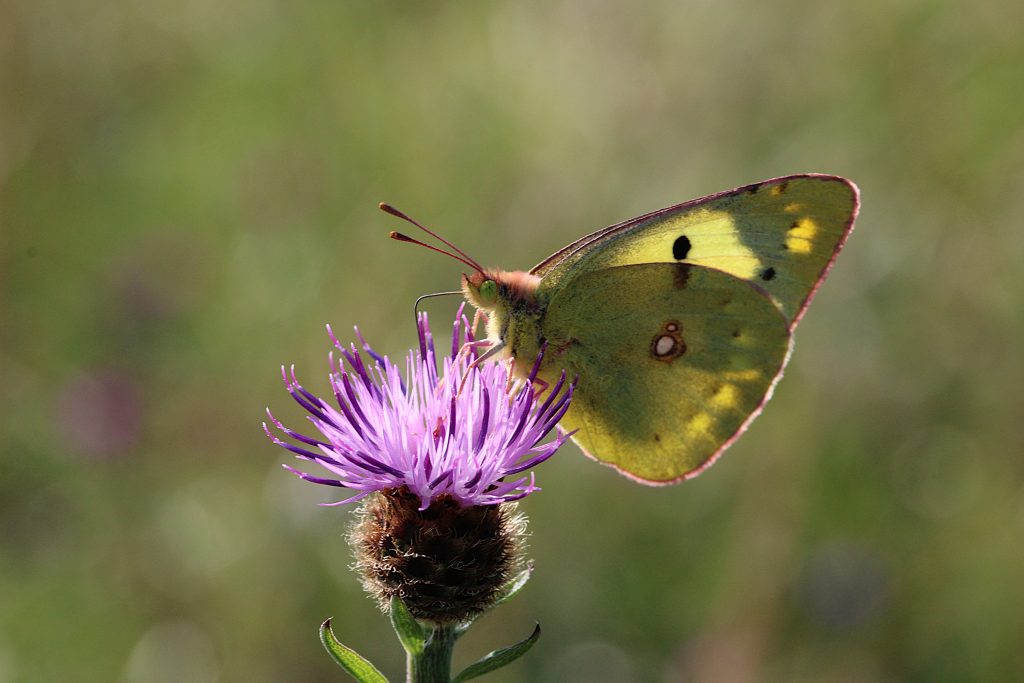
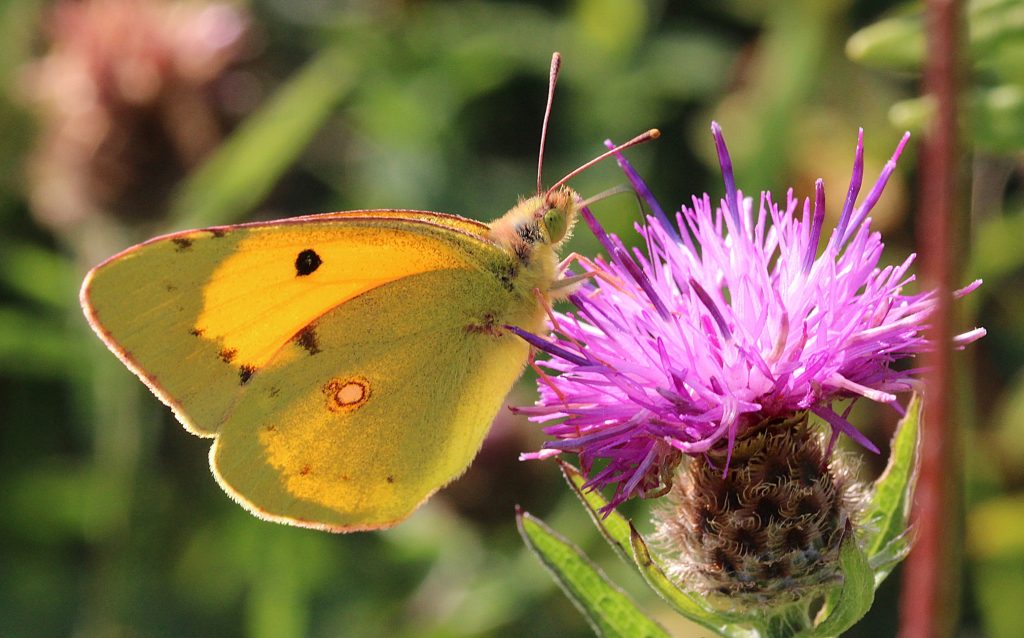
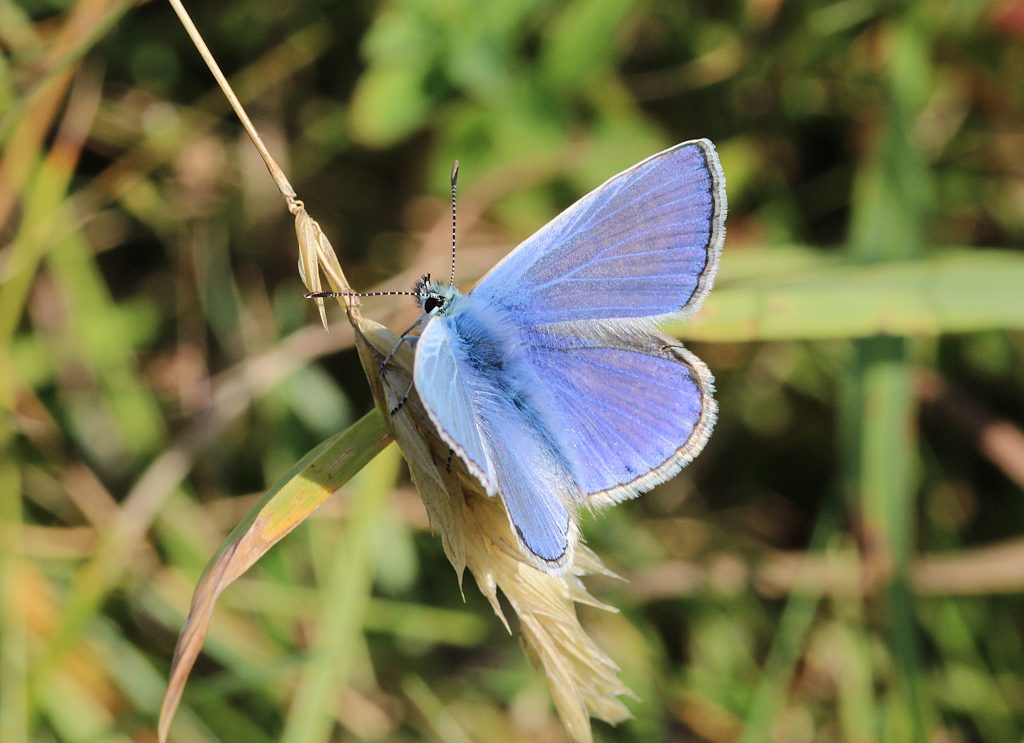
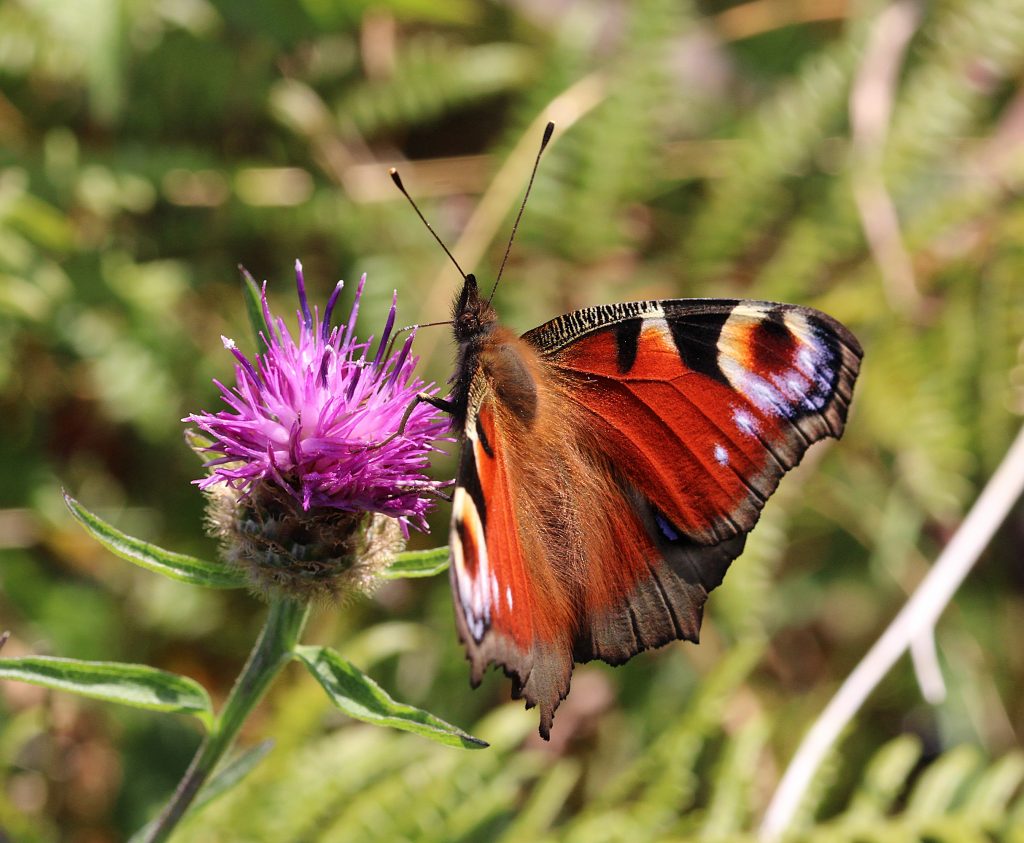
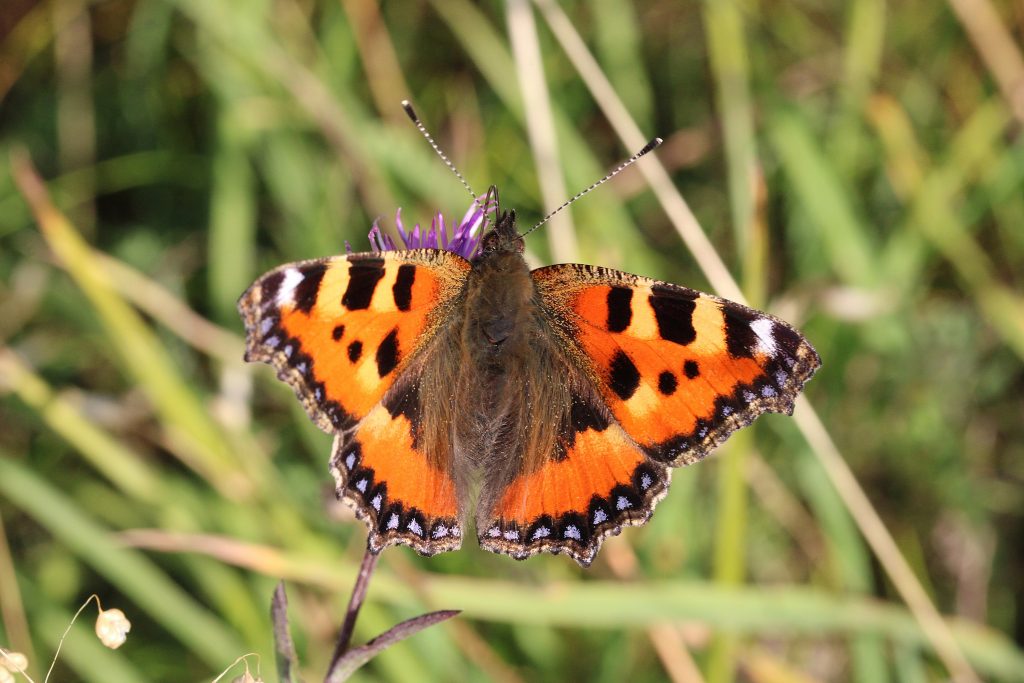
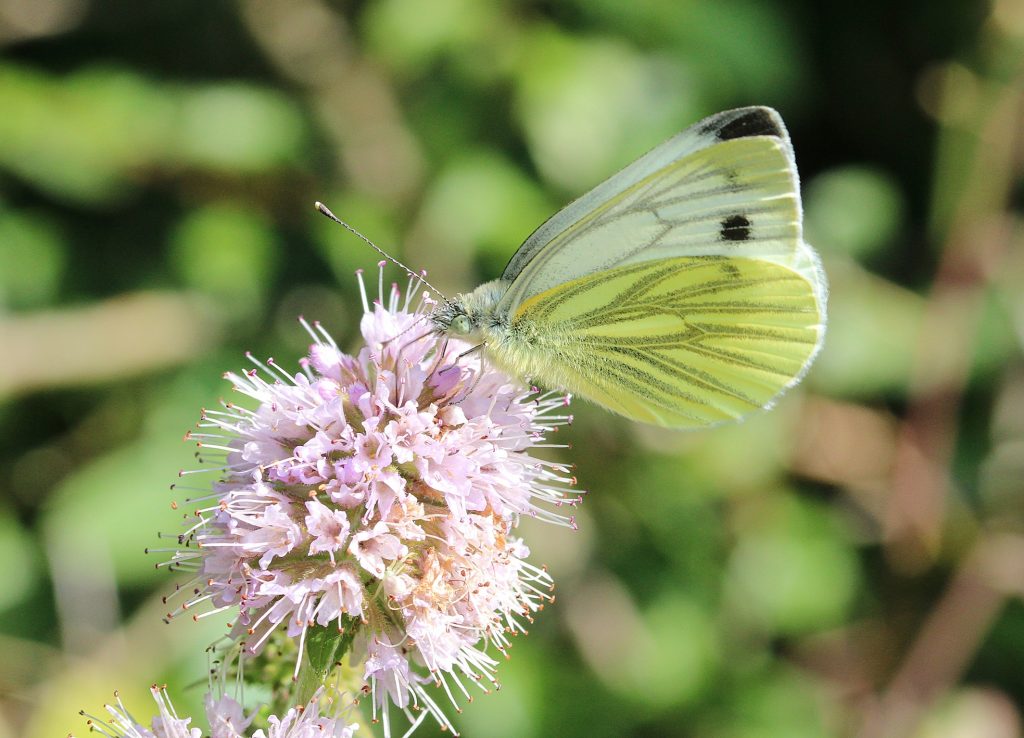
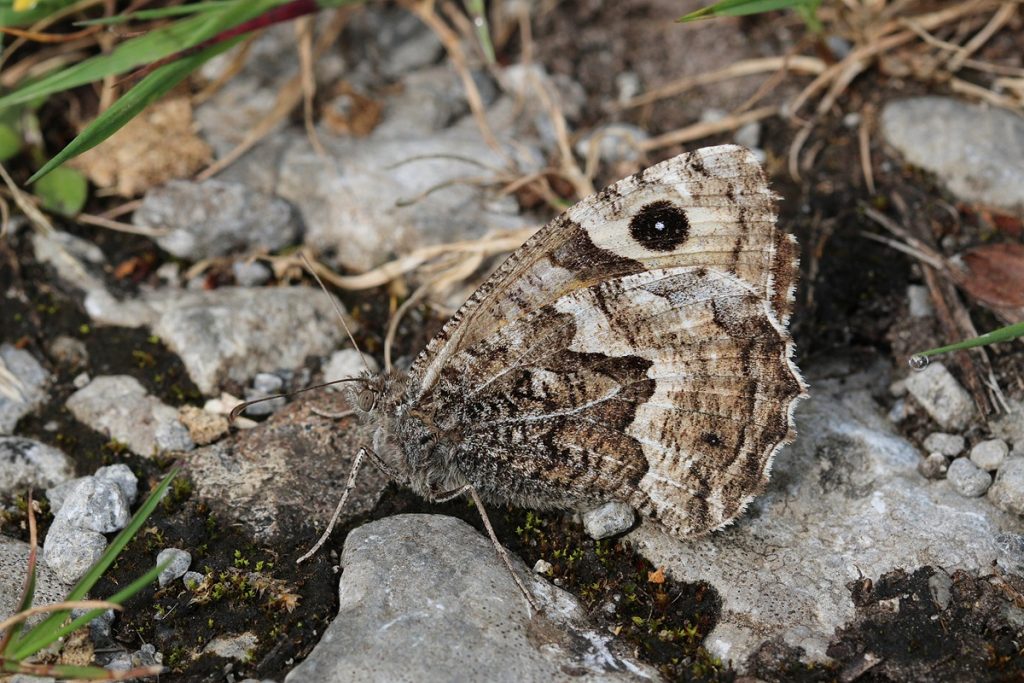
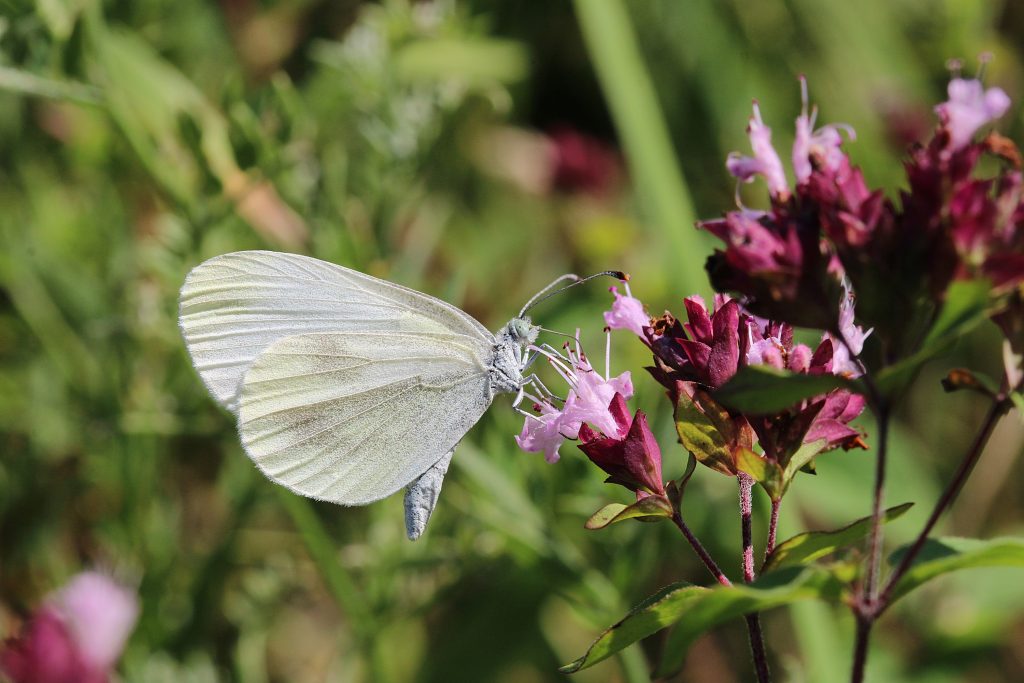
Brimstone male, Knockaunroe, Burren National Park.Brown Hairstreak male on Hemp Agrimony in the garden at the Burren Perfumery, Fahee North, County Clare.Brown Hairstreak female, Knockaunroe, Burren National Park. Note the autumnal colours in the Bramble leaves.Clouded Yellow helice form, Knockaunroe, Burren National Park. All the Clouded Yellows seen were unsettled and hard to approach.Clouded Yellow male, Knockaunroe, Burren National Park.Common Blue male, Knockaunroe, Burren National Park. None of the females seen during the weekend of 8-9 August had blue uppersides; all were brown, typical colouring in a dry, hot summer.Peacock, Knockaunroe, Burren National Park. Several could be found busy feeding together in flower-rich, sheltered places near dense scrub and woodland.Small Tortoiseshell, Knockaunroe, Burren National Park. The species was numerous in early August; all were feeding, none were involved in mating behaviour, suggesting: 1. Early emergence of overwintering adults (breeding postponed to spring 2027) and 2. Low quality of Stinging Nettle, the breeding plant, might have triggered a reproductive diapause in the population.Small Copper, Clooncoose, was present in low numbers in areas with deeper soils. In warm, moister summers, this butterfly produces a third generation, which happened in September/October 2025. It will be interesting to observe if this occurs in this drier summer.Green-veined White, Knockaunroe, Burren National Park, in a waterless turlough.Grayling, Clooncoose. The Graylings I observed were more faded than they would be in early August in a cooler summer.Wood White female second brood on Common Marjoram, Knockaunroe, Burren National Park. The female has a strongly rounded apex on the forewing.
The other butterflies observed were Large White, Holly Blue, Red Admiral, Painted Lady, Silver-washed Fritillary, Speckled Wood, Wall Brown, Meadow Brown and Small Heath.
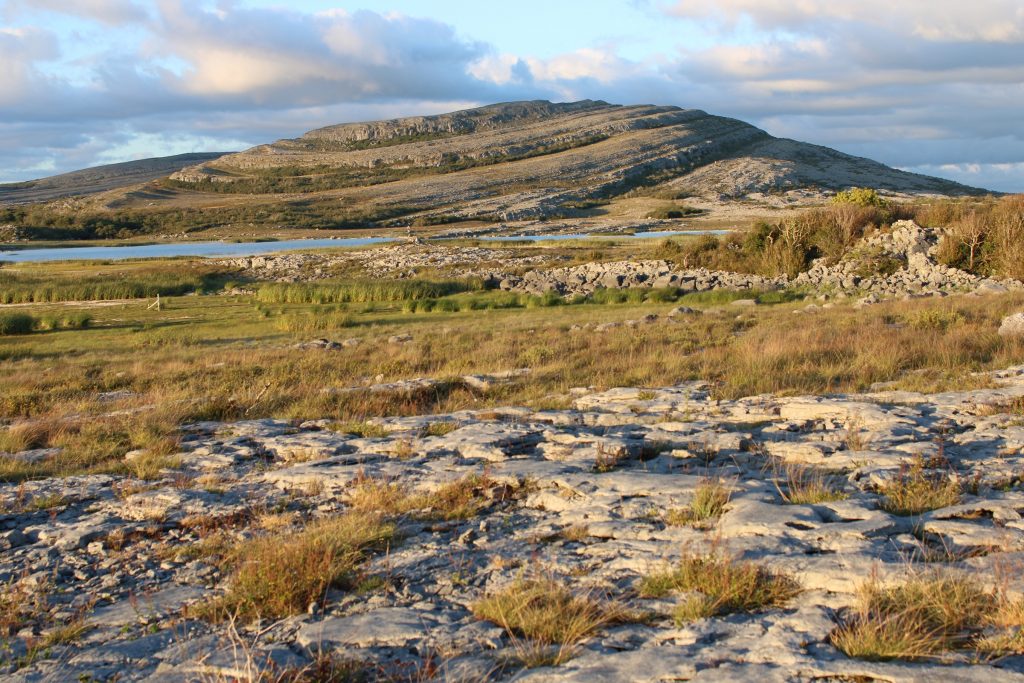
Carran Turlough, Fahee North, County Clare. Note the dead Hazel leaves near the edge of the turlough.Mullaghmore, Burren National Park. The hues suggest late September rather than early August.
A final point: while in the Burren National Park, a lady I do not know approached me to ask if I had seen any Brown Hairstreaks. A sign, one hopes, of a greater interest in our rarest butterflies