William Golding’s first novel, the classic and terrifying Lord of the Flies, was published in 1954.
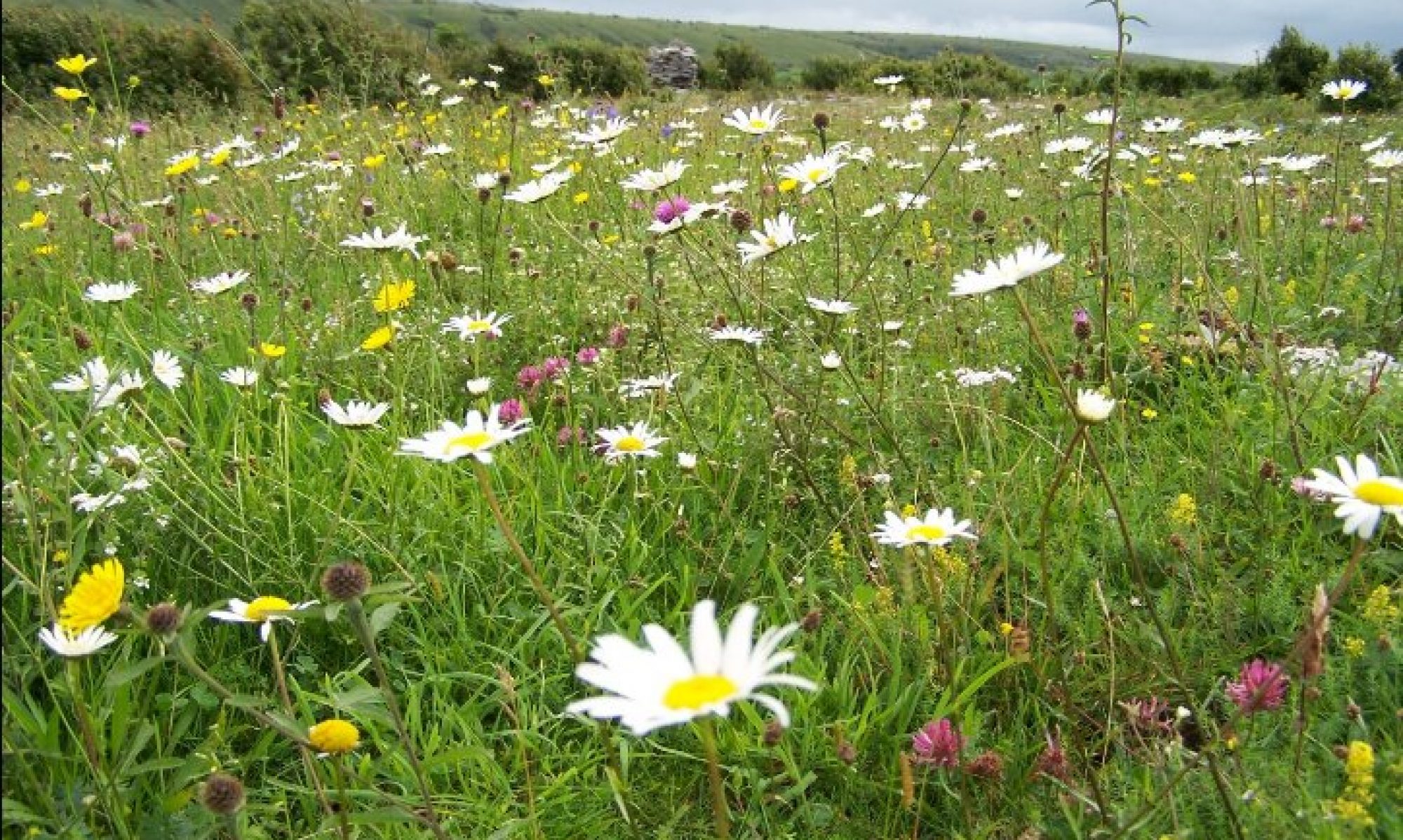
The failure of civilisation is explored in the book’s sunlit darkness, a self-inflicted failure. The group of British schoolboys, aged 6-12, are marooned following a plane crash on a beautiful, deserted island. The island is a paradise. Grassy and sandy beaches, a coral reef, trees dripping with delicious fruit and coconuts, drinking water, red and yellow birds, blue flowers, a pink granite mountain clothed with tropical jungle, and wild pigs to provide meat. The boys had no grown-ups to order them about. On their first day, the boys elect Ralph, a handsome, tall, athletic boy, as their chief. After all, he blew the ‘trumpet-thing’, the beautiful deep-cream conch (seashell), to summon the marooned boys to a meeting.
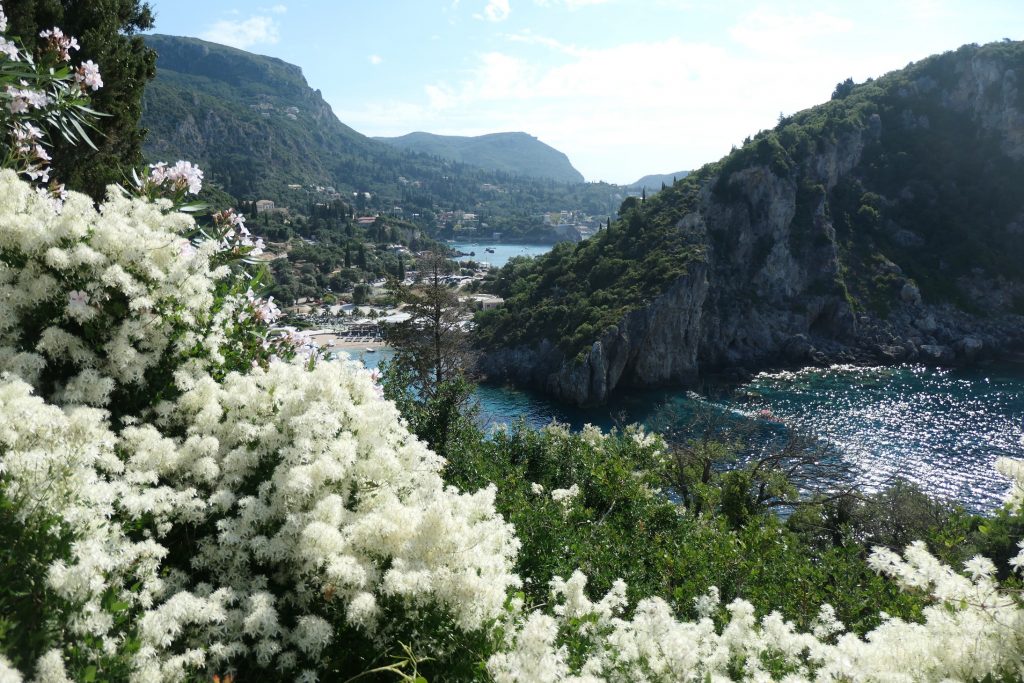
Ralph, Simon and Jack leave to climb the highest point to determine whether they are on an island or mainland, to calculate their chances of rescue. Staring across the island from the peak, Ralph declares, ‘This belongs to us.’
Ralph and Piggy (overweight and derided by most; Piggy is intelligent, sensitive and insightful) know the boys need order. Ralph calls meetings to decide what to do. Meetings are called by blowing the conch, which creates a booming sound. Anyone wishing to speak must raise their hand; then Ralph hands him the conch. Holding it confers speaking rights.
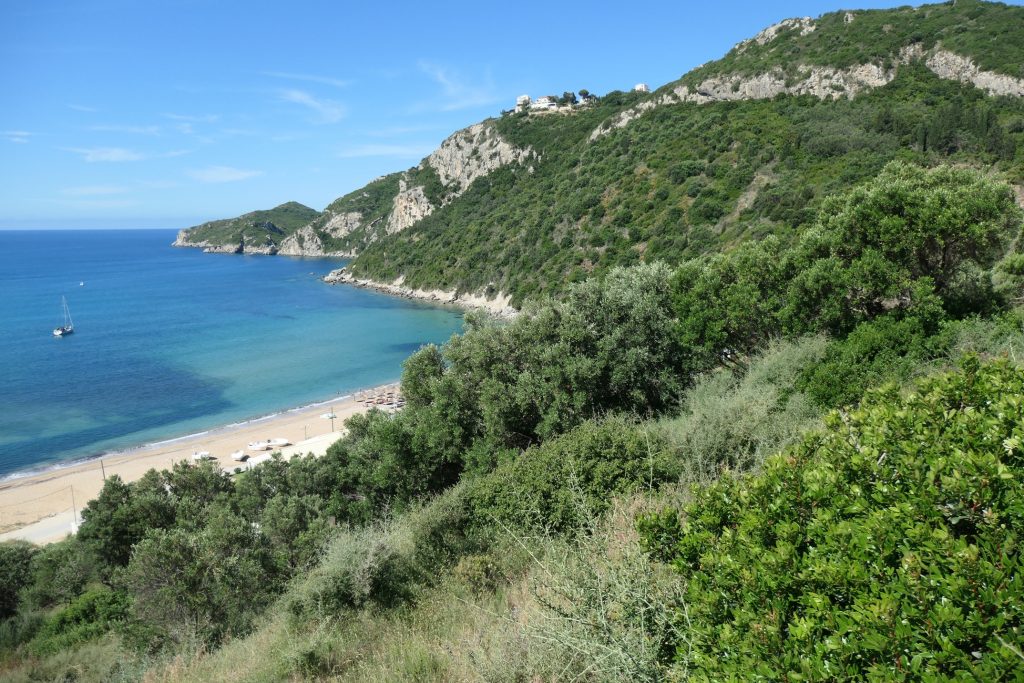
The conch symbolises order, protective rules, and civilisation. The novel provides another, juxtaposing symbol: a sow’s head, mounted on a stick, festooned with flies, erected to propitiate an imagined physical beast. It symbolises societal breakdown and the evil within the boys.
Simon, a symbol of Christ-like goodness, hallucinates while staring obsessively at the rotting head. “I’m the beast… You’re not wanted. Understand? Fancy thinking the Beast was something you could hunt and kill!” (Lord of the Flies, p.158).
The beast is the inner corruption that turns civilised English schoolboys into murderous savages. Piggy holds the conch tightly as he and Ralph go to confront Jack’s rival tribe and demand back Piggy’s stolen glasses. Roger releases a massive rock that strikes Piggy and shatters the shell into dust. The protection of society’s rules crashes; the conch, and its chief advocate, Piggy, are no more. The boys’ descent into chaos reflects the world’s collapse during World War II, in which the author fought.
At the book’s close, three of the boys are dead, and the island is destroyed by fire. Jack and his hunters hunt to kill Ralph. Ironically, the fire intended to produce smoke to signal their location works, and the boys are rescued.
The powerful final text shows the stationary hunters behind Ralph, who talks to the naval officer:
‘I should have thought’, said the officer as he visualized the scene before him, ‘I should have thought that a pack of British boys-you’re all British aren’t you? -would have been able to put up a better show than that – I mean –’(Lord of the Flies, p.224)
Ralph dissolves in tears: ‘Ralph wept for the end of innocence, the darkness of man’s heart, and the fall through the air of the true, wise friend called Piggy.’ (Lord of the Flies, p.225)
The grim perspective on human nature evinced in William Golding’s novel has proved influential. The title has entered culture as a synonym for the anarchy, dehumanisation and destruction of human life and the environment that follows a collapse in the social order. It challenges the idea of human progress that prevailed in the 19th and early 20th centuries before the breakdown of the structures of European diplomacy 1870-1914 unleashed two world wars.
In Ireland, we had our own paradise; purple mountains, sparkling streams, glowing meadows, great woodlands and expanses of dun-coloured bogs, cleaning our water, purifying the air and giving our curlews, wild geese and swans, dragonflies and butterflies places to call home.
We drained the bogs and burned them, leaving broken backs, scarring the landscape with blackness, like Golding’s torched island. This polluted our rivers, polluted our air, overheated our world and destroyed nature that needs the peatlands.
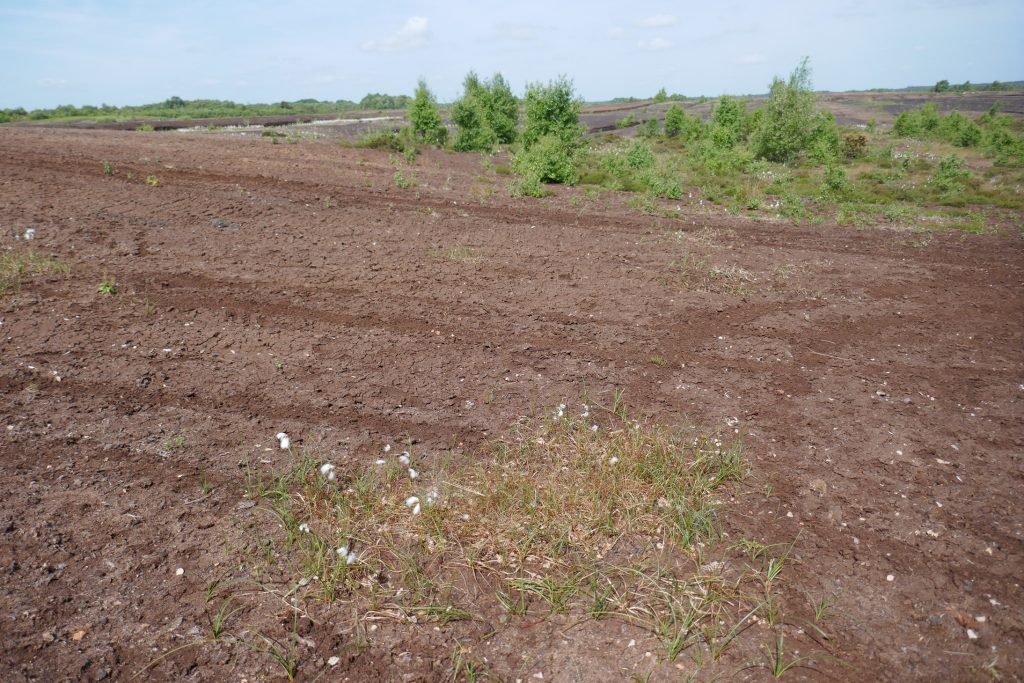
Nature is trying to recover. After peat extraction ended on the state-owned bogs, drains were blocked on some bogs, the water returned, and some healing began. Native flora and grasses appeared in some areas of cutover bog, native woods, formerly confined to drier margins of wet bogs, now began to wave their verdant selves, inviting leaf warblers and woodland butterflies to colonise.
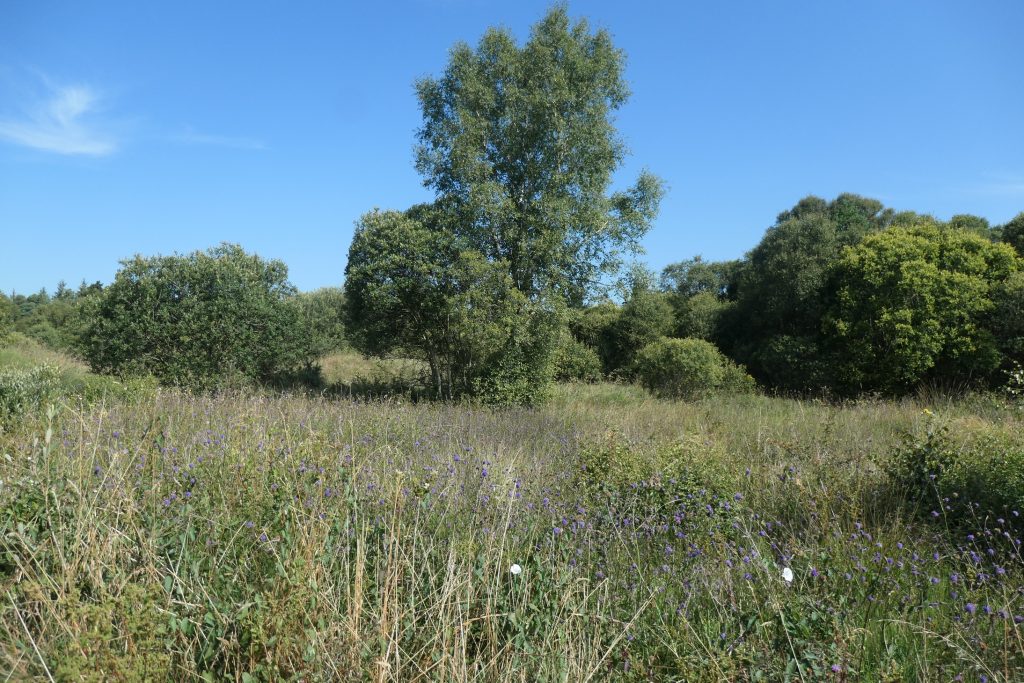
A mosaic of grassland, woodland, bog, fen, reed swamp and open water developed, summoning animals that breed in the new, developing habitats.
There must be no going back. The pristine bogs are gone, but they must be positioned for recovery.
This is incompatible with plans to drain the surviving peat, construct 64 kms of industrial roads, cabling, hard stands and wind turbines. Whooper Swans cannot co-locate with wind turbines on the Bog of Allen, Ireland’s most famous bog.
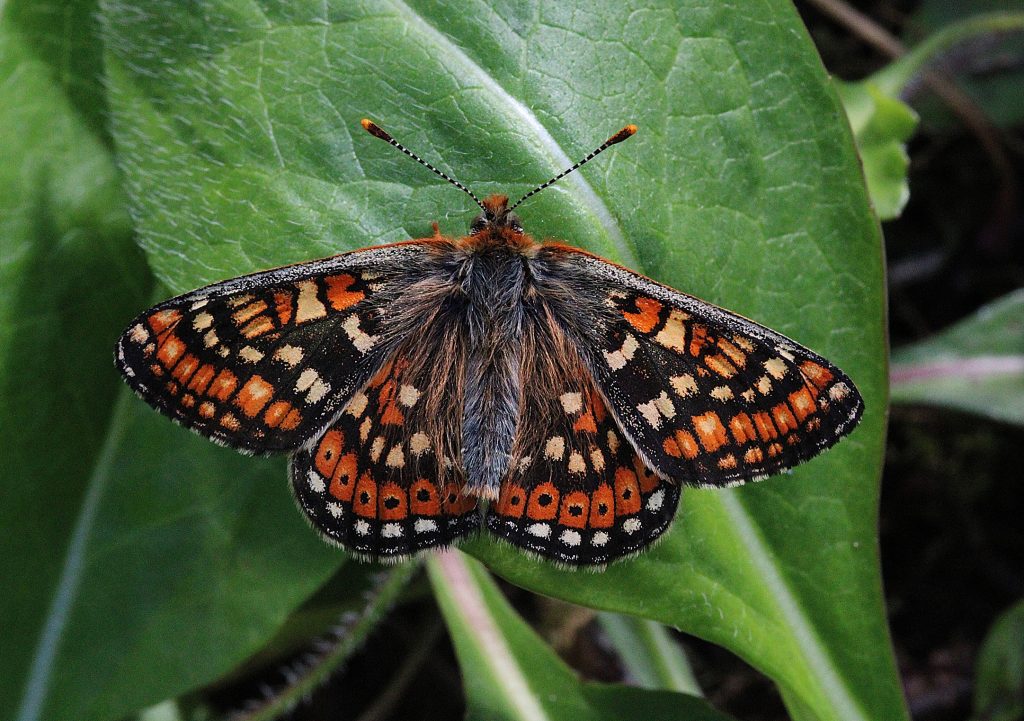
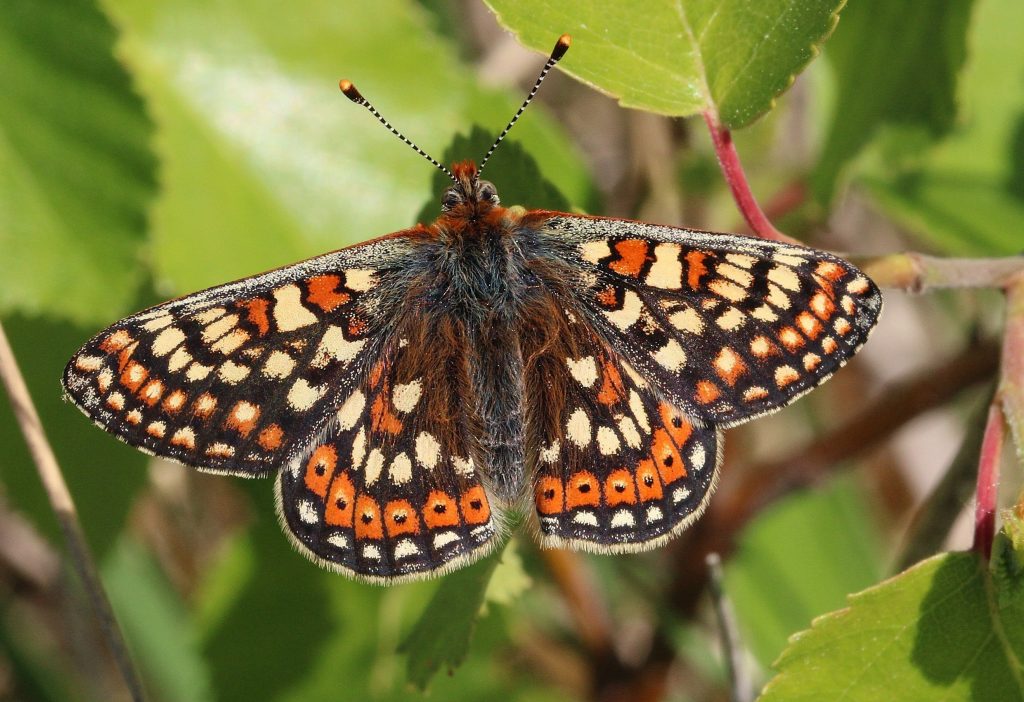
All Kildare’s Marsh Fritillary colonies are on peatlands. Drainage changes the habitat character, accelerating scrub development that eliminates the unshaded areas caterpillars need to develop. The Marsh Fritillary is Ireland’s only legally protected insect, and Ireland’s populations are important in the European context, given their huge declines elsewhere, especially in northern and western Europe.
The variation in the butterfly’s complex patterning and the depth of colour within populations reflects the range in its genetic makeup and the diversity of ecological conditions in its habitats. It is therefore a powerful symbol of the complexity and richness of our island and a metaphor for the diversity of habitats on our wonderful peatlands.
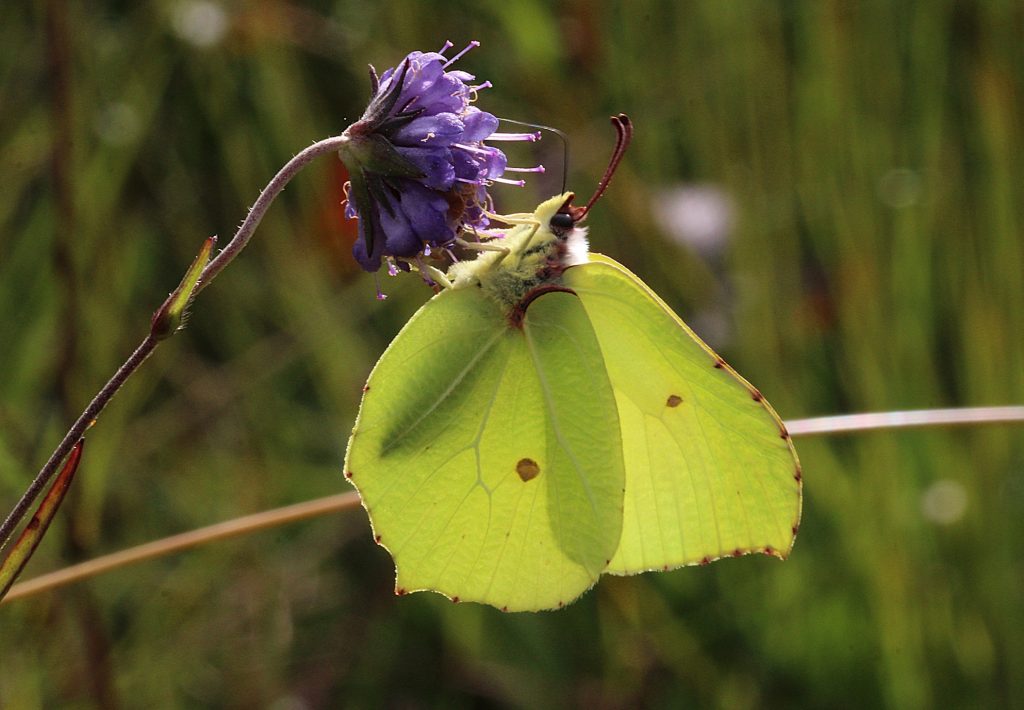
Another beautiful butterfly, the Brimstone, loves the species-rich scrub, flower-rich grassland and bog woodland in the Bog of Allen. The male Brimstone’s pure golden colour is a breath-taker, a potent symbol of the beauty of the Bog of Allen.
Our need for clean energy is far better met on farmland, as is the case in Pays de la Loire, in highly productive arable land there and across Europe and North America. Livestock graze happily beside turbines and crops grow right up to the foundation.
These do not damage farmland and do not require the huge drainage there. In the United States, by 2020, all the wind and solar farms covered about 424,000 acres combined, less than 0.05% of total U.S. farmland.
Restored peatlands and intact peatlands give us clean air but only when undrained. When plants, trees, or shrubs in a waterlogged environment die and subside into the ground, they only partially decompose, forming a layer of carbon-rich peat. Left undisturbed, those layers build, sometimes meters thick. Known by many names—bogs, fens, and mires—peatlands occupy 4 million square kilometres, about 3% of the Earth’s land surface, but they store more than a third of the world’s soil carbon—twice as much as the temperate and tropical world’s forests combined. They are also home to diverse wildlife and flora and provide natural water storage and filtration.
Experiments in North Carolina estimate that peatlands in the study site store about 3,450 tonnes of peat per hectare, representing about 12,650 tonnes of carbon dioxide per hectare. The North Carolina peatlands are c.10,000 years old, the same age as Irish peatlands
Peatlands exist for a range of reasons. These are vital ecosystems, providing places for specialist plants and animals to live, delivering climate action services by capturing and retaining climate-warming gases, assisting flood attenuation by holding water for longer than any other ecosystem, and filtering drinking water.
The global biodiversity crisis is especially acute in Ireland, other parts of northern Europe and on many islands. Ireland has one of the lowest levels of biodiversity intactness globally. The crisis in Ireland is well documented. The Status of EU Protected Habitats & Species in Ireland, 2025 Summary Report finds that 90% of Ireland’s protected habitats are in ‘unfavourable’ conservation status, while 51% are showing deteriorating trends across their national ranges.
The Bog of Allen holds at least 13 species and seven habitats listed in Annex II and Annex I of the Habitats Directive, respectively (known as qualifying interests used to designate Special Areas of Conservation. The recently published document, The Status of EU Protected Habitats & Species in Ireland, 2025 Summary Report (Article 17 report), ranks the condition of six of these habitats as ‘Bad’ and the remaining habitat type is described as ‘Inadequate.’
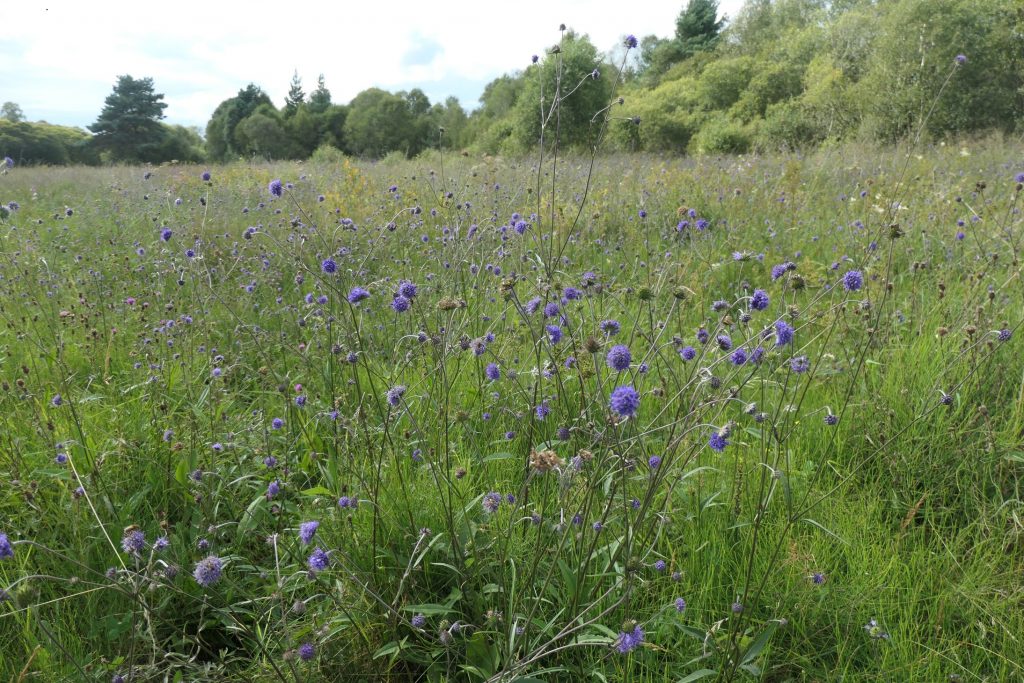
The presence of 20 qualifying interests used to designate Special Areas of Conservation under the EU Habitats Directive, of natural habitats and species of wild fauna and flora of Community interest, makes the Bog of Allen an exceptional area for nature and for a new national park. The habitats exist at the landscape scale essential to the long-term conservation of species. The Grey Partridge and Eurasian Curlew have been lost from the region, and the Large Heath butterfly remains in a very small portion of its former distribution. Existing species and habitats and climate action cannot be supported if the landscape is industrialised. The opportunity to enhance and protect the habitats and species present in the region is only available now.
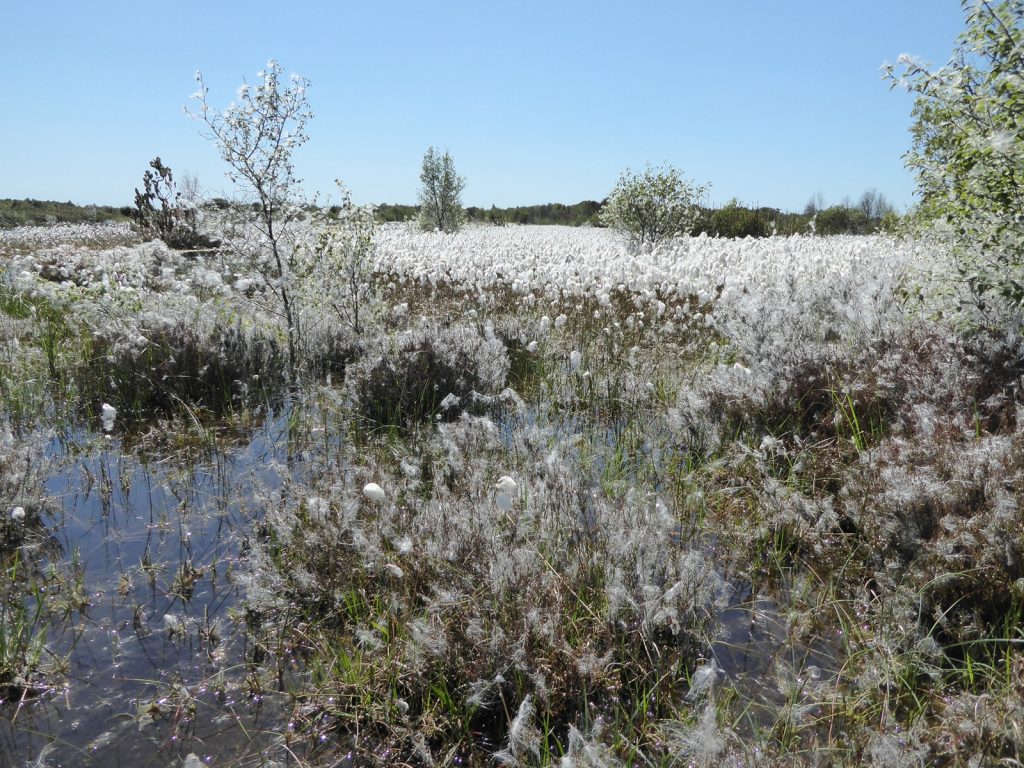
We don’t need to wreck the recovery underway in the Bog of Allen. Mankind doesn’t have to act in this way. Sometimes we do things better.
In 1965-1966, a group of six boys marooned on a Pacific island for 15 months managed rather better than their fictional British counterparts populating Golding’s novel. The boys found themselves on a deserted island after ‘borrowing’ a boat from a local fisherman in Tonga. A storm damaged the boat, and after drifting for eight days, they arrived at the island. They grew their own food, built chicken pens to keep chickens they found in the island’s crater, fed on seabirds’ eggs, fruit and fish, stored rainwater in hollowed-out trunks, and, unlike Ralph, Jack and the other boys in Lord of the Flies, kept a signal fire going.
They agreed to work in teams of two, drawing up a strict roster for garden, kitchen and guard duty. Sometimes they quarrelled, but whenever that happened, they solved it by imposing a time-out. Their days began and ended with song and prayer. When one of the boys broke his leg, the others set it using sticks and leaves. It healed. The boys were rescued after 15 months. People in their homeland were amazed. They’d already held funerals for them. The boys didn’t deforest or burn Ata Island. They lived sustainably. (Three of the six are still alive; three have died since 2020.)
The boys recovered from their ordeal. Landscapes can too, given our care. Our civilisation depends on maintaining our landscapes. Those charged with responsibility for making decisions about our land must remember that.
For updates on the campaign to save the Bog of Allen, visit https://www.nationalpeatlandspark.com/
References
ABJ Renewables (2026) Do Wind Farms Damage Land? Available at: https://abjdrones.com/do-wind-turbines-damage-land/ (accessed 04 October 2026).
Bregman, R. (09 May 2020) The real Lord of the Flies: what happened when six boys were shipwrecked for 15 months The Guardian. Online at: https://www.theguardian.com/books/2020/may/09/the-real-lord-of-the-flies-what-happened-when-six-boys-were-shipwrecked-for-15-months (Accessed 04 October 2026)
Golding, W. (1954) Lord of the Flies. Faber and Faber, London.
IUCN Peatland Programme (2026) Peatland Benefits Available at: https://www.iucn-uk-peatlandprogramme.org/about-peatlands/peatland-benefits (accessed 04 October 2026).
NPWS (2025). The Status of EU Protected Habitats and Species in Ireland. Volume 1: Summary Overview. Unpublished NPWS report.
Edited by: Domhnall Finch, Aoife Delaney, Fionnuala O’Neill and Deirdre Lynn
Palmer, J. Bog power: How restoring peatlands can sustain biodiversity and mitigate climate change BioScience, Volume 74, Issue 10, October 2024, Pages 671–676, https://doi.org/10.1093/biosci/biae028 (Accessed 04 October 2026)