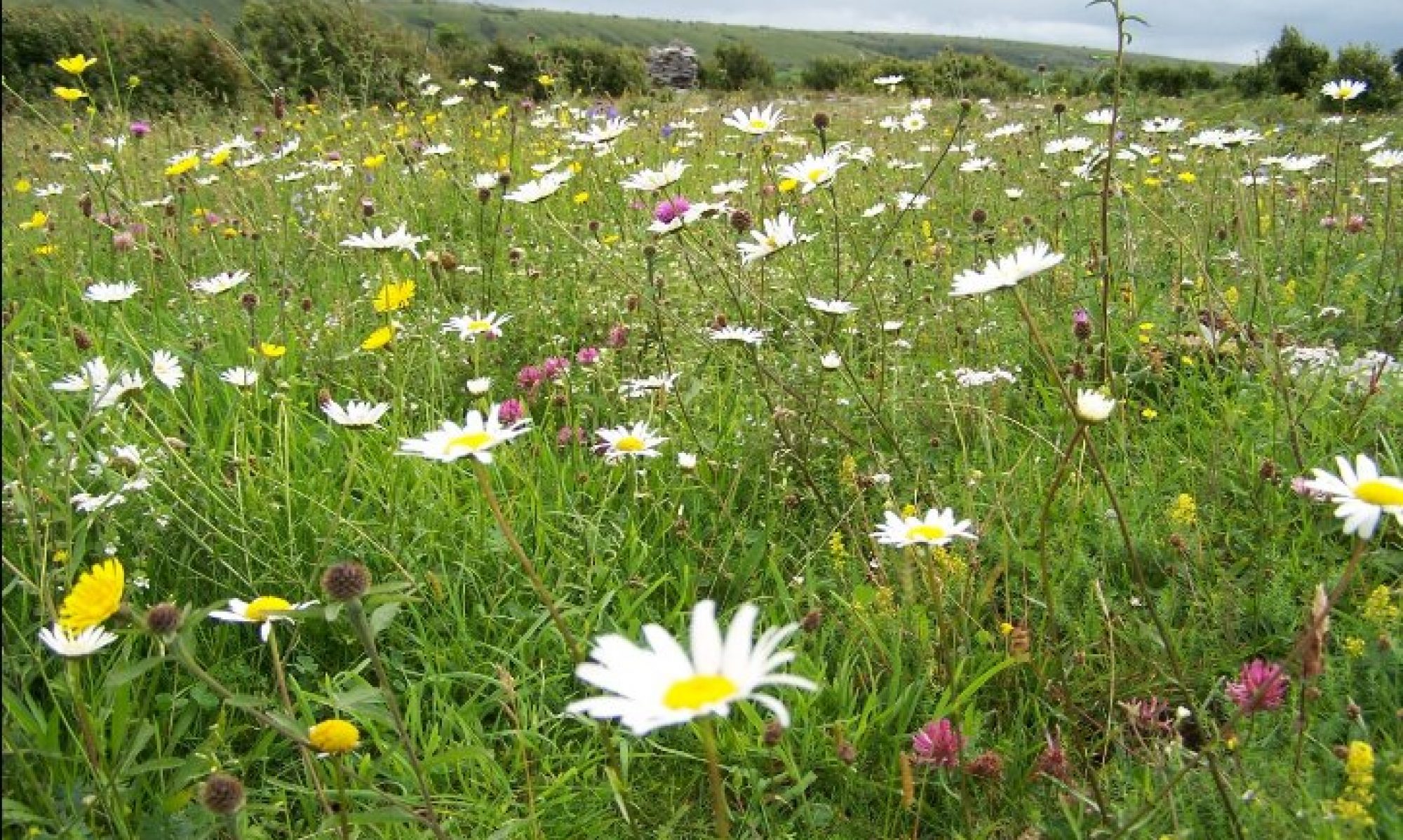
In May 2019, the Dáil officially declared a biodiversity crisis (Environmental Pillar, 2019). Yet our state bodies’ subsequent actions contradict this declaration. In 2025, the state’s official report to the European Commission on the status of European Union protected habitats revealed a devastating reality: 90% of Ireland’s protected habitats are in an unfavourable condition, 42% of protected species are in an unfavourable conservation status, and more than half of protected habitat types are continuing to deteriorate (NPWS, 2025).
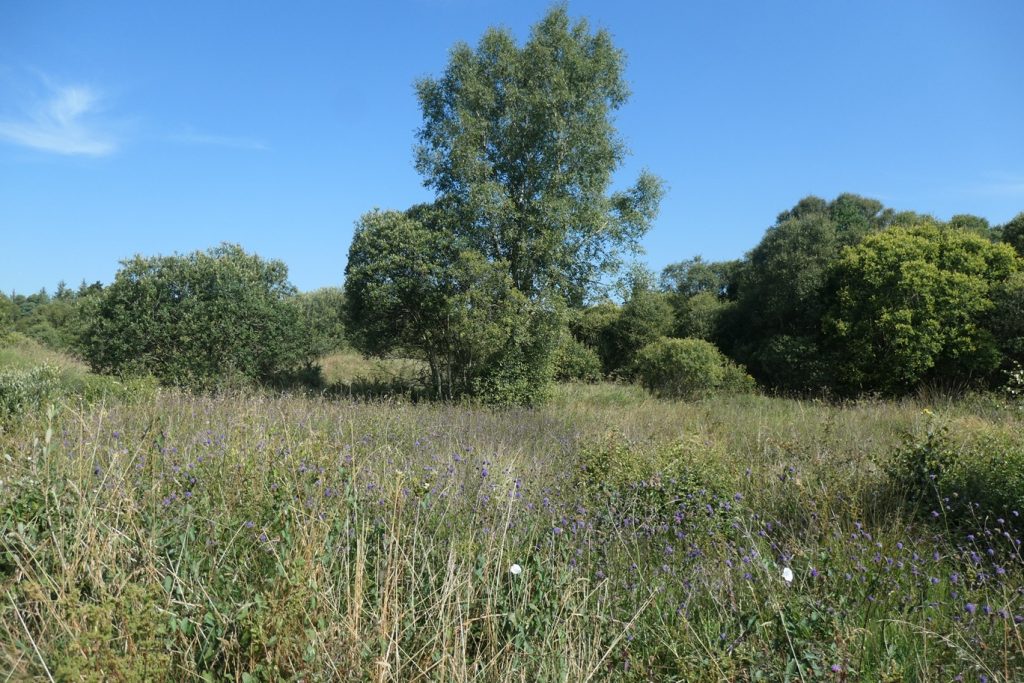
The ongoing failure to effectively protect and restore wetlands, peatlands, grasslands, and coastal habitats is directly increasing Ireland’s vulnerability to flooding, droughts, wildfires, and coastal erosion. The Climate Change Advisory Council has strongly criticised the Government’s failure to provide dedicated funding in the national budget to restore Ireland’s damaged natural environment (RTE, 2026). Serious action requires serious funding. Instead, our detailed submission to Ireland’s draft National Nature Restoration Plan—submitted in September 2026 but kept unpublished by the state—has fallen on barren soil.
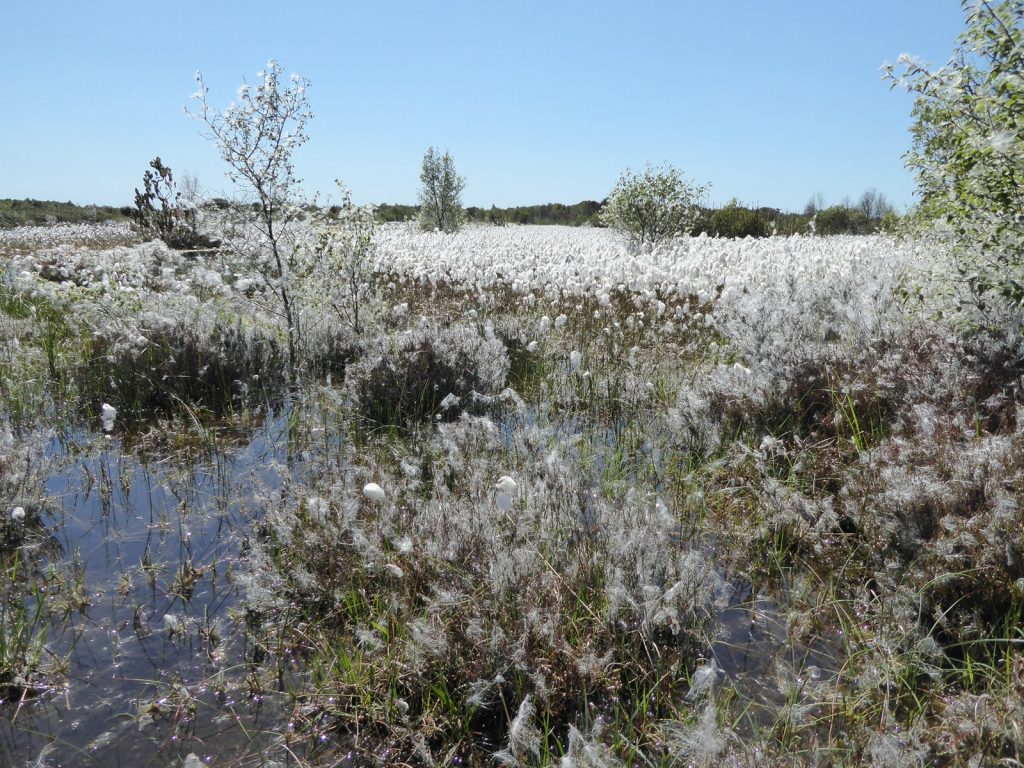
The Threat: The Proposed ‘Ballydermot Wind Farm’
Butterfly Conservation Ireland has learned that Bord na Móna has erected planning notices across bogs in the Bog of Allen in Kildare and Offaly. Stripped of its real name in official public relations booklets, the proposed “Ballydermot Wind Farm” aims to become the largest onshore wind farm in Ireland, covering a massive 5,880 hectares (Bord na Móna, 2026).
This project does not protect our climate. It introduces massive industrial destruction to recovering ecosystems, including:
- 46 industrial wind turbines reaching up to 220 metres in height.
- 64 kilometres of industrial access roads cutting through deep peat.
- Massive peat excavation, continuous drainage, and elevated flood risks that actively release trapped warming gases into our atmosphere while destroying native woodland, grassland and peatland habitats.
Destroying Nature to Power Data Centres
Bord na Móna states that the project will generate roughly 329 Megawatts (MW) or 865 GWh a year, equivalent to the demand of 200,000 homes (Bord na Móna, 2026). However, domestic necessity is not the driver for this biodiversity destruction. For example, a single data centre by Herbata in Jigginstown, Naas, will require an average of 230 MW, about 2000 GWh per year. Given Herbata’s commitment to source half its energy from renewables, wind energy is effectively a direct environmental subsidy for industrial data processing.
Nationally, the picture is stark: data centres’ share of total metered electricity consumption rose to 23% in 2025 from 5% in 2015 (CSO, 2025).
As Tony Lowes, Director of Friends of the Irish Environment, noted regarding the Naas development:
“The Herbata Data Centre is a high-risk, high-emission project. It would swallow a disproportionate share of Ireland’s electricity carbon budget, stall renewable energy development, and lock the grid into greater fossil gas dependence.” (Friends of the Earth, 2026)
This corporate lock-in is underlined by Amazon Web Services’ (AWS) decision to develop data centres in the Midlands, investing in Bord na Móna’s “eco-energy parks”—a strategic collaboration previously backed by the political establishment under the guise of driving economic growth (RTE, 2024). Bogs are not suitable for wind farms; in Europe, agricultural land is used for wind energy, which does not require massive peat excavation and deep drainage.
A Flagship Undermined: The Marsh Fritillary
The EU Nature Restoration Regulation mandates binding restoration targets that must cover at least 20% of the EU’s land and sea areas by 2030 (European Commission, 2026). In our submissions, Butterfly Conservation Ireland urged that undesignated state-owned land managed by Bord na Móna and Coillte, which holds vital colonies of the Marsh Fritillary butterfly Euphydryas aurinia, be pledged to the Nature Recovery Plan.
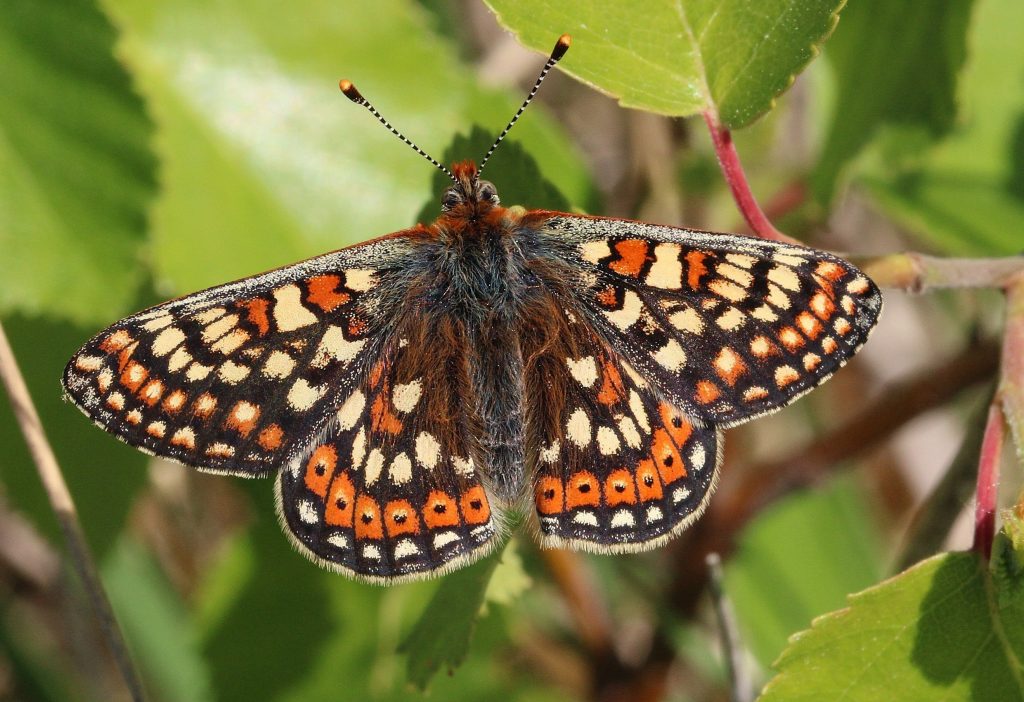
The Marsh Fritillary is a critical flagship species for conservation due to the astonishing variety of unfertilised, biodiverse habitats it occupies (Harding, 2021):
- Peatlands & Wetlands: Cutover bogs and the grassy areas along the margins of intact bogs, fens, marshes, and wet grasslands.
- Grasslands & Hills: Dry calcareous grassland, dry-humid acid grassland, and eskers.
- Coastal & Woodland Ecosystems: Fixed dunes, machair, and clearings in native woodlands.
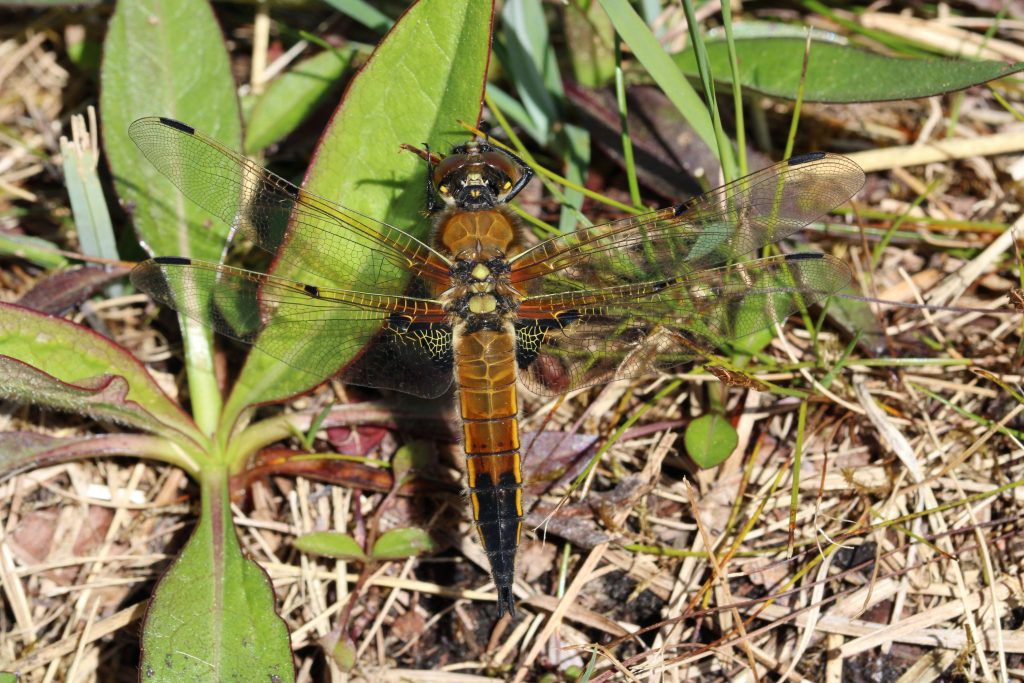
Developing wind farms on deep peat forces heavy concrete infrastructure onto these highly sensitive landscapes. Renewable energy infrastructure must be restricted to low-nature-value land, such as intensive farmland, rather than destroying active carbon sinks and biodiversity reserves.
Disregard for Protected Species
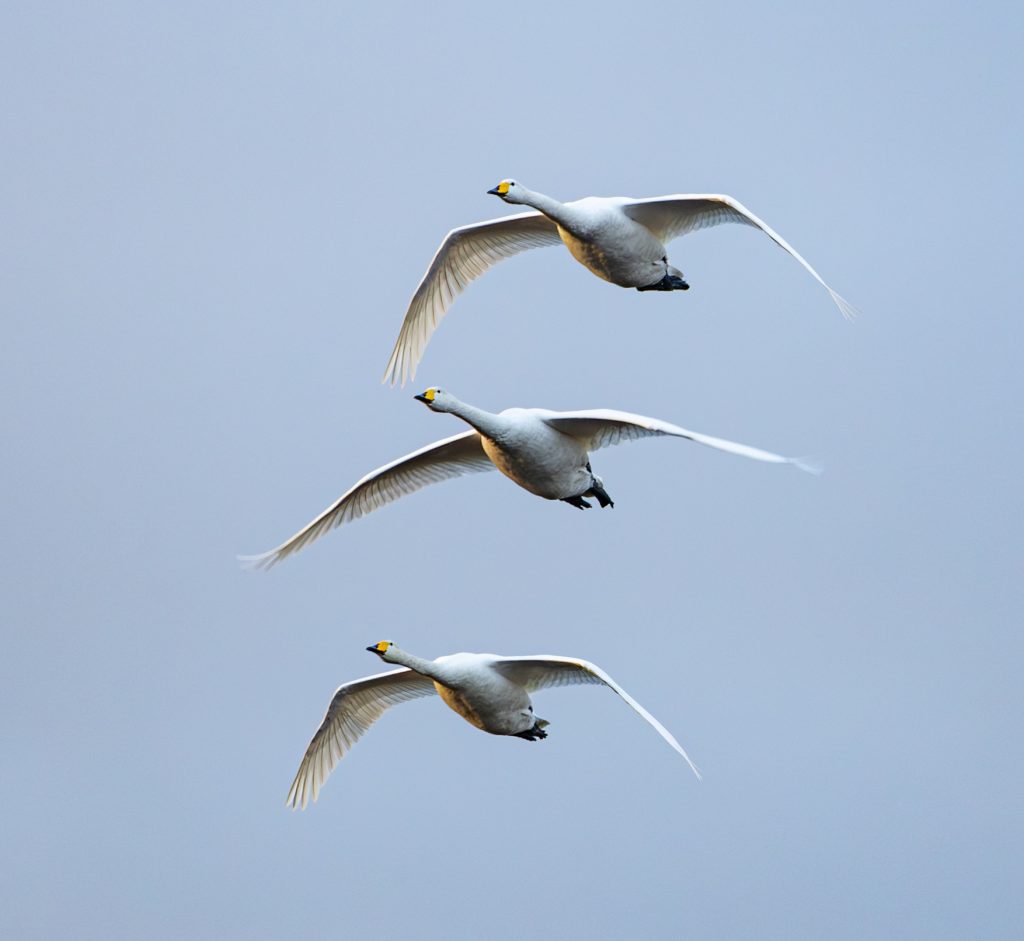
The institutional disregard for the wildlife inhabiting the Bog of Allen is profound. When I raised concerns in 2023 that important populations of Whooper Swans use the region for roosting and feeding and would collide with the 220-metre turbines, a Bord na Móna representative responded that it wasn’t a problem because, once the turbines are installed, the swans “will go somewhere else.” Admitting to the deliberate displacement and habitat loss of an EU-protected species demonstrates a failure of ecological stewardship.
Our Vision: A National Peatlands Park
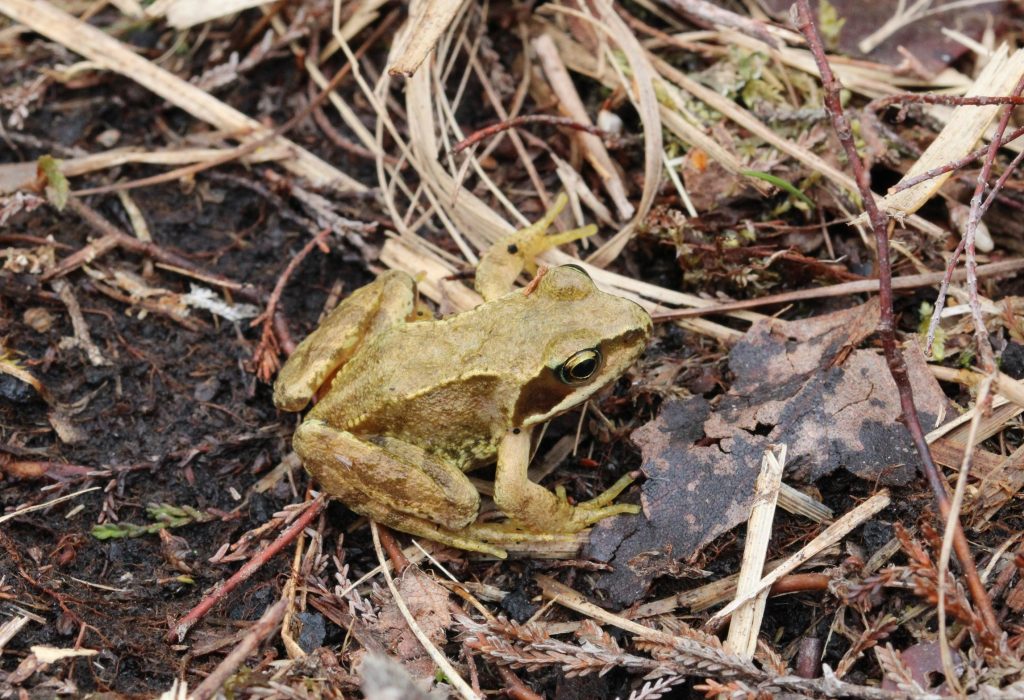
We do not have to accept a landscape destroyed for data centres. Environmental organisations, including the Kildare branch of BirdWatch Ireland, Butterfly Conservation Ireland and the Irish Peatlands Conservation Council, have long campaigned for this region to be designated as a National Peatlands Park (National Peatlands Park, 2026).
Under the Wildlife Amendment Act 2023, public bodies—including Bord na Móna, Coillte, and An Bord Pleanála—have a strict statutory obligation to “have regard to” the targets of Ireland’s National Biodiversity Action Plan (Department of Housing, Local Government and Heritage, 2025). This includes implementing the recommendations of the National Peatlands Strategy 2015-2025, which explicitly supports a National Peatlands Park (NPWS, 2015).
Take Action Before 5 January 2027
We need your voice to stop this industrial encroachment. Please lodge a formal planning submission to An Bord Pleanála before 5 January 2027. If you have photographs of the Bog of Allen landscape and its wildlife, include these in your submission.
Tell them you want biodiversity conservation at scale, peatland restoration instead of peatland destruction, clean air, clean water, flood attenuation and a landscape with incredible nature. For a glimpse of the natural wonders of the Bog of Allen that we are fighting to protect, view:
https://www.youtube.com/watch?v=FZThkMtAL4M
For the butterflies of the region, visit
https://www.youtube.com/watch?v=2pLmnwLYyws&list=PLknMirXoswKavyGbQO5KKvbp83mIOCBNe&index=8 (clip 1-7).
References
European Commission (2020-2026) Nature Restoration Regulation. Available at: https://environment.ec.europa.eu/topics/nature-and-biodiversity/nature-restoration-regulation_en (Accessed 4 Nov. 2026)
Bord na Móna (2026) Ballydermot Wind Farm Proposed Grid Route. Available at: https://www.ballydermotwindfarm.ie/wp-content/uploads/sites/17/2026/04/BNM-Ballydermot-A4-booklet-final.pdf (Accessed 4 Nov. 2026)
CSO (2025) Data Centres Metered Electricity Consumption 2025. Available at: https://www.cso.ie/en/releasesandpublications/ep/p-dcmec/datacentresmeteredelectricityconsumption2025/keyfindings/ (Accessed 6 Nov. 2026)
Department of Housing, Local Government and Heritage (2025) National Biodiversity Action Plan 2023-2030 Implementation Report. Available at: https://assets.gov.ie/static/documents/971e9d39/2025_Implementation_Report_for_the_National_Biodiversity_Action_Plan_2023-2030.pdf
Environmental Pillar (2019) Declaration of biodiversity and climate emergency warmly welcomed. Available at: https://www.environmentalpillar.ie/declaration-of-biodiversity-and-climate-emergency-warmly-welcomed/ (Accessed 5 Nov. 2026)
Friends of the Earth (2026) Campaigners appeal Herbata Data Centre decision in Naas. Available at: https://www.friendsoftheearth.ie/news/campaigners-appeal-herbata-data-centre-decision-in-naas (Accessed 4 Nov. 2026)
Harding, J. (2021). The Irish Butterfly Book, Privately Published, Maynooth.
National Parks and Wildlife Service (2015) National Peatlands Strategy. Available at: https://assets.gov.ie/static/documents/971e9d39/2025_Implementation_Report_for_the_National_Biodiversity_Action_Plan_2023-2030.pdf (Accessed 4 Nov. 2026)
National Peatlands Park (2026) Available at: https://www.nationalpeatlandspark.com/ (Accessed 5 Nov. 2026)
RTE (2024) Bord na Móna and SSE Renewables launch new launch new onshore wind venture. Available at: https://www.rte.ie/news/business/2024/0328/1440355-bord-na-mona-and-sse-renewables-in-onshore-wind-venture/ (Accessed 5 Nov. 2026)
RTE (2024) Amazon to locate data centres in Ireland’s Midlands. Available at: https://www.thinkbusiness.ie/articles/amazon-bord-na-mona-data-centres-ireland-midlands/ (Accessed 6 Nov. 2026)
RTE (2026) Government Criticised over lack of funding to restore damaged habitats. Available at: https://www.rte.ie/news/ireland/2026/1104/1597885-climate-biodiversity-review/ (Accessed 4 Nov. 2026)
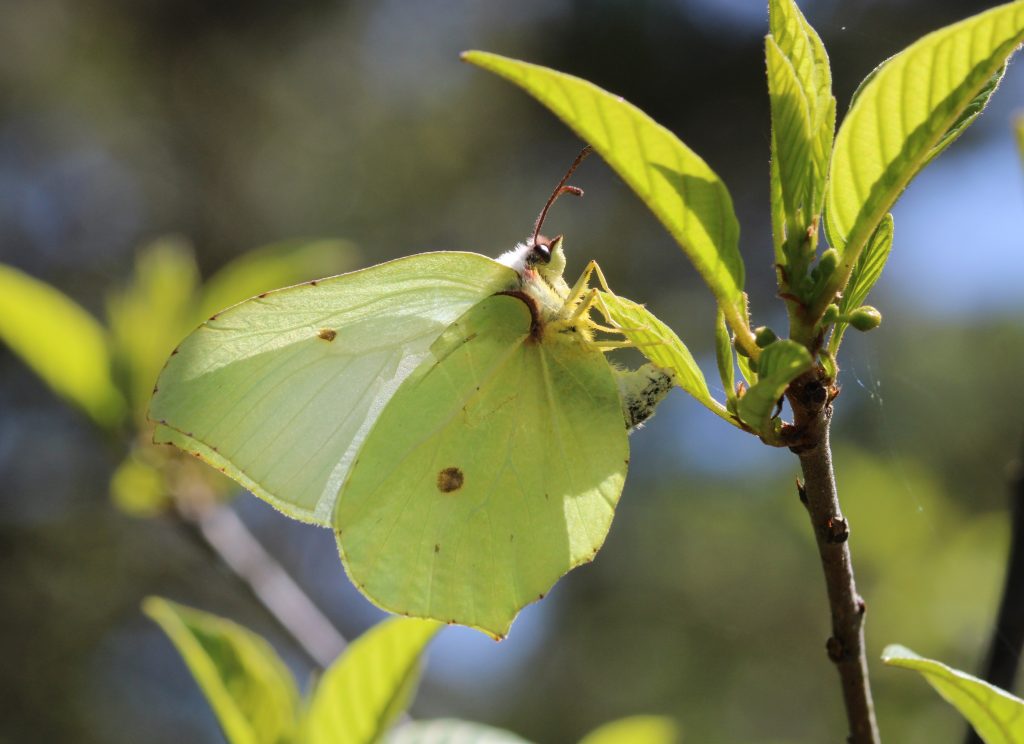
Photos: J. Harding, except Whooper Swans, John Fox.